
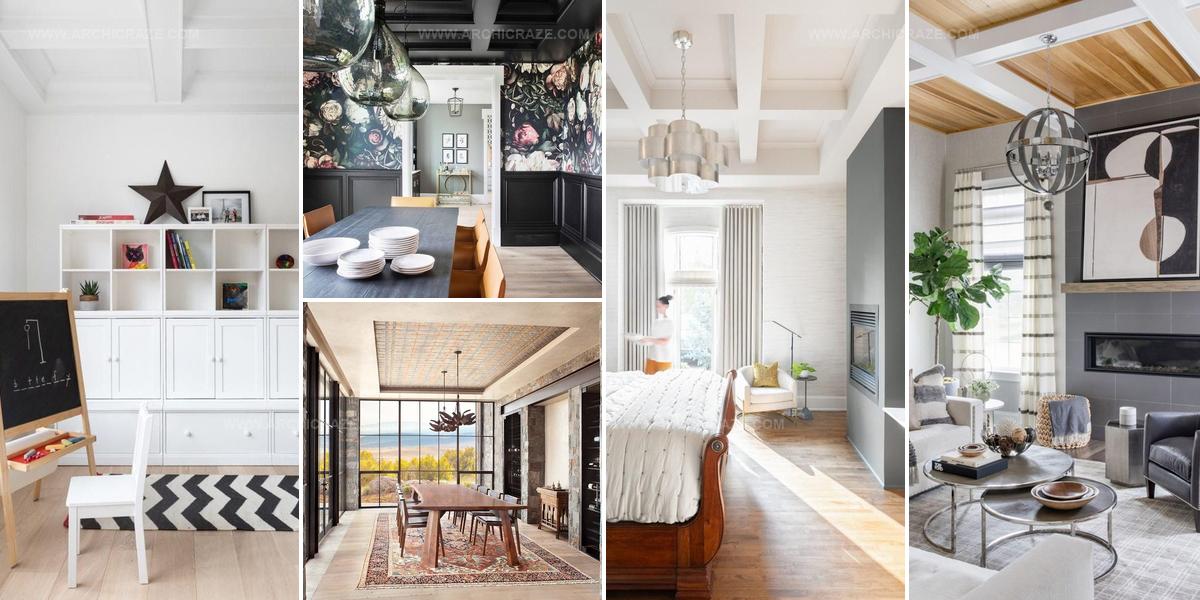
15 Coffered Ceiling Ideas That Add Instant Elegance

A coffered ceiling adds architectural depth and visual interest to rooms where flat surfaces once dominated the overhead view.
Homeowners who want sophisticated design details often consider this classic treatment because it brings dimension and character that plain ceilings simply cannot match.
The recessed panels create shadows and highlights throughout the day as natural light shifts angles and intensity.
Installing one can dramatically change how a space feels, making rooms appear taller and more elegant without requiring extensive renovations.
Many different styles exist, from traditional wood beams to modern minimalist grids that suit contemporary homes perfectly.
The installation process varies depending on materials chosen and existing ceiling conditions, but results consistently impress visitors and family members alike.
Browse through inspiring options that will help make an informed decision for enhancing the most overlooked surface in any room.
Coffered Ceilings Sound Control
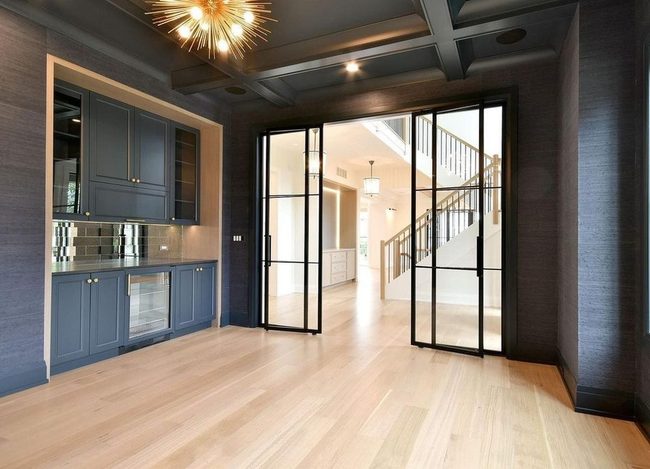
Coffered ceilings bring immediate visual drama to a media room while serving a practical purpose at the same time.
Sotropa points out that raising the ceiling plane offers acoustic benefits beyond just looks.
Sound absorption happens naturally with this design choice, which means less noise travels between rooms.
If your media room sits near a busy part of your home, this feature becomes especially valuable.
Recessed panels break up the flat expanse overhead and add architectural interest to what would otherwise be plain drywall.
You get both style and function working together in one upgrade.
Many homeowners overlook how much a ceiling treatment can improve both the room's appearance and how it actually performs.
Installing this kind of ceiling makes your space feel more polished and helps you enjoy your movies or games without unwanted sounds from the rest of the house.
Geometric Grid Meets Modern Luxury
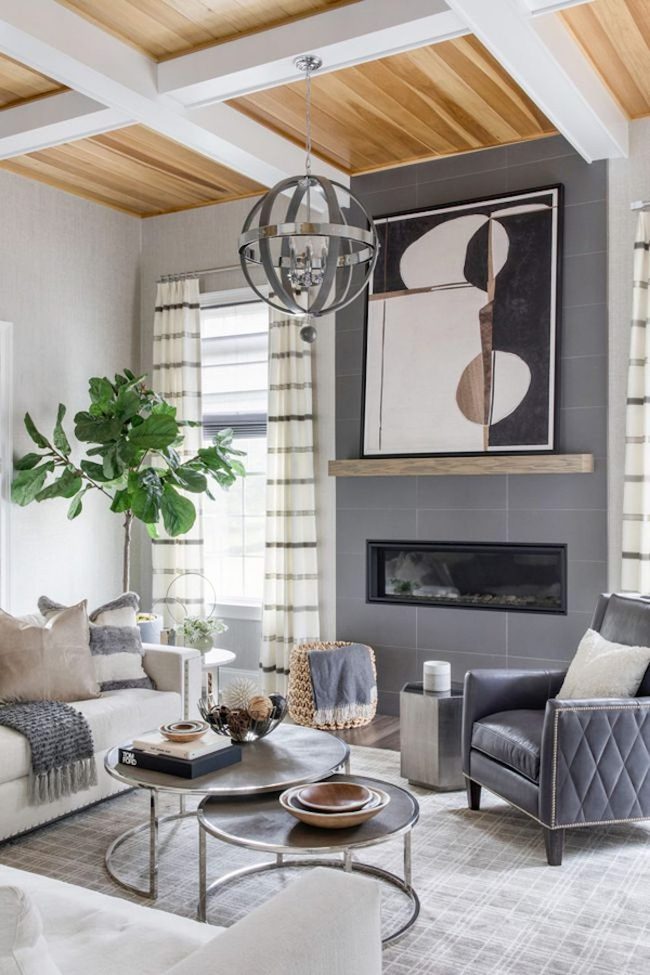
Coffered ceilings don't have to stay locked in traditional or formal spaces-you can absolutely bring them into modern homes as well.
Sotropa points out that this architectural feature works beautifully in contemporary settings when you keep the design stripped down.
A clean coffered detail using mitered beams and leaving out decorative molding instantly adds luxury and visual interest to minimal, uncluttered rooms.
Modern spaces benefit from this approach because the geometric grid pattern catches light and adds dimension without feeling fussy or overdone.
You get that sense of sophistication and richness while maintaining the clean aesthetic your home already has.
It's a smart way to introduce architectural character to spaces that might otherwise feel plain.
The coffered pattern works as both structure and style, making even a simple blank ceiling into something worth noticing.
Geometric Ceiling Grid Installation
If you're thinking about installing a coffered ceiling, hiring a professional is usually the better choice over doing it yourself, even though the project can increase your home's value.
Budget matters quite a bit in this decision, and while drywall coffers won't break the bank on materials, getting them to look right demands real skill and experience from someone who knows drywall finishing inside and out.
You'll want someone experienced handling this minimalistic feature because rushing through it or tackling it without proper expertise can lead to visible mistakes that undermine the whole effect.
Drywall work looks simple on the surface, but the execution requires precision and knowledge that takes years to develop.
Bringing in a pro means you're paying for their expertise and the tools they've already invested in, which saves you from buying equipment you'll only use once.
Getting it done right the first time protects your investment and ensures your ceiling looks polished rather than amateur.
Whether you're working with a tight budget or have more flexibility, professional installation makes financial sense when it comes to coffered ceilings.
Chandelier Commands Coffered Ceiling
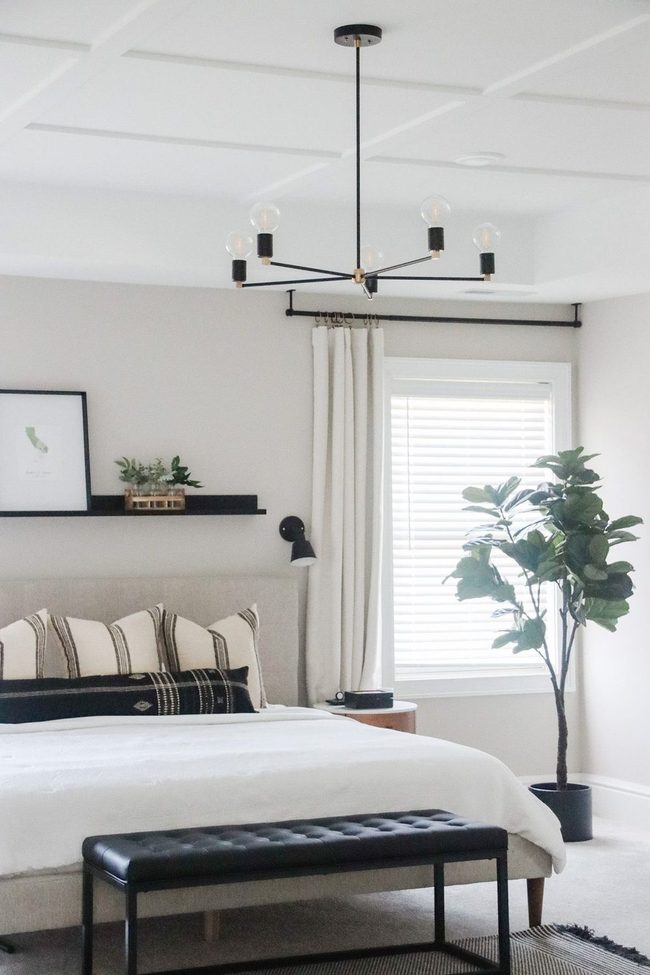
Lighting plays a huge role in making your coffered ceiling shine, and a large chandelier positioned in the center of the room becomes the star of the show.
Because coffered ceilings have bold architectural lines and deep recesses, you need a light fixture that can match that visual presence instead of disappearing into the background.
Patel suggests choosing a chandelier that commands attention and reflects light across both the ceiling structure and the rest of your space.
When you select a piece with enough scale and presence, it balances the strong geometric patterns above and brings the whole room together.
Selecting something substantial means your lighting works as a real design element and not just a functional necessity.
You can find chandeliers in various styles, from classic crystal designs to modern metal frames, so pick one that matches your personal taste.
Either way, making sure it has enough visual weight ensures it stands up to those impressive ceiling details above.
Coffered Ceiling Statement Focus
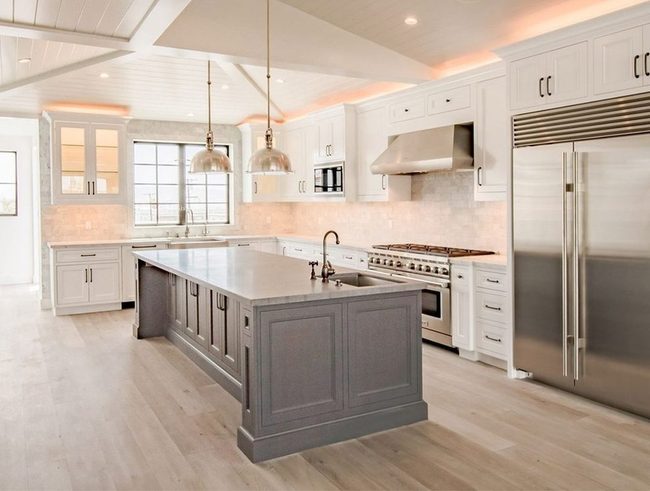
Once you understand the power of a coffered ceiling, you'll want to resist the urge to fill every other surface with bold design choices.
Patel recommends picking just one accent feature-either a statement wall or that overhead design-so visitors don't feel overwhelmed by competing elements the moment they enter.
When you keep everything else simple and clean-lined, that one standout piece gets the attention it deserves.
She suggests sticking with neutral tones throughout the room and letting a single pop of color serve as your secondary accent.
This way, the space feels balanced rather than chaotic.
You can have fun with decorating, but sometimes holding back makes the biggest difference.
Your restraint actually highlights what makes the room special instead of burying it under too many competing ideas.
Overhead Statement Demands Floor Balance
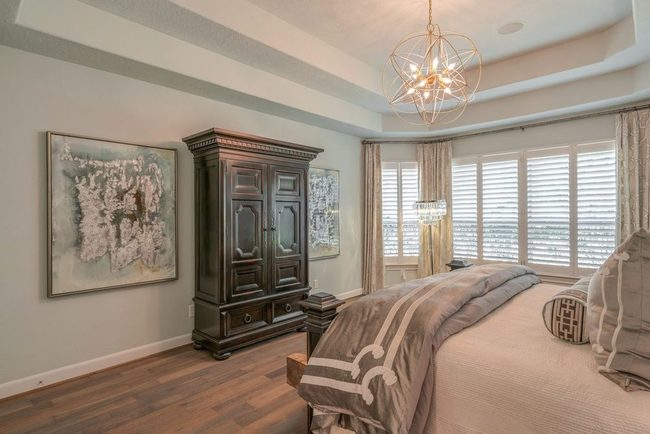
Before installing a tray ceiling or coffered ceiling in your space, take time to think through how everything else will fit together in the room.
A dramatic overhead design can easily overshadow furniture and accessories that lack visual weight, so you'll want to balance the scale carefully.
Sparse furnishings tend to look swallowed up by soaring ceilings, which means selecting pieces and décor that match the boldness of your overhead statement matters quite a bit.
You should aim for items that complement your ceiling design rather than fight for attention against it.
Keeping this balance in mind helps your room feel harmonious instead of chaotic or disconnected.
What works best is choosing pieces and elements that echo the style and presence of your ceiling without trying to compete with it.
Planning this way ensures that both your overhead features and your furniture choices feel like they belong in the same space.
Black Ceiling Meets Floral Walls
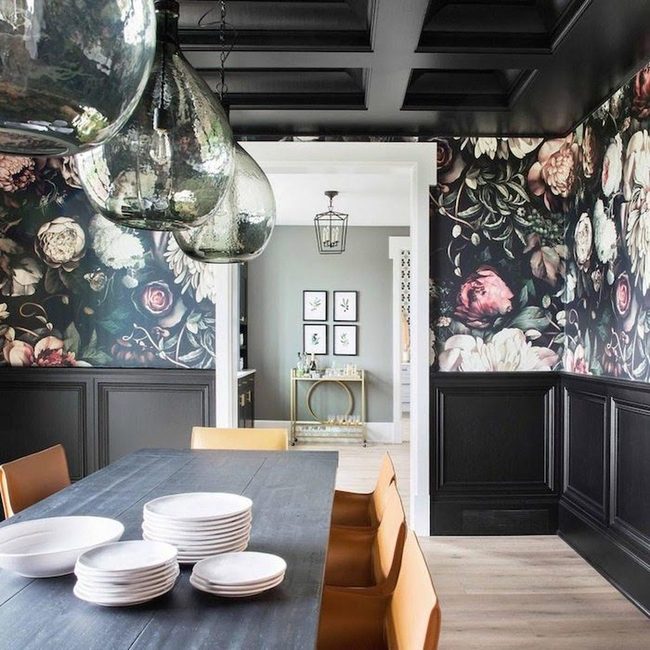
Black paint on the coffered ceiling immediately commands attention and pairs beautifully with the matching plate rail to create a unified design throughout the room.
Such a bold overhead choice adds surprising depth to the space and actually makes the walls feel taller and the room more expansive than it is.
Floral wallpaper then balances out the dark ceiling and brings in pattern and softness to prevent the black from feeling heavy Your guests will definitely notice the contrast between what's overhead and what surrounds them on the walls.
Both the ceiling and the pattern below have equal presence in the room without competing for attention.
If you're hesitant about going dark overhead, this approach shows how black can actually open up a space rather than close it in.
Minimal Lighting Maximizes Coffered Ceilings
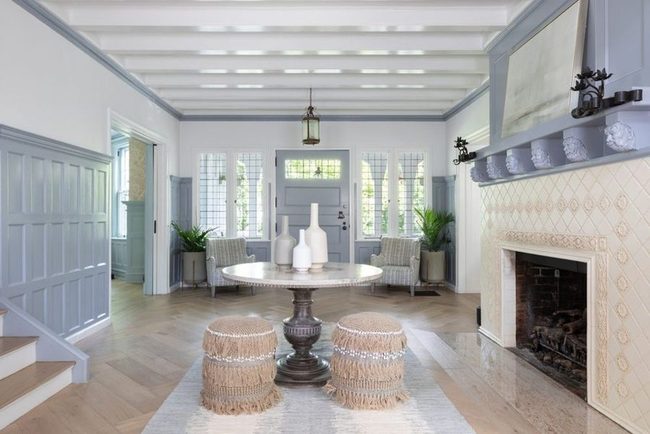
When it comes to lighting a coffered ceiling, one fixture or simple recessed LEDs make the best choice and keep your space from feeling cluttered.
A hanging pendant or chandelier can look nice up there, but resist the urge to add too many lights.
Simple lighting opens up the room and lets the ceiling structure shine without visual elements fighting for attention.
You'll want to step back and think about what serves your space best before installing anything.
Too many fixtures overhead just distract from the beauty of the coffered design itself.
Going minimal with your lighting approach actually makes the whole room feel more spacious and calm.
I recommend choosing quality over quantity when it comes to overhead fixtures in these kinds of spaces.
Coffered Ceiling Hides Structural Flaws
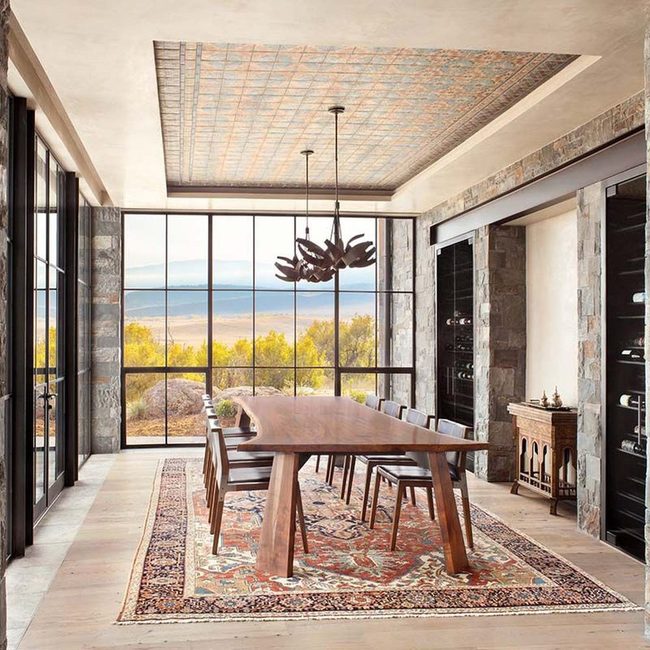
Before adding a coffered ceiling to your space, check that your room has sufficient height to accommodate it, since ceiling details that drop down require careful consideration of your vertical space.
Most designers recommend a minimum ceiling height of 9 feet with a maximum drop of around 1 inch, though your specific situation might call for different measurements.
One smart benefit is that lowering a ceiling can actually hide structural issues you'd rather not see, like exposed beams, pipes, or ductwork that would otherwise draw attention.
If you have a basement with plumbing or pipes you need to access, a DIY coffered ceiling works wonderfully to cover a standard drop ceiling while still improving the overall appearance of the room.
You gain both function and style when you choose this route.
The key is measuring your space honestly and understanding what you're trying to accomplish before you commit to the project.
Taking time to evaluate your ceiling height upfront saves you from problems later on.
Geometric White Ceiling Panels
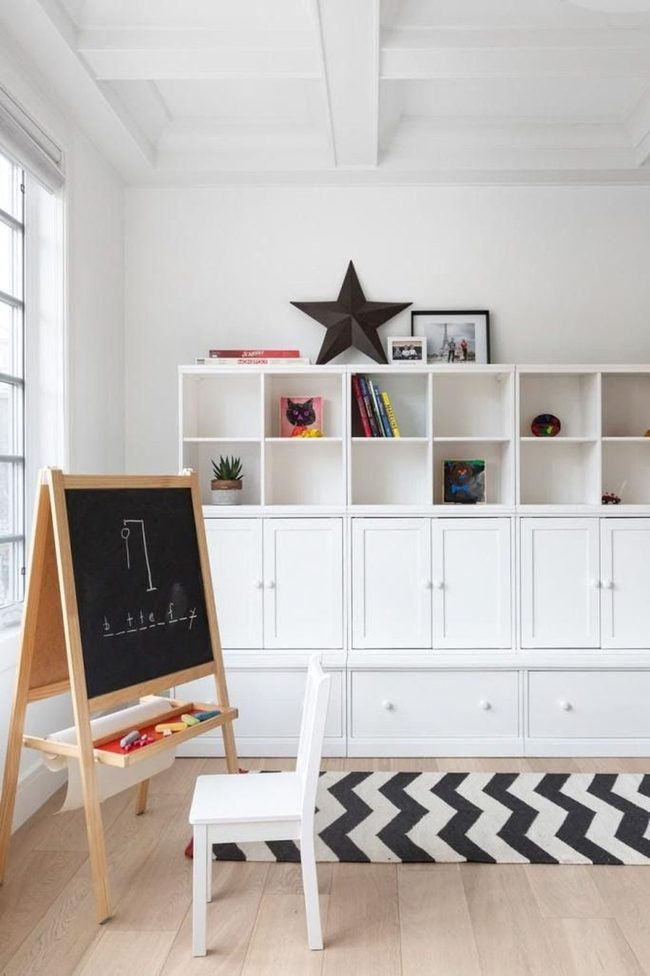
If your room feels a bit bland and could use some visual interest, coffered ceilings offer a striking solution that works in almost any space.
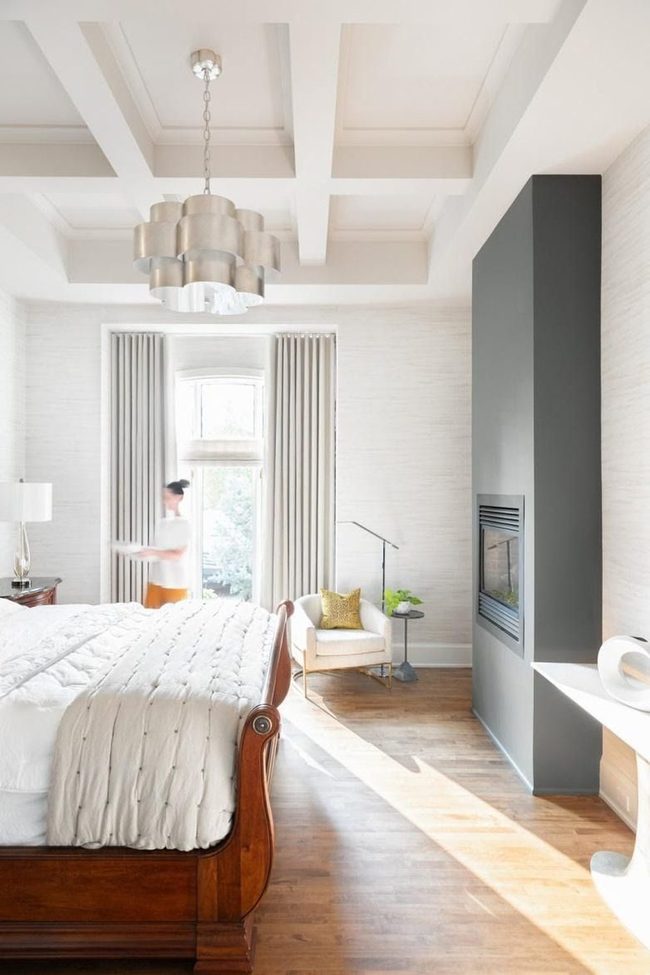
According to Patel, these geometric ceiling designs give rooms an instant facelift by drawing the eye upward and making the space feel taller than it actually is.
You can keep the paneling and beams painted white to add texture without overwhelming the room, and this neutral approach fits seamlessly into different decorating styles.
The dimensional pattern on your ceiling becomes the standout feature without requiring major renovations or furniture changes Whether you have a modern apartment or a traditional home, coffered ceilings adapt well to your existing décor.
It's one of those upgrades that makes people notice the space immediately, and the effect lasts for years to come.
Coffered Ceiling Defines Open Zones
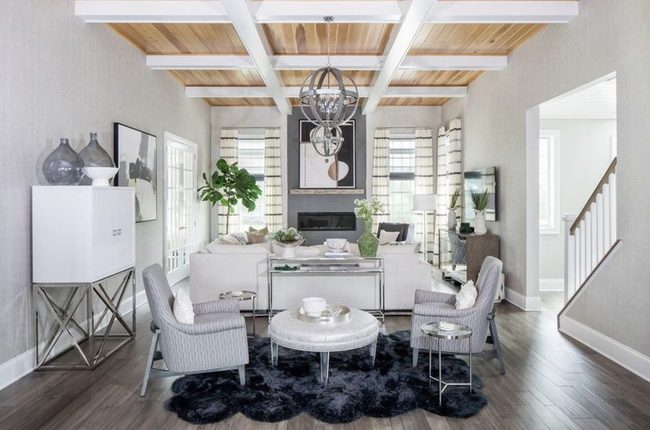
Open concept living spaces sometimes need a little help staying distinct, and a coffered ceiling is one of the smartest ways to accomplish this.
Installing a coffered ceiling above your living room or dining area creates visual separation between zones without building walls, and it does double duty by improving sound quality in large open areas since those recessed panels absorb noise and reduce echoes.
Beyond the obvious separation benefit, you get practical acoustic improvements that make conversation easier and the space feel less hollow.
Sotropa notes that these ceiling changes "help to absorb sound, providing a measure of acoustical dampening in a large open space," which means you're solving two problems at once Your living and dining spaces gain definition just by looking up, and the architectural interest keeps the eye moving naturally between different zones.
Single Recessed Ceiling Impact
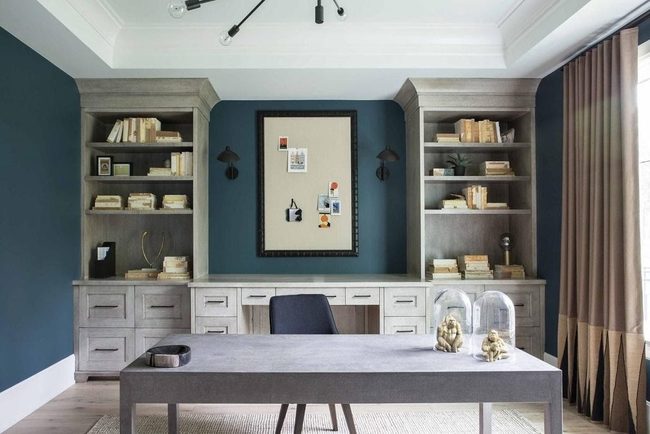
If you want to make a bold architectural statement in your room without the complexity of a full coffered design, consider installing a tray ceiling, which features a single recessed section rather than multiple compartments and delivers comparable visual drama One recessed area draws the eye upward and transforms an ordinary ceiling into something striking and dimensional.
You don't need intricate gridwork or countless segments to achieve that high-end look you might be after.
Many homeowners find this approach easier to install and maintain than more elaborate ceiling treatments.
Whether your room is square, rectangular, or has odd angles, a tray ceiling adapts to fit your space.
Moving forward with this design choice gives you a way to upgrade your room's appearance while keeping things straightforward and manageable.
Wooden Beams Define Zones
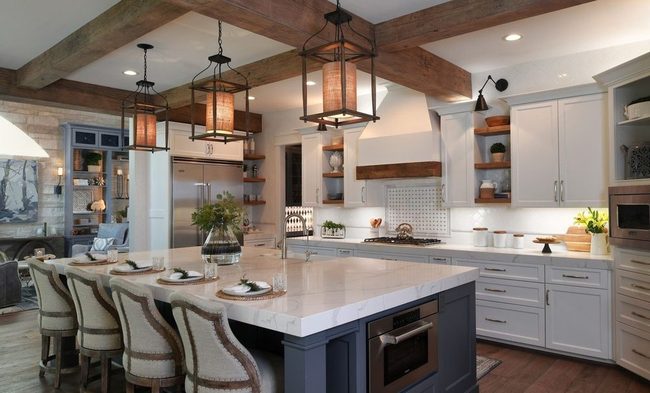
Since open concept homes are everywhere these days, coffered ceilings have returned as a smart design solution.
When you have one large room that combines your kitchen, dining area, and living space, a coffered ceiling offers a way to break up that expanse and define each zone visually.
Wood beams or recessed panels in the ceiling create distinct sections without needing walls or barriers.
You can run the pattern over your dining area while leaving the kitchen and living room with different treatments, and this approach helps each space feel purposeful.
Installing coffering also adds depth and dimension overhead, which makes the room feel less like a wide-open box.
If you want to keep things connected while still giving each zone its own character, this is one of the best solutions available.
The structured lines above your head naturally guide how you and others move and sit within the space.
Without spending money on construction, you get clear separation that's both practical and good-looking.
Natural Wood Beams Meet Coffered Ceilings
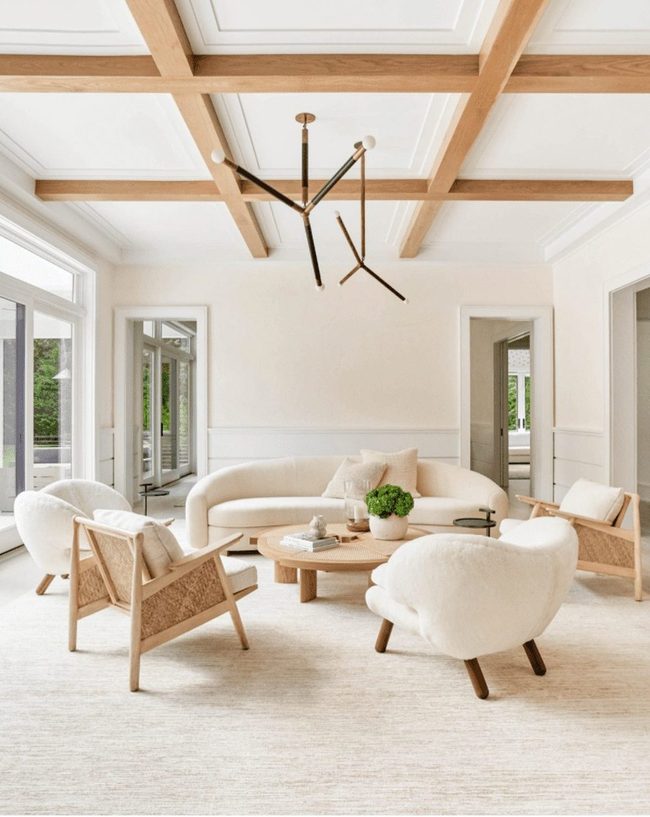
Exposed wood beams stretching across your ceiling make an immediate statement that pulls attention upward and commands the room.
Layering these beams over a coffered ceiling brings together the best of both styles-you get that architectural depth from the coffered design while the natural wood adds warmth and a contemporary edge Wood beams create strong horizontal lines that guide your eye and make spaces feel more structured.
If you go this route, the natural grain and texture of the wood become a major design element all on their own.
Lighter woods tend to feel airy and fresh, while darker tones add richness and anchor the room.
Whether you choose reclaimed timber or new wood stained to look aged, this approach shifts how a space feels without requiring you to change anything else.
When you combine wood beams with coffered ceilings, you're essentially adding two layers of interest to the area people rarely think about-and the results speak for themselves.
Geometric Ceiling Grids Overhead
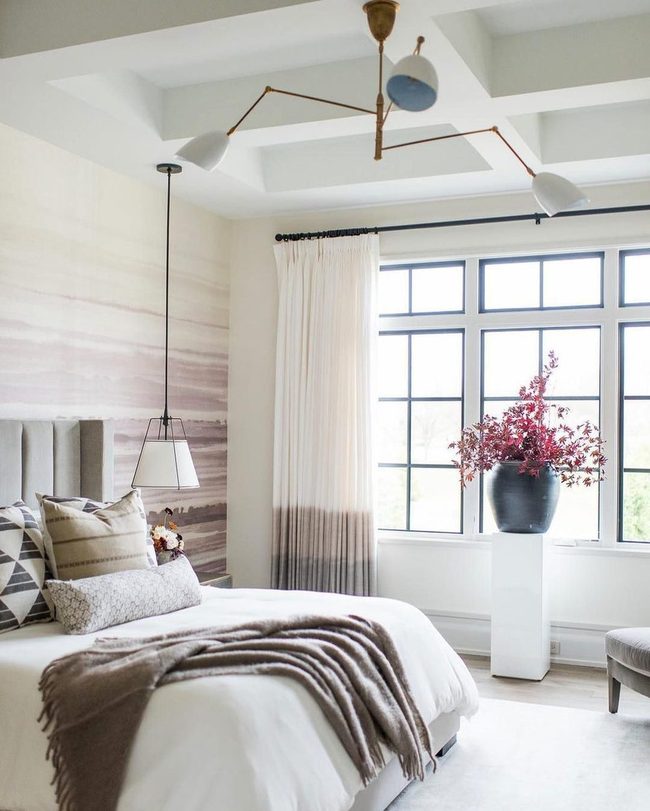
Coffered ceilings demand attention with their geometric grid patterns and dimensional depth, so pairing them with warm neutrals and soft hues like purple, mauve, or navy keeps the overall look balanced and refined.
You can absolutely use a coffered ceiling with any color scheme or decorating style, but we've noticed that classic palettes work especially well for this architectural feature.
Since the ceiling itself does so much visual work overhead, dialing back the color intensity in the rest of your room helps everything feel harmonious.
Consider painting walls in soft, muted tones and selecting furnishings in neutral shades so the eye can rest before traveling upward.
This approach prevents the space from feeling too busy or overwhelming.
When you keep surrounding colors gentle and understated, the coffered ceiling becomes the natural star of the room without competing for attention with equally bold walls or furniture.
The result is a polished, sophisticated space where your architectural investment really shines.
Morgan Huxley
Founder & Creative Director
Expertise
Interior Design & Bold Décor Concepts, Creative Color Applications & Artistic Details, Budget-Friendly Styling, Sustainable Design Practices
Education
Parsons School of Design, New York, NY
New York Institute of Art and Design (NYIAD)
Morgan Huxley is a designer with a passion for bold interiors that feel personal and inviting. As the founder and creative director of [Brand Name], he helps homeowners bring color, texture, and personality into their spaces. With a degree from Parsons and a decorating certificate from NYIAD, he blends artistic expression with practical design solutions.
Morgan believes that great style shouldn’t be out of reach. He shares budget-friendly tips, sustainable ideas, and creative design tricks to make any home feel elevated.
When he’s not designing, you’ll find him exploring NYC’s art galleries, street murals, and food spots for fresh inspiration.