10 Ceiling Texture Types Every Homeowner Should Know

Ceilings often go unnoticed until homeowners decide to renovate or redecorate a room.
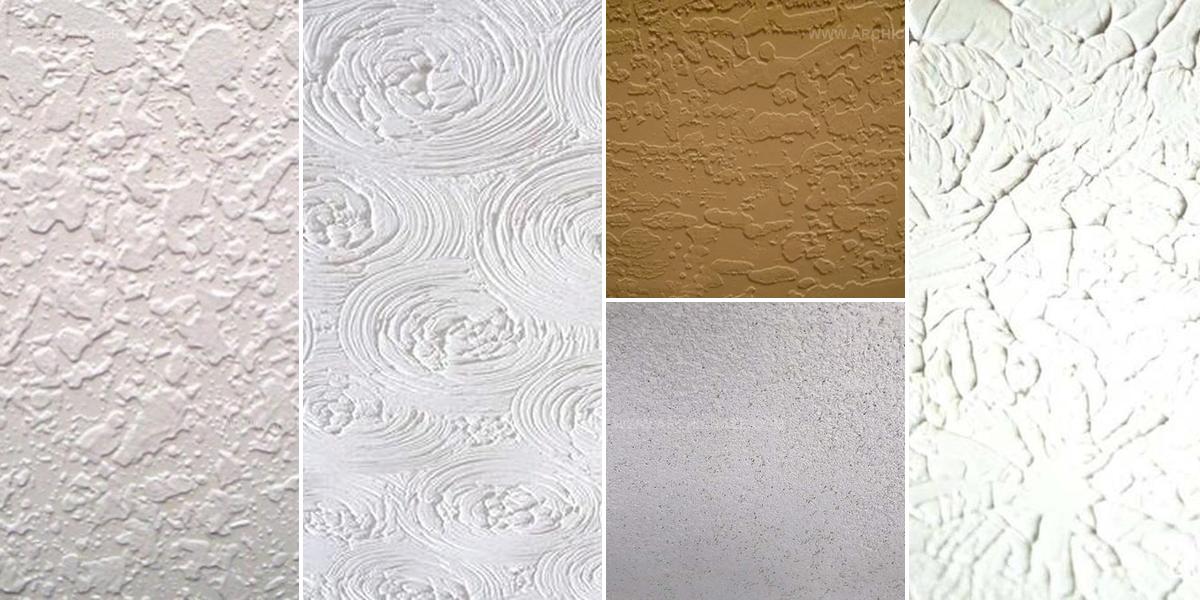
Different ceiling texture types can dramatically change how a space feels and looks overhead.
Smooth finishes create modern appeal, while rougher patterns add character and dimension to rooms above.
Textured surfaces also help hide imperfections and reduce noise in homes.
Choosing among various options depends on personal style preferences and practical needs.
Understanding what works best for different spaces helps make confident decisions about overhead surfaces.
Whether renovating or building new, knowing about ceiling options empowers you to design rooms that feel complete from floor to ceiling.
Smooth Ceilings, Flawless Finish
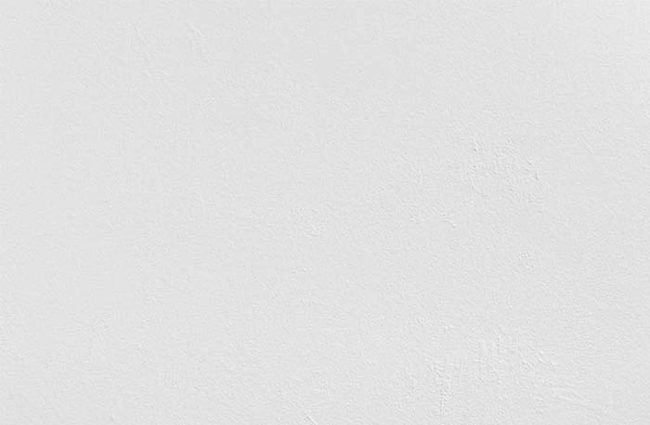
Smooth ceilings offer a sleek, uniform look that works well in most rooms and pairs nicely with nearly any color or design scheme you choose.
Many homeowners love this option because it's affordable and relatively simple to install, though getting a truly flawless finish does take some skill and might cost more upfront.
You'll find that this style enhances the overall feel of any space, though it's best to skip it in kitchens and bathrooms where moisture can cause problems.
The refined appearance you get from a smooth ceiling makes it worth considering if you want something elegant without too much fuss.
If simplicity appeals to you and you're looking for a home improvement project that won't break the bank, this could be exactly what you need.
We think it's a smart choice for anyone wanting a polished result without overly complicated installation.
Crow’S Foot Stomp Texture
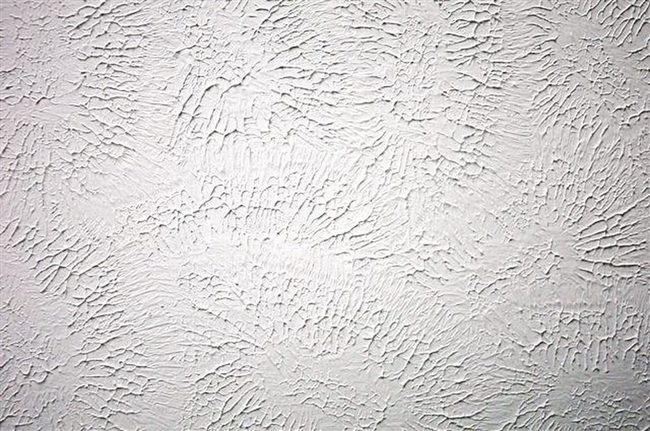
Specialized pattern brush makes stomp texture, sometimes called crows foot, possible, and the result catches your eye immediately with its bold, dynamic design that fans outward across your surface.
This technique shares similarities with stippled ceilings since both create visual interest through repetitive patterns rather than smooth, flat surfaces.
You'll need roughly the same tools and materials as you would for skip trowel work, so if you've done that before, you already understand what to grab.
Combining stomp textures with accent walls in your room opens up creative possibilities and lets you build layers of visual depth that make the space feel more interesting and personal.
The technique doesn't require special skills beyond patience and practice with your brush movements.
When you pair this textured finish with complementary colors on accent walls, the overall look gains sophistication and character that smooth walls simply can't match.
Layered Lace Ceiling Pattern
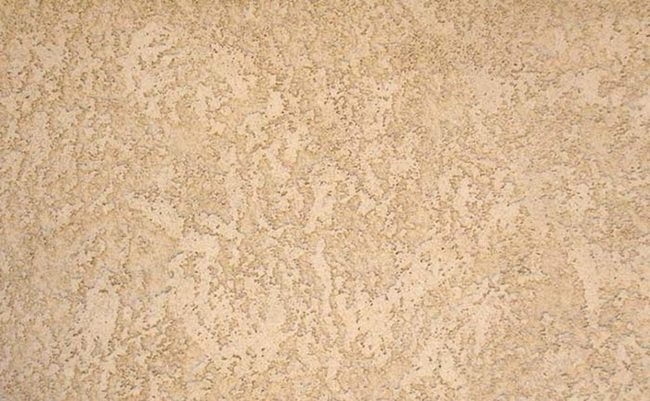
Lace texture on your ceiling makes a real statement because it combines artistic skill with practical technique, and while it takes more time and effort than standard finishes, the payoff is absolutely worth it.
Getting this look starts with painting a base coat and letting it dry fully before you add a second color on top.
The transformation happens when you use tools similar to those for skip trowel work and manipulate that top layer to form beautiful, irregular patterns across the surface.
Picking colors that complement each other well is key since they'll determine whether your ceiling looks truly striking or falls flat.
You don't need special training to pull this off, though patience and practice help you get better results.
The whole process shows that sometimes the most impressive design choices are the ones that ask a bit more from you in time and effort.
Bumpy Retro Ceiling Revival
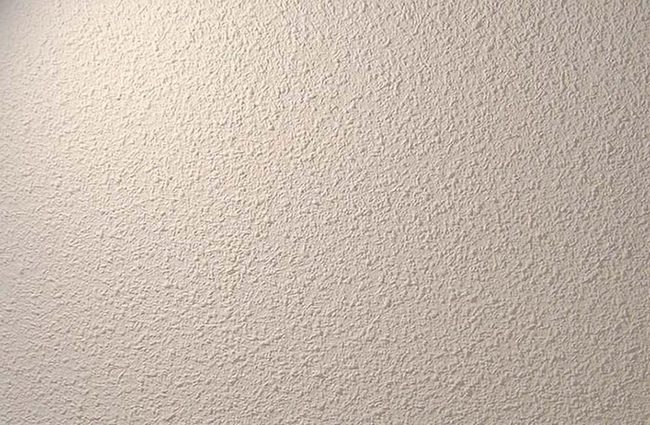
Popcorn ceilings have that distinctive bumpy surface that looks like actual popcorn or cottage cheese stuck to your overhead, and this unusual texture is making a comeback with people who love retro style and appreciate how well it absorbs sound throughout a room.
The main drawback is that dust settles into all those little peaks and valleys, which can be annoying if you prefer sleek, modern spaces that are easier to keep clean.
Creating this texture yourself involves using thick paint and applying it with a roller or brush, though getting an even finish without lumpy spots takes some skill and patience.
Some people find the nostalgic charm worth the extra maintenance, while others see it as outdated and prefer smooth ceilings instead.
You might discover that popcorn texture works surprisingly well if your home already has a retro or eclectic feel.
Stippled Ceiling Texture Impact
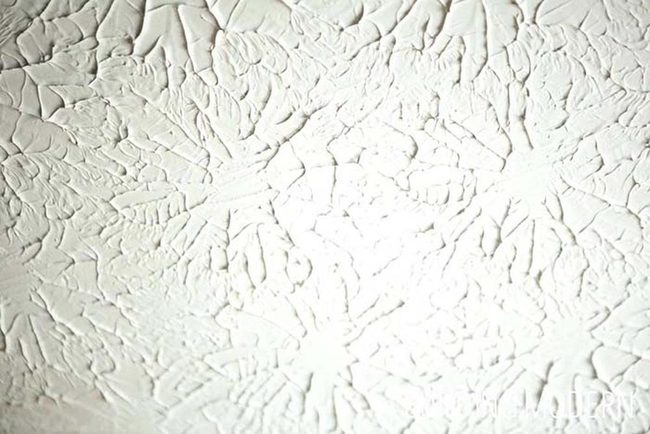
Stippled ceilings grab attention the moment you look up because their textured patterns create visual interest that plain surfaces simply can't match, and you can achieve this effect using a specialized stomp brush with a long handle that lets you work comfortably from the ground without climbing scaffolding.
Once you roll or spray your paint mixture onto the ceiling, pressing the brush against it and gliding it across produces those irregular shapes that make the texture so engaging to look at.
We appreciate this technique especially because it hides ceiling imperfections beautifully while adding dimension to a room.
The application does get a bit messy since paint splatters during the process, but the payoff delivers an interesting surface that transforms how people perceive your space.
Standing safely below while working means you control the pattern and can adjust your technique as you go.
Uneven Ceiling Texture Appeal
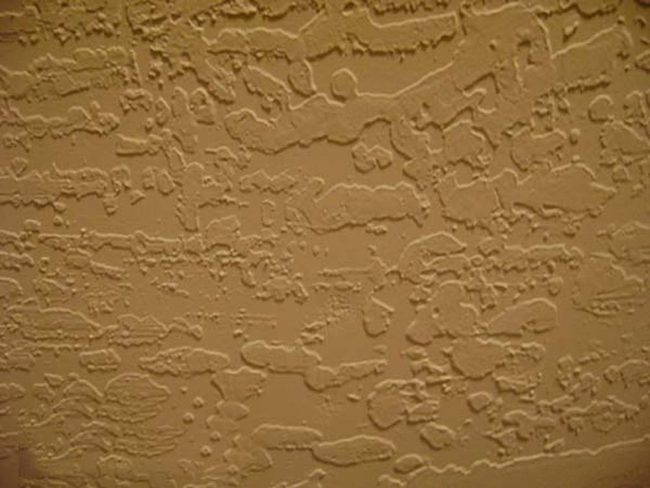
Skip trowel texture creates an uneven, visually striking surface on your ceiling that completely changes how a room feels, and learning this trowel technique is easier than you might think.
Different finishes like Old World or Spanish styles each bring their own personality to your space - one soothes and calms while the other energizes and uplifts the mood.
The detail that makes this work is the mix of rough and smooth patches that work across many design preferences and tastes.
If you want to try this yourself, you just need coarse sand and basic joint compound to get started.
The technique is straightforward enough for a home improvement project you can handle on your own.
We love how this textured approach gives you real flexibility in how you design the rest of your room.
Your ceiling becomes interesting without requiring expensive materials or professional installation.
Plaster Blotches, Layered Depth
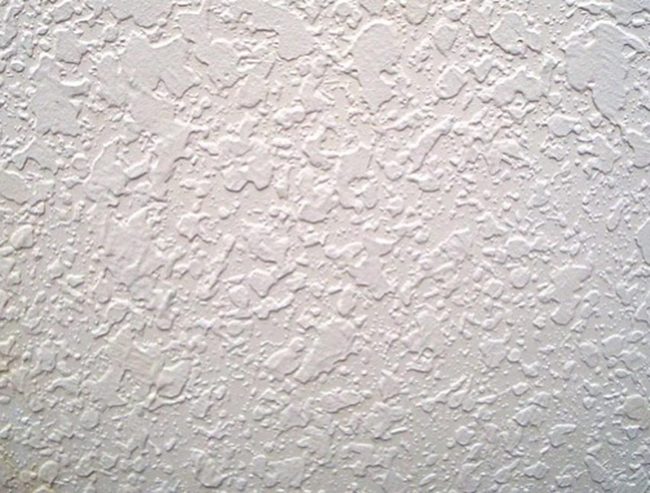
Knockdown texture stands out with its eye-catching blend of wide blotches that give walls and ceilings a layered, dimensional appearance, and you can achieve this distinctive look by applying plaster then gently tapping the surface with a soft brush or sponge to create varied depths.
The process uses a knockdown tool to flatten the bumps while keeping those interesting valleys intact between the raised areas.
This textured finish works well in living rooms and bedrooms because it brings warmth and character to any space where you want more visual interest than smooth drywall.
We like how this technique transforms plain surfaces into something with real depth, and it's a straightforward way to add personality throughout your home without needing extensive construction work.
Circular Flow Ceiling Texture
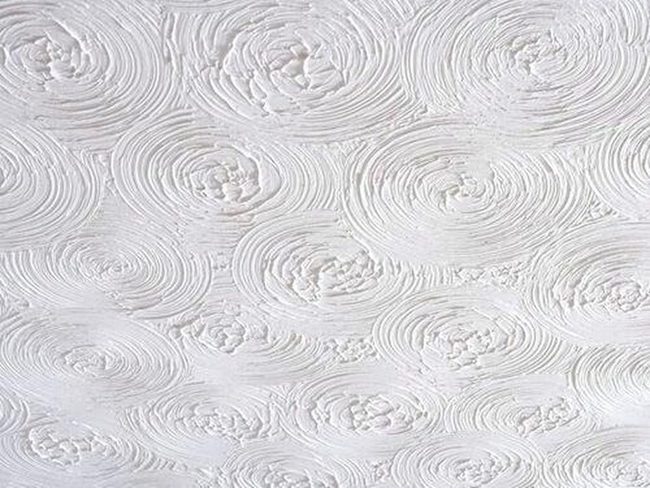
Swirl ceilings stand out with their sweeping circular patterns that flow across your overhead surface, and this textured finish uses smooth, curving motions to build those mesmerizing round designs.
What sets swirl apart from skip trowel or stippled options is how it avoids random shapes and instead shows off a methodical, curved approach that moves with rhythm and direction.
You can achieve this look fairly easily by selecting either a brush if you want more dimension or a sponge when you prefer something gentler on the surface.
Both tools work well for covering your entire ceiling and producing results that look polished.
Beyond just looking good, swirl texturing brings personality and depth to any space you apply it to.
If you're thinking about giving your interior design an upgrade, this technique offers an exciting way to transform a blank ceiling into something with real character.
Spray Sand Ceiling Texture
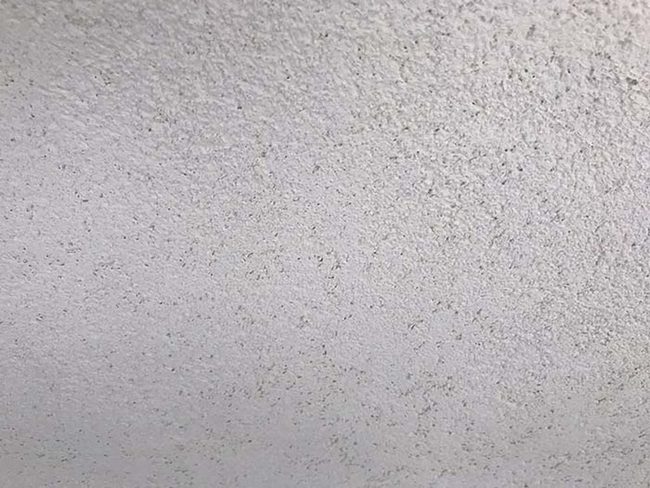
Spray sand texture creates a striking visual effect on your ceiling through specialized equipment like a hopper gun, and it features those fine ovals that give walls and overhead surfaces a distinct grainy quality.
Getting this finish to look polished takes real care, especially when you're working near corners and edges where overspray tends to happen.
Compared to orange peel texture, spray sand has a slightly rougher feel and less uniformity across the surface.
Though it's not as common as orange peel, spray sand offers many of the same benefits and drawbacks, though you might find it harder to locate depending on where you live.
The application process demands precision and steady hands to avoid mistakes.
When you're deciding on ceiling treatments, this textured option can shift the whole look of your room and add character that flat finishes simply don't provide.
If you're willing to hunt down the materials and put in the effort, spray sand could be worth considering for your next project.
Orange Peel Ceiling Texture
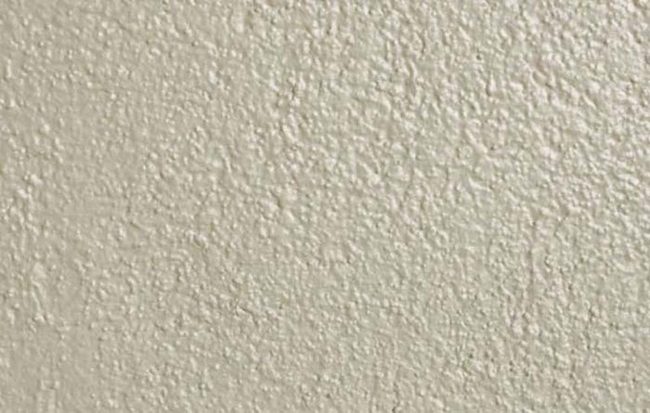
Orange peel texture on your ceiling brings a striking visual appeal with its distinctive pattern of scattered oval shapes across the surface, and it feels surprisingly smooth to the touch compared to other textured finishes.
The application process is refreshingly simple - you just spray short bursts from a comfortable distance and allow everything to dry before applying paint on top.
Before committing to your whole room, test the technique on cardboard so you can nail down the right angle and distance for consistent results.
Pairing this texture with lighter paint colors really enhances the charm it brings to a space.
One downside worth considering is that those tiny crevices trap dust and dirt, so this isn't the best choice for kitchens or bathrooms where grime builds up quickly and cleaning becomes a real hassle.
Riley Summers
Co-Founder & Home Styling Expert
Expertise
Smart Space Planning & Layout Optimization, DIY Home Projects & Budget-Friendly Décor, Trend Forecasting & Sustainable Design, Practical Styling Solutions for Every Home
Education
New York School of Interior Design, New York, NY
Riley Summers knows that a well-designed home isn’t just about looks—it’s about function, comfort, and personality. As co-founder of [Brand Name], she specializes in smart space planning, trend-forward décor, and sustainable styling solutions.
With a background in interior architecture from NYSID, Riley helps homeowners maximize their spaces with clever layouts and easy DIY projects. She loves sharing budget-friendly decorating ideas that make high design accessible.
Outside of work, she enjoys strolling through NYC’s neighborhoods, discovering new design trends, and savoring a great cup of coffee.