
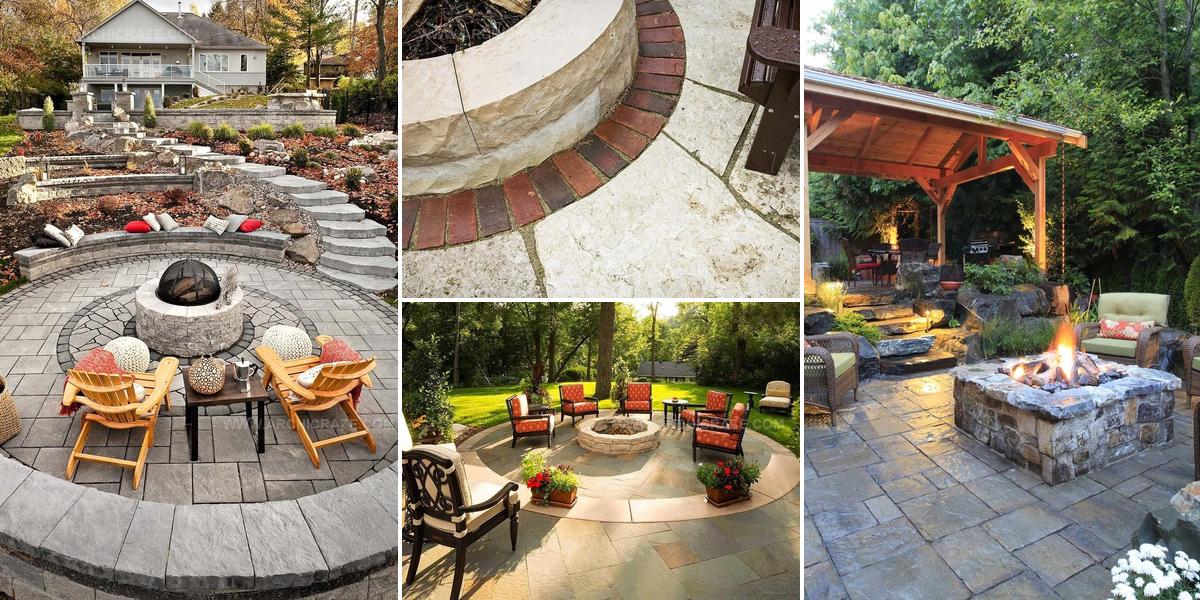
9 Fire Pit Design Elements That Make Outdoor Spaces Shine

Fire pit design elements shape the overall atmosphere and functionality of an outdoor space where people gather.
Choosing the right components can make the difference between a basic backyard feature and a welcoming focal point.
Materials like stone, brick, and metal each contribute distinct character while serving practical purposes.
Seating arrangements, lighting considerations, and surrounding landscaping all play important roles in crafting a cohesive look.
Safety features blend seamlessly with aesthetic choices when properly planned.
The combination of form and function determines how often friends and family will use the space.
Crackling Wood Flames Outdoors
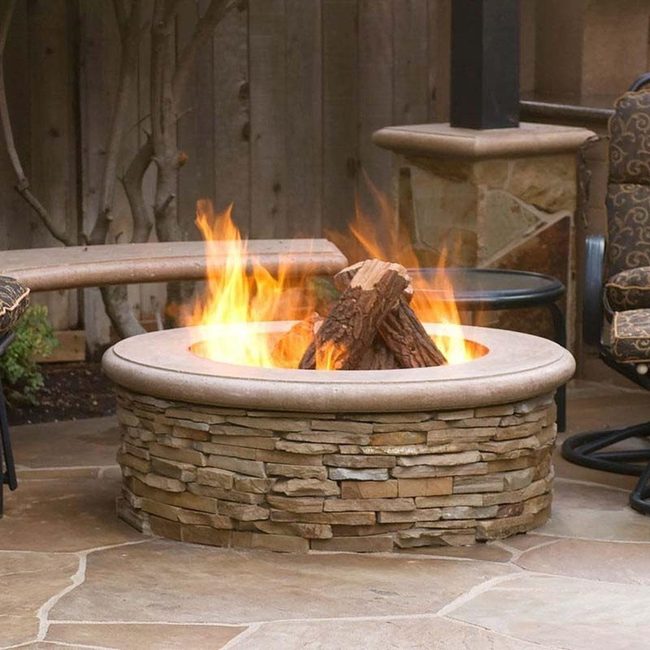
When you're setting up a fire pit, choosing the right fuel is where everything starts, and the options range from wood logs and charcoal briquettes to gas, propane, and natural gas - each one creates its own unique feeling in your outdoor space.
Wood-burning fuels deliver that warm, crackling sound many people love, giving off a genuinely cozy atmosphere that draws people together outside.
Charcoal takes a different approach by burning longer and producing far less smoke, making it handy if you want a fire that lasts without the heavy smell.
Gas options, whether propane or natural gas, do require you to handle them with care and pick the right tank sizes to keep everything safe and working properly.
Think about what matters most to you - whether that's the nostalgic feel of real flames or the convenience of easy lighting and cleanup.
Raised Stone Fire Pit
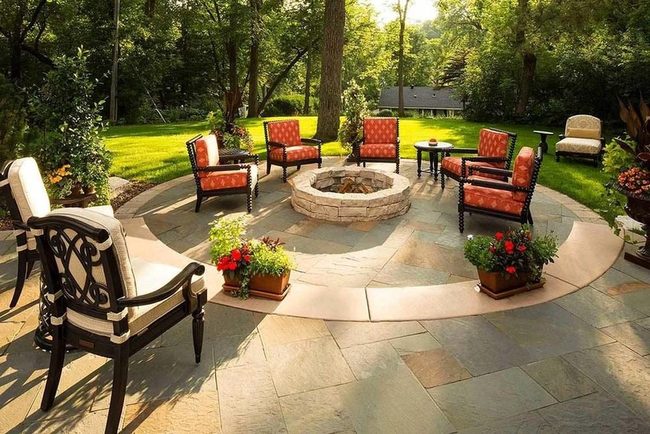
Fire pits make an excellent focal point for your outdoor area because they provide both warmth and light that draw people together.
Raised fire pits stand out visually and sit right at ground level, so you can use them for seating or simply as a striking decorative feature in your yard.
Building one of these is quite simple since the walls rest directly on the ground, which means even someone without much experience can manage the project successfully.
You will need to keep up with maintenance regularly, though, because weather exposure can cause wear over time.
If you prefer a different approach, sunken fire pits offer extra protection by channeling smoke downward and away from where you're sitting.
Both styles work well for outdoor entertaining and give you a reason to spend more time outside with the people you care about.
Stone-Framed Firepit With Glass Art
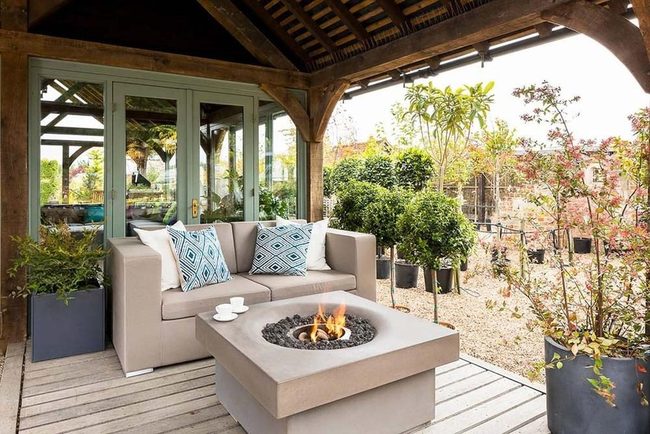
Firepit becomes more striking when you surround it with stones and statues that showcase your style while keeping safety front and center, so non-combustible materials like metal art or colored glass prevent fire risks and stand out beautifully against the flames.
Building a border with masonry stone or pavers lifts the whole look and grounds the space, while garden lights around the area glow warmly once the sun drops and people gather close.
Small plants such as heathers add nice contrast next to these materials and serve a practical purpose too - they define the area and leave room for stacking wood when the firepit sits empty.
Each layer of decoration works together to make the space feel organized and personal without overwhelming the design.
Flames And Stone Safety Circle
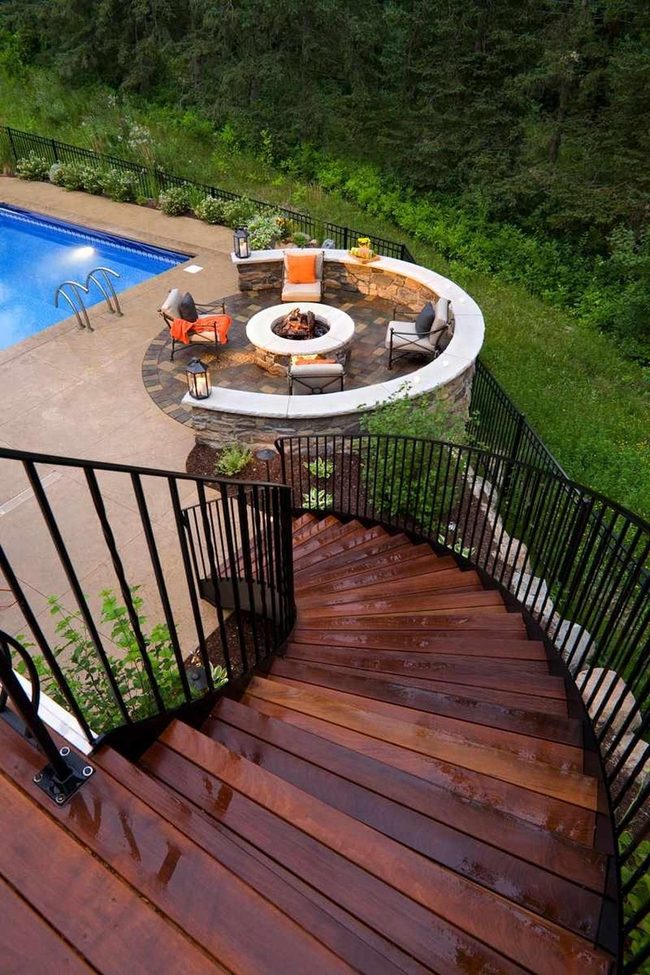
Firepit with roaring flames and glowing embers demands the smartest placement choices to keep everyone safe and happy.
You'll want to position it far from anything that can burn, including wooden decks, garden structures, and tree branches hanging overhead.
For tight outdoor spaces, an above-ground pit gives you flexibility and easy installation, while bigger yards allow room for a dug-in pit surrounded by sturdy stone walls.
Setting your firepit on level ground covered in gravel or stone pavers stops grass fires before they start and makes it simple for people to gather around comfortably.
Good air circulation matters too because it pushes smoke away from where you're sitting, letting everyone enjoy the warmth and light without getting annoyed by smoke in their faces.
We find that these straightforward decisions make the difference between a firepit that works well and one that causes headaches or hazards.
Open Air Fire Breathing
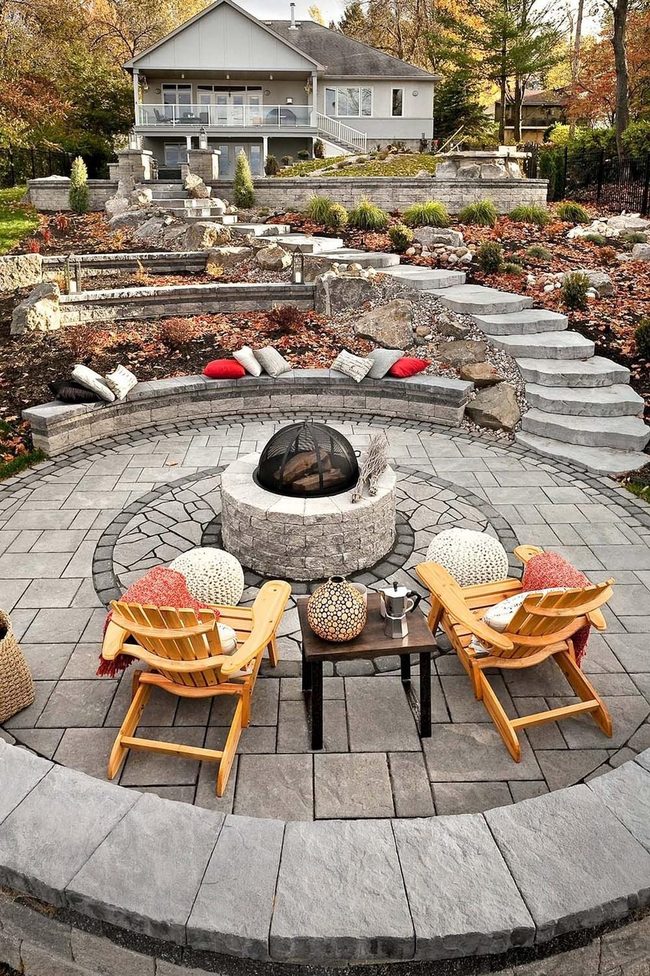
Keeping your fire pit positioned away from walls and barriers does wonders for how well it burns, letting wind flow freely around the flames and stopping smoke from gathering in one spot.
Fresh air is what feeds a fire, so good ventilation makes the combustion stronger and cuts down on smoke that might bother you or your family.
If you add a chimney or flue to your setup, it helps pull oxygen in as the hot air rises and draws cooler air from below.
Before you light the fire each time, take a moment to clear out any ash or old coal from the bottom.
This small task keeps the airway open so air can move through easily.
When you remove these obstacles, you get a much more efficient burn every single time you use your outdoor space.
I think people overlook this step, but it really does make a difference in how your fire performs and how much enjoyment you get from it.
Gravel-Lined Fire Pit Drainage
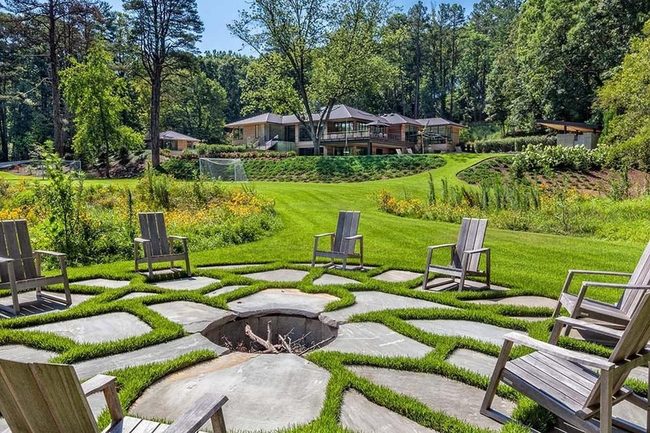
Water management becomes one of the most obvious concerns when you're building a fire pit, since standing moisture can cause rust, weaken the structure, and make your fire smoky and hard to light.
Picking a spot with natural slope away from your house or shed matters tremendously because rainwater will naturally flow downhill rather than pooling around your pit.
Digging shallow trenches in a circle around your fire pit keeps water moving outward and prevents it from collecting underneath.
Once you've got the location sorted, filling the bottom with crushed stone or gravel lets water drain through instead of sitting there and causing problems.
Using materials that allow air to pass through also helps evaporation happen faster so moisture doesn't linger around the wood or foundation.
When you handle drainage properly from the start, you can comfortably relax and enjoy warm nights gathered around the flames for many years without dealing with decay or safety issues.
Brick Fire Pit Safety
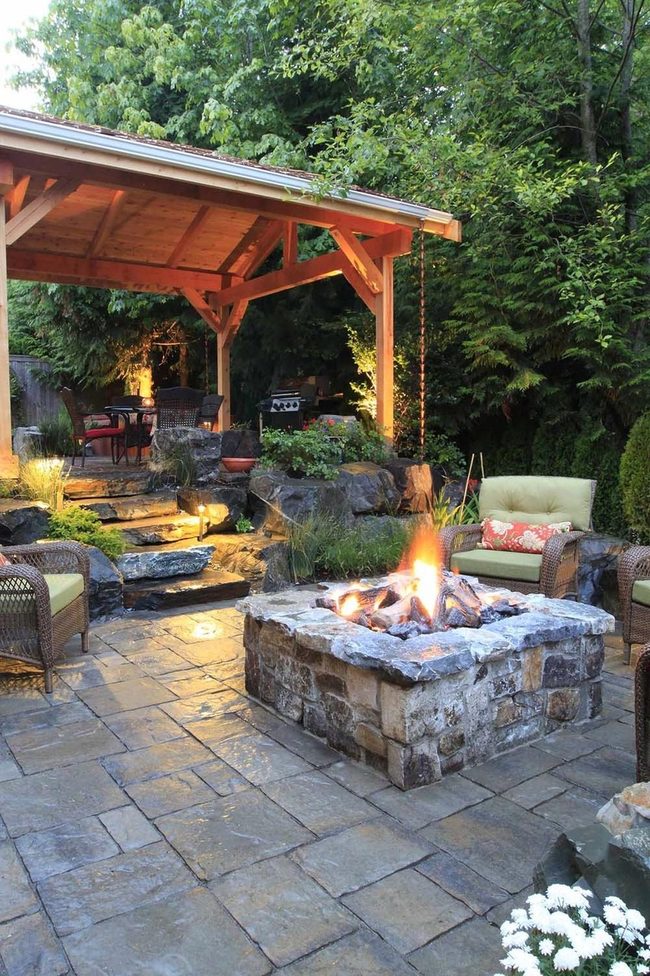
Safety should be your main concern when building a fire pit, so start by clearing the area around it of dry leaves, branches, and other things that might catch fire easily.
Keep good airflow moving through the space between your bricks with stabilizers so smoke doesn't build up and create carbon monoxide problems.
Have a water source nearby at all times in case something goes wrong and you need to put out flames quickly.
Getting the size right also matters quite a bit, and most experts say your pit walls should be between 12 and 18 inches tall with a depth of 6 to 8 inches so you can keep sparks from flying out into nearby areas.
Backyard Fire Pit Safety
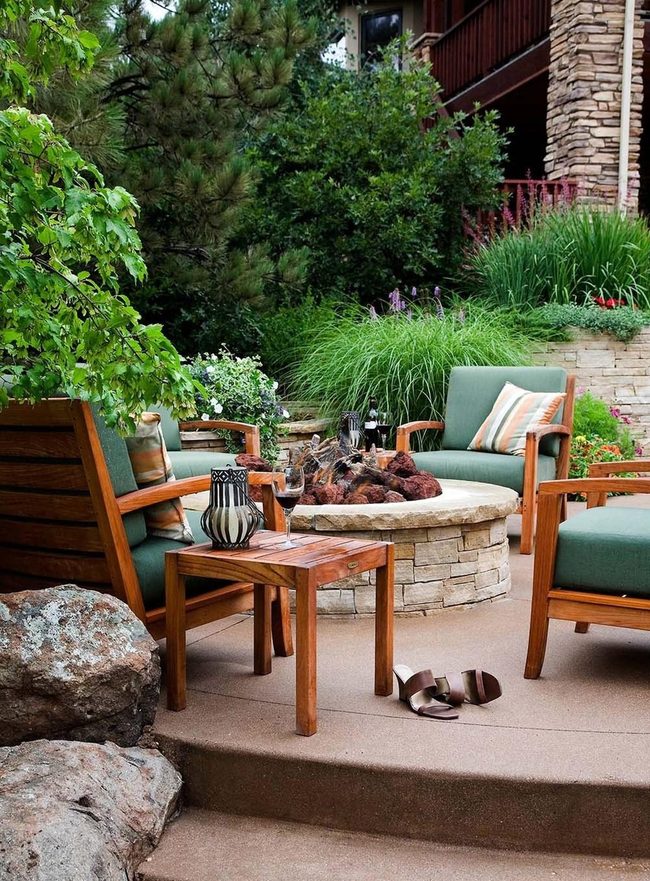
Meeting local fire pit regulations comes first when you're planning this outdoor feature, since permits, size limits, and placement rules exist to keep everyone safe and your setup working properly.
Understanding what your area requires helps you pick the right spot while keeping your structure far enough from your house and anything that might catch fire.
Good airflow matters too because it lets smoke move away from where you're sitting, which makes the experience much more pleasant when you're gathered around the flames.
Keeping anything flammable well back from your pit stops accidents before they happen and lets you relax knowing your space is secure for all those times you'll have people over.
Building your fire pit with both legal requirements and real safety practices in mind means you get a beautiful outdoor space that you can use with complete peace of mind.
Firebrick Foundation For Outdoor Pits
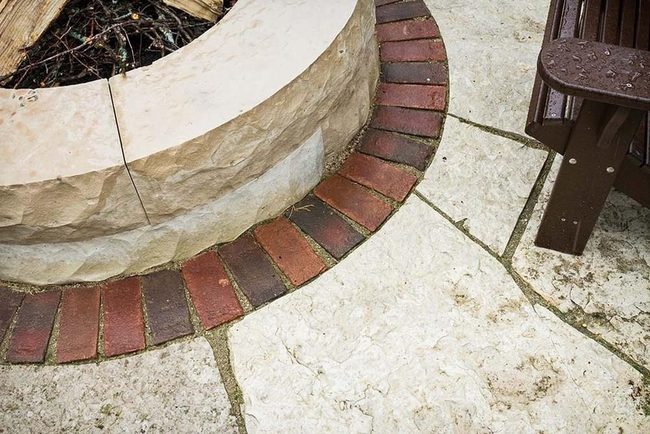
Building a fire pit requires careful thought about materials since you need something that looks good and keeps everyone safe.
Heat-resistant firebricks stand out as the top choice because they withstand extreme temperatures and last for years without cracking or deteriorating.
Stones and pebbles can make an in-ground pit more visually interesting, but they don't handle heat as well as specialized bricks do.
If you prefer ceramic tiles, pick ones specifically rated for outdoor use and high temperatures so they won't break when exposed to flames.
Regular cement won't work for this project since it cracks under intense heat and fails quickly.
Bricks deliver both stability and durability, making them a solid foundation that you can trust.
Each material has its strengths and weaknesses, so weighing your priorities between appearance and performance helps you pick what works best for your space.
Riley Summers
Co-Founder & Home Styling Expert
Expertise
Smart Space Planning & Layout Optimization, DIY Home Projects & Budget-Friendly Décor, Trend Forecasting & Sustainable Design, Practical Styling Solutions for Every Home
Education
New York School of Interior Design, New York, NY
Riley Summers knows that a well-designed home isn’t just about looks—it’s about function, comfort, and personality. As co-founder of [Brand Name], she specializes in smart space planning, trend-forward décor, and sustainable styling solutions.
With a background in interior architecture from NYSID, Riley helps homeowners maximize their spaces with clever layouts and easy DIY projects. She loves sharing budget-friendly decorating ideas that make high design accessible.
Outside of work, she enjoys strolling through NYC’s neighborhoods, discovering new design trends, and savoring a great cup of coffee.