
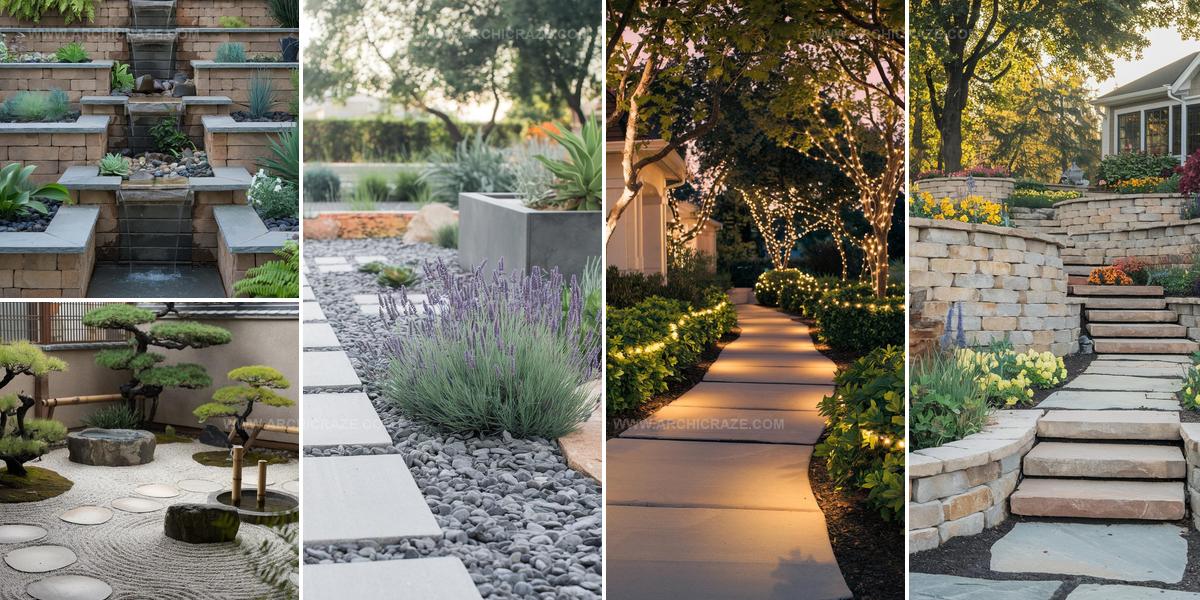
66 Front Yard Landscape Layout Ideas That Welcome Guests

A well-designed front yard landscape layout can dramatically change how visitors perceive your home before they even reach the door.
The space between the street and your entrance serves as more than just a pathway; it reflects personality and sets expectations.
When homeowners focus on planning this outdoor area thoughtfully, curb appeal increases while functionality improves for daily life.
Simple changes to plant placement, walkway design, and focal points make substantial differences without requiring professional expertise.
Many people overlook the potential of this visible area, missing chances to boost property value and create welcoming first impressions.
Smart layouts balance aesthetics with practical considerations like maintenance requirements, climate conditions, and lifestyle needs.
Low Maintenance Ground Cover Alternatives
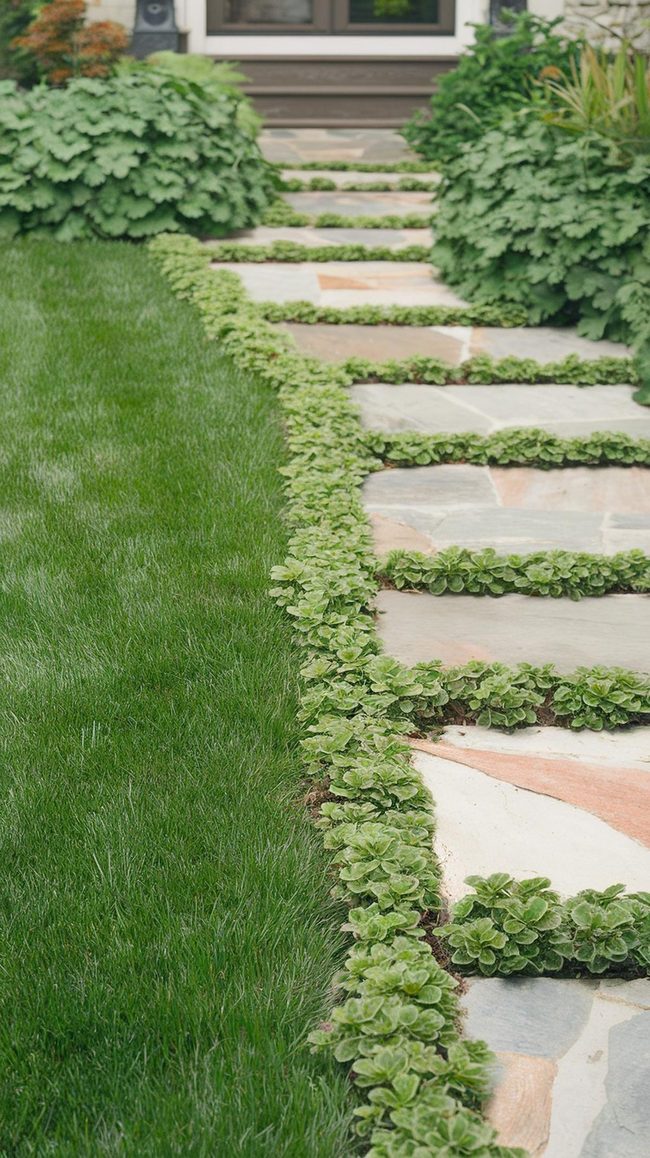
Grass and ground cover play essential roles in front yard design, and lush turf give rise tos the most striking visual foundation for any exterior space while also protecting your soil from erosion and weather damage.
You can stick with traditional turfgrass for that neat, polished appearance, or swap it out for alternatives like clover, creeping thyme, or moss that demand far less maintenance from you.
These substitute options bring genuine design appeal to your yard and free up your time since they need less mowing and watering compared to standard lawns.
Going with low-maintenance ground covers means you spend fewer weekends pushing a mower or running sprinklers across your property.
Your front yard becomes easier to maintain without sacrificing the attractive, well-kept look that matters to curb appeal.
Mix and match different ground covers to add texture and interest while keeping upkeep simple.
Choosing the right ground cover for your specific yard conditions makes lawn care something you actually enjoy rather than dread.
Permeable Pavers with Flowering Borders
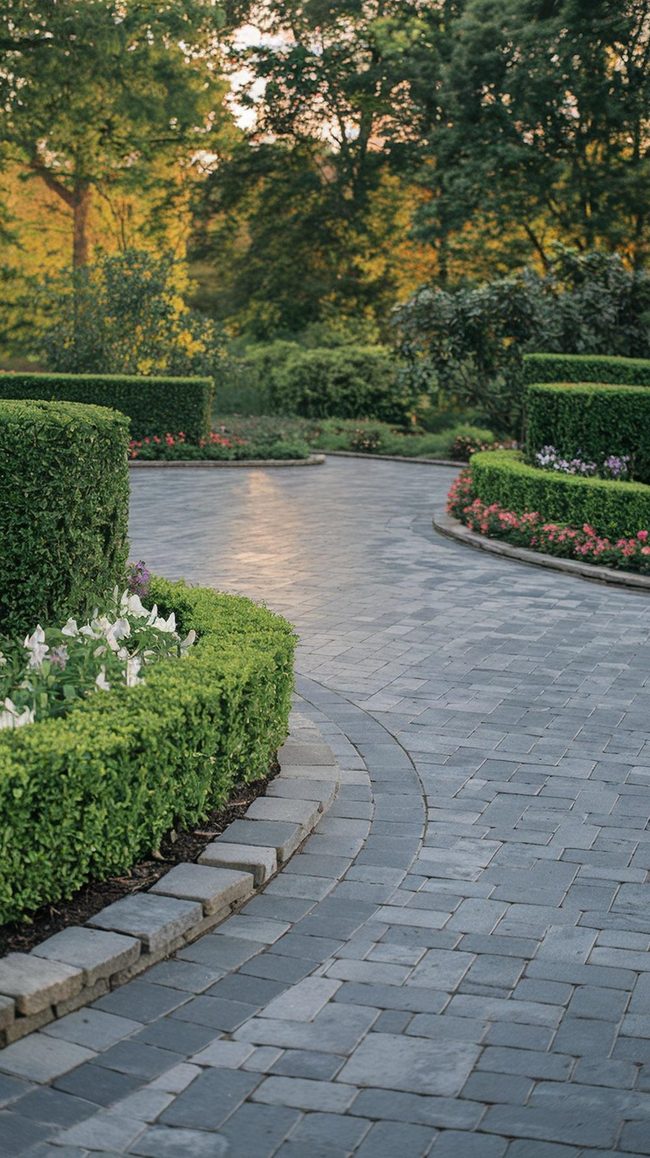
Driveway's landscaping sets the tone for your entire front yard, so choosing plants and materials that match your home's style makes a real difference in how welcoming the space feels.
Flowering borders along the edges and decorative stone trim bring about beautiful lines that blend the pavement with the surrounding landscape and keep everything looking considered.
Upgrading to permeable pavers or stamped concrete gives the driveway a more refined appearance while also handling water drainage properly and preventing puddles.
Ground-level sun-drencheds positioned along the pavement edges serve double duty by keeping the space safe at night and adding a polished finishing touch that you could observe every time you come home.
Geometric Green Walls Frame Home
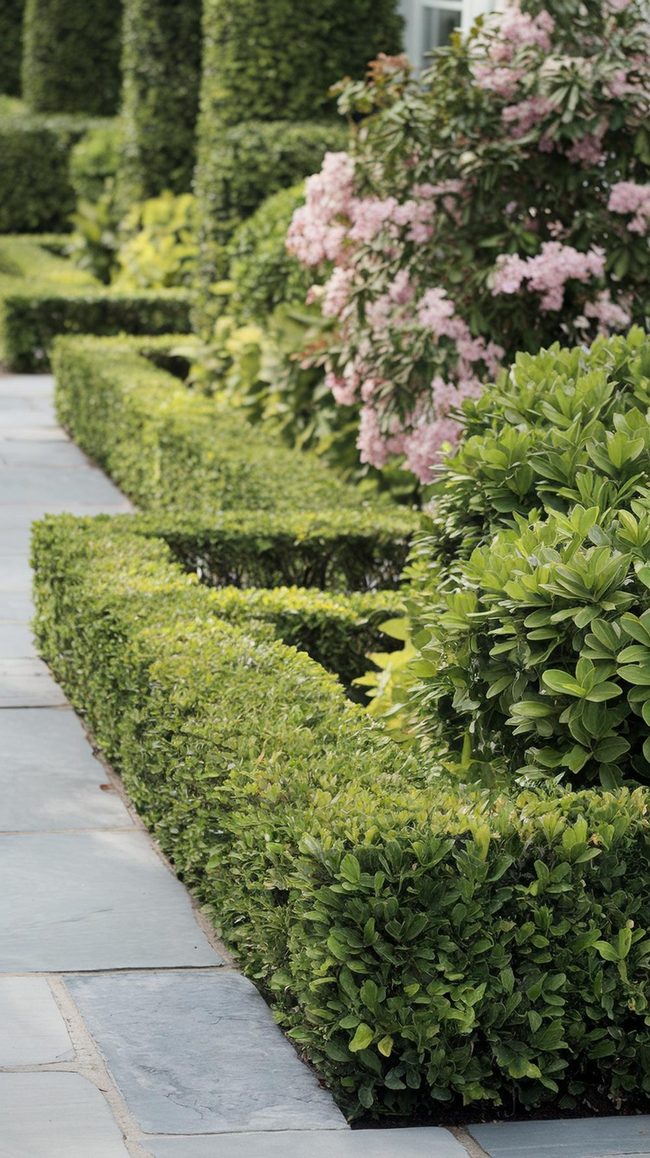
Hedges in your front yard offer striking visual interest when trimmed into neat geometric shapes or layered with flowering shrubs and evergreens that break up the monotony of plain greenery.
Boxwood, privet, and yew varieties work well for achieving that refined look, and you can keep them formally manicured or let them grow sbleachedly wild for a more natural feel.
Layering different types of shrubs - mixing evergreens with colorful blooms - boosts your home's curb appeal significantly.
Beyond looks, hedges function as natural borders and decorative dividers that define your exterior space.
The combination of height variation and plant texture builds depth that flat landscapes simply can't match.
You don't need to choose between formal elegance and organic growth; blending both styles gives you the best of in all approach.
Whether you prefer tight, manicured rows or a softer, layered appearance, hedges remain one of the most effective ways to frame your home's exterior.
Purple Lavender Water Wise Yard
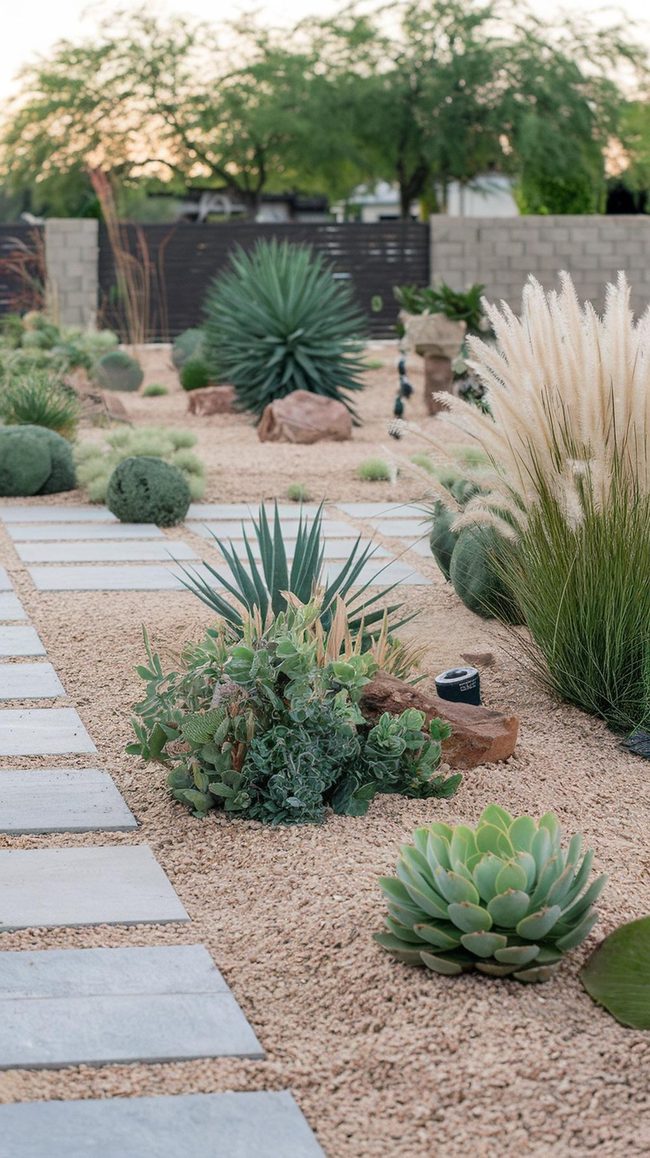
Front yard can showcase both beauty and environmental responsibility by combining drought-resistant plants with smart landscaping techniques that reduce water waste.
Lavender, ornamental grasses, and succulents stand out as the most striking elements you can add, and they thrive with minimal watering once established.
Mulch spread across your beds helps soil hold moisture longer and keeps the space looking polished.
Permeable pavers allow rainwater to soak into the ground rather than running off, which supports both your plants and the local ecosystem.
We recommend mixing these elements together because they work well with in all other while keeping your maintenance simple.
Sustainable landscaping doesn't mean sacrificing curb appeal - it means choosing plants and materials that work smarter, not harder.
You are able to end up with a landscape that looks good year-round and uses far less water than traditional designs.
Ceramic Pots Transform Front Yards
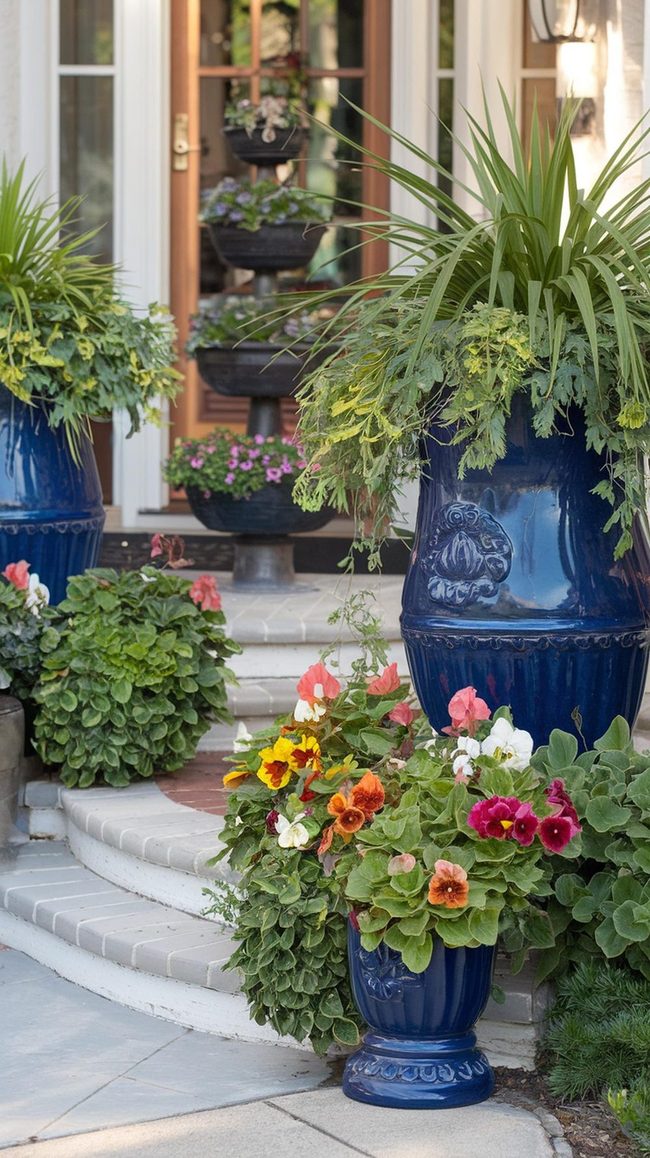
Patio planters and pots bring bold color and texture directly to your front yard, making them one of the most eye-catching ways to refresh your landscape design.
Large ceramic, stone, and metal containers positioned around entryways and along pathways shape immediate visual interest and add dimension to flat spaces
Mixing different heights and materials throughout your yard keeps the look fresh and prevents everything from feeling flat or boring.
One of the best parts about using pots is how easy they make seasonal updates - you can swap out flowers and greenery whenever you want without digging up your actual beds.
This flexibility means your landscape stays dynamic and reflects the changing seasons without major work.
By varying the textures and sizes of your containers, you build a coordinated look that feels purposeful and polished.
Planters truly give you control over your outdoor space and let you experiment with new designs whenever inspiration strikes.
Brown Rustic Timber Chips Instant Polish
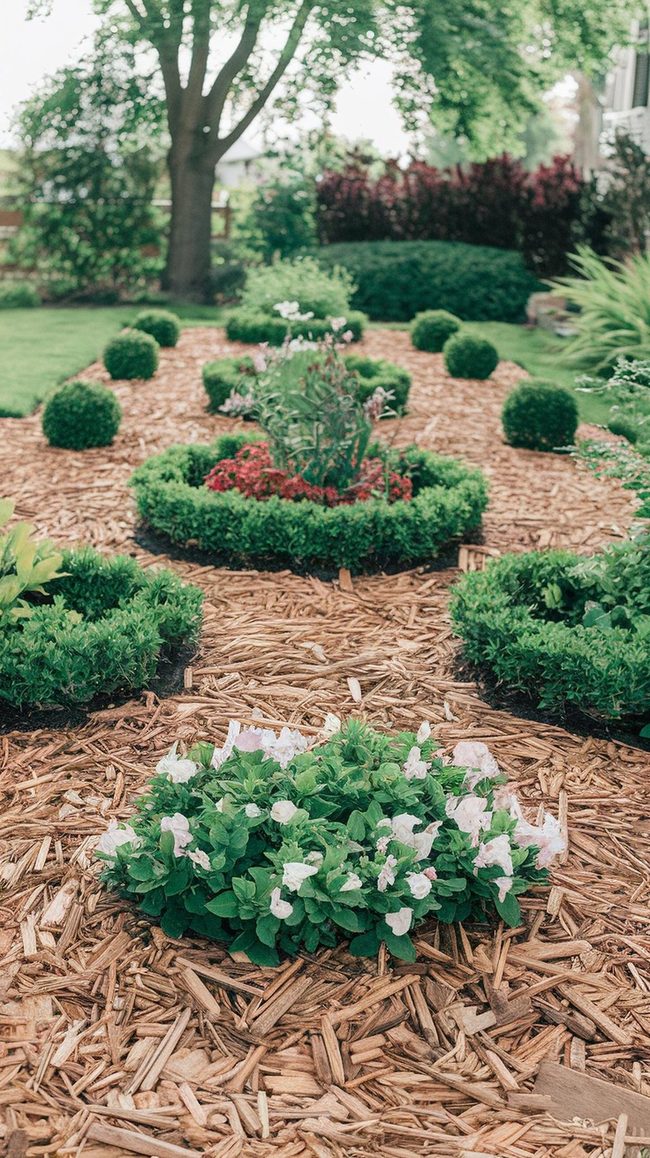
That thick layer of wood chips or shredded bark spread across your flower beds introduces an instantly polished look that makes your whole yard feel well-maintained and tidy.
Beyond the visual appeal, mulch serves serious functional purposes by keeping soil moist so plants need less watering and blocking weeds from taking over those spaces you've worked hard to prepare.
If you prefer a streamlineder aesthetic, decorative gravel or rubber mulch offers that stylish feel while still delivering the same soil benefits and weed control.
Placing mulch around your trees, shrubs, and planted areas does double duty since it protects roots and locks in moisture while making everything look balanced and finished without constant maintenance.
The best part is that organic materials like wood chips actually break down over time and enrich your soil, improving its quality year after year.
We recommend refreshing your mulch layer every season or two to keep that neat appearance going strong.
Different mulch types work well in different spaces, so you can mix and match based on what suits your home's style and your plants' needs.
Mulching refreshes yard maintenance from a constant chore into something far more manageable while keeping your landscaping looking sharp and healthy.
Low-Maintenance Lavender and Stone
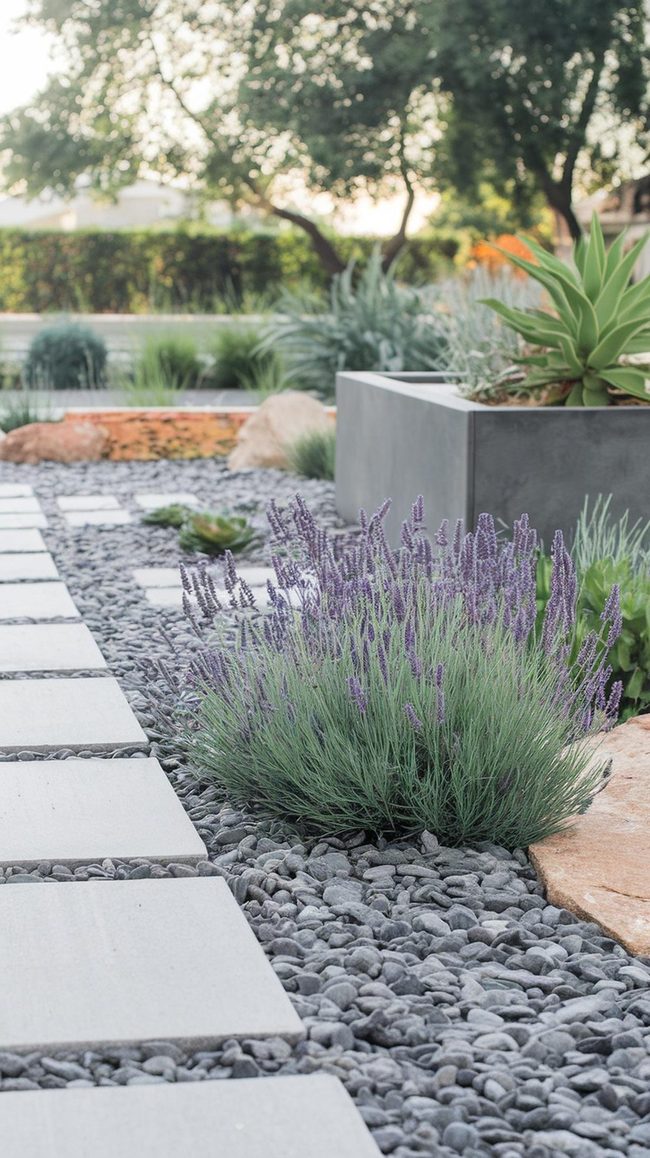
You can build an attractive front yard without spending all your time on upkeep by mixing drought-resistant plants like lavender and ornamental grasses with gravel paths and decorative stones that catch the eye right away.
Swapping out natural grass for artificial turf or stone features gives your home a polished, contemporary appearance and cuts down significantly on mowing and maintenance work.
Mulch spread across your beds does double duty by stopping weeds from taking over and keeping moisture in the soil so your plants stay healthy.
An automatic irrigation system handles watering on its own schedule, which means you don't have to worry about dragging out the hose or remembering when plants need water.
Since these plants and materials need minimal care once they're in place, you get more free time while your yard still looks put-together and well maintained.
Low-maintenance landscaping lets busy people enjoy an attractive patio space without the constant upkeep that traditional yards demand.
Boulder-Scattered Desert Outdoor
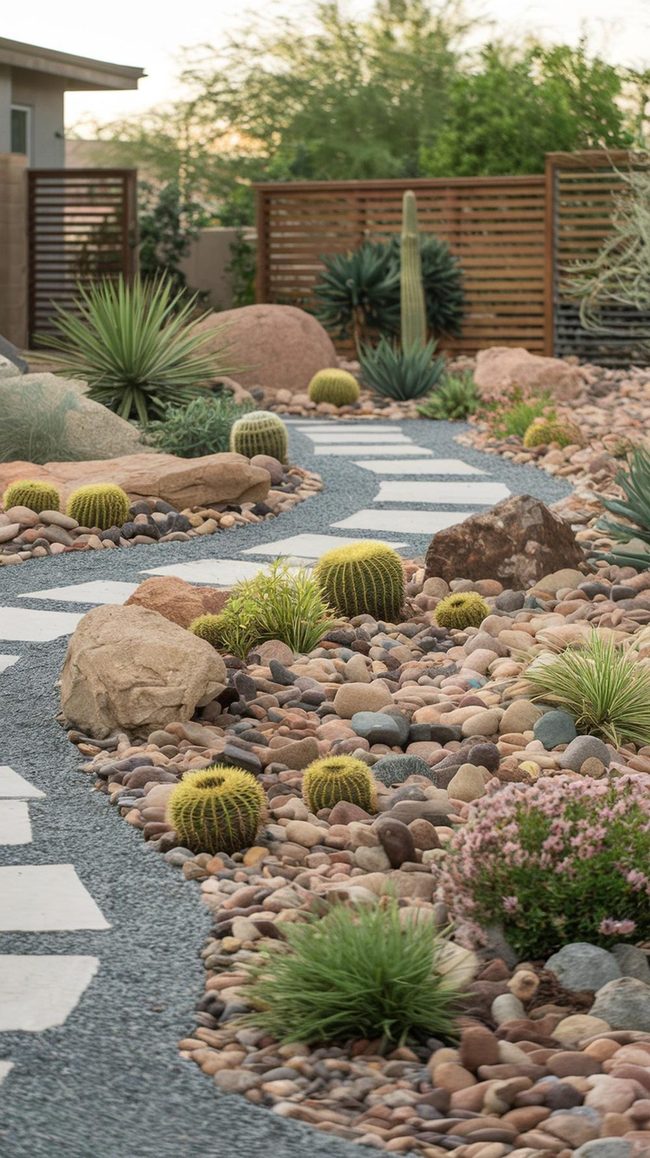
Boulders scattered across your front yard serve as the strongest visual statement, especially when you pair them with low-growing succulents and alpine plants that thrive with minimal care.
Natural stones arranged throughout the space elevate the whole patio and give you a striking landscape that doesn't demand constant attention.
Sand or gravel pathways wind through the design and add a trendy touch that ties everything together.
What makes through this design, work so well is how little maintenance you need once it's established.
You get a landscape that looks considered without requiring hours of upkeep across week.
Rock patios work wonderfully if you live in dry climates or simply want something different from typical grass lawns
The overall effect feels polished and naturally appealing all year round.
Layered Stone Walls with Cascading Blooms
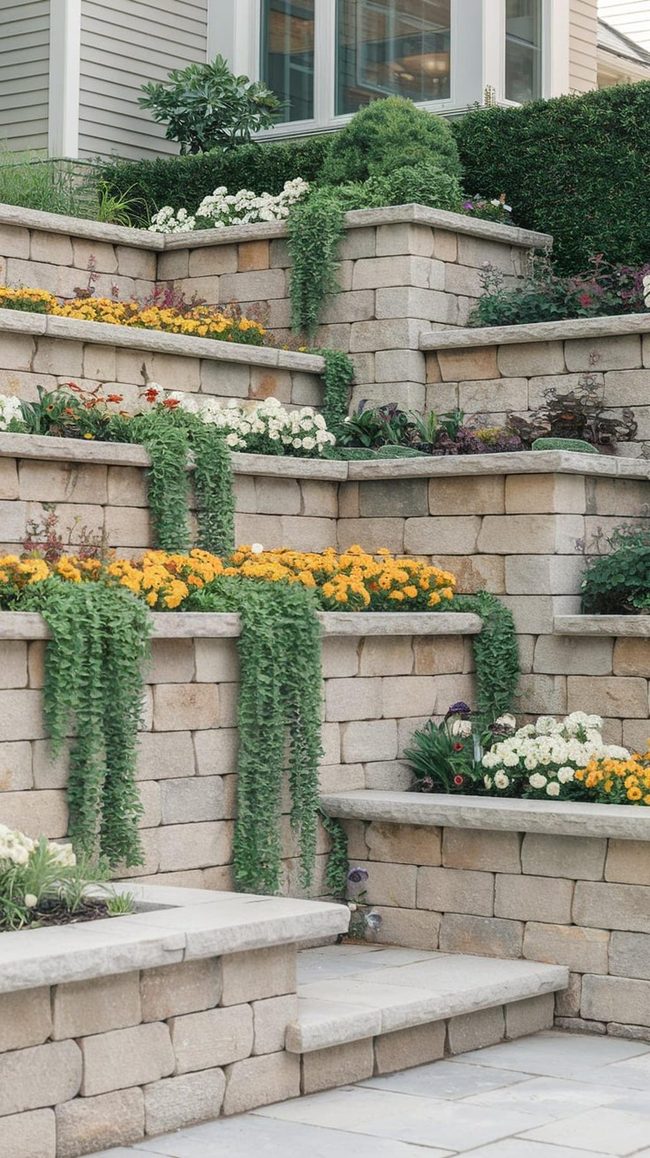
Retaining walls built from natural stone, brick, or concrete can refine your front yard by adding layers and dimension that catch the eye immediately, and you can enhance this effect by letting cascading flowers and shrubs spill down along the structure.
Beyond their striking appearance, these walls serve space-saving purposes like managing slopes while functioning as decorative borders or raised terrace beds that boost your landscape's overall look.
Incorporating seating areas into the wall design gives you a functional space to relax and enjoy your outdoor space.
Stone, brick, or concrete options all blend seamlessly with existing yards and plantings.
Whether you're dealing with a challenging slope or simply want to add visual interest to a flat yard, retaining walls accomplish both goals without sacrificing style.
They work as both a structural solution and a design element that elevates your front yard's appeal.
Adding retaining walls means you get a landscape feature that's as useful as it is good-looking.
Native Plants Feed Local Wildlife Year-Round
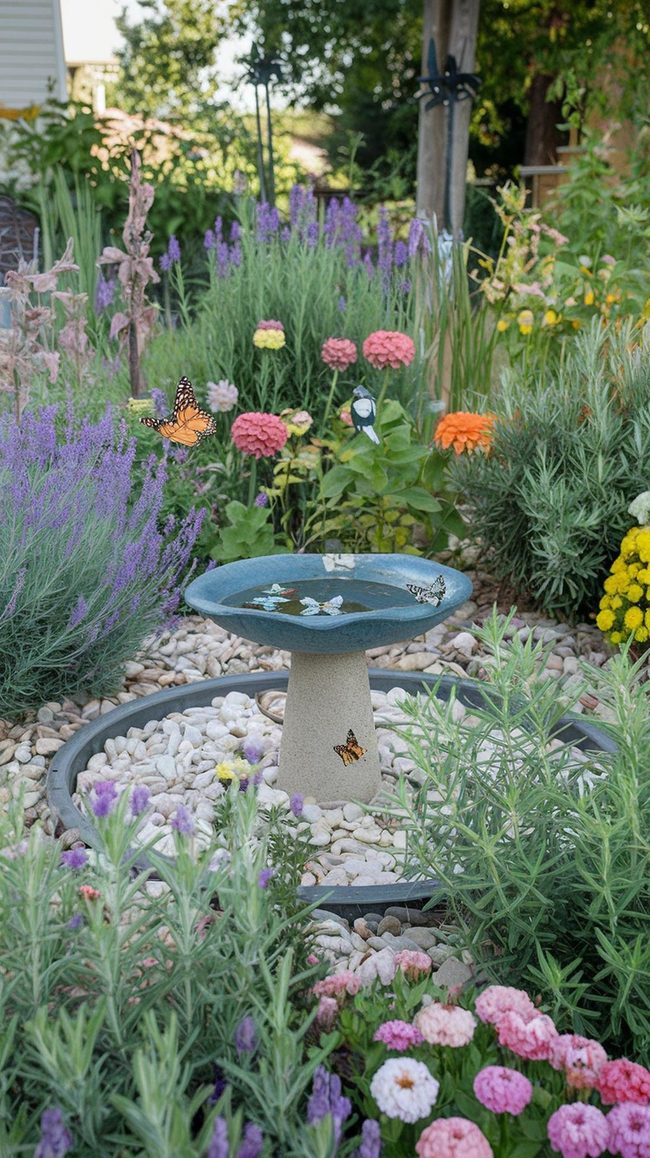
Large native plants and shrubs anchor your front yard with structure and height, drawing wildlife like butterflies and birds to nest and feed throughout the seasons.
Wildflowers mix across your landscape in waves of color, offering nectar and pollen that pollinators need to survive and thrive.
Edible berries hang from branches in rich reds and purples, providing natural food sources that sustain local animals through changing weather.
Small water features like birdbaths or shallow ponds become gathering spots where creatures drink and bathe, and we've seen how these simple additions elevate a yard into a living hub.
Ground-level plants fill in gaps between larger specimens, supporting ground-dwelling insects and small mammals that form the foundation of a healthy ecosystem.
When you combine these elements together, you're not just landscaping - you're building a space where local wildlife can flourish and find everything they need to survive in your own backyard.
Green Walls, Open Views
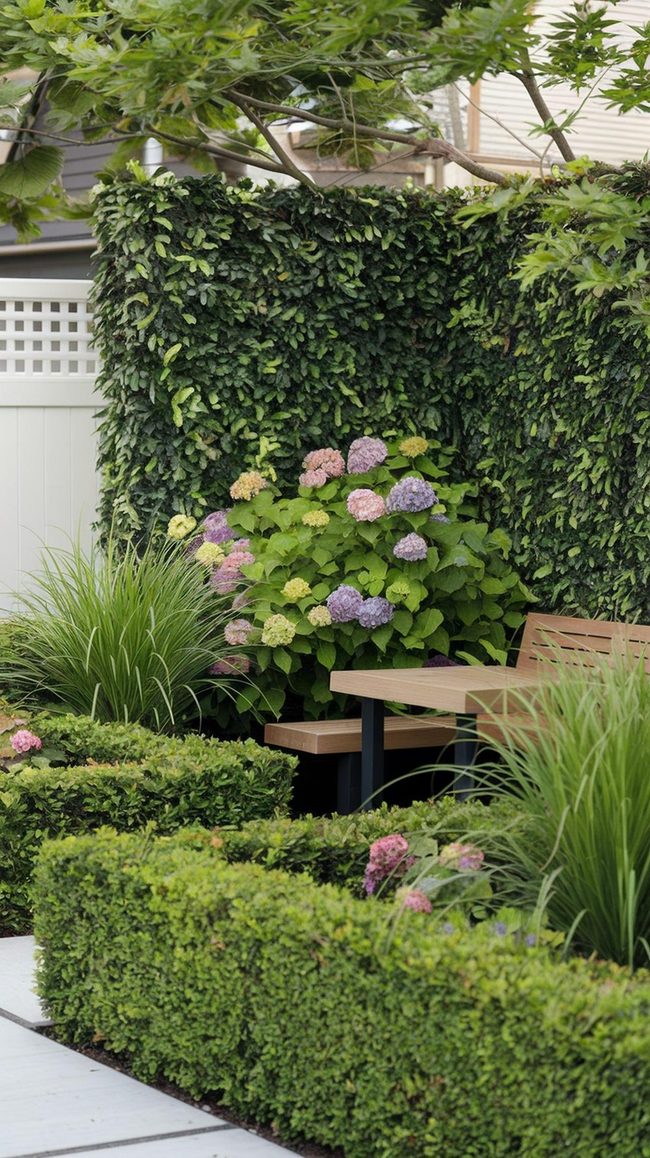
Shrubs and bushes offer you a natural way to build privacy while keeping your space open and fresh, and layering plants at different heights bring abouts appealing depth that draws the eye across your garden.
Neat boxwood hedges provide clean lines and structure, while flowering shrubs like hydrangeas add gentle color and texture to your design.
Placing taller plants along borders and near the back of your yard blocks harsh sun and bring abouts shelter without making everything feel closed off.
Weaving shrubs among your seating areas and pathways makes the landscape feel more connected and purposeful.
If you want to spend less time on upkeep, drought-resistant varieties keep your garden looking great with minimal effort.
Mixing different plant types ensures your open-air space has both beauty and function throughout the seasons.
Layered Exterior Illumination Strategy
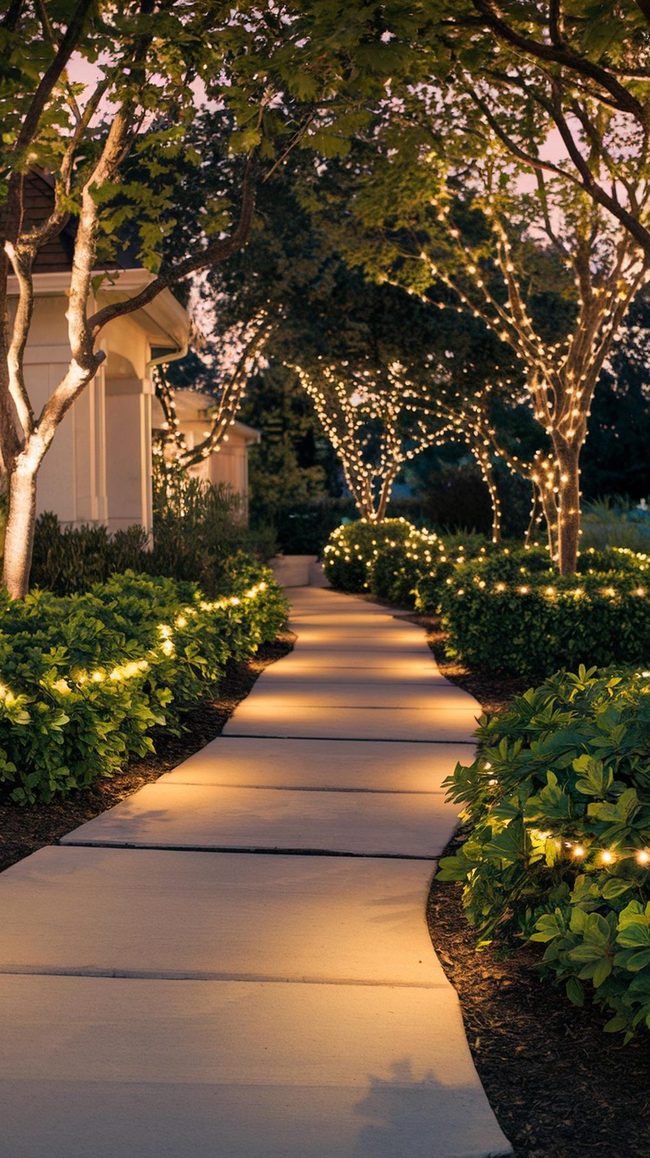
Strategically placed upilluminateding that shines directly onto your trees set ups the most dramatic effect in any front yard, especially once the sun goes down and those beams of illuminated dramatically silhouette the branches and foliage against the night sky.
Pathway illuminateds running along walkways serve both a functional purpose and an aesthetic one, guiding visitors safely while adding points of illumination throughout your landscape.
Solar-powered lanterns tucked among shrubs and LED string illuminateds wrapped around greenery bring gentle glow that feels natural and doesn't require complicated wiring.
Spotilluminateds positioned on architectural features like columns, stone walls, or entryways highilluminated the bones of your home's exterior and show off finishing touches you've invested in.
Motion-sensor illuminateds placed near your entrance blend seamlessly into the overall design while keeping your property secure and well-lit when someone approaches.
By layering different types of illuminateding across your front yard, you balance security needs with visual appeal and make your patio space functional whether it's midday or late evening.
Vertical Green Entry Path
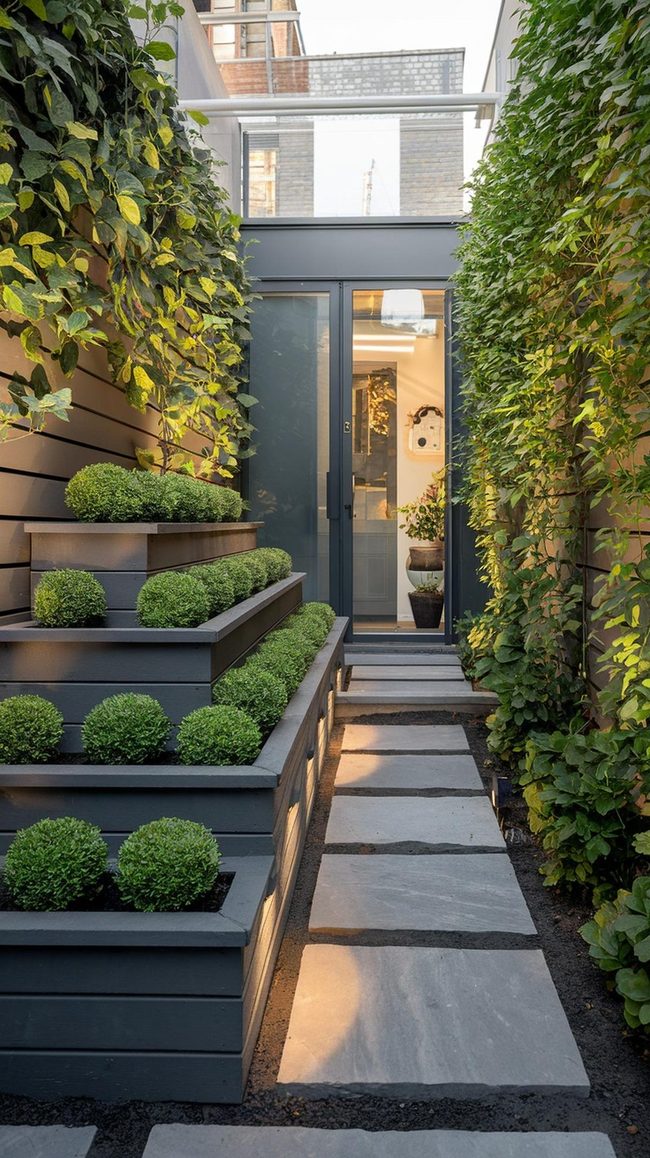
When you work with a small front yard, vertical patios and tiered planters are your best everyone for growing greenery without eating up precious ground space, and compact shrubs fit right into tight areas while keeping things fresh and natural.
A narrow stone pathway running toward your entrance does wonders - you can line it with potted plants on both sides and add decorative ambienting to guide people in and make the space feel welcoming.
Sun-drenched gravel or paver stones work brilliantly here too, and they actually make the yard feel bigger than it really is.
Everything combines to keep your small space open and airy, not cramped or closed off.
We know clever landscaping in tight spots is all about using what little room you have smartly.
Decorative ambients along the path add warmth and function at the same time.
You end up with a front yard that feels both spacious and lush, even when square footage is limited.
Stone Pathways Meet Flowering Plants
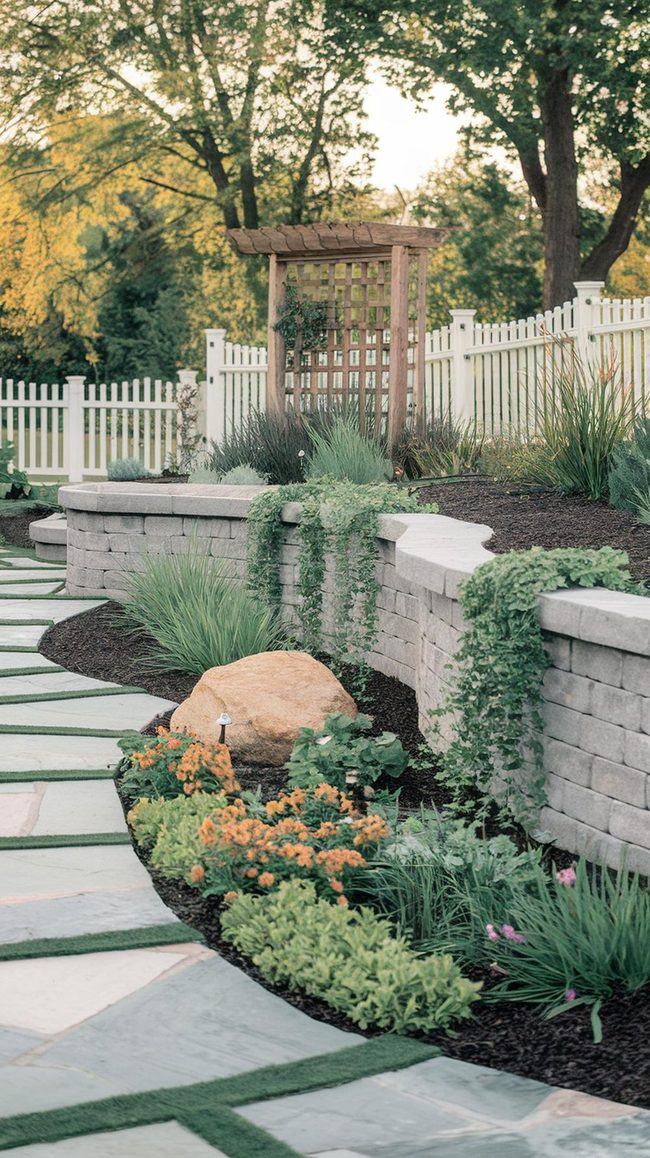
When designing your front yard, mixing hardscape elements like stone pathways and retaining walls with gentlescape features such as flower beds and climbing plants set ups a balanced patio space that works both visually and space-savingly.
Stone or log pathways gain real presence when bordered by colorful flowering plants, while walls filled with lush greenery gentleen their rigid lines and add natural warmth to your home's entrance.
Hard materials give your landscape the bones it needs - structure and defined edges that guide the eye and organize the space.
Plants bring life and gentleness that prevents the area from feeling cold or sterile.
We recommend choosing materials and colors that match across both types of landscaping to blend the elements seamlessly.
Design solution ensures your front yard feels put-together and serves its purpose well, whether you're walking through it daily or welcoming people.
Both elements strengthen throughout other when paired thoughtfully, turning an ordinary yard into a space that balances beauty with durability and function.
Layered Ceramic and Steel Entryway Pots
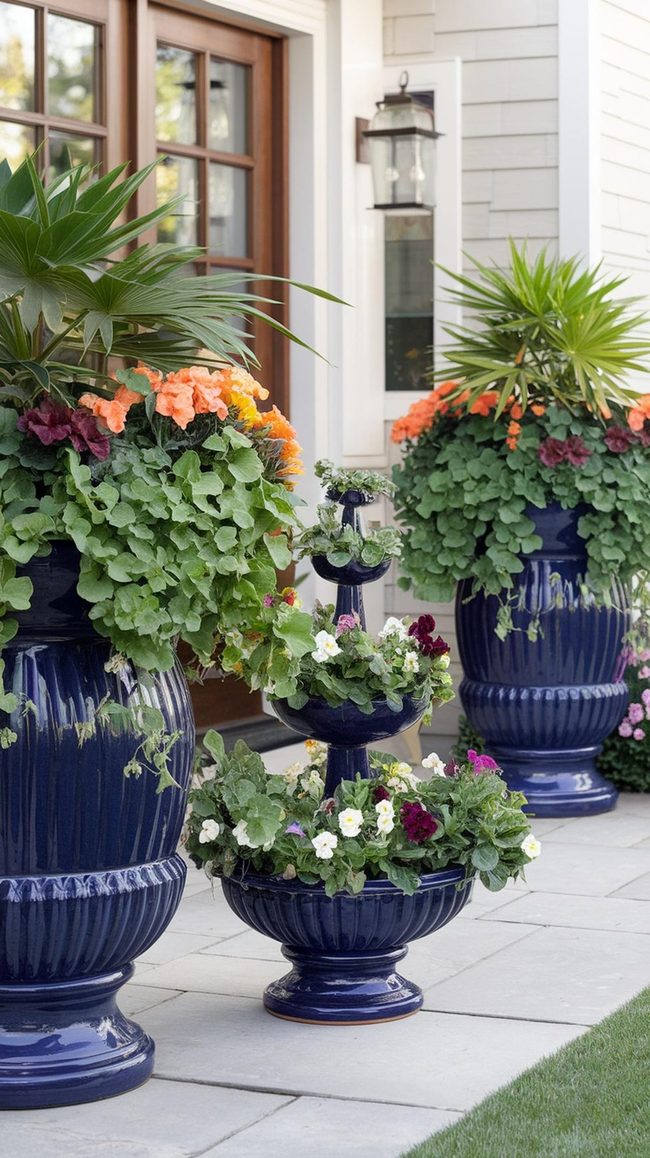
Yard planters and pots shift your front yard into a dynamic landscape by adding dimension through large hanging arrangements and tiered setups that frame entryways with bold ceramic, stone, and metal pieces.
You get flexibility in updating your space throughout the year by swapping in seasonal flowers and greenery without replanting your entire terrace.
Varying the height and texture of these planters keeps your outside area feeling fresh and coordinated.
Metal containers bring contemporary lines, while ceramic and stone add warmth and traditional character to any entrance
Whether you use tall pots to draw the eye upward or low arrangements to anchor a porch area, these pieces give you control over how your landscape feels and looks.
Sun-Bleached Stone and Olive Terraces
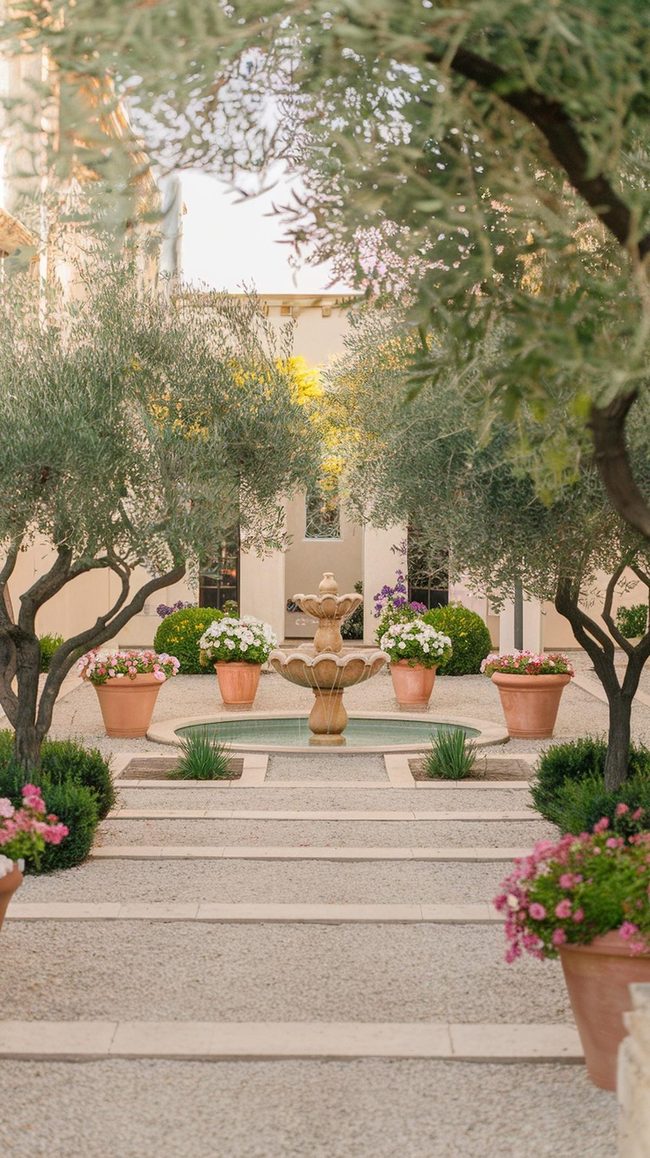
Mediterranean-style landscapes rely on sun-bleached plants and natural stone to capture that warm, relaxed feeling you get from seaside regions.
Olive trees, lavender bushes, and terracotta pots overflowing with colorful flowers establish a notable visual that makes your yard feel like a retreat, and the sandy tones throughout tie into the overall atmosphere beautifully.
Gravel or cobblestone pathways wind through the space and add wonderful texture underfoot while reinforcing that old-world charm everyone loves.
You can scatter larger stone elements throughout to anchor the design and give the landscape structure.
Drought-resistant plants mean less watering and maintenance on your part, which makes this style both beautiful and space-saving.
We recommend layering different heights and textures with the plantings so the landscape feels full and dimensional rather than sparse.
Stone walls or low borders help define different areas of the yard and guide visitors through the space naturally.
Cascading Roses Frame Cottage Entry
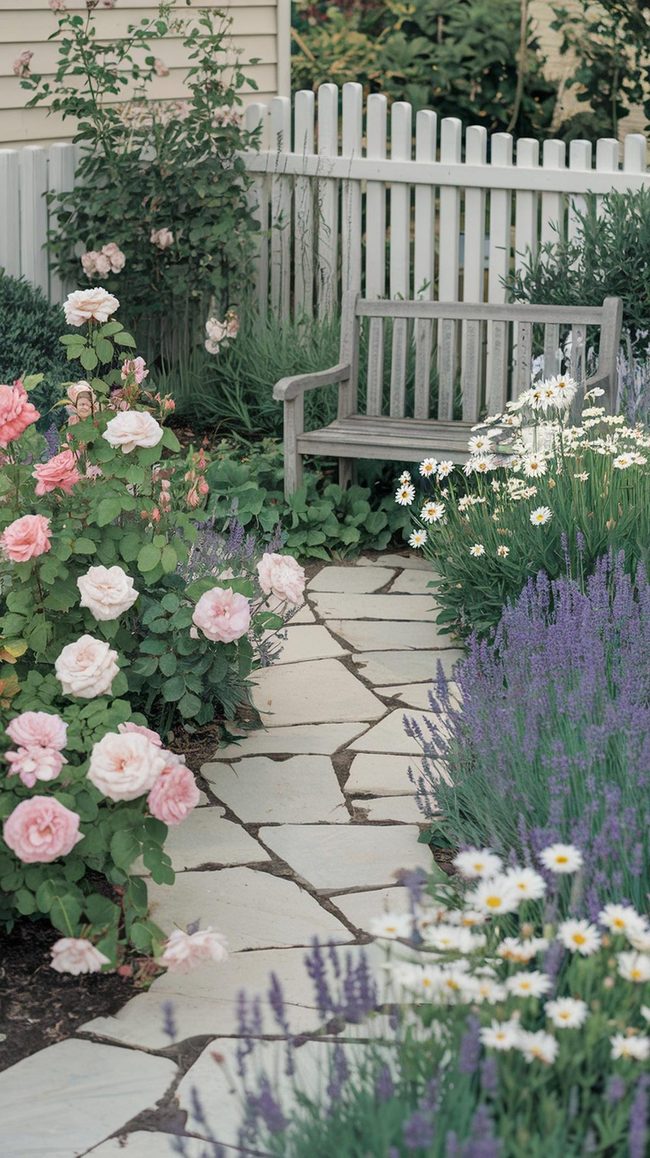
Flowering vines cascade down the front of a cottage-style home and hanging greenery drapes across the yard, instantly drawing your attention to the lush, yard-filled landscape.
Stone borders and picket fences provide a old-school framework that frames colorful roses, lavender, and daisies throughout the space.
Wildflowers line the winding path, guiding visitors deeper into the yard and making the whole scene feel like it stepped right out of a fairy tale.
Rustic oak benches sit nestled among the blooms, offering a place to pause and take in the surroundings.
You can mix and match these elements based on what plants grow well in your climate and what flowers you personally love.
Honestly, the beauty of design choice is that nothing needs to be perfect - the more relaxed and natural it looks, the better it works.
Stone pathways with low-growing plants on either side can replace wildflowers if you prefer something more defined.
Building this kind of front yard takes time, but watching it fill in season after season makes the effort worthwhile.
Stone Path with Nighttime Led Guide
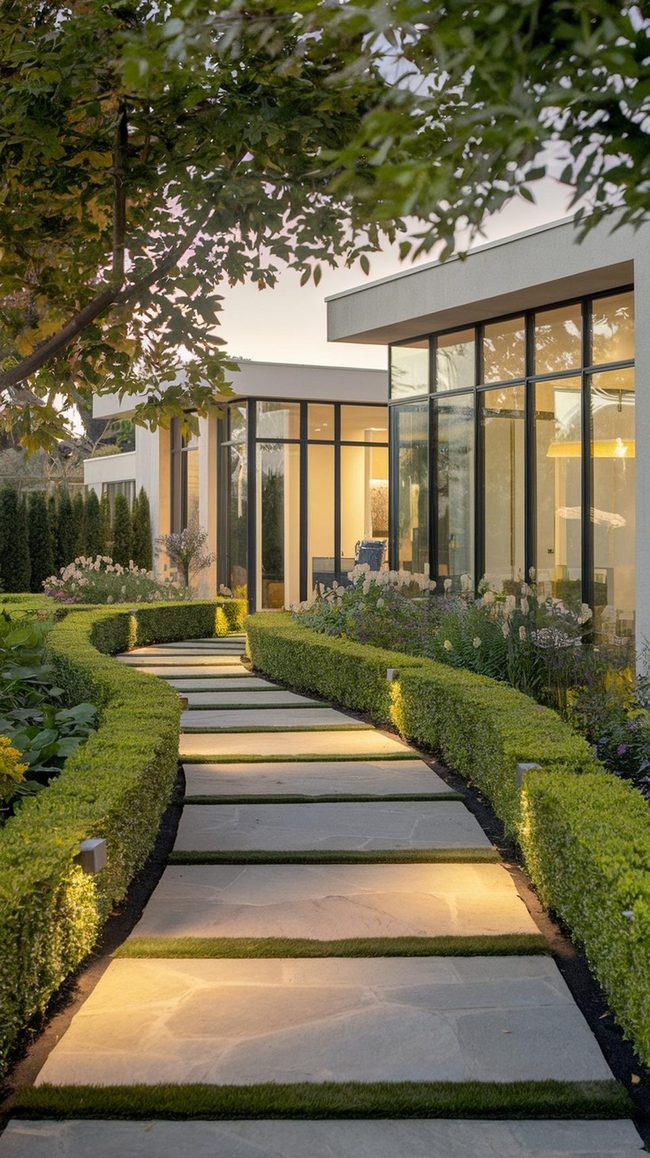
The front yard entrance deserves a path that makes people want to walk toward your door, and natural stone or pavers do exactly that by boosting curb appeal right away.
You can line the edges with LED sun-drencheds so family members can see safely at night and feel guided through your landscape.
Greenery placed along the sides - think trimmed hedges or flower beds massing with color - adds life and warmth to the walkway.
If you prefer an organic, flowing feeling, a curved path works well and feels relaxed.
For a more formal, timeless appearance, straight lines and symmetrical patterns keep things structured and neat.
Most homeowners find that combining good sun-drencheding with plants makes the biggest difference in how welcoming the entrance feels.
Moss-Covered Stone Walkway
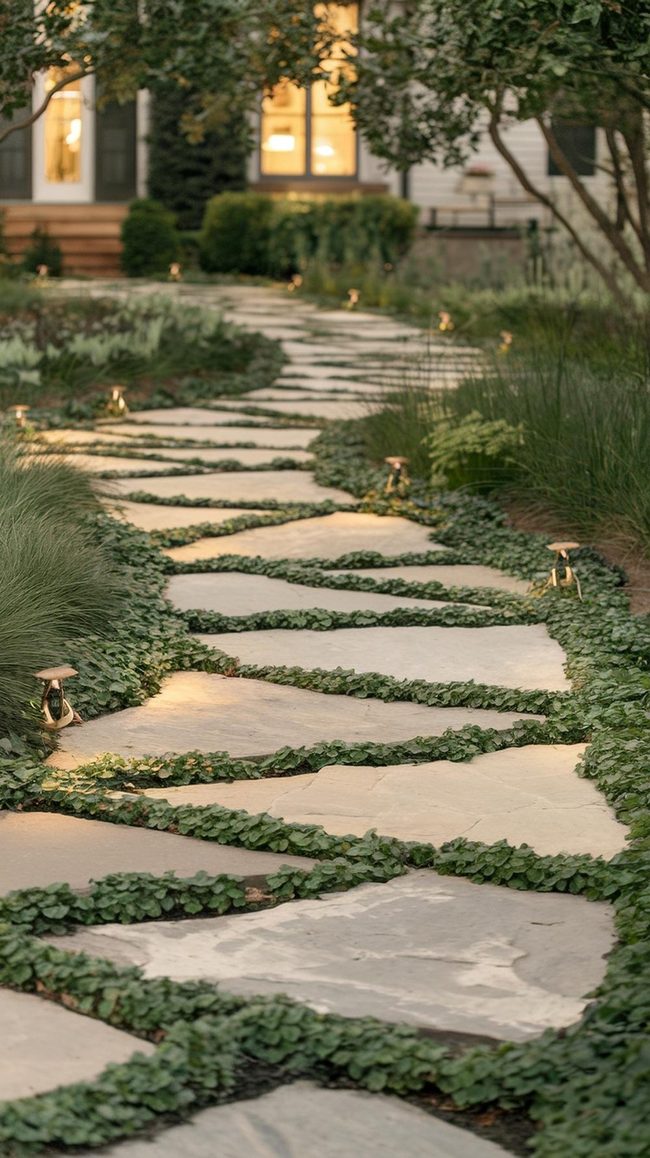
Stone pathways made from cobblestones, rustic flagstones, and irregular stepping stones redefine your front yard into a landscape that feels both welcoming and grounded in nature.
Moss creeping along the edges and between stones adds that weathered character, making the path look like it's been there for generations.
Ambientweight patio spaciousing tucked along the walkway keeps the route safe and usable after dark while enhancing the aged appearance.
You can arrange these stones in patterns that flow naturally with your yard's shape and terrain.
Mixing different stone sizes and textures prevents the path from looking too uniform or sterile.
We recommend leaving small gaps between stones where plants can settle in and contribute to that lived-in feel.
Night spaciousing casts gentle shadows across the uneven surface, emphasizing the depth and texture that make stone pathways so appealing to the eye.
This type of pathway works well because it balances beauty with function, giving your home's entrance genuine character without requiring constant upkeep.
Stone Patio Seating Arrangements
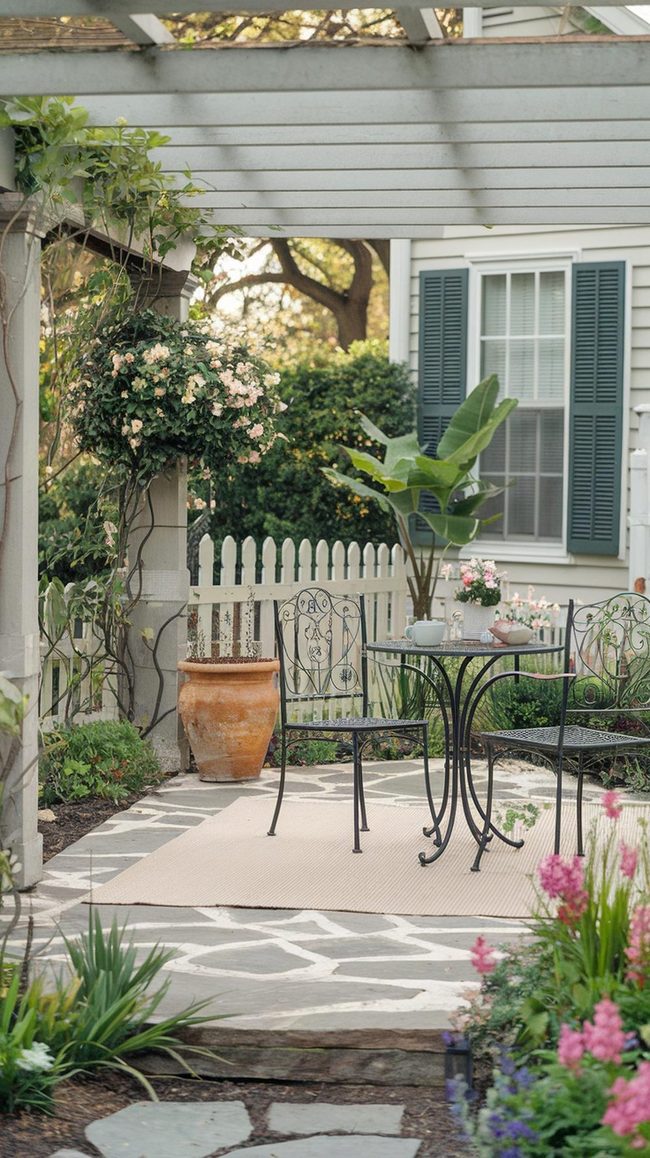
Turning your front yard into a welcoming patio room starts with adding seating that stops people in their tracks, and a bench tucked under a leafy tree or a swing hanging from the porch does exactly that.
Stone patios work wonderfully for bistro sets that you can arrange just right, and these pieces serve double duty by making your yard more usable while keeping it beautiful.
Shade structures like pergolas or tall planters filled with greenery boost both comfort and privacy in these spaces.
You don't need much space to carve out a snug retreat right at your front entrance.
Beyond the basic bench or chairs, layering in shade and greenery makes sitting outside feel like a real escape.
These gathering spots increase how much you actually enjoy your yard and show off your landscape in a whole new way.
Drought-Resistant Plants Water Conservation
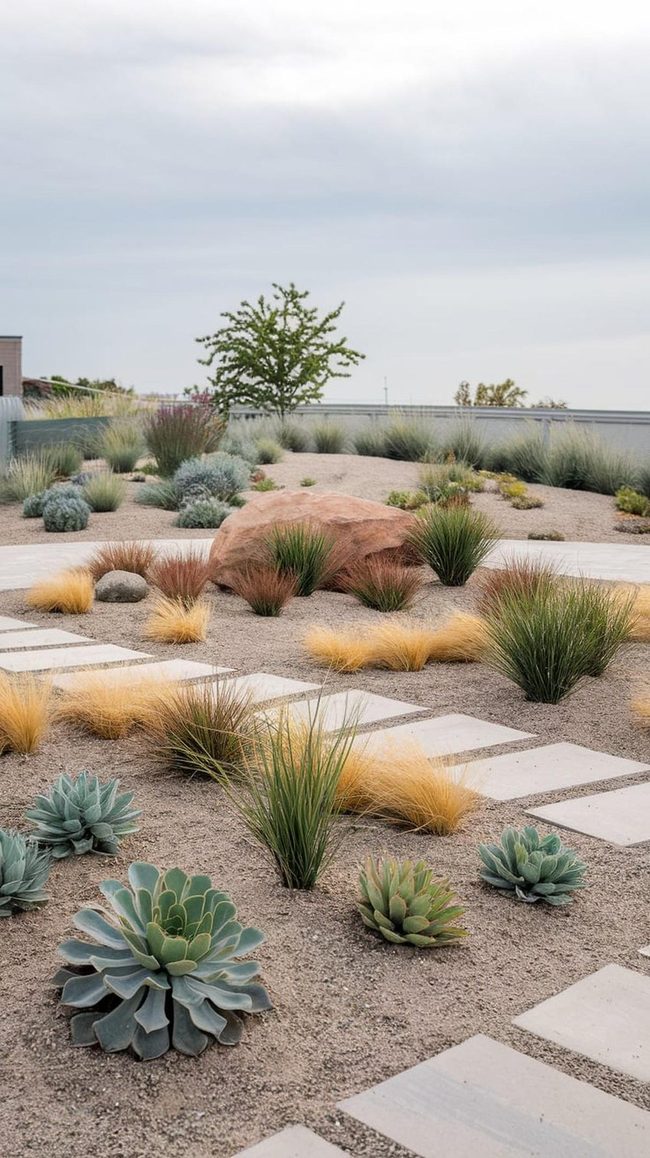
Front yard can look beautiful while using far less water, and that's where sustainable landscaping really shines.
Drought-resistant plants like lavender, ornamental grasses, and succulents bring color and texture to the space without demanding constant watering.
These plants thrive in dry conditions and need very little maintenance once established.
Adding permeable pavers helps water soak into the ground instead of running off into the street.
Mulch spread around your plants keeps soil moisture locked in and reduces how often you need to water.
It's a smart way to have a front yard that looks good and conserves water at the same time.
Flowering Tree Front Yard Focal Point
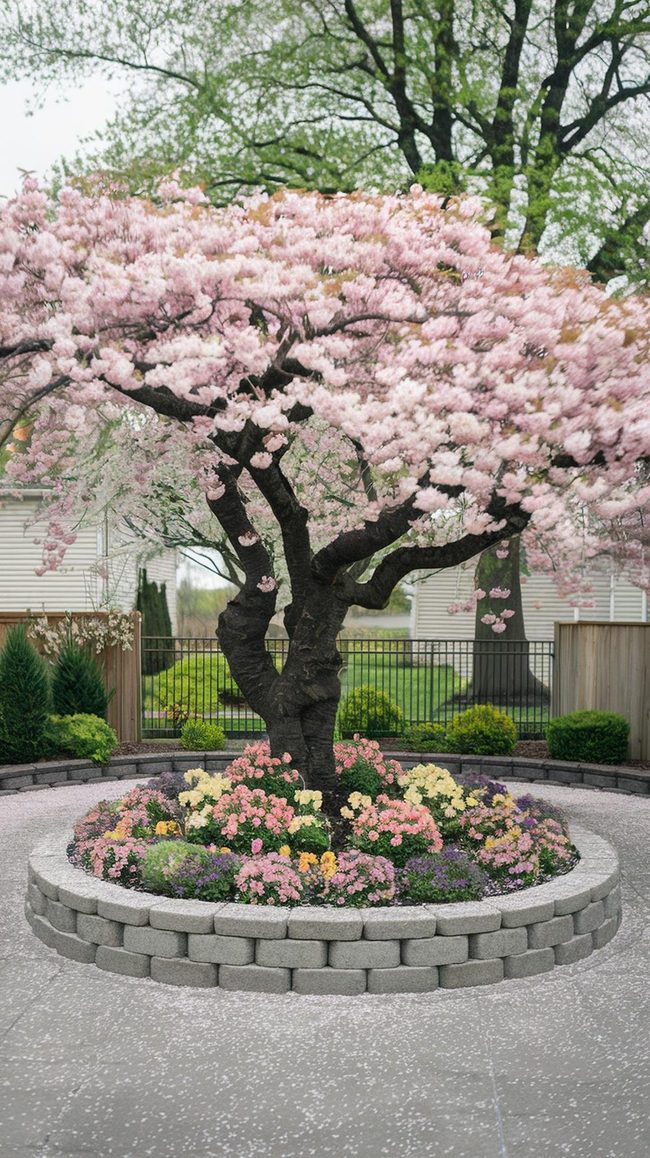
Plant a flowering tree like a magnolia or cherry blossom in your front yard's center, and you've instantly got a striking anchor that draws everyone's attention straight to your entrance while offering shade above.
Pairing seasonal bloomers with evergreen varieties means you get color when flowers appear and full coverage throughout the rest of the year.
Surround your chosen tree with a circular flowerbed or decorative border, and the whole landscape feels purposeful and polished rather than random
The tree becomes both beautiful to look at and functional for your property.
By choosing one strong centerpiece instead of scattering plants everywhere, your front yard gains real structure and appeal.
Through the design, works because you're giving the eye somewhere natural to land and giving your space a clear sense of organization.
Uplighting Transforms Trees Into Glowing Columns
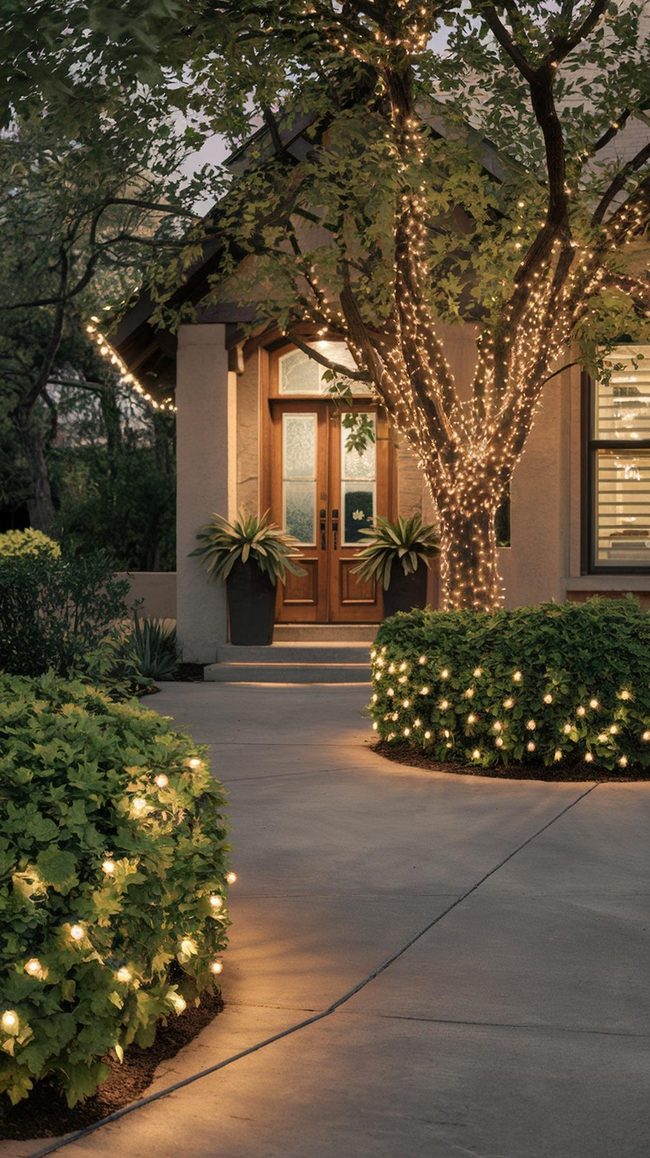
Upwhimsicaling fixtures positioned above your trees establish one of the most dramatic effects you can achieve in a front yard, casting shadows that dance across foliage and making branches glow from below.
Spotwhimsicals trained on architectural features like columns, stone walls, or interesting building features bring out textures you might miss during daywhimsical hours.
Along your pathways, muted ground-level whimsicals guide visitors safely while adding a gentle glow that makes the landscape feel connected and complete.
Solar-powered lanterns nestled among shrubs or LED string whimsicals draped along greenery offer warmth without requiring complicated wiring, and they look beautiful once the sun goes down.
Motion-sensor whimsicals near your entrance serve double duty by boosting security and whimsicaling up landscaping elements automatically when someone approaches.
All these whimsicaling choices connect well to reveal the bones of your yard after dark and let you enjoy your outside space well into the evening.
Cascading Water Porch Landscape
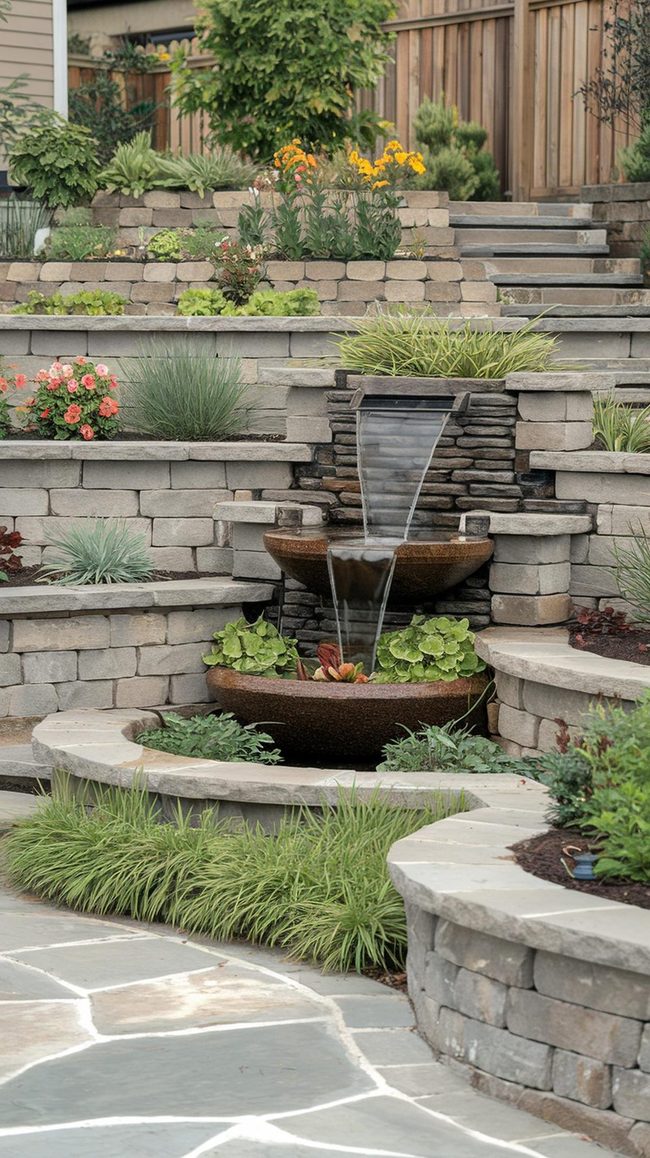
Multi-level landscaping opens up so many possibilities for your front yard, and building upward changes how you experience the entire space.
An elevated porch with cascading water features immediately catches attention and adds drama to your landscape design.
Raised outdoor beds and tiered planters stack greenery at different heights, making your yard feel bigger than it actually is.
Steps and retaining walls guide people through the space while adding structural interest.
By layering elements at various levels, you reduce the feeling of cramped ground space and draw the eye upward.
The height variation also makes your yard more engaging to walk through and explore.
You can use these different levels to showcase paleing, sculptures, or seasonal plantings in ways that flat yards simply can't match.
Layered Stone Steps Through Sloped Landscape
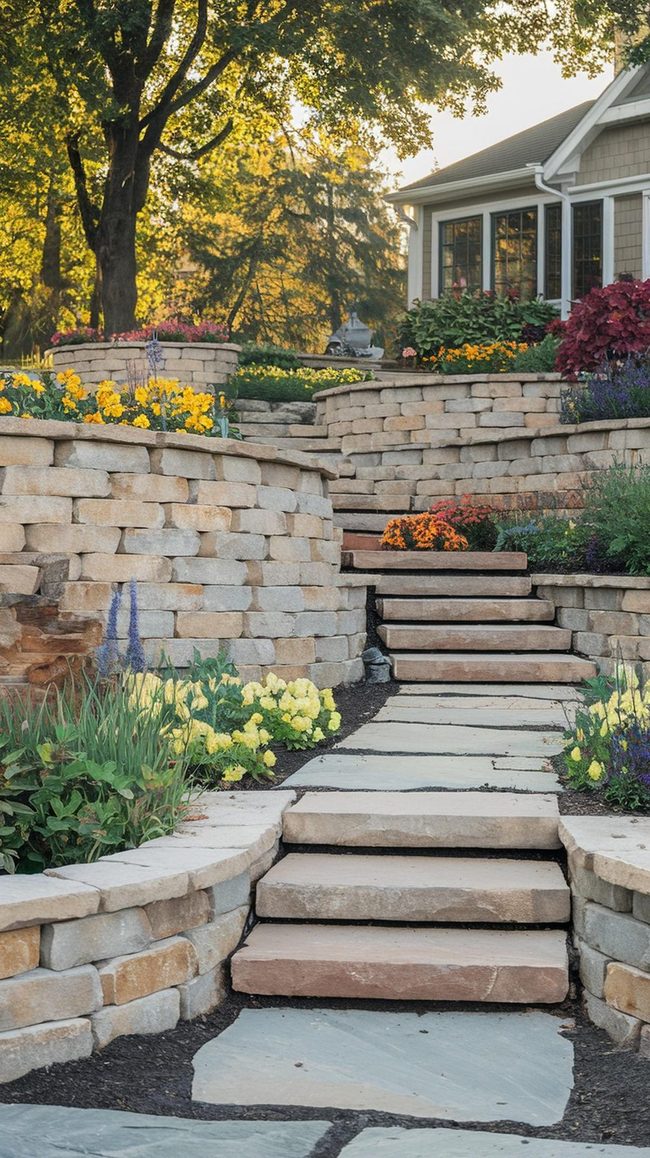
Each sloped front yard gives you an exciting opportunity to work with elevation and form something truly distinctive for your home.
Terraced sections held by retaining walls stand out immediately and break up the landscape into distinct levels that catch attention right away.
Tiered flower beds stacked at different heights let you display colorful plants in layers, and natural stone steps winding through the space add texture and visual interest as people move through the yard.
Ground cover plants like creeping juniper serve double duty - they hold the soil in place and prevent erosion while delicateening the hard edges of your design.
Well-placed pathways guide visitors naturally through the space and help them navigate the slopes without getting lost, and these paths themselves become part of the overall look.
You can use materials like gravel, flagstone, or stepping stones to define these routes and tie them into your landscape plan.
Strategic placement of these elements means that no matter where someone stands, there's something interesting to see across the different levels of your yard.
Seasonal Flower Beds Year-Round
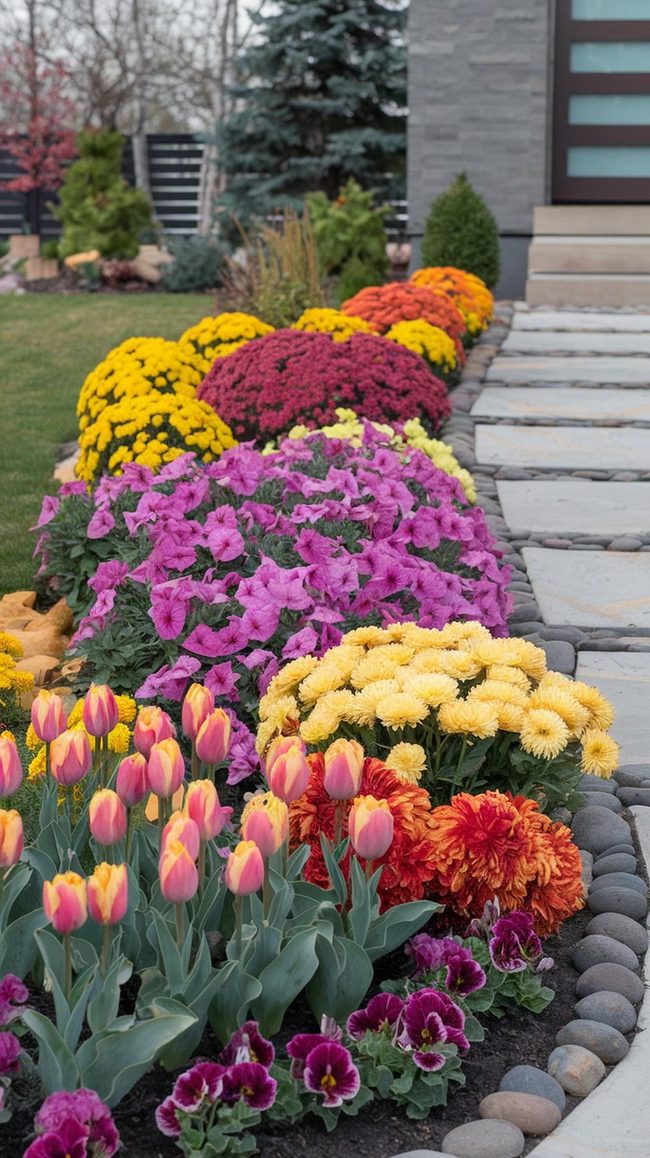
Arrange your front flower beds seasonally and you will have a striking entrance that shifts through the year, starting with tulips and daffodils collectioning across the spring outdoor, moving into summer's petunias and marigolds, then autumn's asters, and finally winter's evergreens dotted with red berries.
Mixing perennials with annuals keeps flowers blooming from season to season without long gaps, so there's always something fresh to see.
Planting flowers at different heights builds real dimension in the beds and makes the space feel fuller and more interesting.
This layered approach means your entrance stays lively all twelve months, and you won't have to replant everything from scratch throughout time the weather changes.
Visitors will observe the care you put into the landscape and how thoughtfully you've planned for year-round color and texture.
Raked Gravel Patio Path
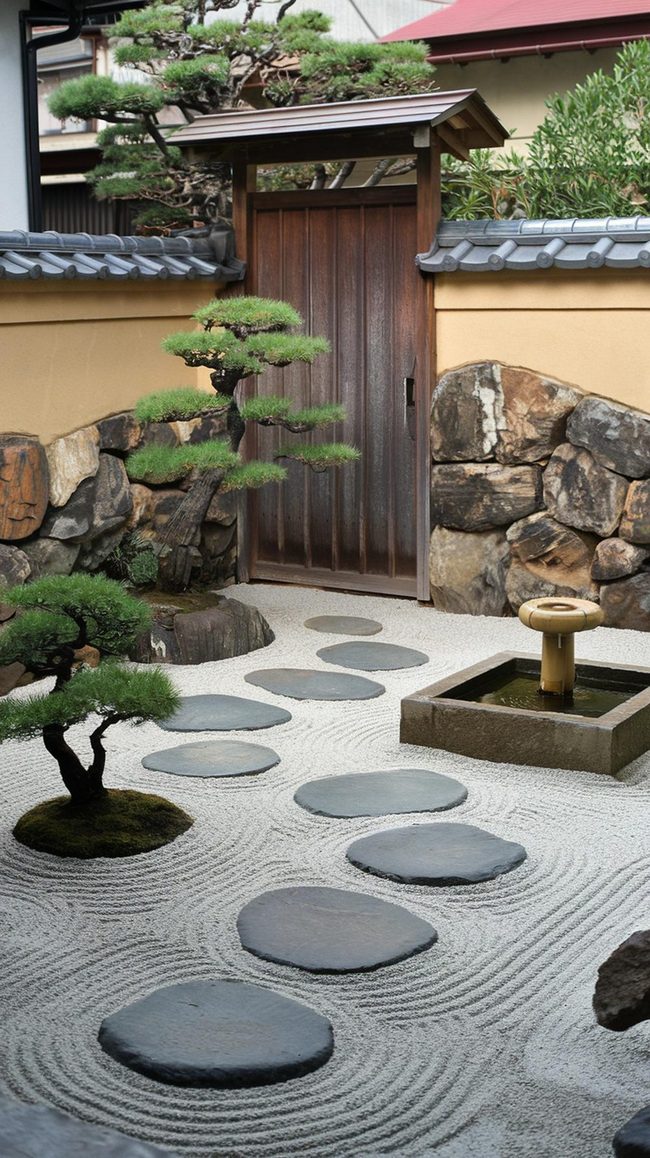
The frontyard Japanese Zen outdoor offers you a peaceful retreat that feels both simple and harmonious, starting with the striking visual of deliberately raked gravel patterns that draw the eye across the entire space.
Natural stones scattered throughout and small bonsai or maple trees anchor the design with quiet elegance and balance
Minimal seating areas placed thoughtfully around the yard give you spots to pause and reflect without unnecessary decoration.
Stepping stones establish a gentle path toward the entrance, guiding visitors while maintaining the calm atmosphere.
This kind of outdoor works well if you want a space that feels separate from the busy world outside and helps you unwind when you see your own yard.
Stone Edges with Blooming Flowers
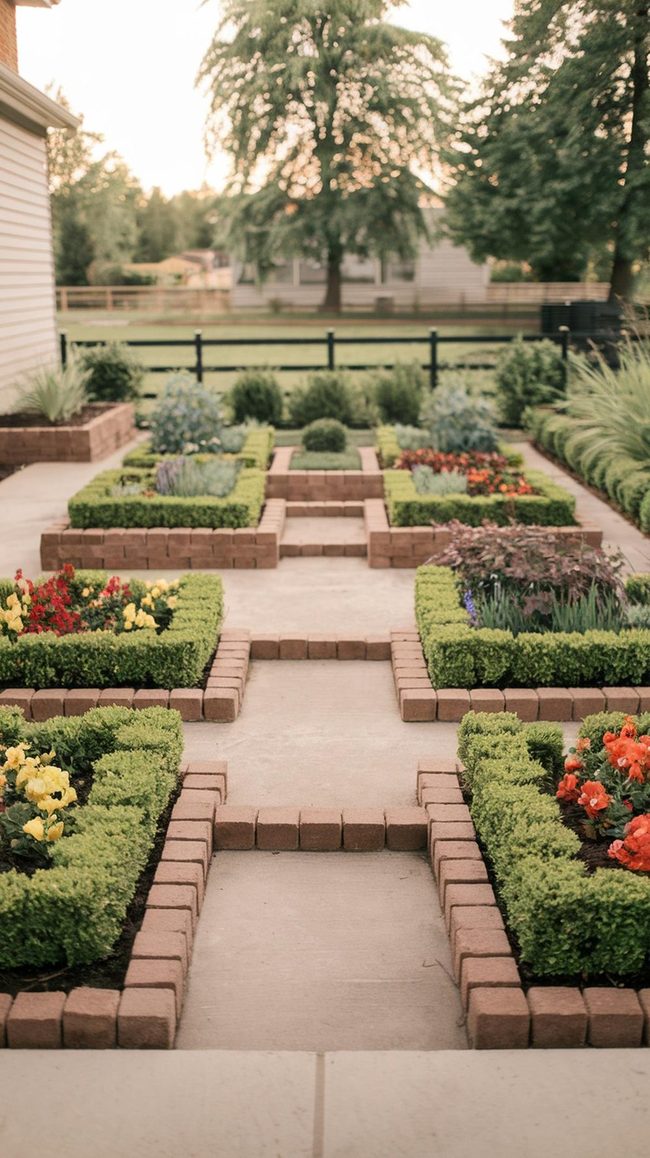
Landscape borders in your front yard set up clear separation between different landscape areas, giving the whole space a polished and organized appearance.
Stone, brick, or metal edging works well for defining flowerbeds and keeps plants from spilling into walkways.
Hedges and dwarf shrubs offer a delicateer, more natural way to mark boundaries without looking rigid.
When you combine smooth stone edges with blooming flowers, you get both structure and color that make the yard feel arranged and well-maintained.
Low-growing boxwoods or similar plants work especially well because they frame beds without blocking views.
Metal borders appeal to trendy tastes, while classic brick suits traditional homes better.
Your front yard will feel more pulled together when across growing area has its own clear edge and definition.
Geometric Green Living Borders
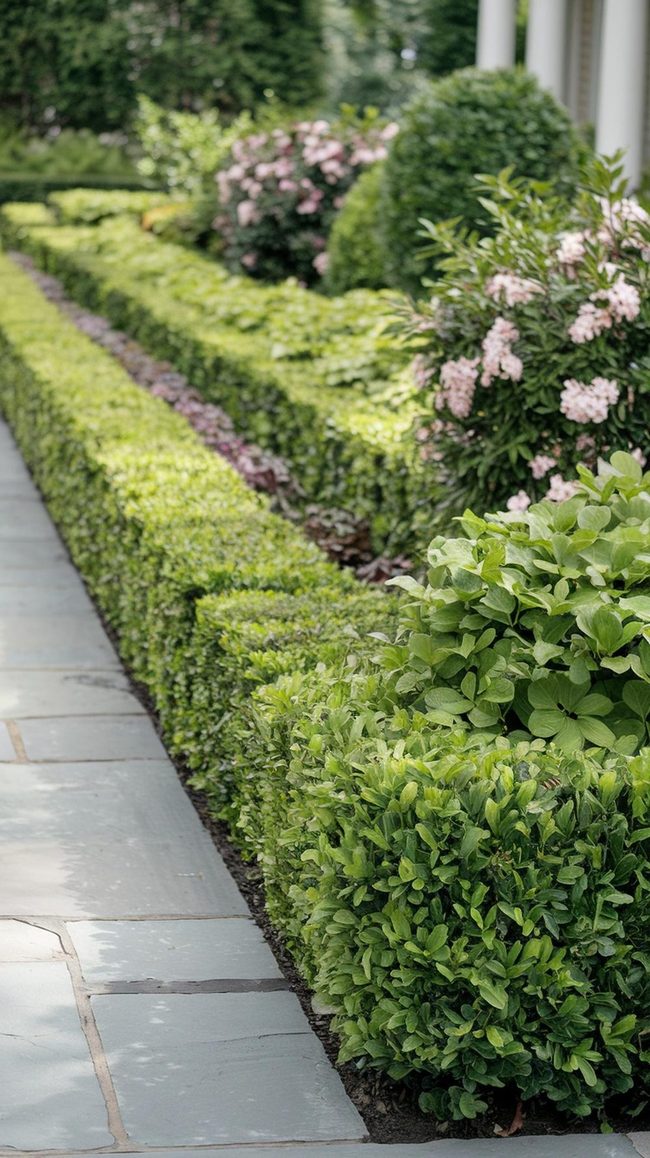
Hedges shaped into clean geometric forms bring instant polish to any front yard and serve as living borders that frame your home with natural style.
You can choose boxwood, privet, or yew for these structured designs, and keeping them neatly trimmed gives your entrance a formal edge while allowing some ambientweight growth to peek through for a relaxed feel.
Mixing in flowering shrubs and layered evergreens breaks up the sameness that straight hedges can introduce and really lifts the overall look of your property.
These varied plantings work across different seasons since you will have blooms in spring and summer along with green foliage year-round.
The layered approach means your yard has depth and interest that passersby be aware of as they walk or drive by.
Adding shrubs with different textures and colors to your hedge designs costs less than major landscaping projects and takes up minimal maintenance once established.
We love this strategy because it balances structure with natural beauty and gives your front entrance genuine character without needing to overhaul your whole yard.
Terracotta Pots Mediterranean Outdoor
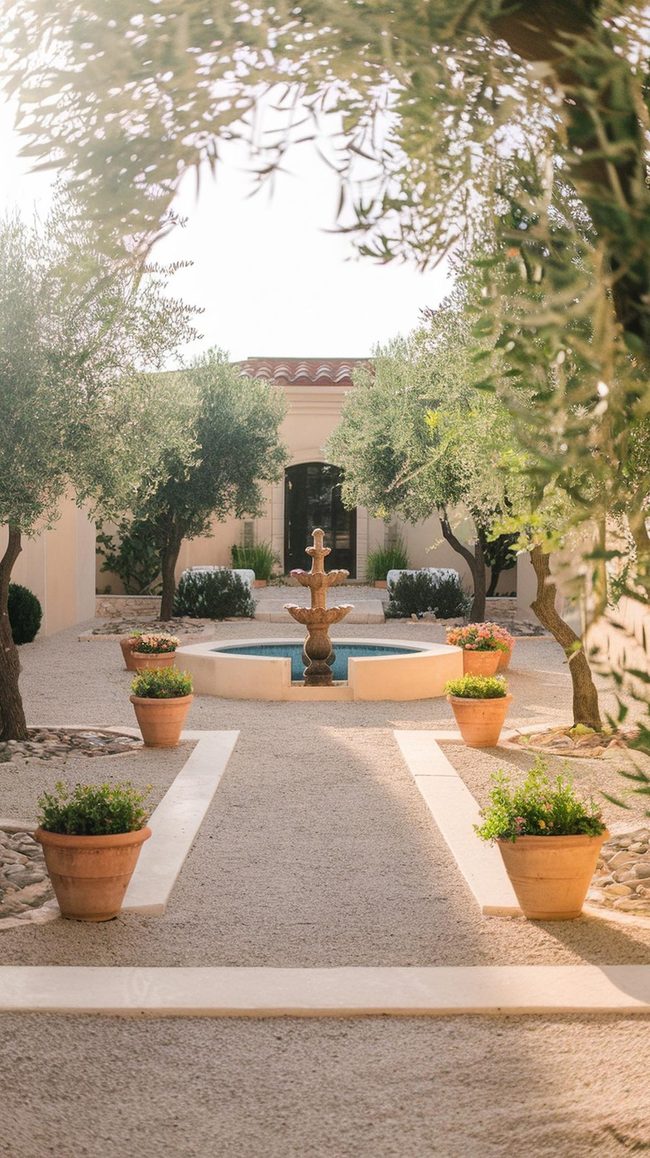
Mediterranean-style front yard landscaping brings together sun-baked plants and natural stone in ways that feel both relaxed and refined, with warm sand tones paired beautifully alongside olive trees, lavender shrubs, and terracotta pots overflowing with colorful flowers that add instant visual interest to your space.
Gravel or cobblestone pathways wind through the landscape and give your yard that old-world character with their textured, rustic surfaces.
You can layer in different heights and plant varieties so the yard doesn't feel flat or one-dimensional.
Stone elements anchor the design and echo the warmth of the terracotta containers scattered throughout.
Low-maintenance plants like lavender and olive thrive in this style and reward you with minimal fuss.
Herbs and flowering plants together shape a living palette that shifts with the seasons.
Walking through your yard becomes an experience when the path itself becomes part of the design appeal.
Arrangement works well for anyone wanting a yard that feels both Mediterranean and personal to their own space.
Balanced Versus Organic Yard Design
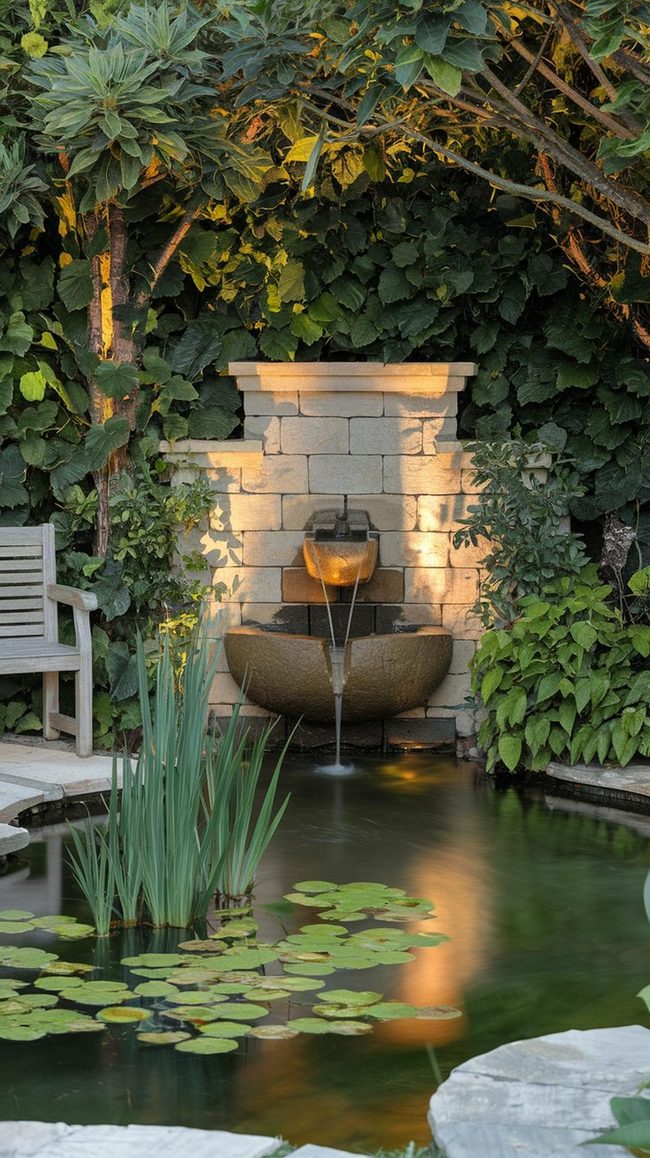
Front yard can follow either a symmetrical or asymmetrical design approach, and both offer distinct visual appeal.
Symmetrical layouts place matching elements on either side of a central line, with identical towers, matching flowerbeds, and balanced plantings that form a formal, structured look.
Asymmetrical designs feel more relaxed and dynamic, using curved pathways, varying plant heights, and unexpected material placements to add visual interest throughout the space.
When you go with symmetry, you get a sense of order and polish that feels considered and refined.
In contrast, asymmetry lets your landscape feel more organic and natural, even though it still requires thoughtful planning.
Both styles work well for different home aesthetics, so your choice really depends on whether you prefer that balanced, traditional appearance or something with more movement and personality.
We recommend walking around your yard and sketching out a few ideas to see which direction resonates with your home's overall style and the vibe you want to form.
Stone and Succulent Front Yard
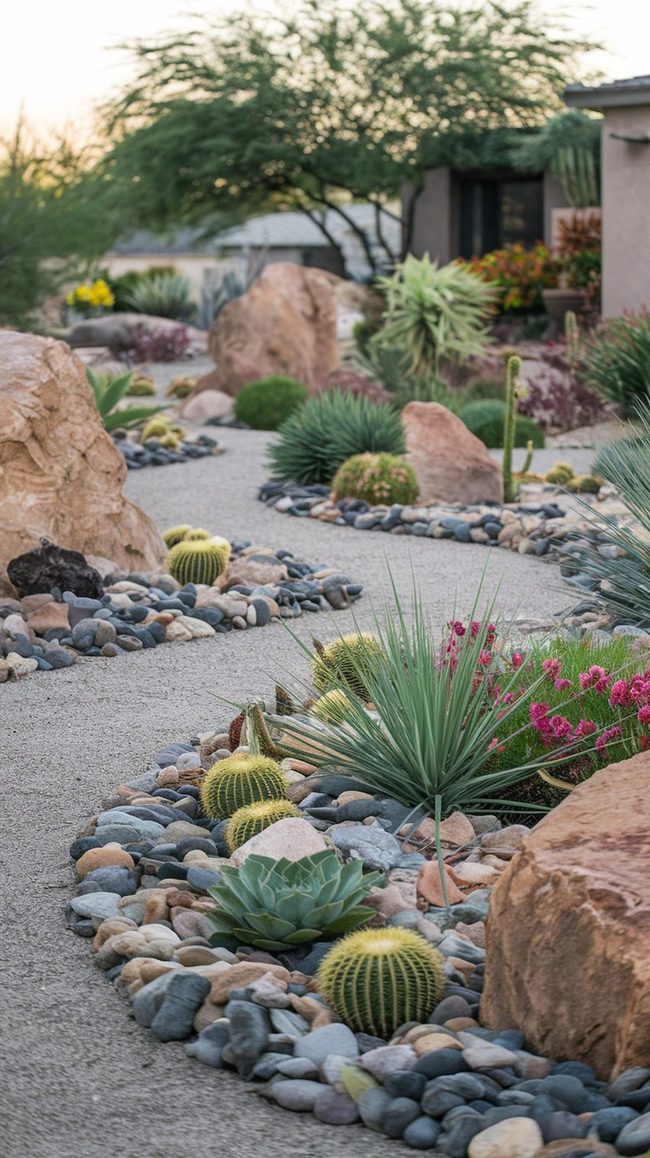
Rock terraces with boulders and succulents offer a low-maintenance option that looks striking from the street.
Large natural stones arranged throughout the space give you a bold visual foundation that stands out in any neighborhood.
Alpine plants and succulents nestle between the rocks and require very little water or care once established.
Sand or gravel pathways wind through the terrace and tie the design together with clean lines.
You get a stylish appearance without needing to spend hours on upkeep in all week.
Layering different plant heights among the stones adds depth, and the natural textures of rock mixed with green foliage make the whole yard feel polished and deliberate.
Native Plants Feed Local Wildlife
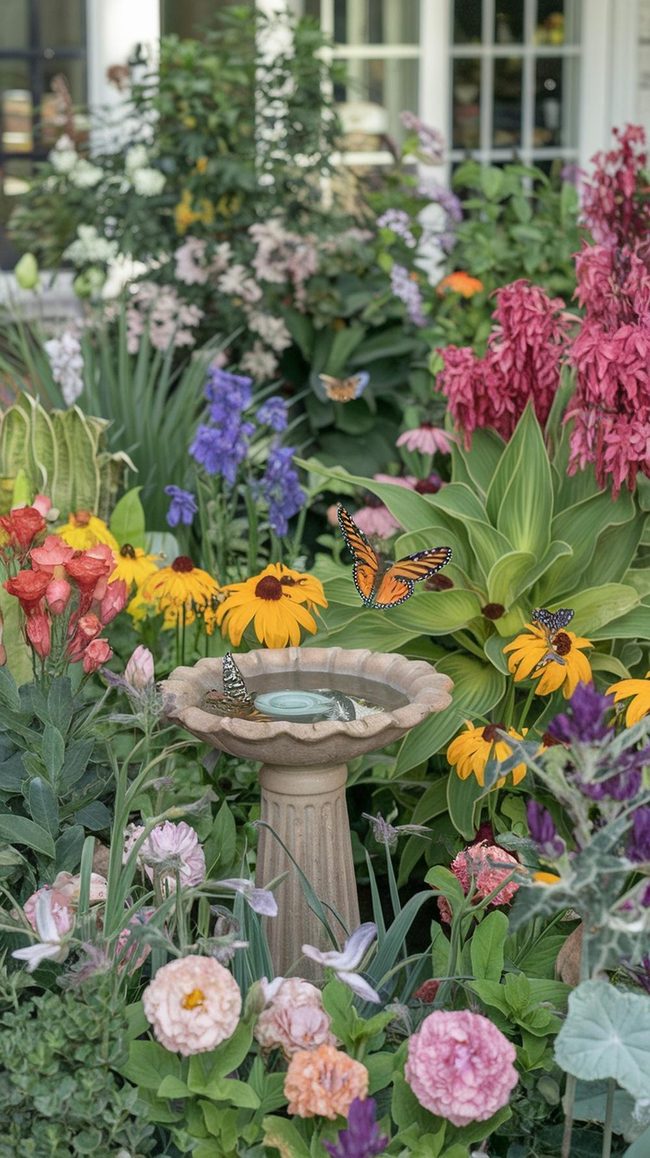
When you plant native species in your front yard, you open up your space to birds, butterflies, and all kinds of pollinators that make a landscape come alive.
Local shrubs that produce berries and edible plants work well because they give wildlife the food and shelter they need to thrive.
Wildflowers blooming throughout the seasons add color while also feeding the creatures that depend on them.
Adding a small pond, birdbath, or bee-friendly terrace creates spots where animals can drink and rest.
We all benefit when we support biodiversity right in our own yards, and the reward is watching nature flourish just outside your door.
Simple touches like these turn an ordinary front yard into a place where local wildlife finds everything it needs to grow and return again and again.
Stone Path To Your Door
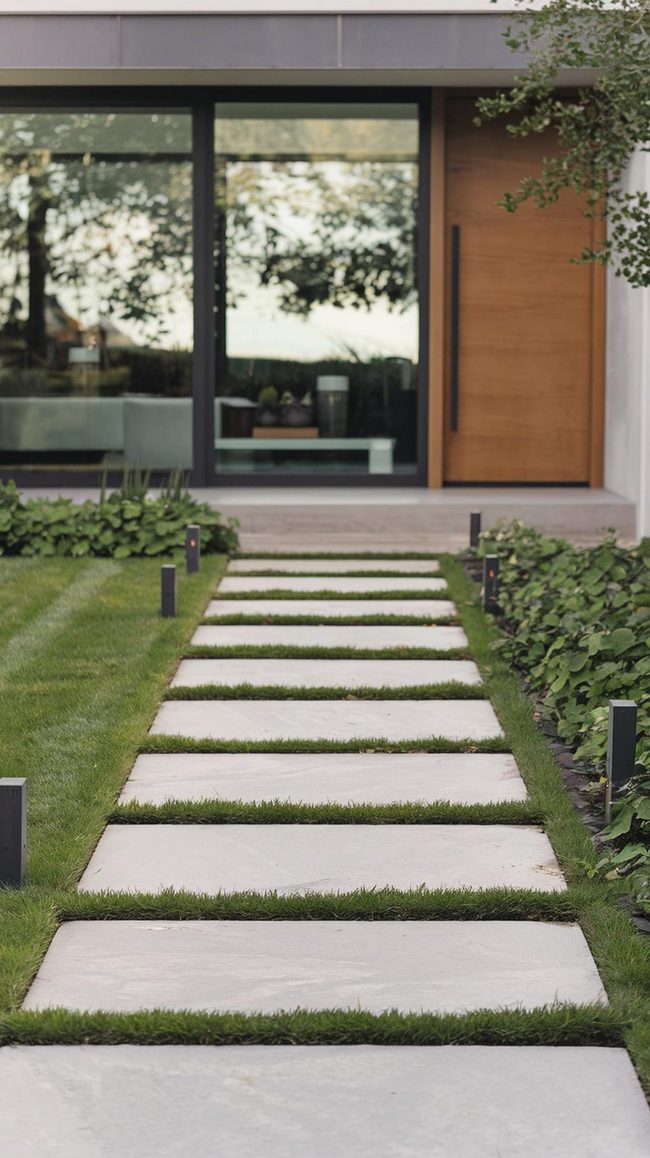
That well-designed walkway serves as the backbone of your front yard, drawing people toward your entrance while boosting how your home looks from the street.
You can choose from stepping stones nestled in grass, clean concrete slabs, or detailed mosaic pavers depending on what fits your style.
Lining both sides with low plants shifts the entire appearance and adds greenery that frames the path nicely.
Pales along the walkway keep things safe and visible once darkness falls and make the route easy to follow.
Curved paths feel more relaxed and organic in their flow, while straight walkways bring order and structure to the landscape.
Whether you prefer a winding approach or a direct line depends on the mood you want your yard to express.
Either way, adding these elements together helps your home make a stronger first impression on anyone who visits.
Seasonal Layers with Iron Stone
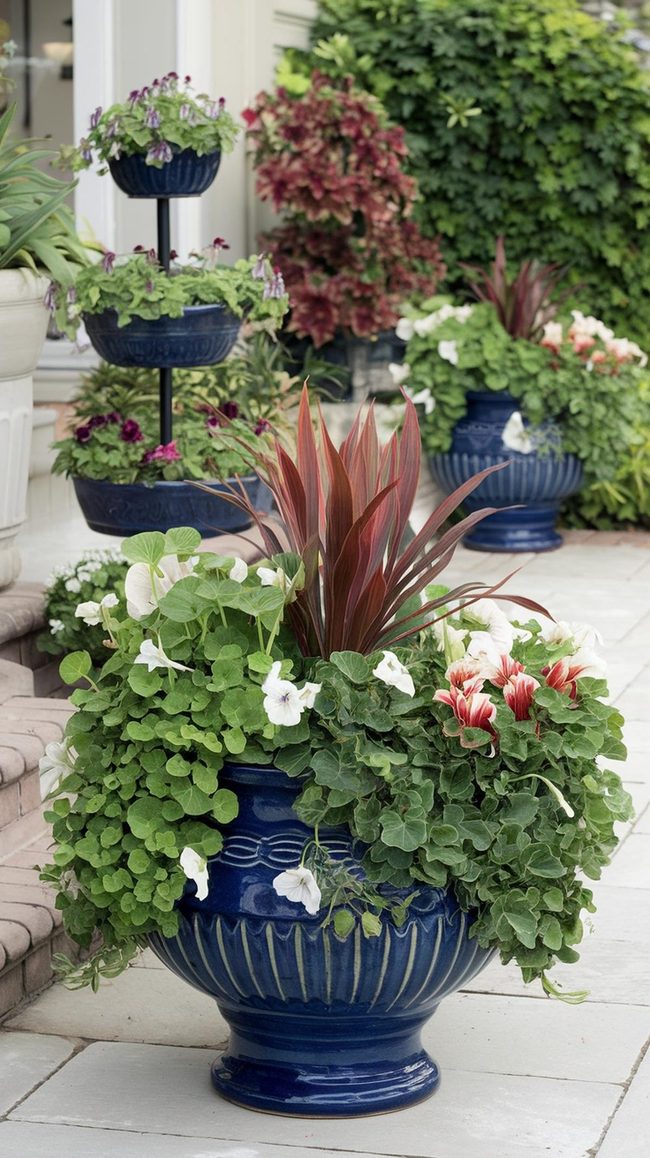
Yard planters and pots your front yard into a dynamic, layered space that shifts with the seasons and keeps things looking fresh.
Large hanging baskets and tiered arrangements shape impressive depth around your entryway, especially when you mix big ceramic, stone, and metal containers together.
You can swap out seasonal flowers and greenery whenever you want, making it simple to refresh the whole landscape without major work.
Varying the heights and textures of your pots keeps the space feeling current and polished.
Grouped containers near doorways frame your entrance and draw immediate attention to that area
Metal urns catch whimsical beautifully while stone pots add weight and stability to your design.
Overall, planters offer both beauty and the flexibility you need to keep your outside space interesting and personalized.
Rustic Timber Chip Landscape Foundation
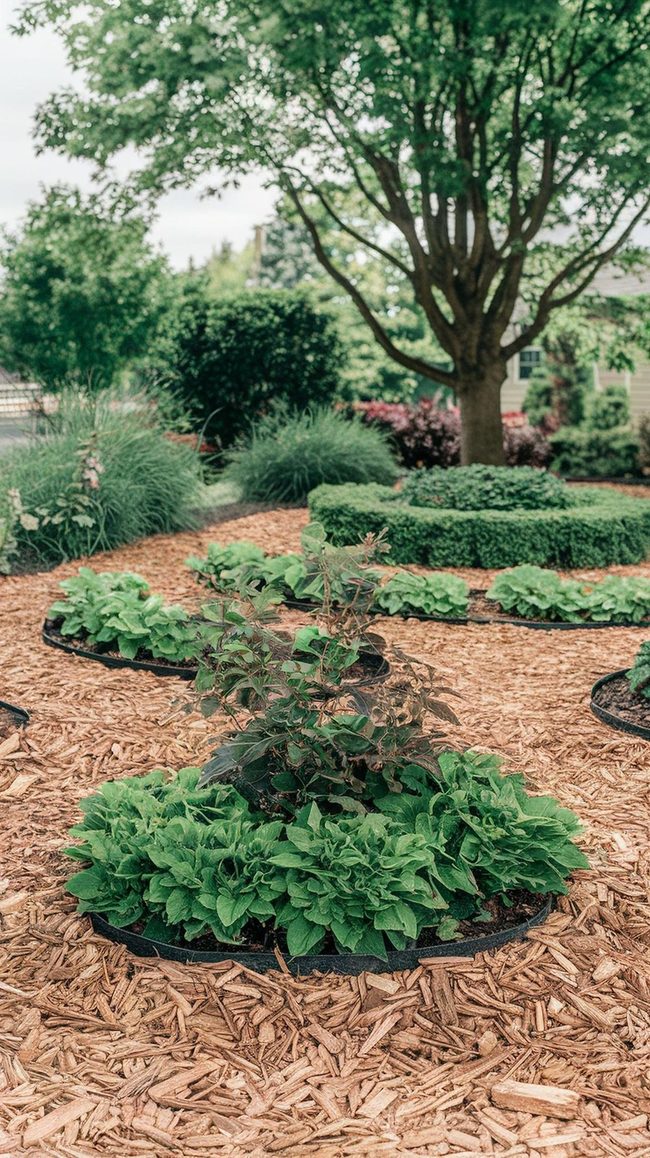
Spread a thick layer of mulch across your front yard and you could immediately recognize how polished and put-together everything looks, whether you choose rich wood chips, shredded bark, or decorative gravel that suits your home's style.
Beyond the visual appeal, mulch works hard beneath the surface by holding moisture in the soil so your plants stay hydrated longer and you water less often.
It also stops weeds from taking over your flower beds and around your trees and shrubs, which means less time pulling unwanted plants by hand
When you apply mulch around all your planted areas, the whole landscape instantly appears more organized and well-maintained without requiring constant attention.
The reduced maintenance saves you time during the growing season and keeps your yard looking fresh throughout the year.
Think of mulch as both a well suited to daily routines solution and a design choice that strengthens your landscape's overall health and appearance.
Stone Walls with Cascading Blooms
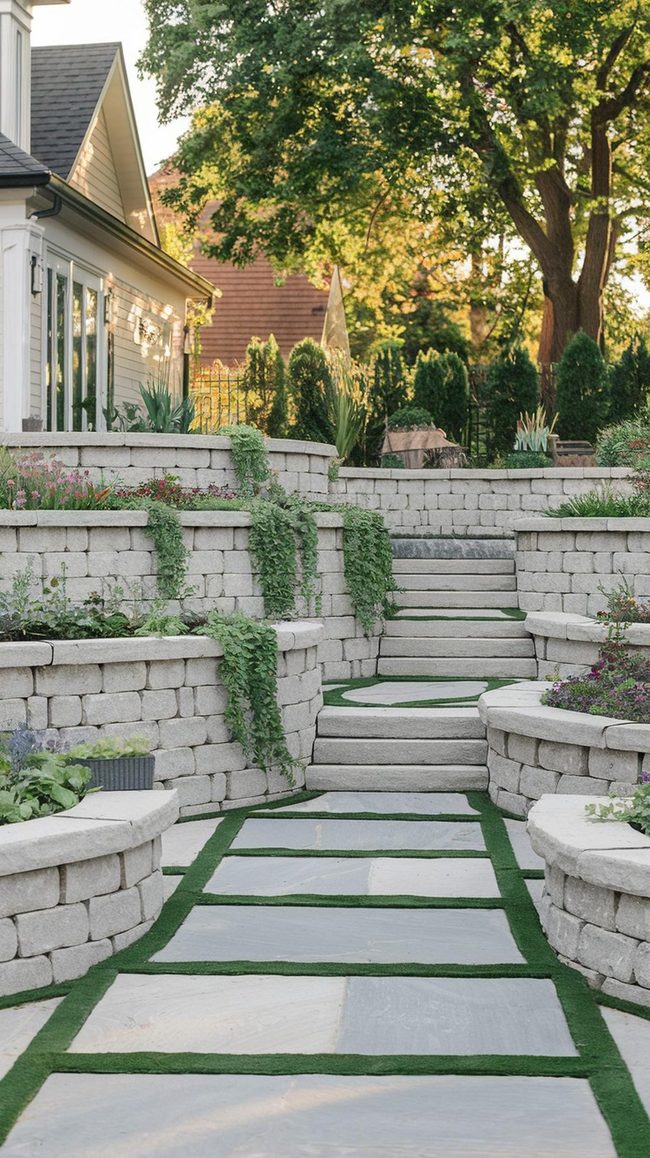
Retaining walls made from natural stone, brick, or concrete serve as striking architectural features that immediately draw attention in your front yard while also managing slopes and preventing soil erosion.
When you allow cascading flowers and shrubs to grow along these structures, they into living displays that en the hard edges and add layers of greenery to your space.
Built-in seating areas integrated into these walls give you efficient spots to sit and relax while enjoying your yard.
Beyond their functional role in handling uneven terrain, retaining walls work as decorative borders and raised yard beds that enhance your overall landscape design.
You can customize them to match your home's style, whether you prefer the rustic appeal of stone or the clean lines of concrete.
These walls add dimension to flat yards and break up monotonous slopes into interesting visual sections.
Because they're both useful and good-looking, retaining walls offer you a smart way to upgrade your front yard without sacrificing function for style.
Flowering Borders Frame Pavement
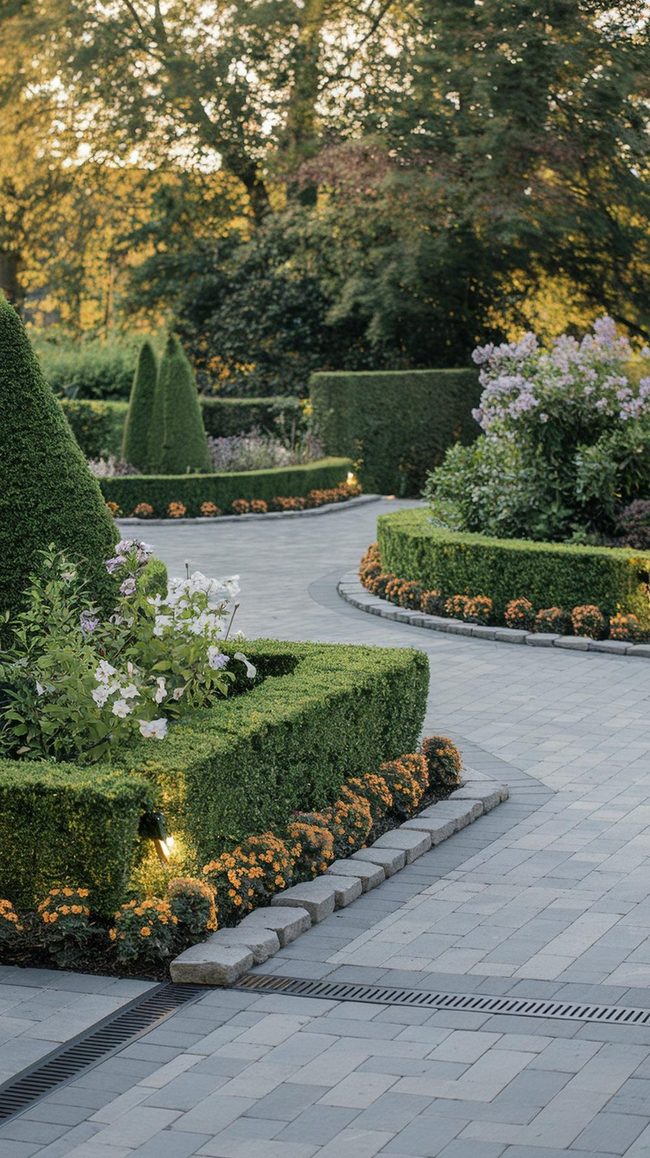
When landscaping your driveway, start with the most striking element - flowering borders or decorative stone edging along the pavement establish instant visual interest and tie your patio space together beautifully.
Neat trimming and well-maintained plants around the driveway help blend the pavement seamlessly with your front yard while keeping everything functional and easy to navigate.
Consider upgrading to permeable pavers or stamped concrete, which adds sophistication and handles water drainage properly so you don't end up with pooling or runoff issues.
Ground-level whimsicaling installed along the edges of the pavement serves double duty and gives your driveway a polished, finished feel while improving safety when you arrive home at night.
Honestly, the key is making sure all these elements feel balanced and match your home's overall design style.
You don't need to do everything at once; many people tackle these improvements gradually as their budget allows.
The right combination of plants, materials, and whimsicaling shifts an ordinary driveway into a welcoming entrance that reflects your home's character.
Tall Trees Frame Your Home
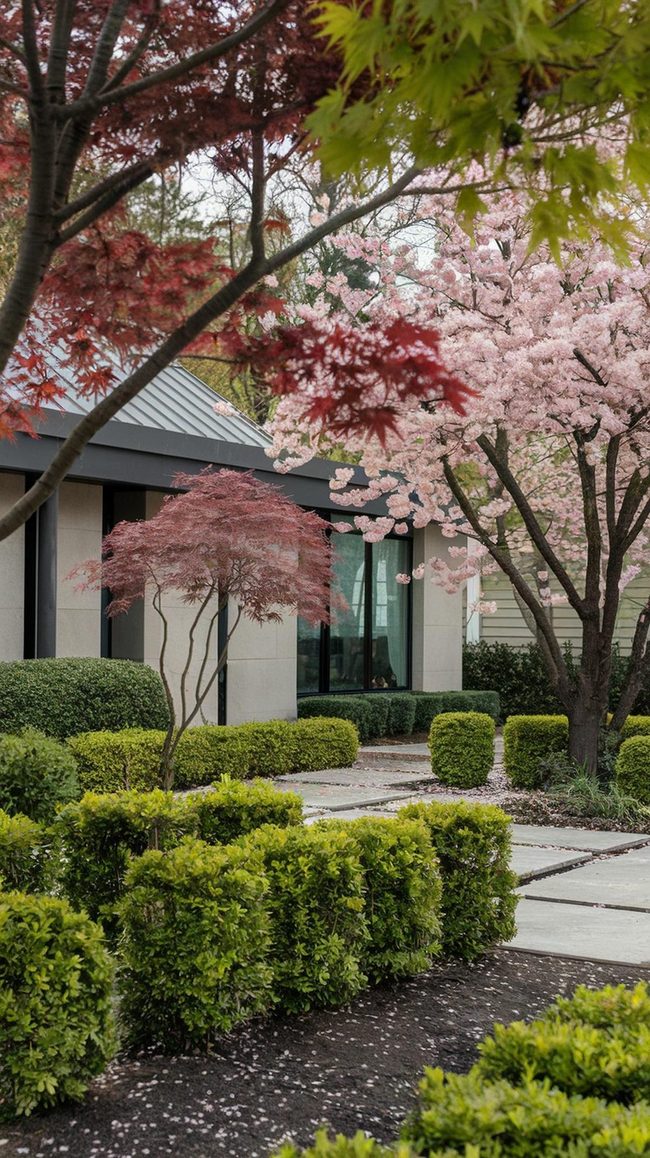
Trees stand as the backbone of any front yard design because they deliver shade, structure, and seasonal changes that keep your outside space interesting all year long.
Tall ornamental varieties like Japanese maples bring sophistication with their distinctive shapes and foliage, while flowering trees such as cherry blossoms splash your yard with bold color during their blooming season.
Evergreen species maintain lush greenery no matter the weather, and you can position trees strategically to frame your house beautifully and draw attention to its best features.
When planning your tree placement, it helps to understand how throughout species grows and spreads so you avoid overcrowding or creating an unbalanced appearance.
Knowing whether a tree reaches 30 feet or stays compact prevents future headaches and keeps your yard looking orderly and well-proportioned.
We recommend mixing different tree types together and spacing them properly so they have room to thrive.
Your front yard benefits most when trees feel naturally placed rather than crammed in, and this balanced approach makes the whole landscape more functional and pleasant to look at.
Stacked Stone Steps Down
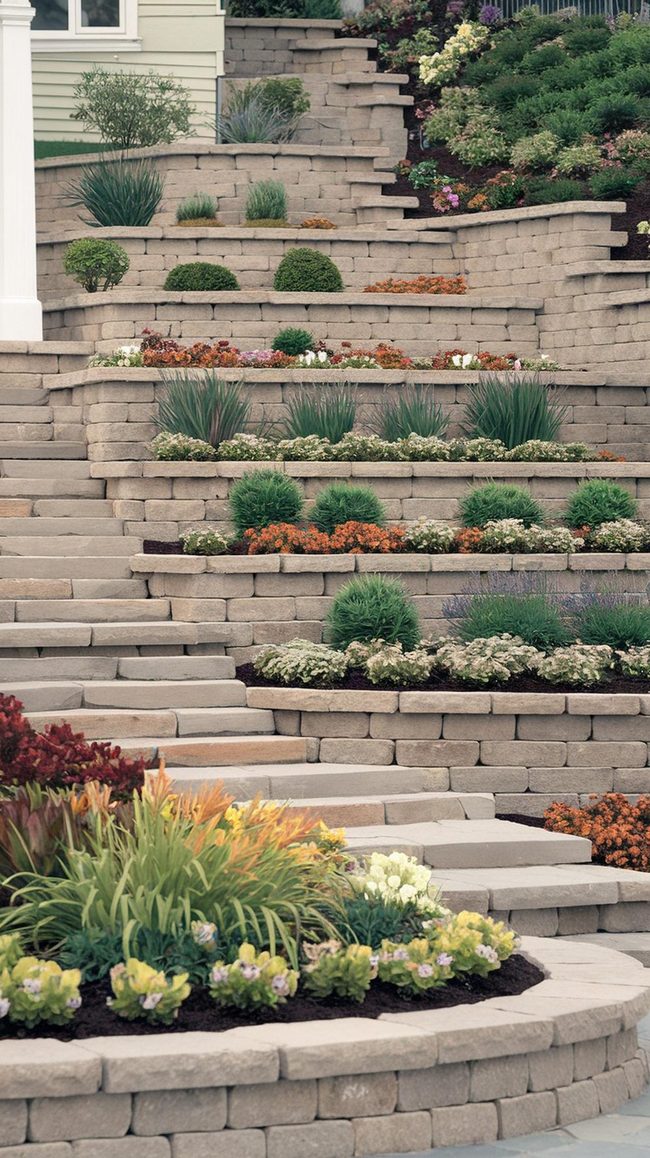
When you have a sloped front yard, you're actually looking at a great opportunity to build something really special with some smart planning.
Terraced sections held up by retaining walls make an immediate visual statement and give your landscape real dimension and depth.
Tiered flower beds and natural stone steps work across the slope and add both beauty and function to your property.
Ground cover plants like creeping juniper do double duty by keeping soil from washing away while also filling in those bare spots with green, living color.
Pathways placed throughout the yard guide people through your landscape in a natural way and help them experience all the interesting areas you've designed.
Building these features doesn't have to be complicated, and we find that most people can manage the basic installation themselves or with a little help.
You are able to end up with a front yard that looks polished and thought-out without feeling overdone.
The combination of these elements means your sloped yard becomes one of the most eye-catching spaces on your street.
Green Layered Privacy Walls
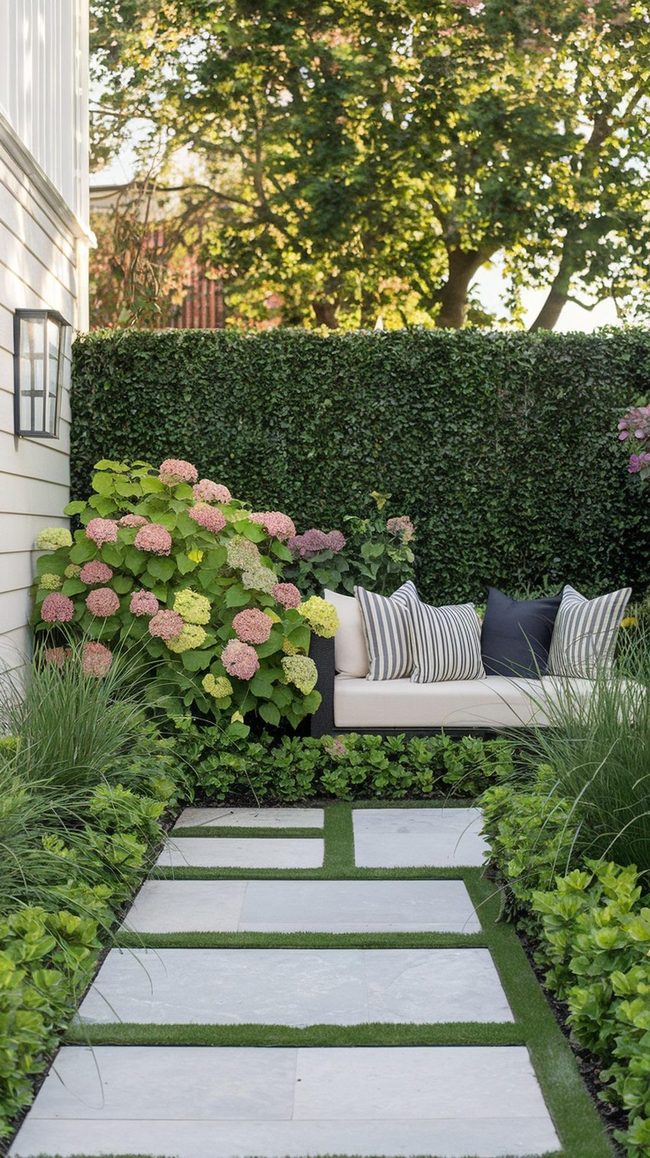
Shrubs and bushes offer a smart way to build privacy in your outside space while keeping things natural and beautiful.
Layering plants at different heights gives your landscape depth and dimension, so you get more than just a flat barrier.
Boxwood hedges deliver clean lines and polish, while flowering shrubs like hydrangeas bring understated texture and color into the mix.
Positioning these plants along borders and at the back shields you from harsh sun without cutting off airy entirely.
When you weave shrubs around seating areas or pathways, the space feels more connected and considered in how it flows.
Going with drought-resistant varieties means less watering and upkeep on your part, which is always a win for busy people.
The combination of greenery at various levels with different shapes and bloom times keeps your outdoor looking fresh throughout the seasons.
Front Yard Statement Tree
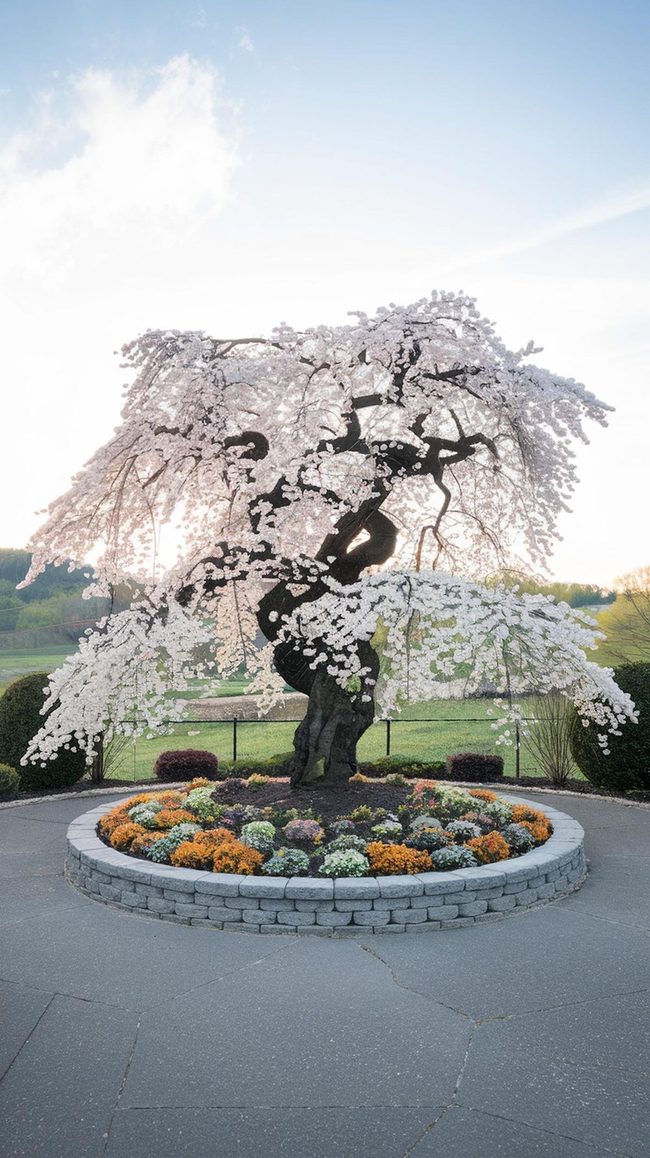
This large tree planted in your front yard becomes an instant anchor point for the whole space and naturally guides visitors toward your entrance.
Flowering varieties like magnolias and cherry blossoms bring seasonal spreads of color that shift throughout the year, while evergreen options keep things looking full and lush no matter what time it is.
You can frame this tree with a circular outdoor bed or decorative border around its base to make it stand out even more and keep your yard looking organized and balanced.
Trees also offer the bonus of providing shade and shelter, which makes your home feel more welcoming from the street.
Whether you go with something that blooms or stays green year-round really depends on what kind of look you want to achieve.
Pairing your statement tree with the right edging visual cues helps tie your whole front landscape together nicely.
Composition gives you a strong centerpiece that pulls everything else in your yard into focus.
Curved Stone Pathways Guide Home
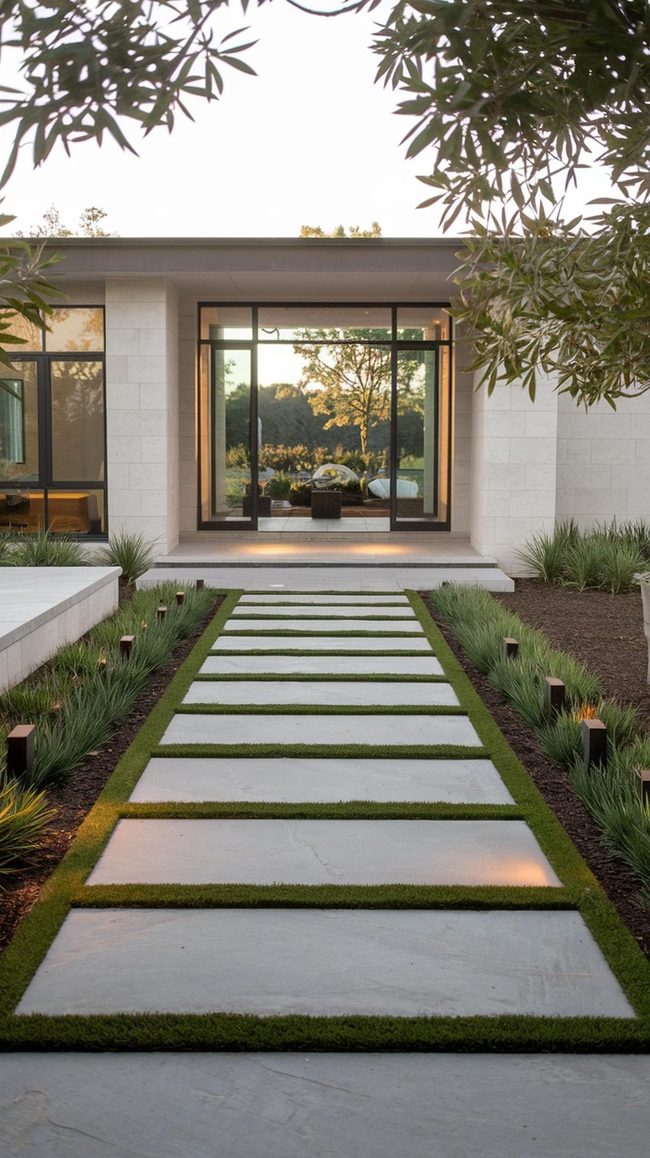
Curved pathways have a bold presence that immediately catches attention in your front yard, and they guide visitors straight to your entrance while boosting how your home looks from the street.
You can choose from stepping stones nestled in grass, smooth concrete slabs, or detailed mosaic pavers depending on what fits your style.
Lining both sides with low-growing plants shifts the entire appearance and makes the walkway feel more considered.
Airys along the path keep things safe and visible once darkness falls, so people can move through your yard without stumbling.
Straight pathways offer a different feel - they introduce clean, formal lines that work well with trendy homes.
Whether you go curved or straight, a good walkway is often the missing piece that ties together your front landscape and makes your property stand out.
Stone Sculptures Transform Landscape Spaces
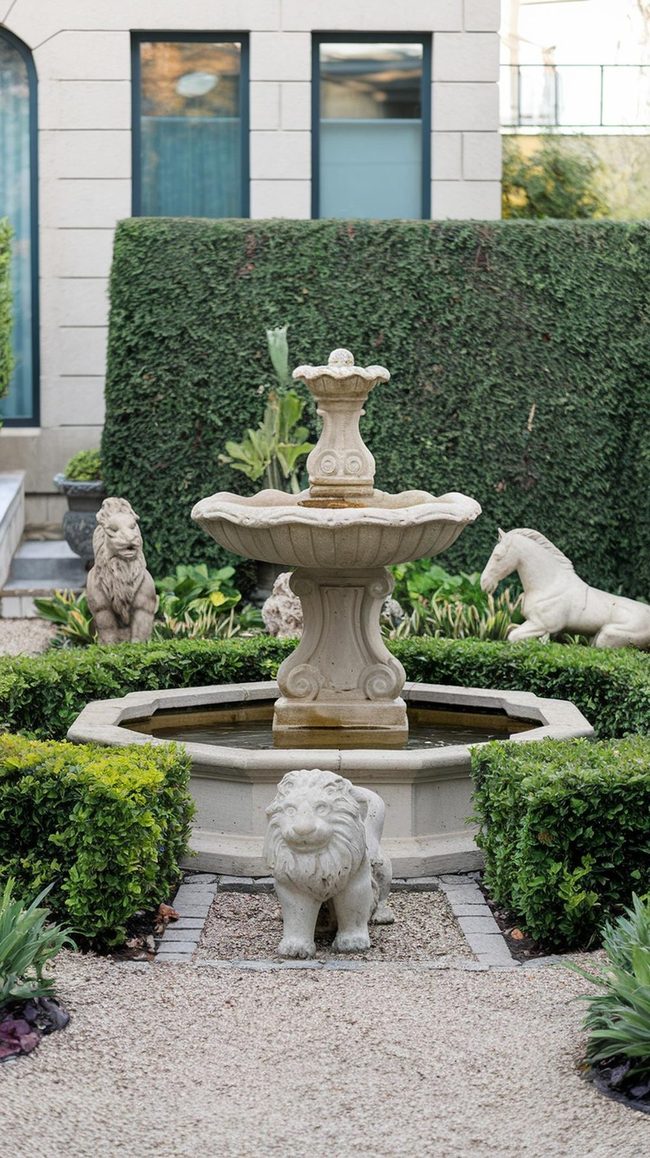
Stone fountains and metal landscape sculptures command attention in your front yard and deliver an immediate visual punch that sets your landscape apart.
Artistic planters scattered throughout the space add personality and show off your style in ways that standard landscaping simply cannot match.
When you select pieces that match your home's design, everything feels connected and balanced rather than random.
Positioning these decorative elements among plants and flowers brings out their best qualities and makes the whole area feel more polished.
You might place a sculpture near an entry point or tuck a fountain into a landscape bed to draw the eye naturally
The key is picking pieces that speak to you and fit with what you already have.
These decorative touches turn a plain yard into a space that feels like an extension of your home.
Curved Stone Path Through Green
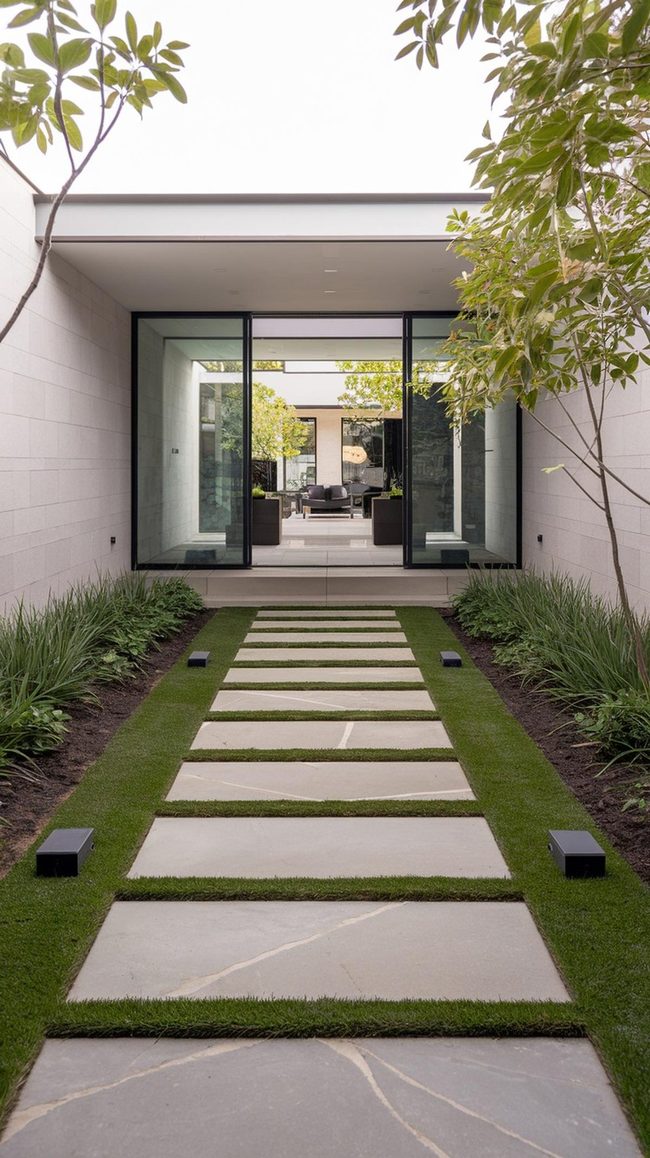
The front walkway is one of the first things people see, and a well-designed path does much more than just show houseguests where to go.
Bold curved lines that wind through your yard make a dramatic statement and feel more dynamic than straight walkways, which have a cleaner, more structured appearance.
You can build your path using stepping stones set into grass for a natural look, concrete slabs for something more current, or intricate mosaic pavers if you want real character and visual interest.
Lining both sides with low-growing plants low-keyens the edges and ties the path into your overall landscape design, while adding ambients along the way keeps the route clear and safe after dark.
Balanced Towers Flanking Entry
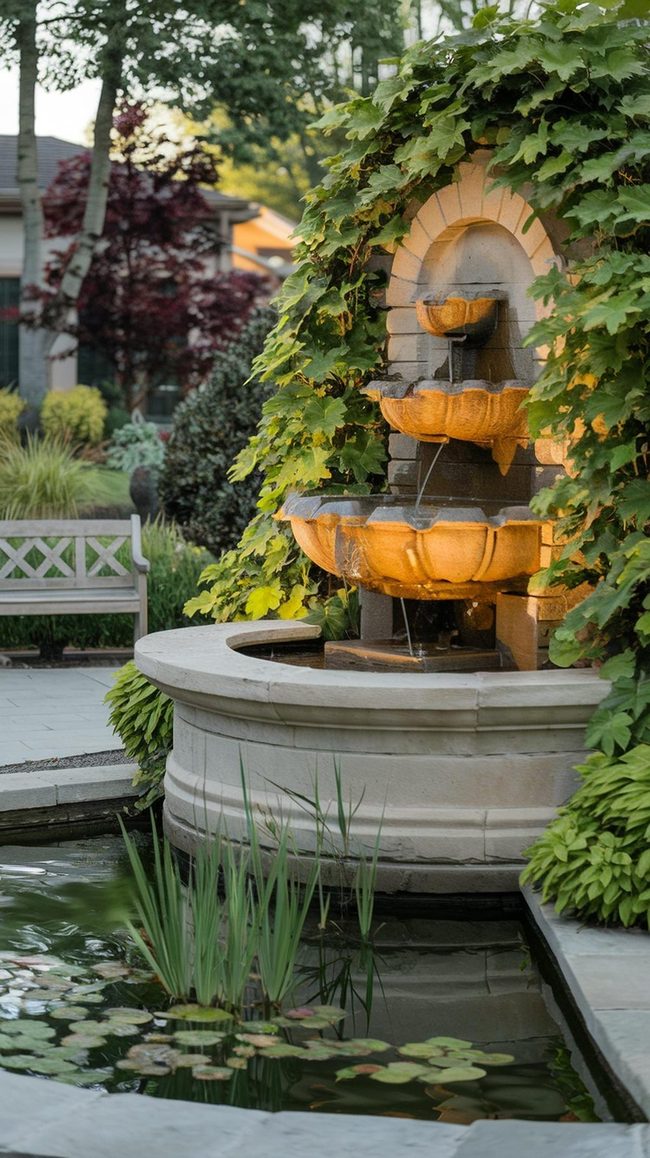
Symmetrical front yard designs grab attention with their balanced arrangement of matching elements like evenly spaced towers and identical flower beds flanking a central point, while asymmetrical layouts offer a more dynamic feel through winding pathways and plants of varying heights positioned in unexpected spots throughout the space.
Both approaches have their own appeal and work well for different homes and personal preferences.
If you prefer order and structure, symmetrical designs make a strong statement with their mirror-image composition.
On the other hand, asymmetrical designs feel more natural and organic because they echo how plants grow in nature without strict rules.
You can mix elements of both styles if you want something in between.
We recommend thinking about what matches your home's architecture and how you want people to experience your yard when they approach it.
Either way, your front yard becomes an extension of your home's personality and sets the tone for what's inside.
Green Ground Cover Alternatives
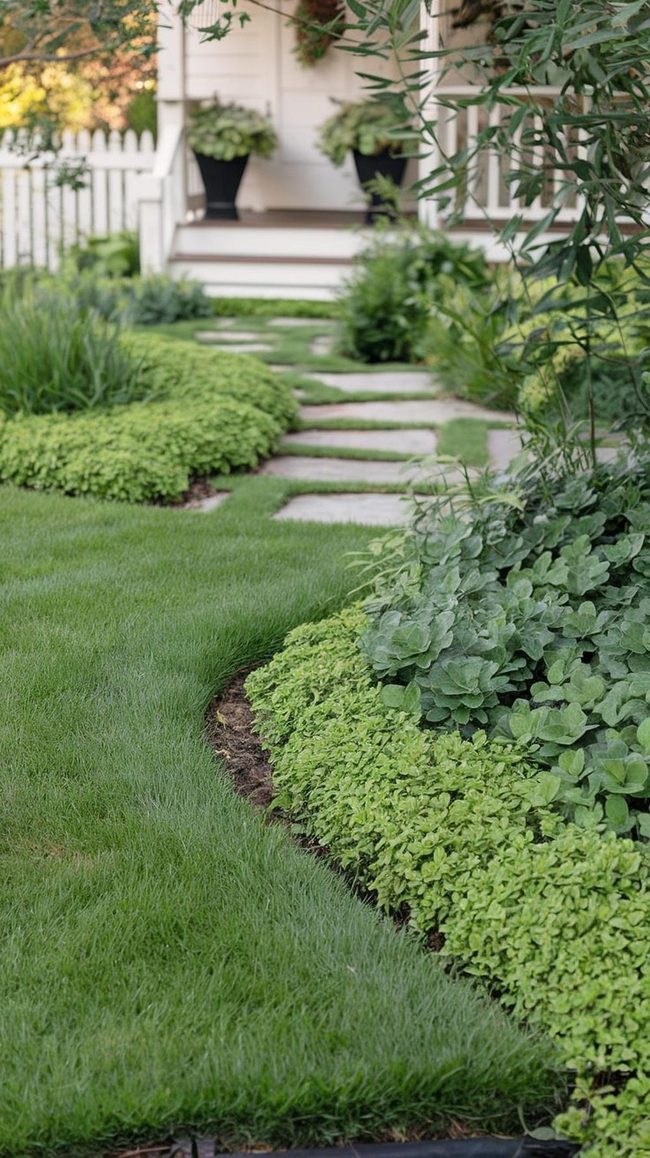
Lush green grass forms the backbone of most front yards, and it instantly catches attention with its broad, uniform appearance that makes your home's exterior feel polished and well-maintained.
If you want something different from traditional turf, you have plenty of alternatives that deserve consideration: clover spreads across your soil with attractive white blooms, creeping thyme hugs the ground with delicate purple flowers, and moss adds gentle, textured patches that look naturally beautiful.
Beyond just looking good, these plant choices solve real problems by holding soil in place and preventing erosion from rain and foot traffic.
What makes these alternatives especially smart is that they demand far less from you in terms of regular care compared to standard grass.
You will mow less often, water less frequently, and still end up with ground cover that keeps your landscape looking .
These options also add interesting texture and dimension to your yard's appearance rather than a simple flat expanse of identical green blades.
Ground cover plants match nicely with other landscape elements to balance your design while being kinder to your wallet and your schedule.
Elevated Layers Transform Yards
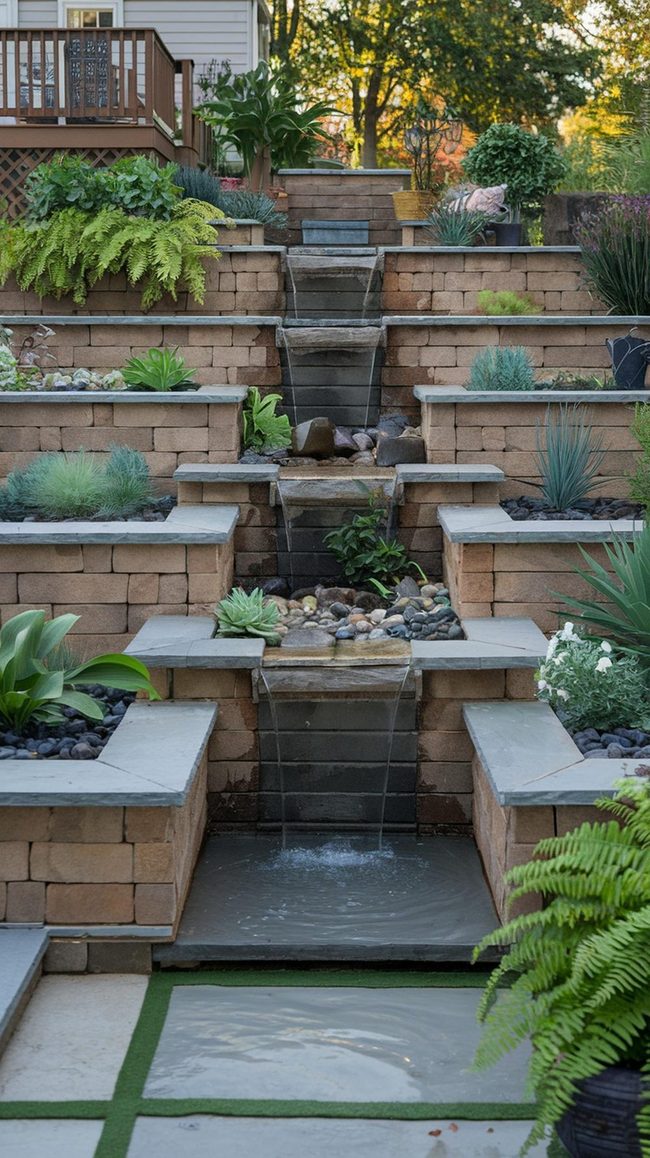
Multi-level landscaping opens up your front yard in ways that flat designs simply cannot match, and one of the best ways to achieve this is by using an elevated porch as your highest point of interest.
Raised landscape beds and tiered planters build layers throughout your space and guide the eye naturally from one area to the next.
Steps and retaining walls do more than just connect different heights - they also make your yard feel larger because they break up the ground plane and add dimension.
Water features that cascade down from one level to another become natural focal elements that draw attention upward.
When you stack elements vertically instead of spreading them horizontally, you give yourself room to work with plants, seating areas, and pathways without cramming everything together.
Your visitors will sense the organized flow, and you will enjoy how much easier it becomes to maintain different zones.
Building in these layers refreshes an ordinary yard into something that feels both well-planned and open.
Stone Path with Glowing Edges
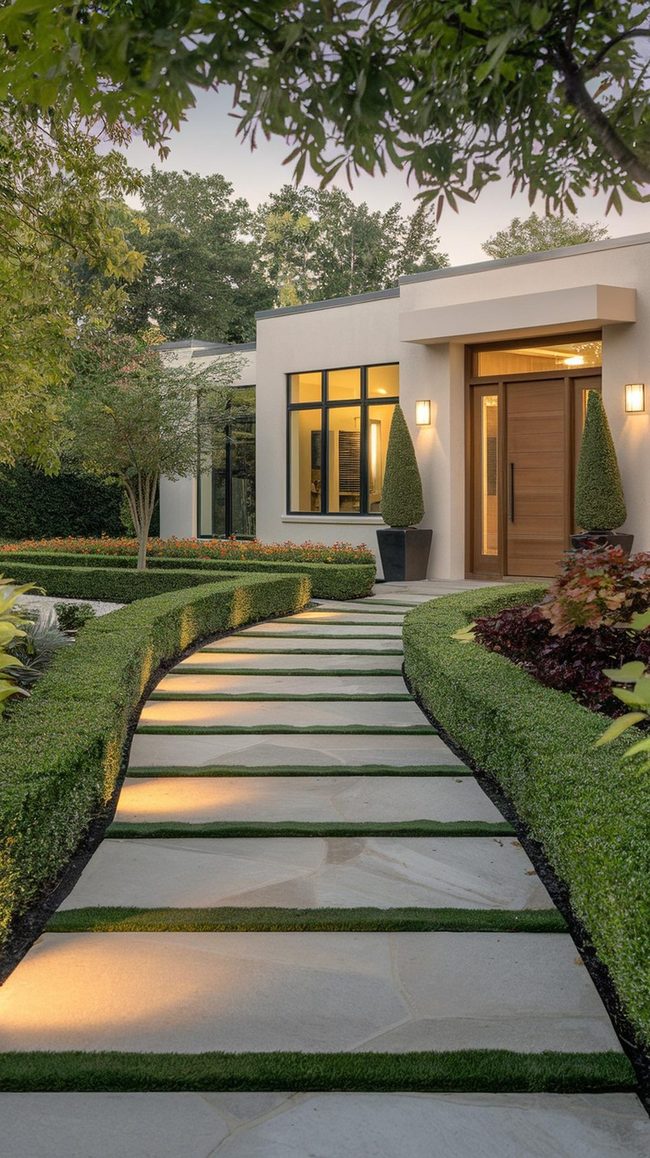
Front yard's entrance path makes the strongest first impression, so starting with natural stone, pavers, or bricks sets a welcoming tone that boosts curb appeal right away.
You can shape the path in curves for an organic feel or keep it straight and symmetrical for something timeless.
Along both sides, LED airys positioned near the edges help people navigate safely after dark.
Greenery matters too - trimmed hedges and colorful flower beds line the path and add character without overwhelming the space.
A well-designed entrance pathway guides visitors through your landscape naturally and shows that you care about how your home looks from the street.
Raked Gravel and Stone Stillness
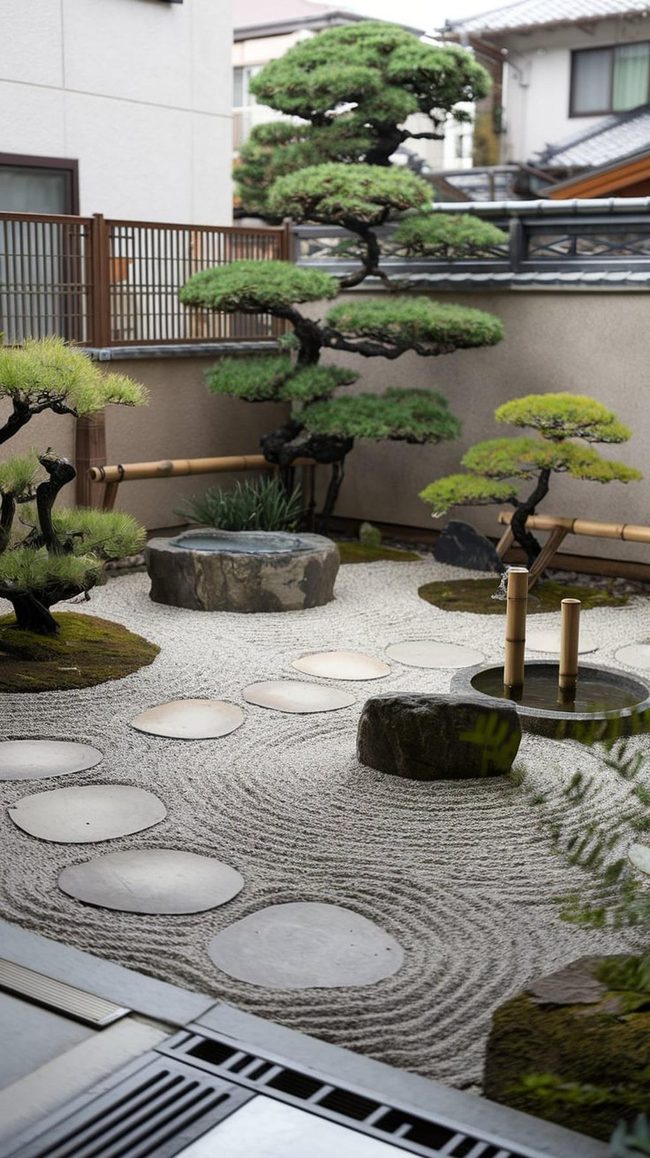
The front yard Japanese Zen yard offers a calm retreat that shifts your mood the moment you walk outside, with raked gravel patterns and precisely arranged stones creating visual lines that draw your eye across the space.
Small bonsai or maple trees anchor the design and speak to simplicity and balance in a way that feels both peaceful and refined.
If you add a bamboo fountain or koi pond, you can bring in the sound of flowing water that soothes the mind and makes the whole space feel alive.
Stepping stones guide you naturally toward your entrance while keeping the walkway simple and uncluttered.
Seating areas tucked into quiet corners let you sit and absorb the calm around you
You can build this kind of yard in almost any size yard and enjoy that meditative quality every single day.
Geometric Concrete Modern Minimalism
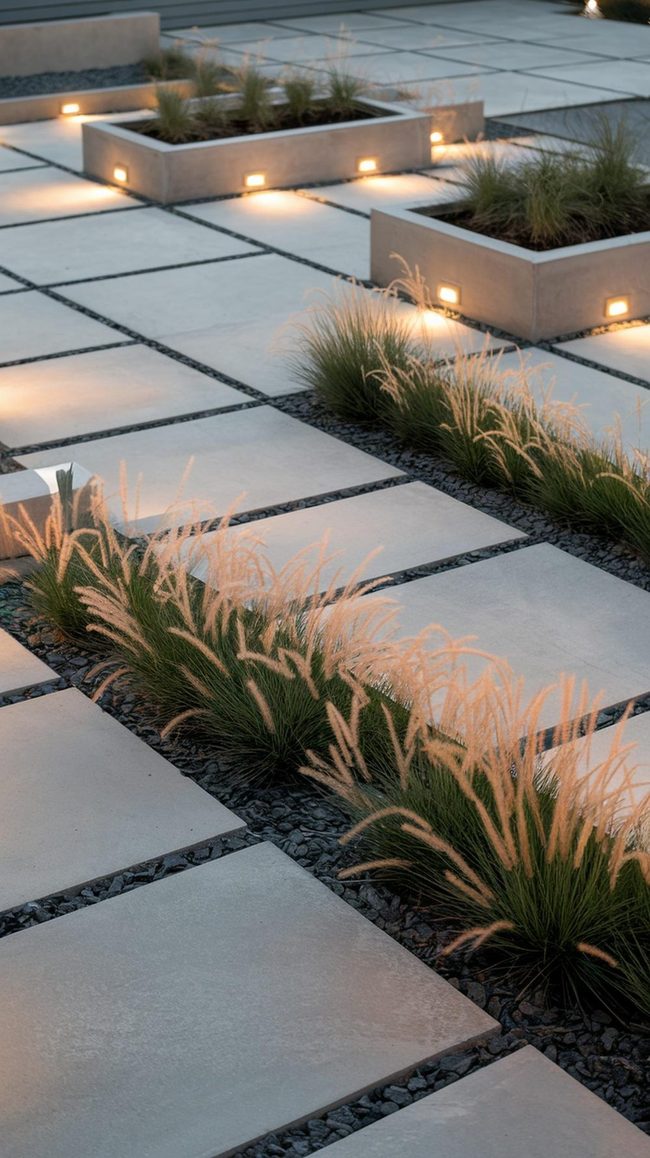
Concrete pathways with sharp geometric edges form the foundation of a polished front yard that feels both calm and deliberately styled.
Japanese maples and ornamental grasses add interesting layers of texture across the space without overwhelming the design, and pairing them with neutral gravel or mulch keeps things balanced.
Infinity edge planting boxes set up clean boundaries that guide the eye through your landscape with minimal fuss.
LED airys tucked throughout the space enhance that contemporary feel once the sun dips down.
Everything stays uncluttered because you're keeping the palette simple and the design stripped down to what actually matters.
We find spatial idea works well because it feels sophisticated without requiring constant maintenance or visual noise.
Your front yard becomes a calm, organized space that shows off smart design choices and makes a strong statement through restraint.
Small Front Yard Green Depth
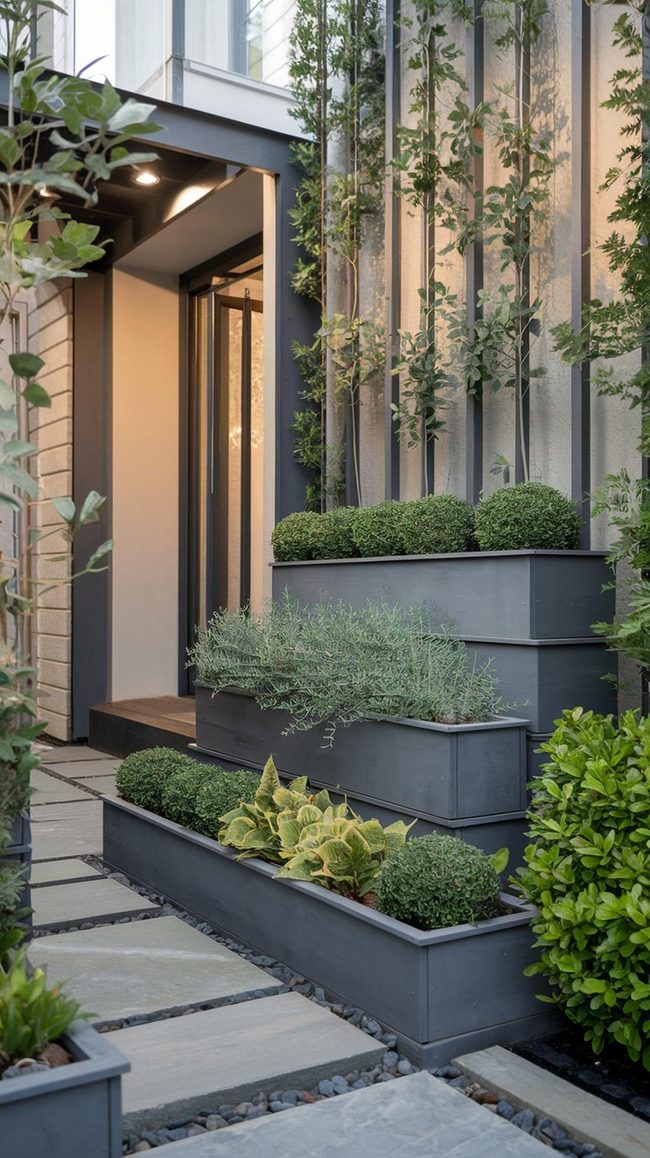
When you're working with a small front yard, the key is balancing openness with plenty of greenery without making the space feel cramped.
Vertical yards and tiered planters do wonders for maximizing your area, and compact shrubs fit naturally into tight corners.
A narrow stone pathway that guides visitors to your entrance becomes even more striking when you line it with potted plants on both sides.
Decorative bleacheding along this walkway adds dimension and warmth as darkness falls.
Spacious gravel or paver stones spread across the ground trick the eye into perceiving more space than you actually have.
Layering these elements together means you get a welcoming front yard that feels open and green at the same time.
Smart planning lets you pack personality and plants into a compact footprint without sacrificing that sense of room to breathe.
Stone Fountains and Metal Sculptures
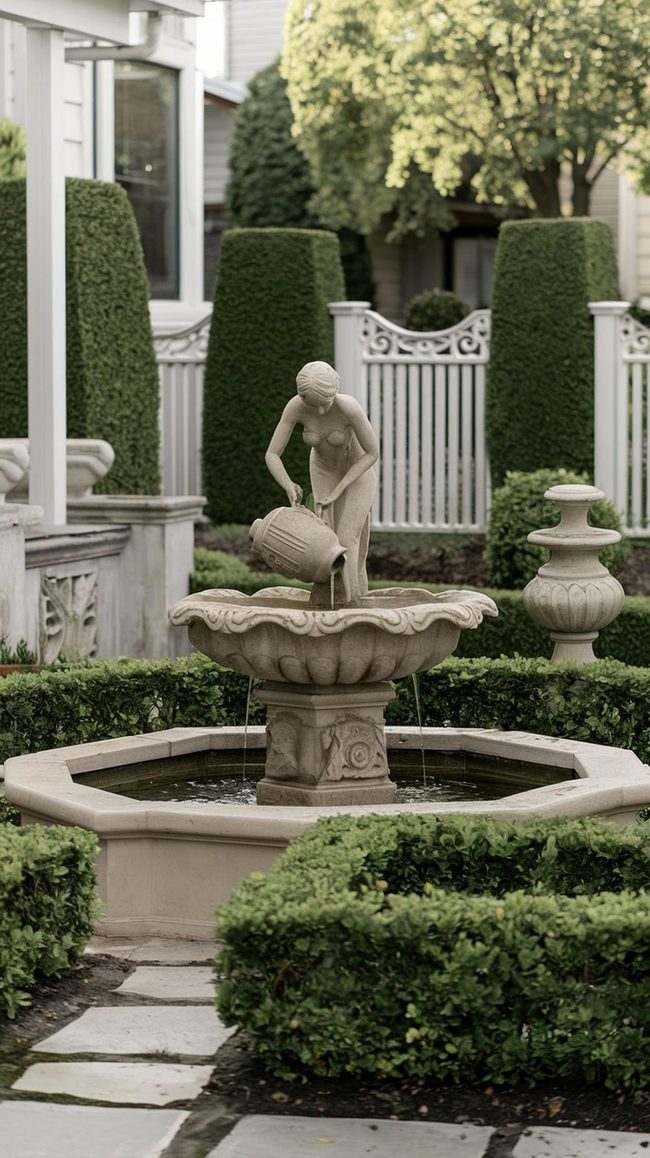
Bold sculptures and decorative fountains serve as polished anchors in your front yard design, drawing immediate attention with their artistic forms and unique shapes.
Stone fountains with flowing water add movement and sound to the landscape, while metal yard sculptures offer striking silhouettes that catch the bleached throughout the day.
Artistic planters in interesting shapes and finishes can stand alone as art pieces or hold your favorite plants and flowers.
Selecting pieces that match your home's style ensures everything works well together without clashing or feeling out of place.
Positioning these elements among trees, shrubs, and yard beds helps them blend naturally into the scenery.
You are able to find that spacing them thoughtfully around the yard prevents the area from feeling crowded or cluttered.
Small decorative accents placed on shelves, ledges, or pathways add layers of interest for anyone walking through your yard space.
In all piece you choose should reflect your personal taste and enhance the natural beauty of your landscaping.
Stone and Steel Patio Art
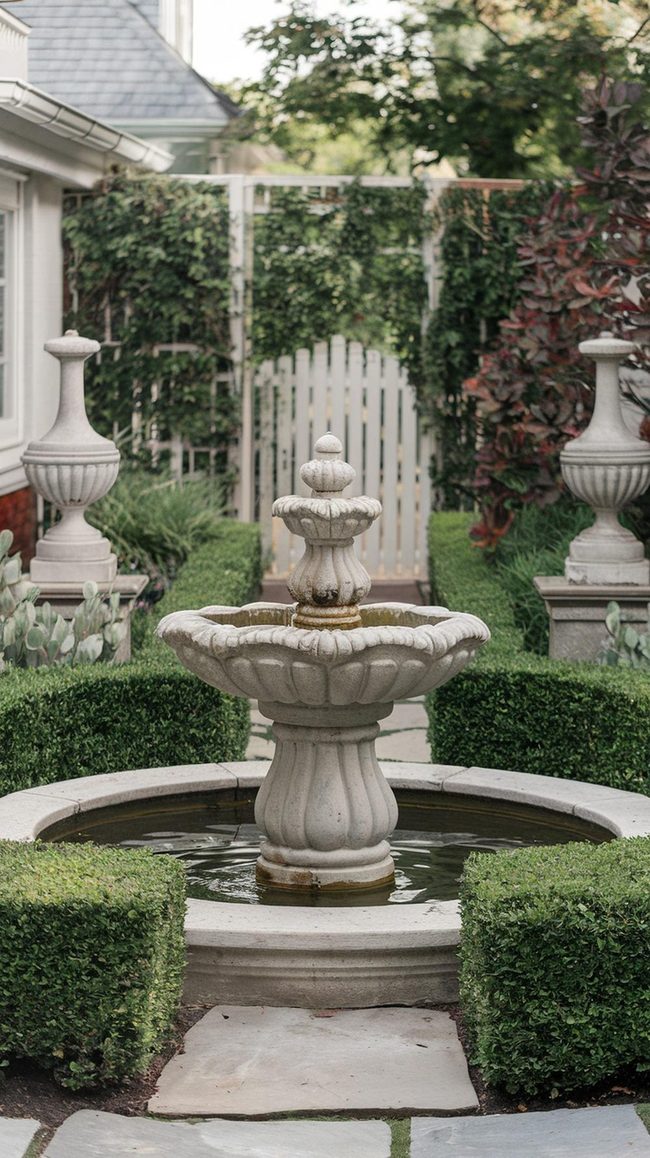
Stone fountains, metal yard sculptures, and artistic planters stand out immediately in your front yard and give the space real character while you're working on your landscaping design.
Every piece you select brings its own unique style and personality to the area.
Making sure these items match your home's design means everything flows together naturally.
Plants and greenery around these decorative elements help them shine even fresher.
We recommend thinking about where you will place eachpiece so it gets noticed from different angles.
Your yard becomes more interesting and beautiful when you mix art and nature this way.
These sculptural touches show off your taste and make visitors feel the difference right away.
Stone-Edged Flower Beds Brighten Yards
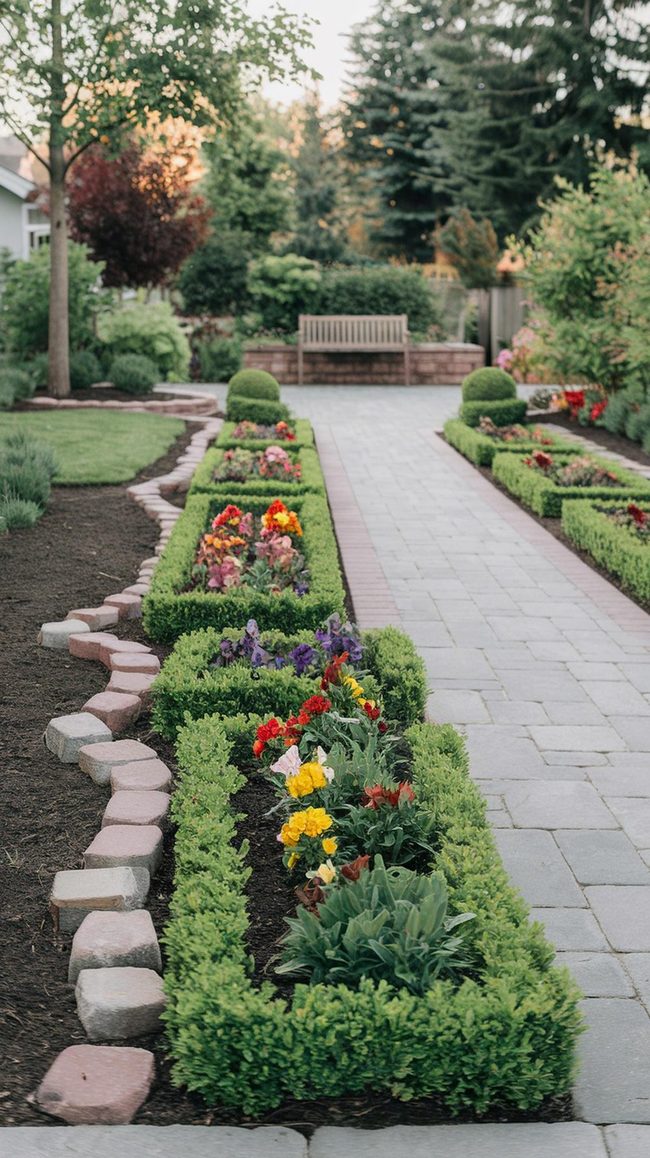
Smooth stone edges paired with well-lit flowers form the most striking way to define your front yard landscape, and this combination brings both order and visual appeal to your open-air space.
Metal or brick edging works just as well if you prefer a different look, and these materials help separate flowerbeds from the rest of your landscape.
If stone borders don't match your style, you can use dwarf plants or hedges to introduce a natural boundary instead.
These living borders look low-keyer and blend into the overall design without feeling as structured
You could find the space looks neater when flowerbeds have defined edges rather than fading into the grass.
Borders serve a built for regular use purpose too, keeping plants contained while making it easier to mow and maintain your lawn.
Whether you choose hard materials or natural plantings, adding these boundaries alters an ordinary front yard into a polished, well-designed open-air area.
Layered Green Walls Define Space
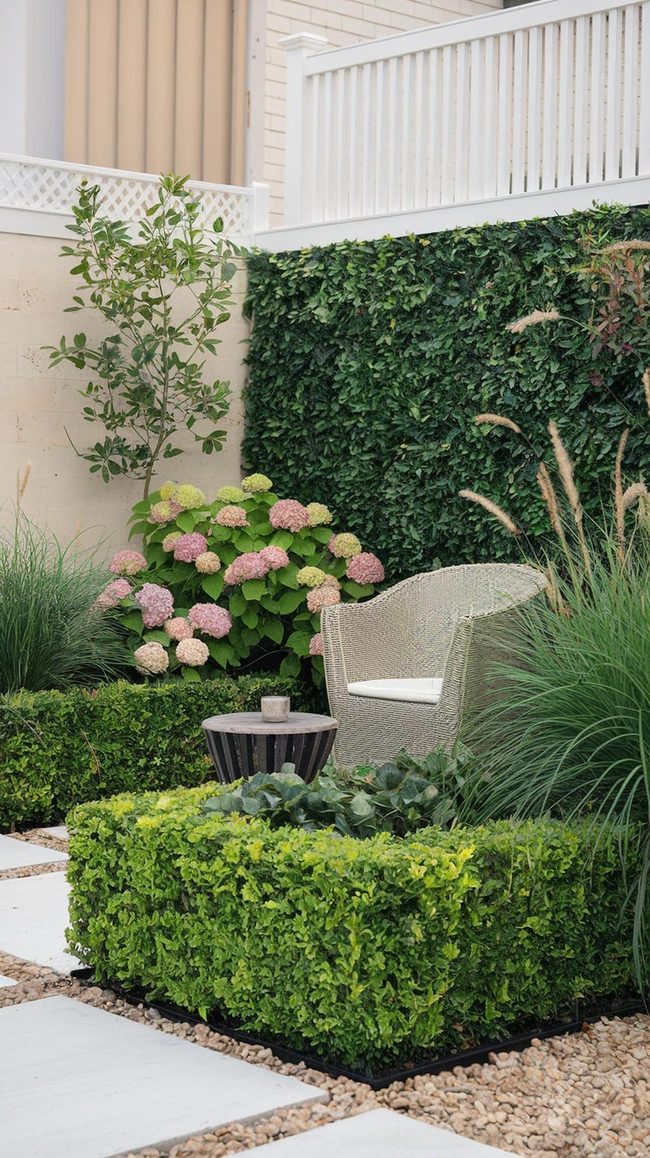
Shrubs and bushes layered at different heights give rise to a striking three-dimensional effect that alters your yard space while keeping the area private and protected from harsh sun without sacrificing natural whimsical.
Neat boxwood hedges offer a polished frame for your terrace, and flowering varieties like hydrangeas bring both gentleness and color to your landscape.
When you position these plants around seating areas and pathways, they enhance the overall appeal and make the space feel more connected and purposeful.
Choosing drought-resistant species means you can spend less time on upkeep and more time enjoying your terrace.
The combination of varied plant sizes and textures gives your yard depth and interest.
Cascading Roses and Wildflower Paths
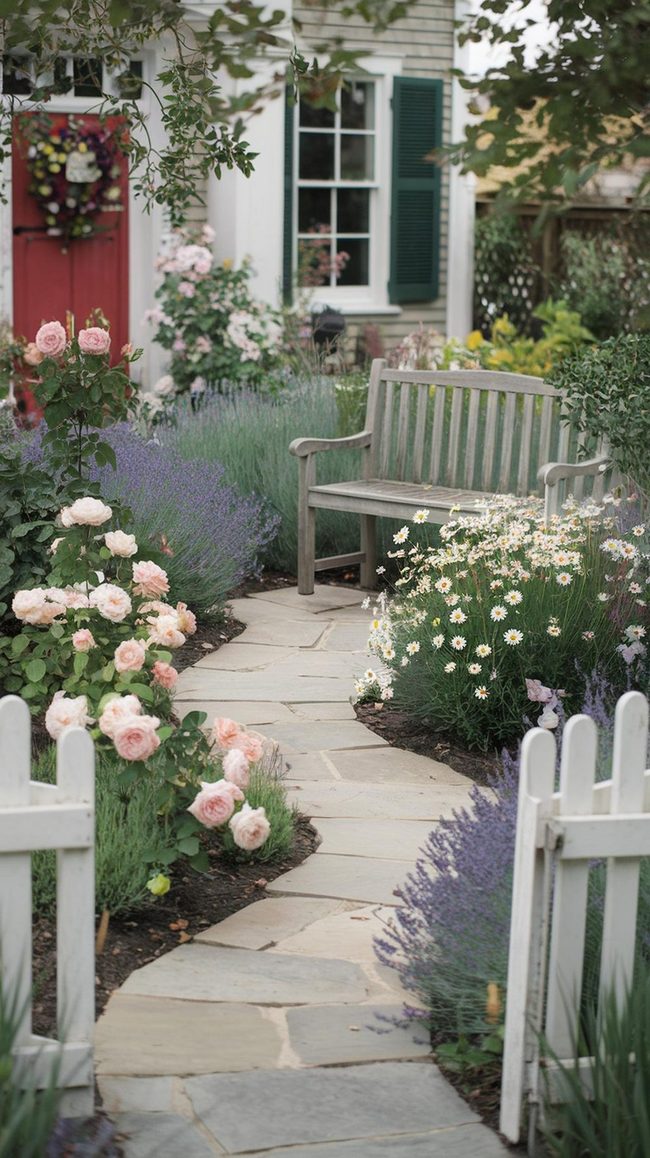
Flowering vines cascade across your cottage-style front yard and hanging greenery drapes down to frame the entire landscape in layers of green.
Colorful roses, lavender, and daisies group throughout the space and make the patio feel both romantic and full of life.
Stone borders and a white picket fence outline the beds and add those charming timeless touches that feel timeless.
Wildflowers line a winding path that pulls you deeper into the yard and encourages exploration.
Seasonal Flower Bed Layers
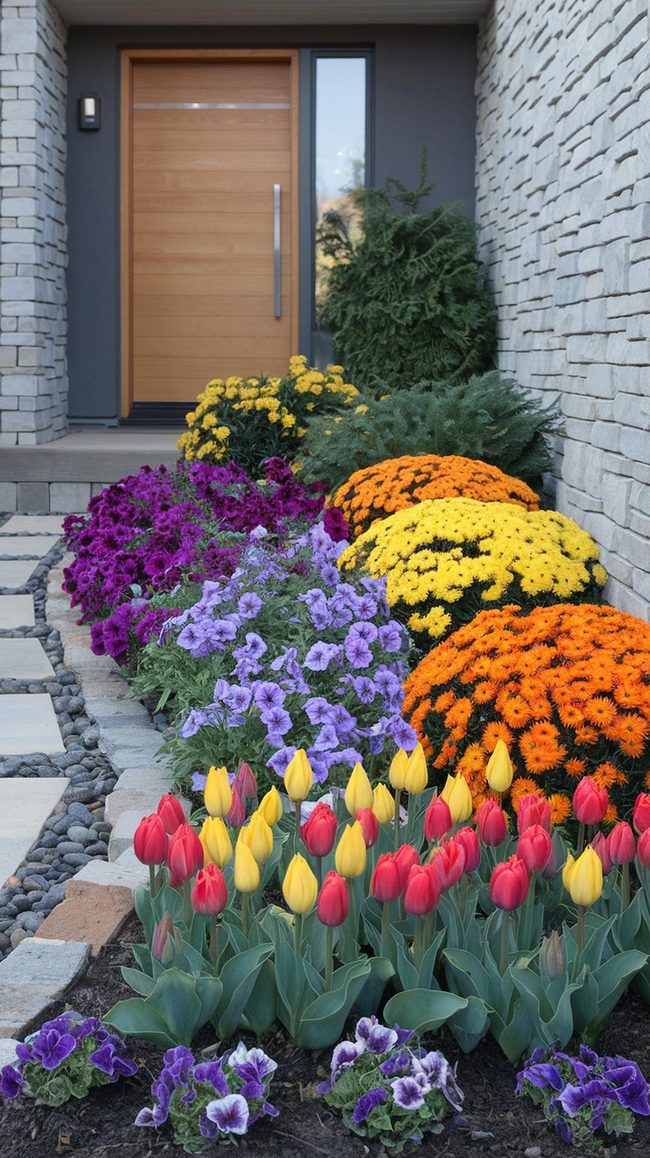
Arrange your front flower beds in layers of varying heights to make the entrance feel full and interesting, and swap out plants as seasons change to keep things fresh year-round.
Spring brings tulips and daffodils that pop with color right at your entryway, while summer calls for petunias and marigolds that bloom abundantly in the heat.
When fall arrives, asters take center stage with their delicate blooms, and winter's evergreens and red berries maintain that landscape presence even when temperatures drop.
Combining perennials with annuals means you get consistent flowers throughout the year without starting from scratch every season.
In this setup, works well because different plants thrive at different times, so your entrance always has something interesting to look at.
Whether you're coming home or welcoming visitors, these seasonal shifts keep your front landscape feeling alive and well-maintained rather than dull or neglected.
Shaded Seating Transforms Front Yards
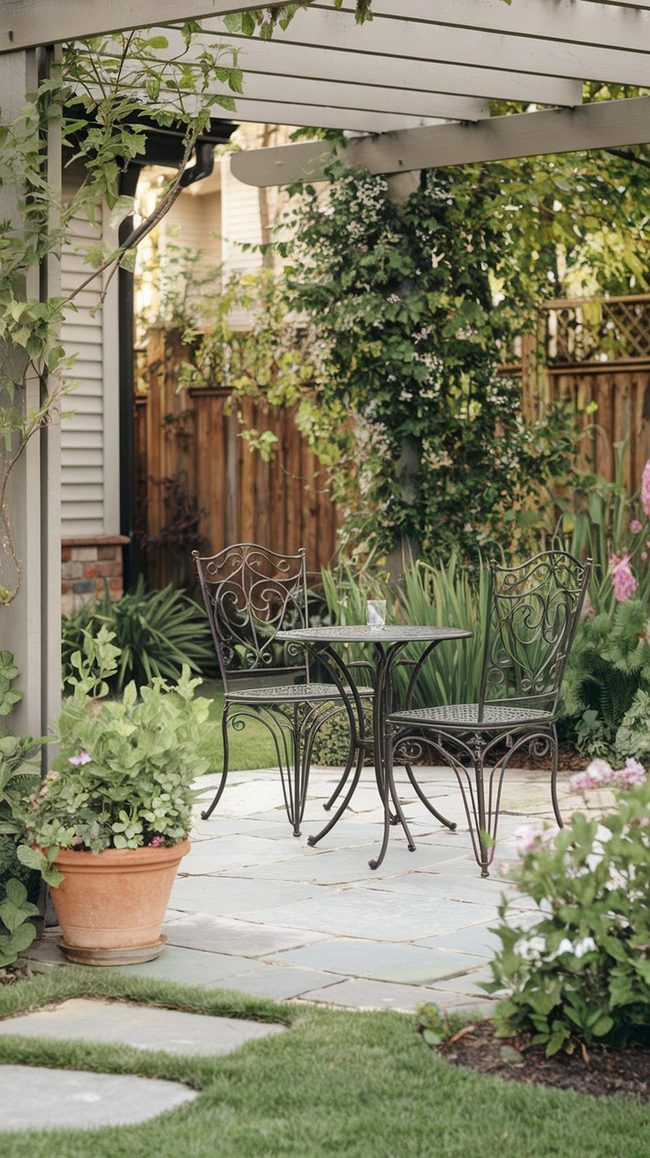
Settling into a front yard becomes possible when you position seating thoughtfully beneath trees or on stone patios where dappled sunbleached filters through leaves and set ups natural shelter.
Benches, bistro sets, and porch swings redefine your patio space into somewhere you actually want to spend time, and they do this while keeping your landscape looking polished and well-designed.
Beyond the seating itself, adding shade structures like pergolas makes the area more comfortable on hot days, and tall planters filled with greenery give you extra privacy so you can relax without feeling exposed to the street.
We often overlook how simple it is to turn a front yard into a functional spot where you can read, chat, or just enjoy the weather, and it requires nothing more than choosing pieces that suit your style and positioning them where they'll be most useful.
Whether you go minimal with one bench or set up a full zone with multiple chairs, the setup works because it serves a purpose and looks natural within your landscape.
Greenery around your seating area gentleens the edges and makes everything feel more connected to the rest of your yard.
Balanced Pathways Meet Winding Movement
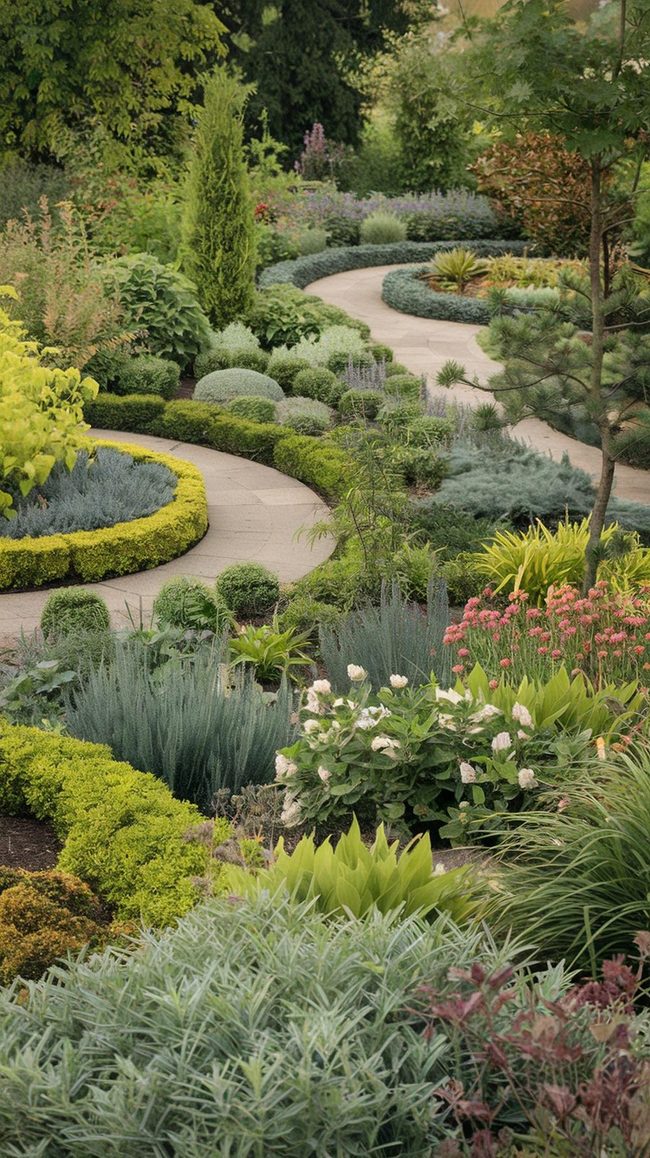
Symmetrical front yard designs grab attention immediately with their balanced arrangement of matching elements like twin towers flanking your entrance or identical flowerbeds placed on both sides of a center pathway.
We often see spatial idea work well because it set ups order and makes spaces feel organized and calm.
Asymmetrical layouts take a different route and offer something more dynamic through winding paths that meander across your yard and plants at varying heights that keep your eyes moving.
Irregular placement of materials and unexpected plant combinations bring visual interest without relying on mirror-image matching.
Both styles have their strengths and work for different homes depending on what you want your front yard to communicate.
Symmetry appeals to those who prefer clean lines and formal balance, while asymmetrical designs suit people drawn to natural, flowing movement.
You might find that one approach feels right for your space, or you could blend elements from both to get the best of what in all offers.
Either way, understanding these two design approaches helps you make choices that match your home's character.
Concrete Angles with Living Accents
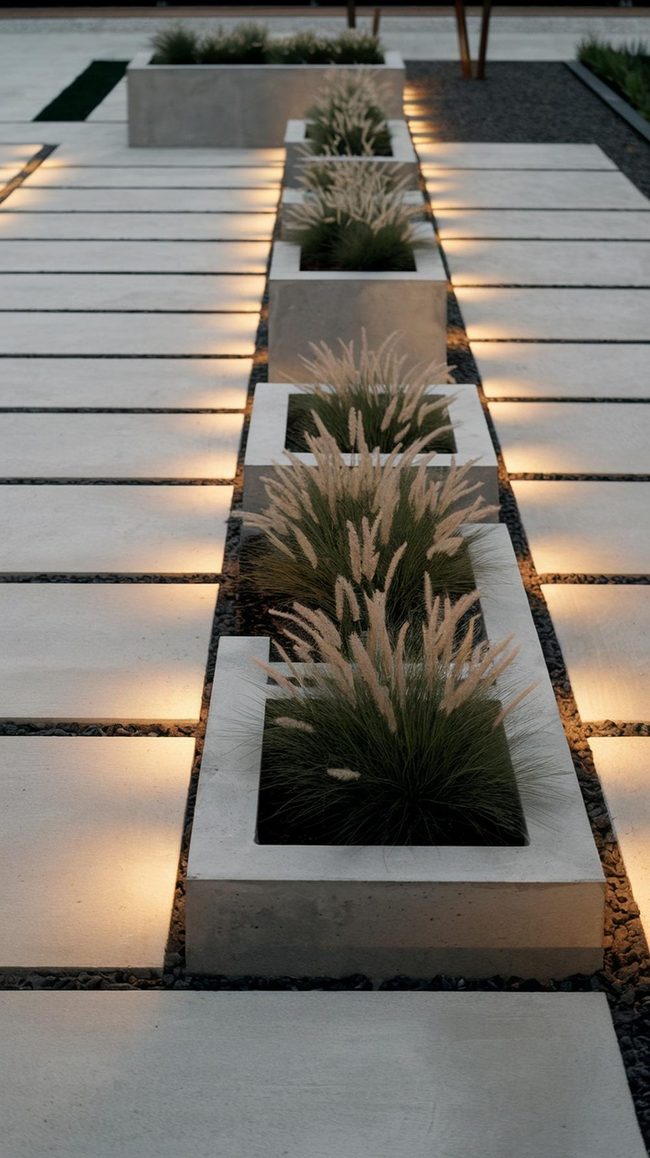
Concrete pathways with sharp angles and infinity edge planting boxes build the bold, geometric foundation that makes a contemporary minimalist front yard stand out immediately.
Neutral gravel or mulch spread across the space keeps everything looking clean and uncluttered while letting the hardscape shine.
Statement shrubs like Japanese maples and ornamental grasses add interesting texture and movement without taking over the design.
LED dayliting integrated into the landscape enhances that, contemporary feel and works perfectly with the pared-down aesthetic
You end up with a front entrance that feels sophisticated and calm, and it requires less maintenance than traditional landscaping.
The combination of ordered features and natural elements strikes a nice balance that looks both contemporary and welcoming.
Low Maintenance Minimalist Landscape
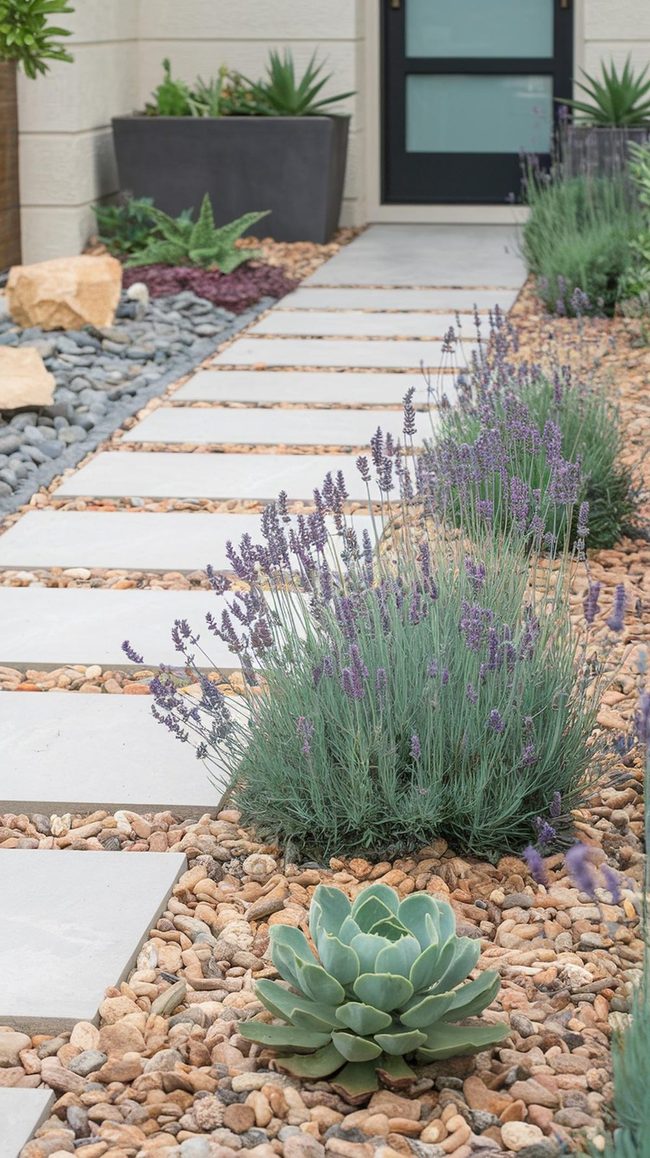
Swap out your lawn for decorative stones or artificial turf to get that polished, present-day look without spending weekends on yard work.
Drought-resistant plants like lavender and ornamental grasses thrive on their own and need far less attention than traditional flowers.
Mulch spread across your beds stops weeds from taking over and keeps soil moisture locked in so you water less often.
Gravel paths wind through your space and add visual interest while staying neat with minimal effort.
Set up an automatic irrigation system and you've basically solved the watering problem entirely.
You get a fresh, upscale look that looks purposeful and well-maintained, even when you're busy with other things.
Weathered Stone Pathways with Light
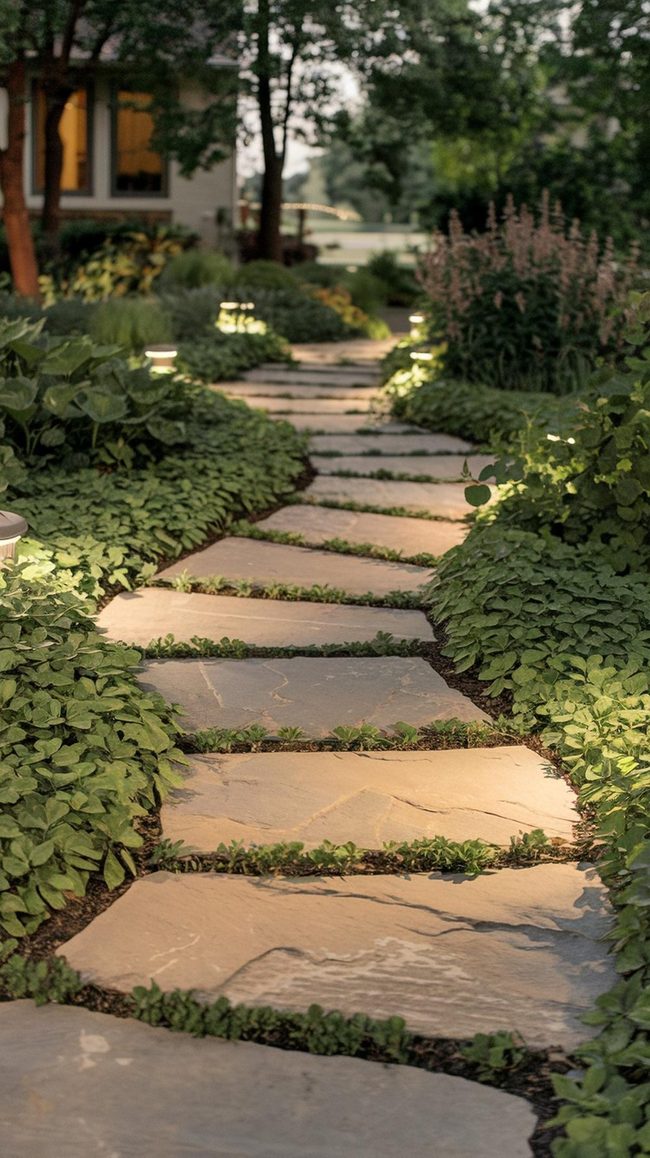
Stone pathways winding through your front yard bring about the most striking visual element in any landscape design, and choosing rustic materials like cobblestones or irregular flagstones gives the space an instant natural character.
Moss gradually grows over these surfaces and settled stones, building that worn, lived-in appearance that appeals to most homeowners.
If you add yard airying along the edges, you solve the adaptable to different needs problem of nighttime navigation while also highairying the texture and depth of the stonework.
Strategic placement of stepping stones bring abouts a natural flow through outdoor beds or across lawn areas.
Stone settles into its surroundings over time and develops its own patina and charm.
You are able to observe how to hardscaping grounds your property with timeless appeal without feeling overdone or present-day.
Simple stone pathways remain functional for years while gaining character and depth that new materials simply cannot match.
Balanced Symmetry Meets Rustic Movement
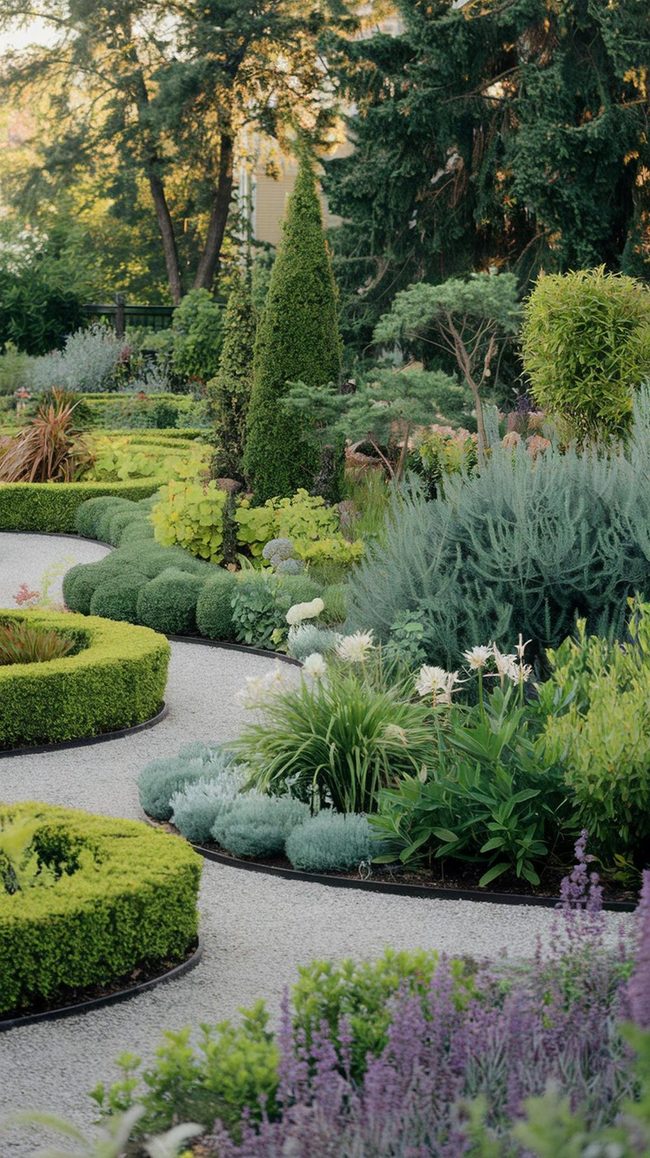
Symmetrical front yard designs grab attention with their balanced arrangement of matching elements like twin towers and identical flower beds positioned on either side of a center line, creating a formal and ordered feel.
Asymmetrical layouts, on the other hand, offer something different by using winding paths, plants at varying heights, and unexpected material placements throughout the space.
Both approaches have their own appeal depending on what mood you want to set.
Symmetry works well if you prefer structure and a polished appearance, while asymmetry lets you experiment more freely and keep things interesting.
We often see symmetrical layouts in traditional settings because they look neat and organized.
Asymmetrical designs work better when you want your yard to feel more natural and dynamic.
Most yards lean toward one style or the other, though some homeowners blend both approaches to get the best of across world.
Stone Pathways with Blooming Borders
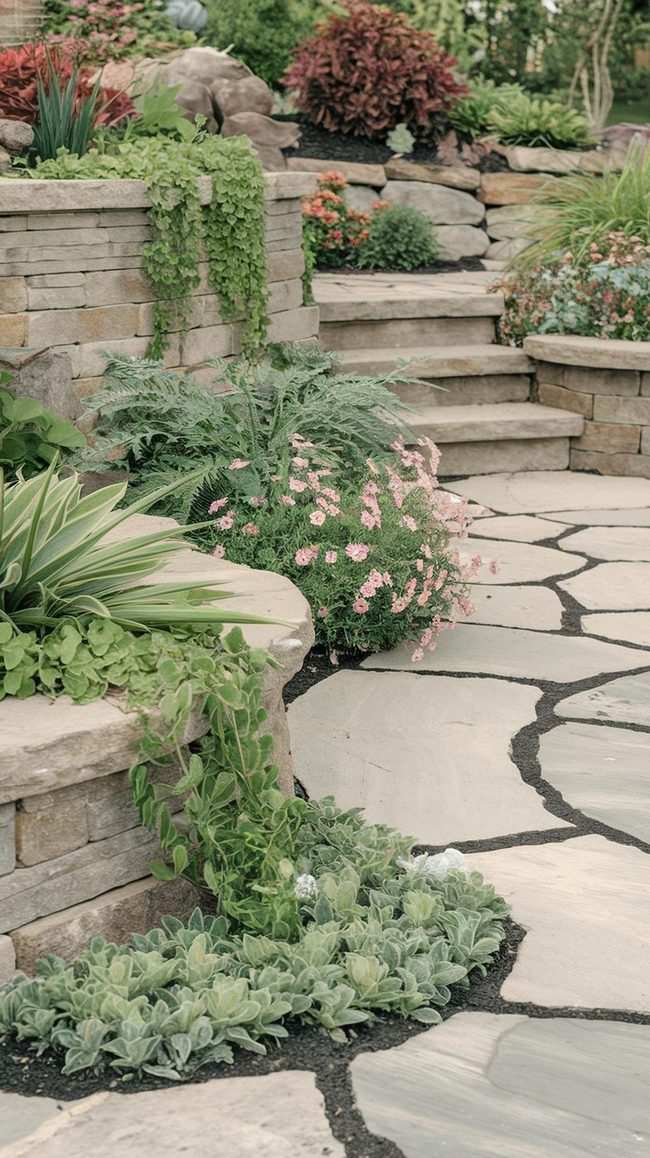
Front yard becomes more appealing when you mix hard and delicate landscaping elements together.
Stone pathways bordered by colorful flower beds immediately stand out and grab attention, while retaining walls filled with lush plants offer both beauty and purpose.
Hard landscaping like walls and pathways gives your exterior space a clear structure and framework.
Muted elements such as flowers, shrubs, and trees add warmth and life to those structured areas.
Matching your materials and colors across both types of landscaping helps everything work smoothly.
When you choose stones that complement your plant selections and use a consistent color scheme throughout, your front entrance feels both beautiful and functional.
The balance between hardscape features and greenery builds a yard that feels complete and welcoming.
We recommend stepping back to see how your hardscape and delicatescape interact with every other before finalizing your design choices.
Layered Trees Frame Your Home
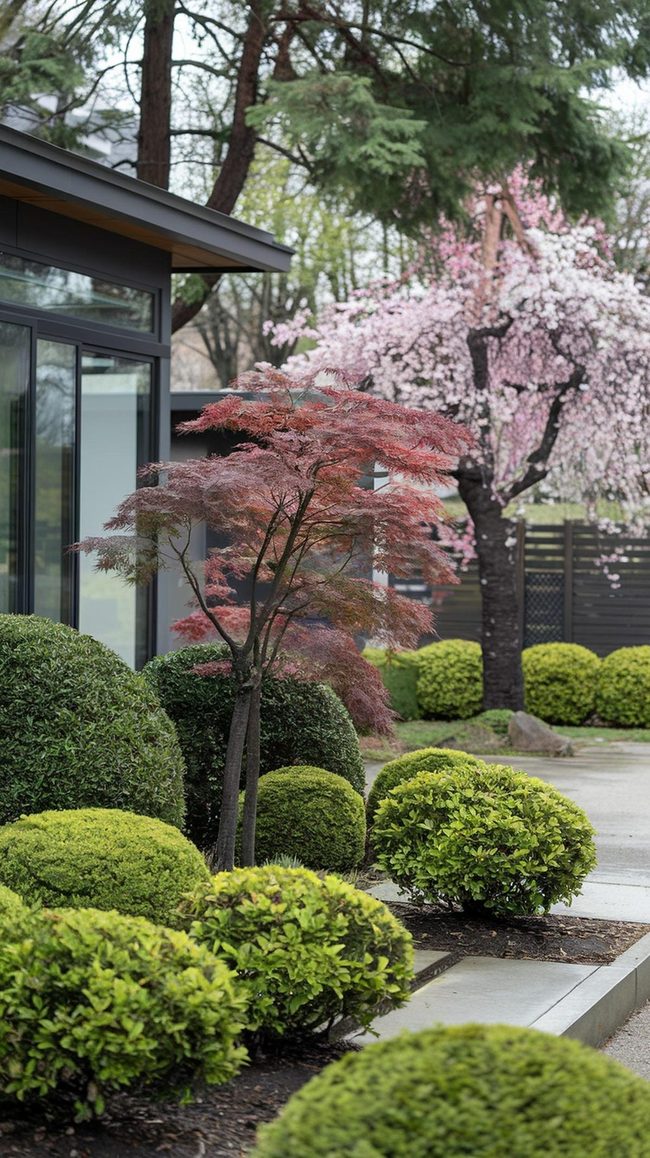
Trees form the foundation of any front yard design because they provide shade, structure, and changing seasons of color and interest.
Tall ornamental varieties like Japanese maples bring sophistication to your space, and flowering trees such as cherry blossoms cluster with vivid color when they bloom.
Evergreens keep your yard looking lush no matter the season, and positioning them thoughtfully frames your home beautifully.
We recommend understanding how eachtree grows and spreads so your landscape stays balanced rather than overcrowded.
By selecting trees with different heights and growth patterns, you can shape layers and depth throughout your front yard.
Size matters too since a tree that grows too large can overwhelm your home or shade out other plants you want.
Take time to research which species thrive in your climate and soil conditions before planting anything.
With the right trees in place, you could have a strong backbone for all your other landscaping choices.
Riley Summers
Co-Founder & Home Styling Expert
Expertise
Smart Space Planning & Layout Optimization, DIY Home Projects & Budget-Friendly Décor, Trend Forecasting & Sustainable Design, Practical Styling Solutions for Every Home
Education
New York School of Interior Design, New York, NY
Riley Summers knows that a well-designed home isn’t just about looks—it’s about function, comfort, and personality. As co-founder of [Brand Name], she specializes in smart space planning, trend-forward décor, and sustainable styling solutions.
With a background in interior architecture from NYSID, Riley helps homeowners maximize their spaces with clever layouts and easy DIY projects. She loves sharing budget-friendly decorating ideas that make high design accessible.
Outside of work, she enjoys strolling through NYC’s neighborhoods, discovering new design trends, and savoring a great cup of coffee.