10 Smart House Remodeling Planning Tips That Work

House remodeling planning tips can make the difference between a smooth renovation and a stressful disaster.
Many homeowners jump into projects without proper preparation, leading to budget overruns and timeline delays.
A well-organized approach helps avoid common pitfalls that derail even simple updates.
Strategic preparation ensures every decision aligns with both practical needs and aesthetic goals.
Smart coordination between contractors, materials, and schedules prevents costly mistakes down the road.
When renovations feel overwhelming, having a solid framework keeps everything on track.
Read on to learn how thoughtful preparation turns renovation dreams into reality.
I Appreciate Your Thoughtful Guidance About Analysis And Careful Consideration. However, I Notice You Haven’T Provided
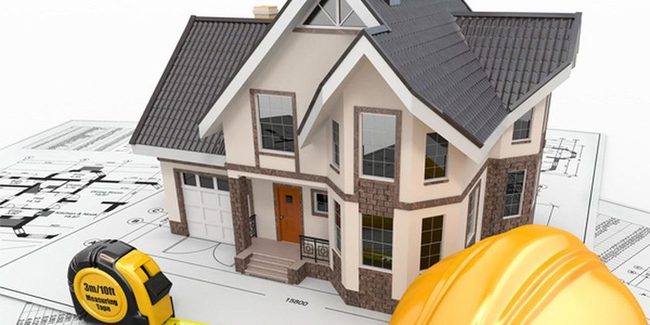
Before you move forward with any decision, take time to look at what you really want to achieve and think about it from different angles.
Doing your research helps you understand the situation better and makes your approach stronger and more effective.
When you examine things closely, you learn about the quality of what you're choosing and how it might affect your results.
This kind of careful study gives you a fuller picture of what you're working with.
Spending energy on analysis now means you'll have better information to work with later.
Breaking down your goals this way leads to smarter choices and better outcomes in the long run.
Blueprint Before Build
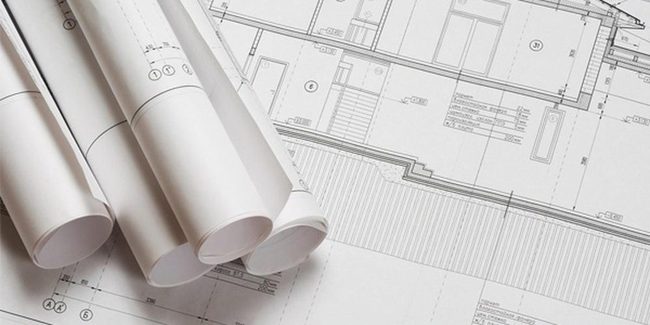
Sketching out your plans on paper gives you complete control over which details matter most and helps make sure your vision doesn't get lost along the way.
Drawing things out clearly shows you exactly what needs to be built and how all the pieces fit together.
You can work with designers or architects if you want extra input, but putting your ideas down yourself keeps you in charge of the project's direction.
Taking the time to outline everything before you start means you'll catch any issues early and stay aligned with what you actually want to build.
Even simple sketches help you see the full picture and understand how each part connects to the rest.
Whether you handle the planning solo or get professional help involved, having those drawings to reference keeps everyone on the same page.
This approach saves time later and makes the whole process smoother from start to finish.
Budget Negotiation Saves Money

When you're working with a contractor, effective negotiation directly affects how much your project will cost overall.
Starting with honest, open conversations lets you understand how flexible they are and whether they're ready to discuss pricing, which often leads to real savings.
People who negotiate well tend to find discounts or different options that work better within your budget limits.
Getting along with your contractor matters too, and the more comfortable you both feel talking through specific numbers and details, the easier it becomes to reach an agreement on price.
This kind of honest back-and-forth doesn't just help your wallet either.
It actually builds trust between you and them, making the whole project run smoother from start to finish.
When you invest time in finding middle ground early on, you set yourself up for better results and fewer surprises down the road.
The relationship you develop during these conversations often carries through the entire job.
Weather-Smart Building Timeline

When you schedule your construction project during favorable seasons, you sidestep delays from rain, snow, and storms that can halt work and damage materials.
Talking with your builders about timing gives you insight into when they have open schedules and what the weather typically does in your area during different months.
This kind of planning keeps things moving forward without the frustration of stopping and starting again, and it means your team can work steadily without losing momentum or money to preventable setbacks.
Quality Materials, Lasting Home

When you're building or renovating a home, the quality of your materials directly affects how long everything lasts and whether your house stays safe for your family.
Even the best contractor needs oversight to make sure high-grade supplies go into every part of your project.
Some builders focus on finding specific items that work for what you need, and that's helpful, but you still need to know how to spot quality yourself.
Your home is a major investment, so paying attention to the basic elements matters more than you might think.
We recommend learning to evaluate materials on your own rather than relying completely on someone else's judgment.
Taking time to understand what goes into your walls, roof, and foundation protects your money and your peace of mind.
Good materials cost more upfront, yet they save you from expensive problems later.
Making smart choices about what builds your house means your home will stand strong for many years to come.
Professional Quote Breakdown Guide

Getting accurate price quotes from professionals like engineers and architects forms the foundation of any remodeling budget.
You'll need to map out every single part of your project, from the basic structure work all the way through to finishing touches, so you can see exactly what your total investment will be.
Talking with specialists such as electricians matters too, since their expertise directly shapes what you'll actually spend.
Breaking down each component this way helps you understand where money goes and makes it easier to decide what matters most to your space and wallet.
We recommend collecting multiple estimates before settling on your final figures.
These conversations with trained professionals give you the real numbers needed to plan confidently.
When you know all the costs upfront, you can make choices that match both your vision and your financial reality.
Active Site Oversight Prevents Problems
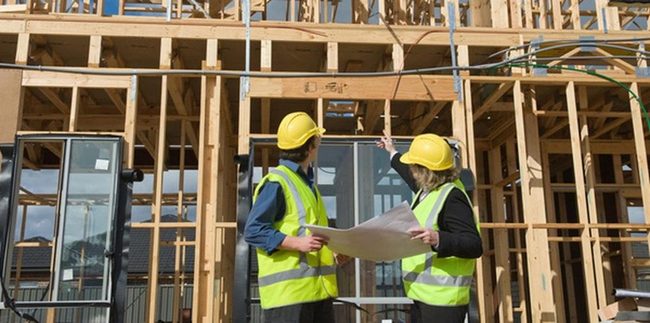
Keeping a close eye on your construction site throughout the building process helps you catch problems the moment they happen and make quick decisions about fixes or changes.
When you visit regularly, you can talk directly with contractors and workers about any concerns, which keeps everyone on the same page and prevents costly mistakes down the road.
Being hands-on during construction lets you spot quality issues early and handle them before they become bigger headaches later.
I think staying involved in your build matters because it gives you control over how things develop from start to finish.
You'll find that frequent visits make it easier to adjust plans or address unexpected challenges without pushing back your timeline.
Building a house takes real commitment, but showing up and staying connected to the work helps the whole project run more smoothly and gives you peace of mind about your investment.
Trusted Hands Through Networks

When you need to hire experts for a project, word-of-mouth recommendations from people you trust can point you toward professionals who have proven their abilities time and again.
A contractor who already has solid relationships with specialists in relevant fields can make the whole process run more smoothly and keep your project on track.
Personal endorsements matter even if you've hired similar professionals in the past because they give you extra reassurance about your decisions.
Selecting people whose skills have been tested through actual work experience helps ensure your project turns out well and stays within your expectations.
Personal Space Planning Essentials

When you think through what your ideal living space looks like, you're setting yourself up to build something that matches who you really are, whether you're starting fresh in a new house or updating what you already have.
Picturing how rooms flow, what colors surround you, and where your favorite pieces sit helps you turn those ideas into actual plans that fit your budget and needs.
Getting clear on the details - from wall tones to furniture placement - lets you understand what genuinely makes you feel calm and energized at home.
Once you know what you want, deciding on paint, layouts, and furnishings becomes straightforward because those choices align with how you actually live.
We find that this kind of thinking ahead removes the guesswork and helps you move forward with confidence.
Starting with a clear picture of your space means your decisions will feel right for your daily life and personality.
Written Contractor Agreement Essential

Before you start any home renovation project, getting a signed contract with your contractor is absolutely necessary, whether you're a first-time renovator or have done this before.
This agreement protects both you and the contractor by spelling out exactly what work will happen, how much it costs, and when it will be finished.
Skipping this step and relying only on a handshake or verbal promises often leads to confusion, disagreements, or money problems later.
With a solid contract in writing, you and your contractor both know what to expect from day one and can stay on the same page.
Throughout the entire remodeling process, you have a document to refer back to if questions come up and to hold everyone accountable.
If something goes wrong, you also have legal protection in place.
Making contracts non-negotiable is one of the smartest moves you can make to feel confident and secure while your home gets renovated.
Riley Summers
Co-Founder & Home Styling Expert
Expertise
Smart Space Planning & Layout Optimization, DIY Home Projects & Budget-Friendly Décor, Trend Forecasting & Sustainable Design, Practical Styling Solutions for Every Home
Education
New York School of Interior Design, New York, NY
Riley Summers knows that a well-designed home isn’t just about looks—it’s about function, comfort, and personality. As co-founder of [Brand Name], she specializes in smart space planning, trend-forward décor, and sustainable styling solutions.
With a background in interior architecture from NYSID, Riley helps homeowners maximize their spaces with clever layouts and easy DIY projects. She loves sharing budget-friendly decorating ideas that make high design accessible.
Outside of work, she enjoys strolling through NYC’s neighborhoods, discovering new design trends, and savoring a great cup of coffee.