
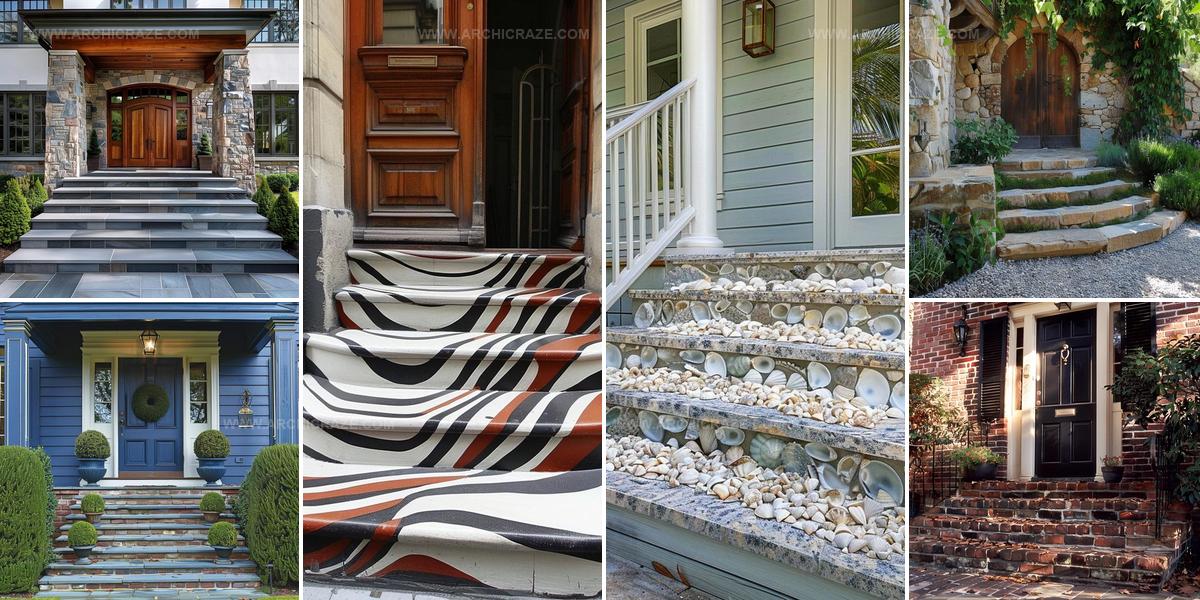
13 Inspiring Front Door Steps Ideas That Welcome Guests

Inspiring front door steps ideas can completely change how welcoming a home feels before anyone even walks inside.
The entrance sets expectations and establishes mood for every visitor who approaches.
Simple adjustments to steps make dramatic differences in curb appeal and perceived value.
Materials, colors, and design choices all contribute to that crucial first impression homeowners want to achieve.
Fresh approaches to this often-overlooked area demonstrate personality and attention to detail.
Small spaces hold enormous potential when treated with creativity and intentional planning.
See how a few thoughtful changes can make guests feel genuinely excited about what awaits beyond the threshold.
Patterned Tile Front Entry Steps
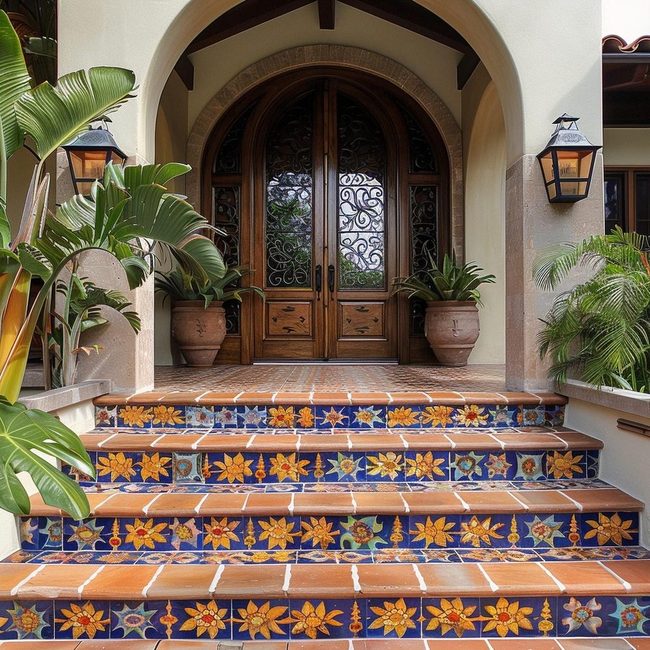
Gorgeous tile on your front entry steps creates an immediate visual impact that graces your home's architecture and makes visitors feel welcomed from the moment they arrive.
You can choose from classic marble and natural stone for a traditional aesthetic, or go bold with decorative mosaic tiles featuring geometric patterns and floral motifs that add personality and contemporary flair.
Both horizontal treads and vertical risers can be tiled for a connected look, or you might pair bluestone treads with wood risers to balance cool tones and warmth.
Installing tile requires skill and precision, the stairs must be structurally sound before you begin, and you can need to measure thoughtfully, cut eachtile to fit, apply thinset mortar, and finish with grout and sealer.
Though the process takes time and effort, the result lasts for years and reworks your entryway into something substantial and refined.
Natural stone in classic patterns suits traditional homes beautifully, while more colorful tiles suit modern spaces.
This upgrade moves beyond simple maintenance into a permanent improvement that changes how your home feels every single day.
If you're willing to invest in the work, tile delivers elegance that endures.
Local Stone And Gravel Steps
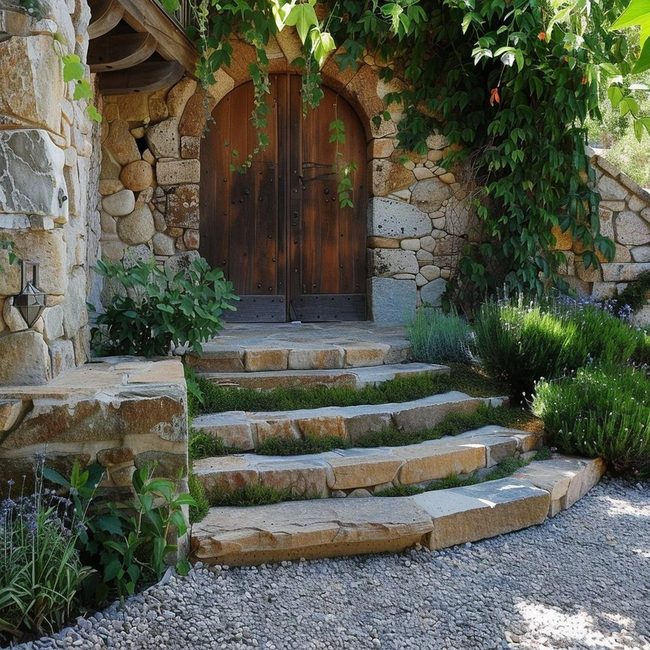
If you enjoy the beauty of natural materials and rustic charm, consider building a staircase using locally sourced stone and fine gravel that blends seamlessly into your garden or yard.
Stack irregular flagstones as treads and fill the risers with rounded river rock or pea gravel, allowing tiny stones to settle into the gaps between rocks for a unified appearance.
Sand-colored limestone, fieldstone, or slate work wonderfully for this style, and skipping mortar altogether keeps the design loose and informal, just nestle the stones together and tamp gravel into the spaces between them.
Open sides and exposed rock give the stairs that raw, weathered quality that echoes natural paths you'd find outdoors, and sourcing your stone on-site means the steps will feel like they belong right where they are.
For a bit of seasonal character, tuck small sedums into the rocky crevices where they'll flourish and spread.
Low-maintenance and beautiful, this earthy combination of stone and gravel sits gracefully within the landscape and pairs well with modern farmhouse or craftsman-style homes without demanding much upkeep over time.
Red Brick Entry Staircase Steps
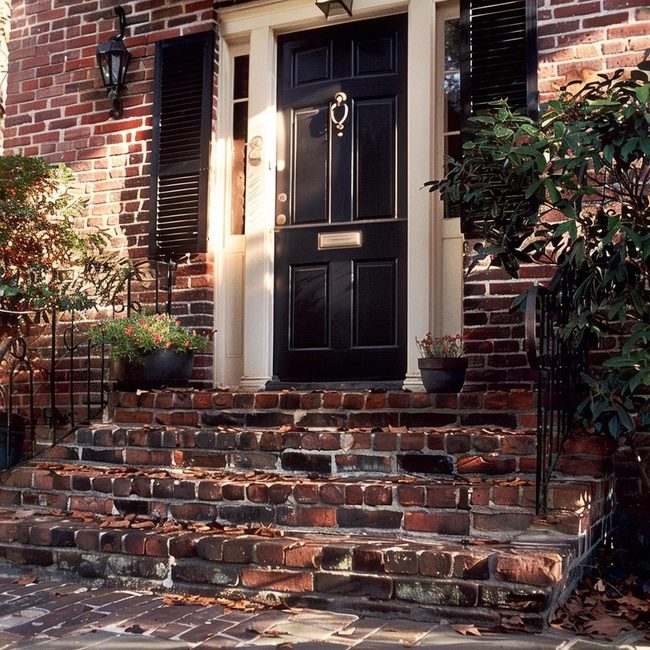
Brick steps deliver a rich, earthy appearance that instantly upgrades your home's front entry and boosts curb appeal in a major way.
You can choose from traditional red brick or explore unexpected colors like brown, white, or blue-grey to match your home's character.
For new stairs, pour a solid concrete base first and then apply brick veneer to cover the sides and treads, laying the bricks in patterns such as herringbone, basketweave, or running bond with mortar between them.
If you want to refresh existing concrete steps without a full replacement, thin brick veneer or brick facades work wonderfully and require careful measurement and cutting to fit around the edges and treads smoothly.
Once installed, leave small joints between bricks and use mortar to hold everything securely, then refinish the top tread for a polished surface.
Brick complements traditional architecture beautifully and reflects your home's existing masonry visual cues while remaining affordable and low-maintenance over time.
Pairing your brick steps with plantings like hydrangeas or boxwood shrubs enhances the natural warmth and welcomes visitors year after year.
Seashell-Embedded Concrete Stairway
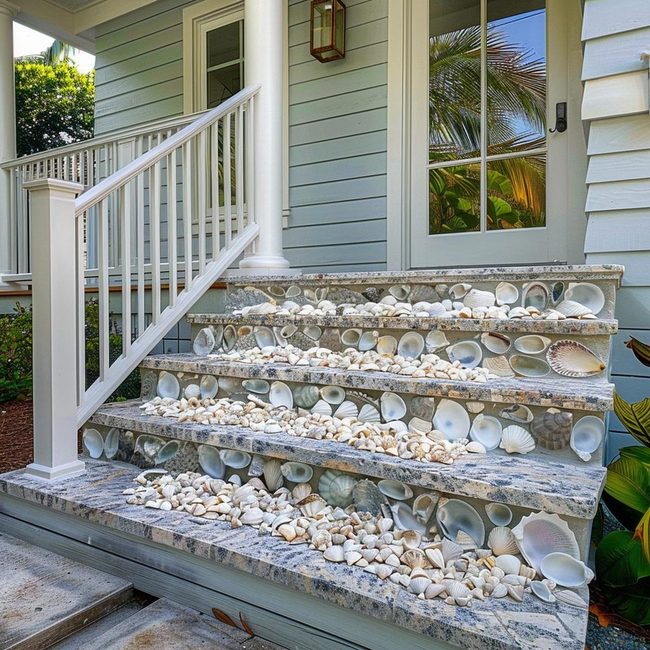
If you love the beach and want to bring that peaceful seaside feeling right to your front entrance, embedding seashells into your stair design offers a refined way to do it.
Large scallop shells, clamshells, starfish, and urchins set into wet concrete bring about natural texture and ocean-inspired color that catches the light beautifully.
Concrete steps provide the ideal base for pressing shells in place before they dry, and a clear sealant locks everything down and protects your work.
For a softer look, you can use white seashells to highlight just the risers or edges, or arrange delicate shells in white, cream, and blush tones along neat rows on the stair treads.
Keep safety in mind by choosing shells that sit flush rather than sticking up where someone might trip.
Once your seashell steps are done, pair them with wicker furniture, whitewashed decking, palm trees, and nautical accessories around your entrance and you will have bring aboutd a beach oasis that feels like a year-round vacation.
This coastal style works especially well if you live near the water, but honestly, these steps bring that relaxed waterfront atmosphere to any home.
Weathered Natural Timber Entry Stairs
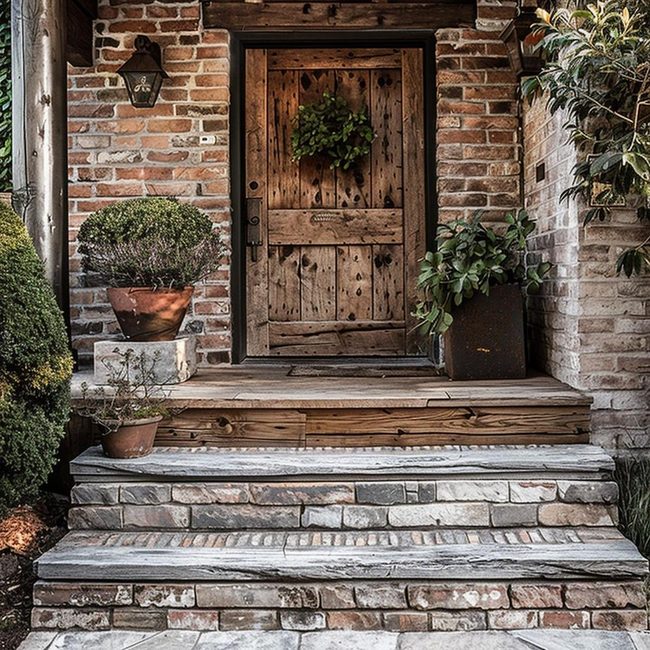
Reclaimed wood steps bring a striking, weathered beauty to your entryway that immediately sets a rustic tone for your home.
You can use distressed barn wood with its natural texture and imperfections, or mix planks of oak, pine, and cedar in varying widths and lengths to build character into the design.
Installing these pieces over an existing staircase works well when you nail or screw them securely in place, and leaving small gaps between boards adds visual depth and interest.
Another approach involves building steps entirely from salvaged beams and old lumber right into your yard, which gives you more freedom to play with the rustic effect through mixed stain colors and sizes.
A clear sealant protects the wood from weather while letting the natural grain shine through, and over time the wood develops an aged patina that blends seamlessly with surrounding gardens.
You may find that arrangement works nicely for traditional homes looking to add warmth and character.
Stone or brick borders paired with planters full of greenery complement the reclaimed wood beautifully and ground the rustic feel in the landscape.
Concrete Ramps Enhance Entry Access
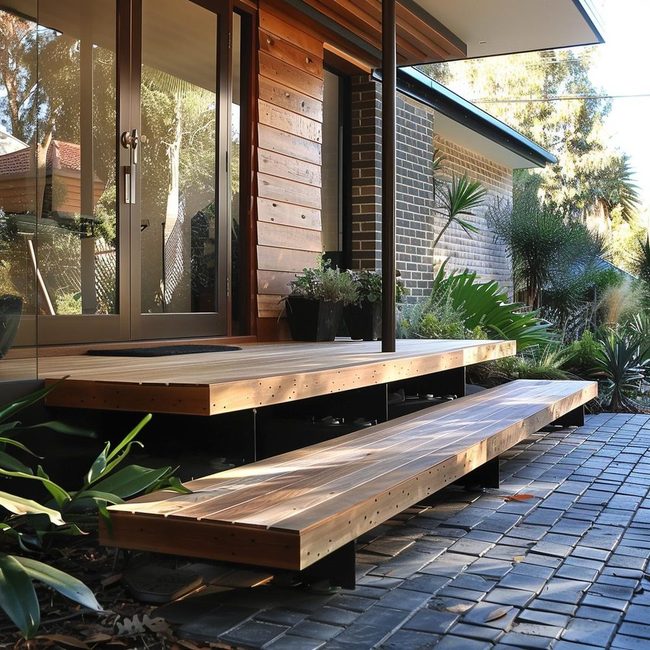
This sloped ramp at your entry makes an immediate visual statement while offering accessibility for anyone using a wheelchair, walker, or scooter without sacrificing style or safety.
You can build these ramps from concrete, wood, metal, or modular components, and the best ones maintain a gentle slope of no more than 1 inch of rise for every 12 inches of length.
Level platforms should appear every 30 feet and wherever the ramp changes direction, and non-slip surfaces keep everyone secure underfoot.
Ramps work best when they're at least 4 feet wide with protective railings on the sides for both support and safety.
Matching your ramp materials to your home's existing style, whether that's wood decking, stone walls, or wrought iron railings, helps it blend seamlessly into your architecture rather than looking institutional.
Keep the ramp clear of debris, snow, and ice throughout the year for both safety and appearance.
Regular maintenance and proper grading matter just as much as the initial design when it comes to keeping your entry looking great and functioning well.
Opening your front door to visitors should reflect the beauty inside your home and set a welcoming tone that lasts for years to come.
Embossed Concrete Steps In Earthy Tones
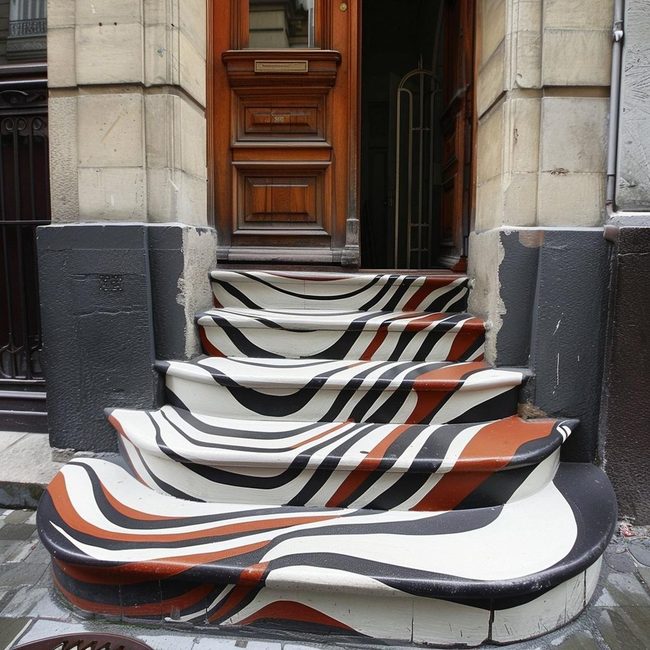
Stamped and stained concrete stairs deliver a textured, patterned surface that looks like real stone, brick, tile, or wood planking without the high cost of those premium materials.
You can imprint new concrete with stamping mats while it's still wet, or apply a concrete overlay stamped with texture to existing steps.
Earthy stain colors such as terracotta, peach, brown, or slate give your stairs a natural, grounded appearance and need minimal upkeep once sealed.
Since you customize both the stamp patterns and the stain shades, the possibilities for unique designs are nearly endless.
Unlike plain poured concrete, stamped surfaces show realistic impressions and intricate detail that elevate basic stairs into something special.
Sealing the finish protects both the pattern and color from wear and weather.
Durable stamped concrete lets you get the sophisticated look of slate or tile at a fraction of the price, turning ordinary steps into distinctive outdoor features.
Oak And Stone Staircase Blend
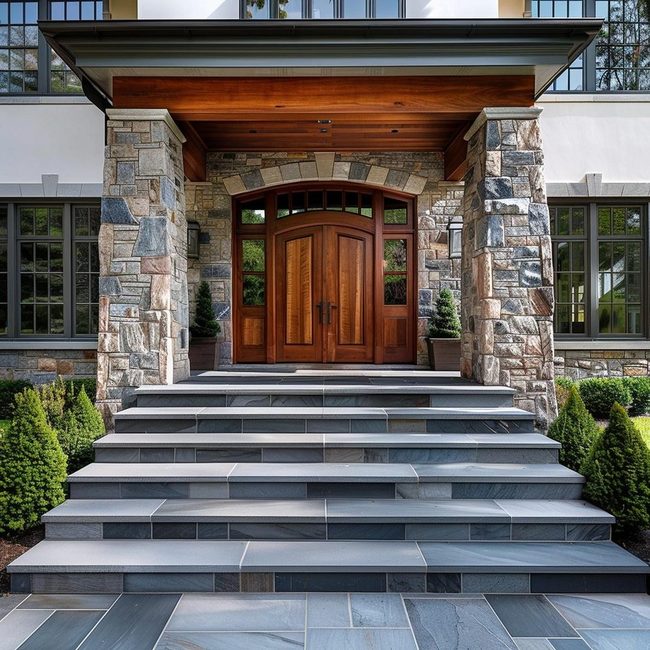
Pairing wood, stone, and metal together on your staircase produces striking visual interest that catches the eye immediately, and mixing these varied materials works beautifully whether you prefer traditional or modern design styles.
Wood risers paired with stone or concrete treads showcase the rich grain and warmth of wood alongside the cool, solid surface below, or you could frame streamlined glass panels with thin strips of wood and stainless-steel cable railings for a contemporary look that makes a real statement.
In open-air spaces like garden paths, slate stepping stones can transition into wider stair treads made from reclaimed wood planks, then flow down into a pea gravel or river rock walkway that makes your home feel connected to its surroundings.
Complementary textures and hues allow across material to shine while balancing the overall design, and mixing nature's different surfaces adds warmth and character to your open-air areas.
Rather than limiting yourself to one finish, blending various materials lets your staircase reflect your own personal style and taste.
Combining these contrasting elements in thoughtful ways means your everyday steps become something worth noticing and appreciating.
Illuminated Stone Steps Glow Nightly
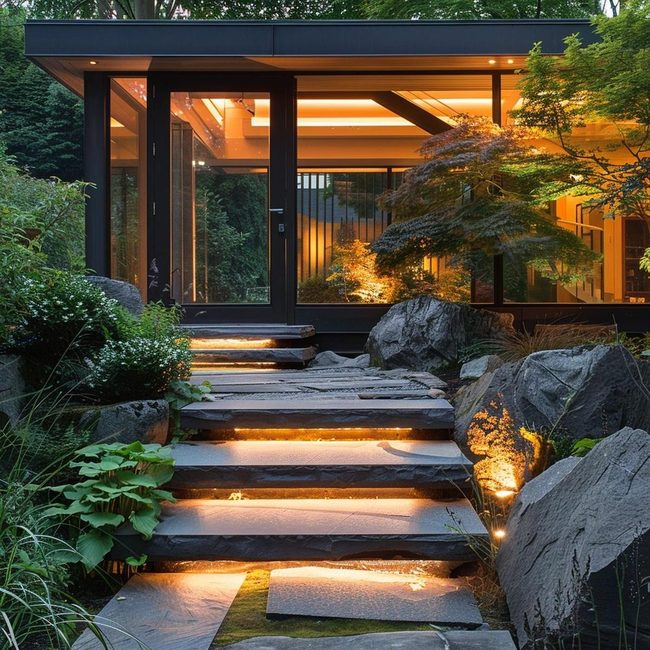
Lit hardscape steps with embedded glass strips or side-lit aggregate give rise to a stunning nighttime focal point that glows like jewels in your outside space.
LED strips or low-voltage bulbs placed within the stone and pebble mixture bring those materials to life with an internal radiance that's both beautiful and functional.
You can also use upward or downward lighting positioned along the sides or beneath in all tread to illuminate safely without changing how your steps actually look.
Glass tiles with lights shining through them or glass block steps with tiny clear lights nestled between offer another way to blend nature and electricity seamlessly.
For stairs you already have, adding uplighting alongside or beneath in all step works well, and small recessed downlights above the treads keep things safe when darkness falls.
Smart technology lets you control everything from your phone, which means you can adjust brightness and timing whenever you want.
Warm-toned lighting works best because it flatters both the stone surfaces and anyone walking across them while reducing harsh glare.
Your staircase becomes a glowing beacon after sunset and serves its safety purpose at the same time, so it earns its place in your landscape design day and night.
Transparent Glass Steps Flood Light
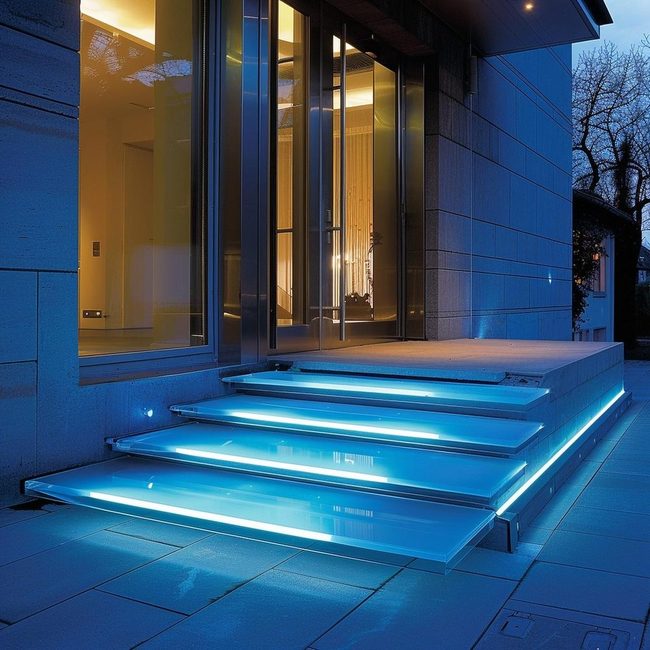
Modern glass staircases offer a breathtaking visual experience, especially when backlit with underwater lights or uplighting that creates dazzling nighttime effects.
Glass block steps deliver a streamlined, minimalist aesthetic and come in clear, frosted, or colored tints that you can arrange with mortar on stair treads after building your side supports.
Mirrored or metallic tile risers amplify the light-bouncing quality, and you can pair frosted glass panel infills within the risers for interesting texture and shadow play.
For a contemporary home, combining floating concrete treads with glass infill panels opens up smaller spaces beautifully and delivers that clean-lined, cutting-edge element that makes an outstanding first impression.
Tempered glass cut to size and adhered within metal frames provides both safety and structure, and the arrangement complements metal or wood staircase frameworks with ease.
Light passes through the transparent material and amplifies your surrounding architecture, and the weightless quality of glass gives your staircase an airy feel.
Whether you're going with simple glass blocks or full glass paneled risers, these luminous stairs serve as a remarkable focal point in any contemporary home.
Green Sphere Boxwoods Frame Entryway
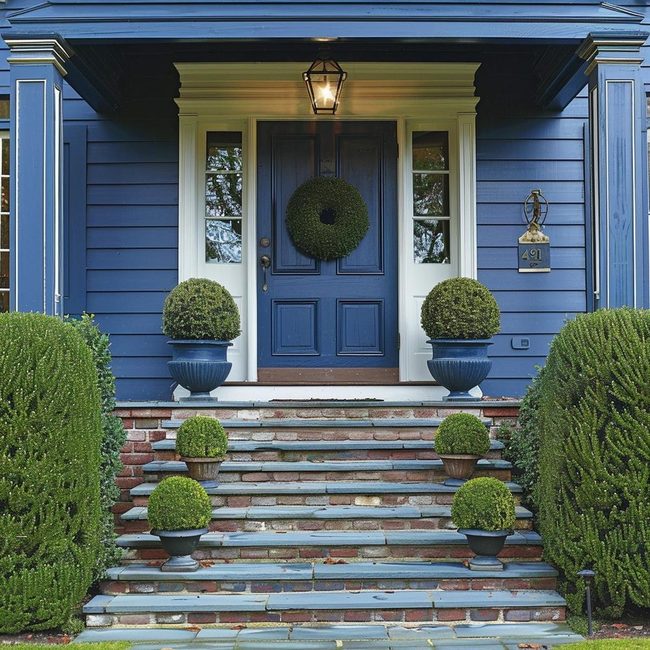
Boxwood topiaries standing sentinel on your front steps deliver that charming Southern farmhouse style everyone admires, with their rounded and spiral forms creating striking green sculptures that instantly elevate your entryway.
These pruned evergreen shrubs connect directly to the grand traditions of Georgian and Victorian estates, where decorative boxwoods lined stately homes with unmistakable sophistication.
Flank your staircase with compact varieties like Green Velvet or Green Mountain, which stay appropriately sized without overwhelming the space, and pair them with white urns spilling cascading ferns for added warmth and character.
Regular clipping keeps their ornamental shapes sharp and polished, while their pleasing green tones and interesting texture bring an approachable but still dignified feeling to your home's entrance.
You can arrange rectangular boxwood planters along both sides of your steps, keeping them neatly trimmed so they balance nicely with your home's architectural lines.
Whether your house leans Colonial, Craftsman, or any style in between, these classic plants work beautifully and frame your entryway with timeless presence.
Select pots or planters that coordinate with your color scheme and let these traditional beauties welcome visitors with genuine Southern charm and style.
Painted Steps Pop With Cherry Red
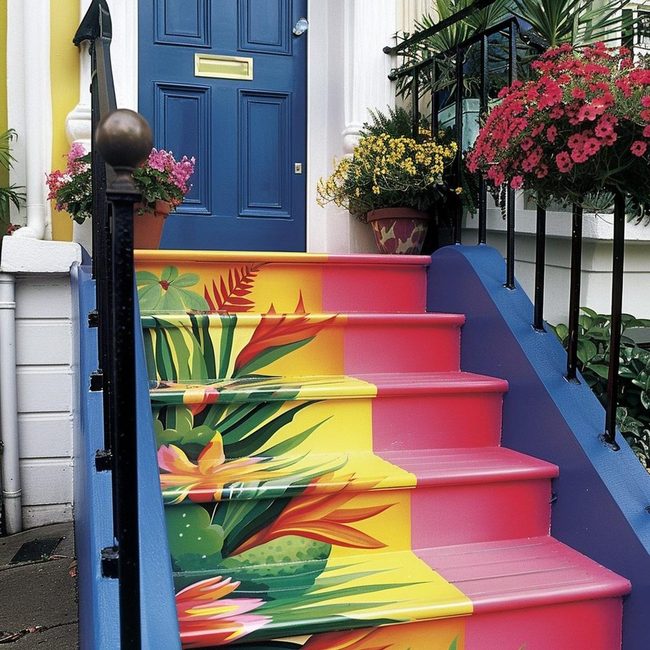
Painting your front entry stairs in a light-filled, bold color is one of the easiest and most affordable ways to boost your home's appearance, and glossy hues like cherry red, sunshine yellow, or cobalt blue make an immediate and cheerful statement that catches attention from the street.
Start by thoroughly cleaning the stairs to remove any dirt or residue, then apply a high-adhesion primer so the paint adheres properly.
You can typically need two to three coats of outdoor latex paint applied with either a brush or sprayer, which takes just a few hours total.
Extending that same color onto side banisters or railings keeps everything coordinated throughout your entryway.
Placing color-matched flower pots on either side of the stairs enhances the overall look and adds another layer of visual interest.
This straightforward DIY project gives your home an instant facelift and a fun, lively personality without breaking the bank.
Your entry now radiates energy and makes a strong first impression on anyone who visits.
Best of all, you can easily customize the color to match your personal style and make your front door area feel uniquely yours.
Beige Limestone Entry Stairs
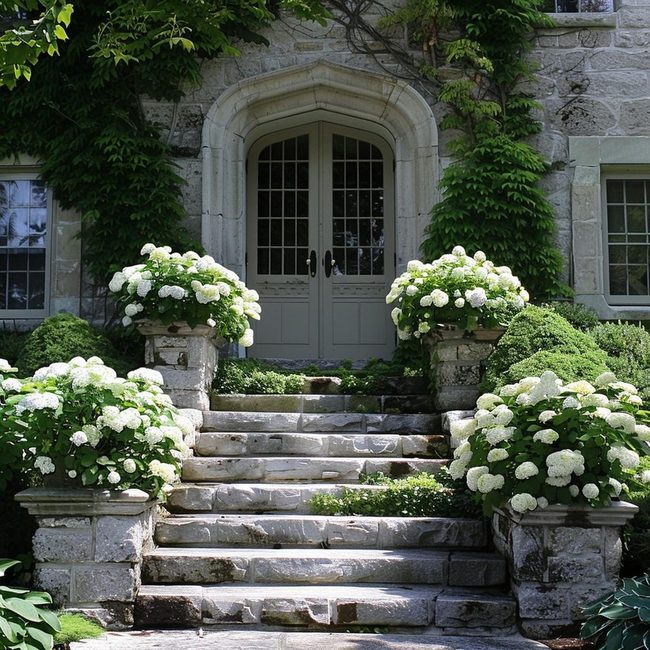
Natural limestone steps bring an unmistakable sense of permanence and sophistication to any front entry, with their earthy beige tones and muted-toned surface swirls catching light in ways that polished materials simply cannot match.
You will spot the raw-edged quality of limestone slabs cut into treads, along with their naturally textured surface that prevents slipping while maintaining that authentic, unhewn appeal.
The stone works beautifully whether you opt for larger uniform tiles or mix varied sizes for a more organic look, and it pairs well with brick or stucco exteriors to enhance your home's overall character.
Installation involves setting the limestone pieces with mortar over a concrete base while building solid side supports and risers that will last for decades.
Planting cascading ivy or fragrant lavender beds alongside the steps mutedens the regal appearance and adds living color to frame your entrance.
Limestone actually improves with age, developing a natural patina that deepens its character rather than detracting from it.
While the upfront cost is significant, this stone delivers a grounded, timeless quality that complements everything from traditional homes to modern ones.
For anyone seeking to boost curb appeal through genuine architectural elegance, limestone steps offer that enduring grace that simply doesn't fade with trends.
Morgan Huxley
Founder & Creative Director
Expertise
Interior Design & Bold Décor Concepts, Creative Color Applications & Artistic Details, Budget-Friendly Styling, Sustainable Design Practices
Education
Parsons School of Design, New York, NY
New York Institute of Art and Design (NYIAD)
Morgan Huxley is a designer with a passion for bold interiors that feel personal and inviting. As the founder and creative director of [Brand Name], he helps homeowners bring color, texture, and personality into their spaces. With a degree from Parsons and a decorating certificate from NYIAD, he blends artistic expression with practical design solutions.
Morgan believes that great style shouldn’t be out of reach. He shares budget-friendly tips, sustainable ideas, and creative design tricks to make any home feel elevated.
When he’s not designing, you’ll find him exploring NYC’s art galleries, street murals, and food spots for fresh inspiration.