
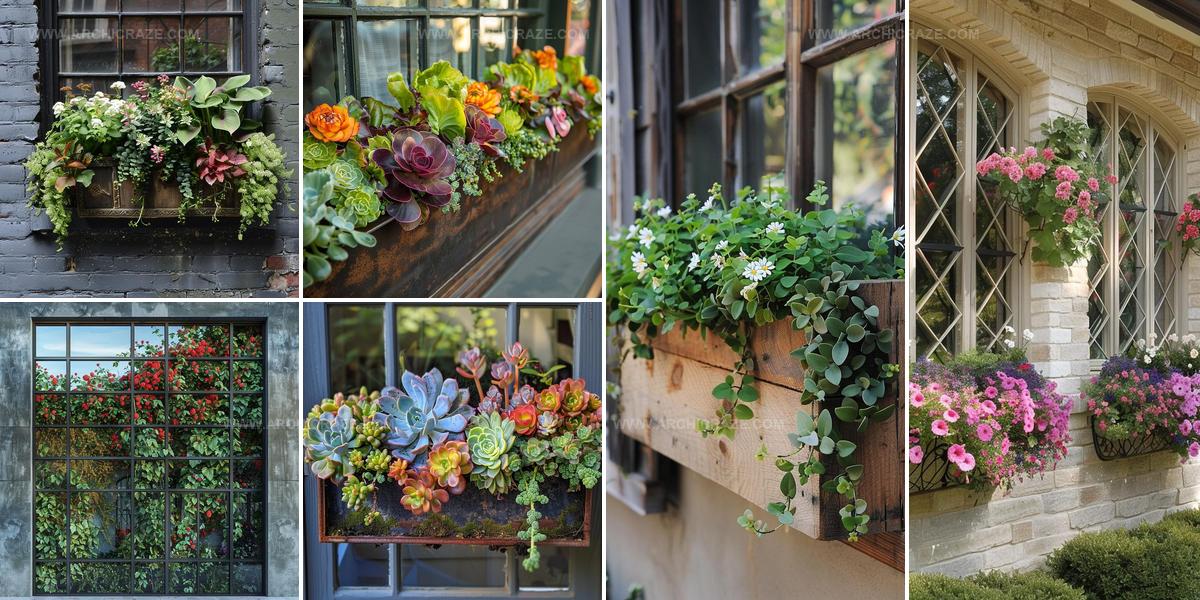
13 Creative Window Box Ideas That Inspire Your Space

Window boxes offer a simple way to add charm and personality to the exterior of any home while bringing natural beauty closer to where you live.
Fresh flowers, herbs, or greenery arranged in containers beneath windows can completely change how a house looks and feels from both inside and outside.
Whether you live in an apartment or a cottage, these compact gardens work beautifully in small spaces and make it easy to cultivate plants without needing a large yard.
The versatility means you can adapt designs to match different seasons, styles, and preferences throughout the year.
Container gardening at window level also makes maintenance more convenient since everything stays within easy reach for watering and care.
From classic cottage charm to modern minimalist aesthetics, the options span every decorative direction you might prefer.
So many creative approaches exist that will help you design something uniquely suited to what appeals to you most.
Black Window Boxes With Colorful Blooms
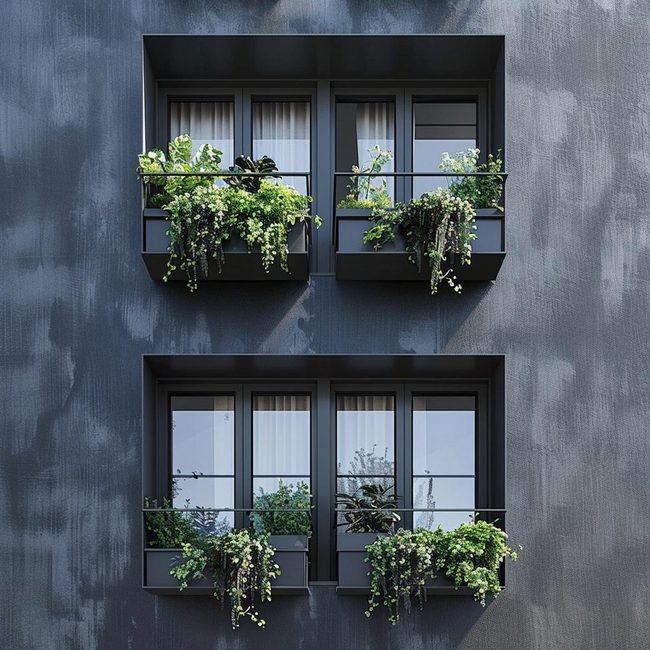
Black window boxes offer a striking way to enhance your home's exterior, and they shine brightest when filled with bold blooms like red, purple, pink, or white flowers that pop against the dark frame.
If you prefer something calmer, cascading greenery such as ivy or silver dollar eucalyptus works beautifully to add depth and texture while the cool tones blend well to establish a peaceful feel.
You have two solid options when it comes to materials: painted wood is budget-friendly and gets the job done, while powder-coated aluminum gives you a more polished, long-lasting solution that resists wear.
Both styles contrast wonderfully with brick or stone walls, pulling the eye to your windows and making your home feel more finished.
Whether you go bold with flowers or keep things understated with greenery, you're making a smart choice that feels both refined and useful for everyday living.
The combination of durability and visual appeal means you're investing in something that'll look good year after year.
Fresh Herbs And Vegetables Growing
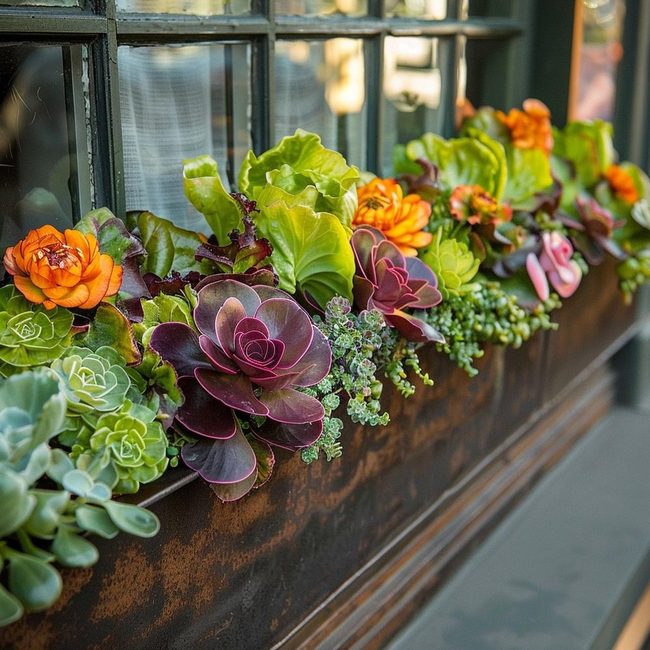
Edible window boxes bring fresh herbs and vegetables right to your kitchen, and you can grow trailing varieties like thyme, oregano, sage, and mint that spill over the edges in beautiful cascades.
Strawberries, nasturtiums, and calendula flowers add both color and flavor to your window, while dwarf fruit trees such as miniature apples, peaches, and blueberries offer surprising harvests from a small space.
For a useful for everyday living salad garden, plant mixed greens and lettuces directly in your boxes, and root vegetables like radishes, beets, and carrots grow well in shallow soil.
Compact tomato, pepper, and chile plants work great for window boxes when you select container-friendly varieties that won't outgrow the space.
To keep your edible boxes thriving, position them where they receive at least six hours of sunlight across day, and water consistently so the soil stays moist rather than dry or waterlogged.
Regular fertilizing feeds your plants throughout the growing season and helps you get the most from your harvest.
Cascading Vine-Filled Window Boxes
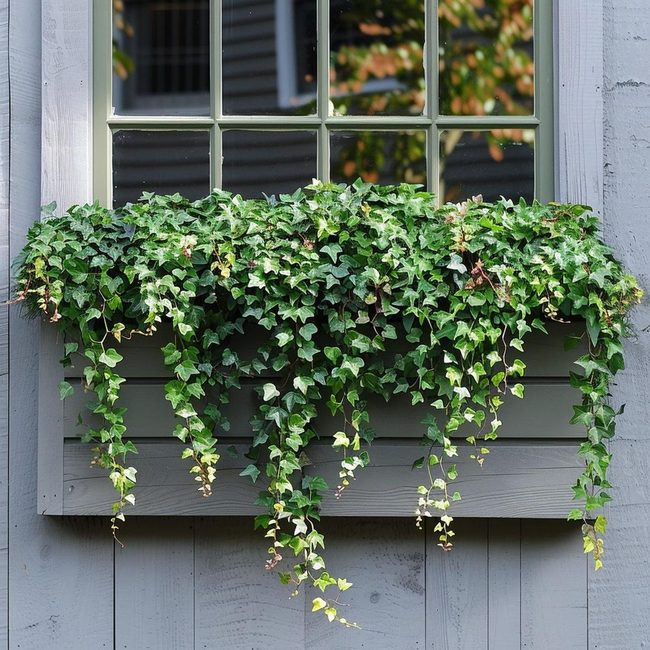
Plant a few trailing vines in the center of your window box and surround them with shorter annuals to bring about a lush display that spills over the edges with grace.
Ivy leaf morning glory, black-eyed Susan vine, potato vine, lophospermum, calibrachoa, sweet potato vine, and thunbergia all work well for this purpose.
As these vines mature, they drape downward in tasteful waves that soften the hard lines of your window frame and add dimension to your home's exterior.
You could want to pinch back the vines occasionally so they branch out more densely and fill in any sparse spots.
Proper drainage matters too, so make sure water can flow freely through your window box rather than pooling at the bottom.
This combination of upright and trailing plants gives you a full, abundant look without requiring a lot of fuss.
Your window will look like it's bursting with color and life from spring right through fall.
Vintage Crates And Creative Containers
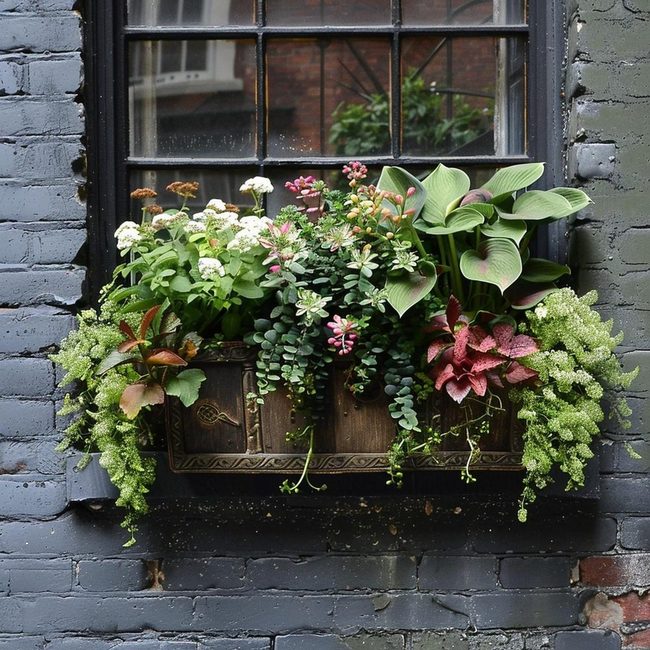
When you're dealing with an odd window size or shape, unconventional containers become your best friend for creating window box displays.
Mounted vintage crates or old toolboxes stuffed with blooming flowers work wonderfully beneath horizontal eaves or above garage windows and make quite a statement.
Macrame hangers serve as excellent supports for small pots on any vertical wall space you want to brighten up.
Hunt through flea markets and garage sales to score forgotten tins, buckets, milk cans, and wooden crates waiting for a second life.
Once you've found your containers, drilling drainage holes and adding simple brackets refines them into functional planters ready for your favorite greenery and blooms.
Composition lets you add personality and charm to those tricky corners and narrow spaces that regular window boxes just won't fit.
The result is a customized look that feels entirely yours and turns awkward architectural features into opportunities rather than obstacles.
Year-Round Flowers Versus Seasonal Blooms
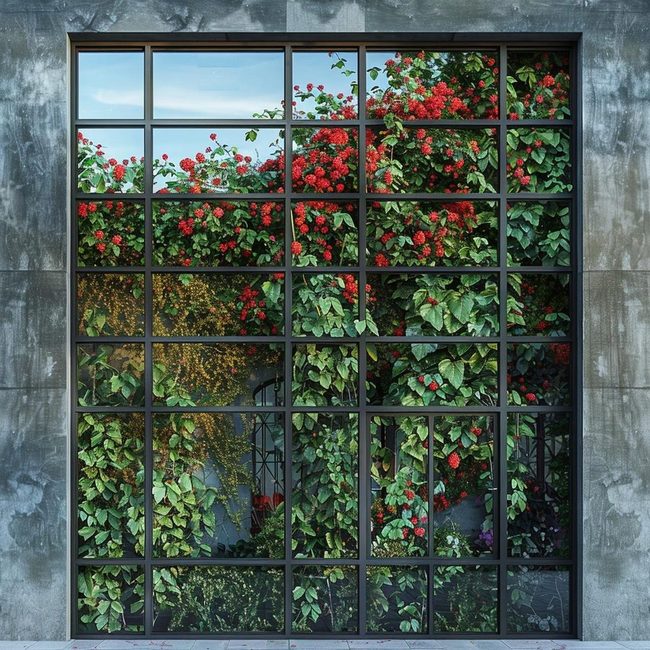
Window boxes group with color whether you choose annuals or perennials, and throughout option has distinct advantages for your space.
Annuals like geraniums, petunias, marigolds, verbena, begonias, and impatiens deliver nonstop blooms all season long and come in endless color combinations and sizes that let you refresh your look year after year.
On the flip side, annuals demand frequent watering and cost more since you replace them annually.
Perennials such as daylilies, lavender, coral bells, coreopsis, astilbe, hosta, and ornamental grasses offer better value over time because they return throughout year and typically need less water and attention than annuals.
However, perennials have a narrower window when they actually flower, and you can eventually need to divide or swap out plants once they get too large.
If you want constant color all season and don't mind the extra watering, annuals are your best bet.
For a lower-maintenance approach that rewards patience, perennials make solid long-term investments for your window boxes.
Vertical Vines Above Window Boxes
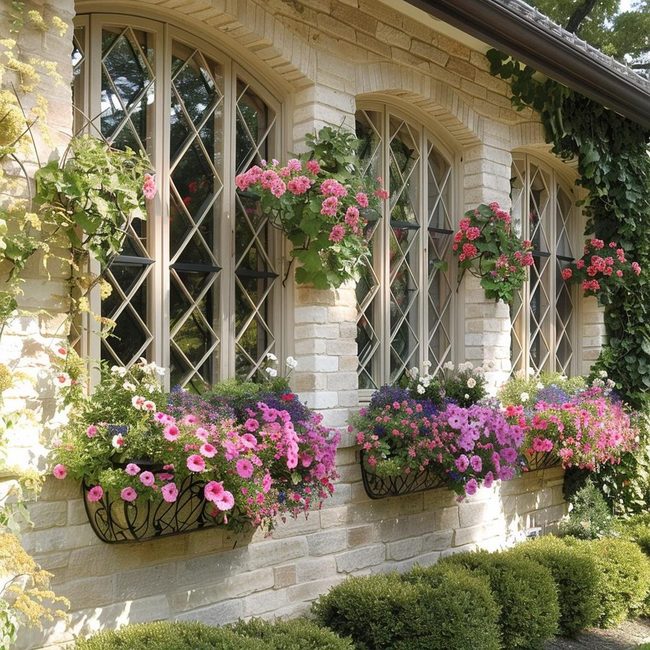
Climbing vines cascading up a wooden lattice or wrought iron trellis positioned above the window box creates an eye-catching vertical garden that refreshes the home's exterior in seconds.
You can anchor the trellis directly into the soil of the window box and train vigorous growers like clematis, climbing roses, trumpet vines, passion flowers, morning glories, sweet peas, and hyacinth beans to weave upward along the structure.
Placing taller plants such as cosmos or foxglove in the window box below the trellis builds layers of height and fullness that draw the eye upward.
Wire mesh, wooden latticework, and iron all work beautifully as trellis materials depending on the home's style.
One of the easiest ways to boost the curb appeal involves upgrading or adding window boxes in whatever design appeals to you most, whether traditional, edible, or creative containers paired with vertical supports.
Match the box color and style to the home's architecture, pick plants that thrive in the light and soil conditions, and keep up with regular watering and feeding.
Seasonal blooms and fresh greenery refresh the home's look throughout the year and give the exterior that welcoming feel.
Window boxes require minimal effort from you and deliver maximum personality and color to any space.
Natural Rustic Timber Boxes With Flowing Flowers
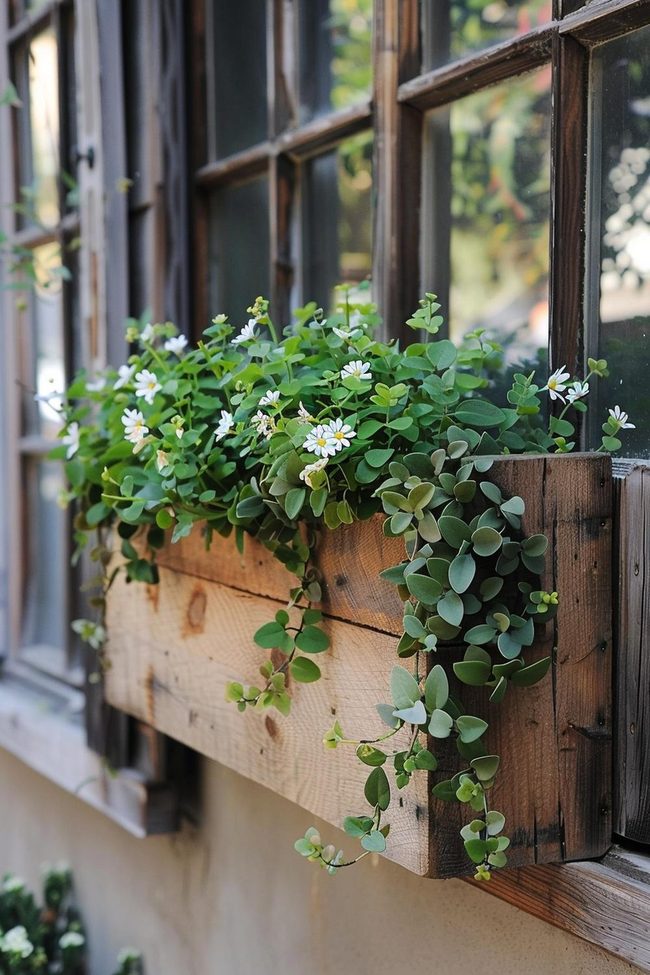
Natural wood window boxes overflow with flowers and greenery, and this simple addition brings genuine charm to any home's exterior.
You can choose from warm, earthy stain colors like espresso, ebony, and rustic gray, or go for a classic craftsman style with slatted wooden boxes that look timeless and refined.
Copper-lined options offer a gleaming touch if you want something with more shine and personality.
When it comes to what you plant inside, informal cottage-style flowers like daisies, lavender, coral bells, and trailing ivy work beautifully in wood boxes and feel naturally relaxed.
Filling these boxes with a mix of flowers and foliage creates an organic, unhurried look that doesn't feel overdone.
We suggest painting the back panel inside your window box in a light yellow, blue, or green shade, and this contrasting color makes your blooms stand out even more against your home's siding.
Evergreen Window Boxes Year-Round
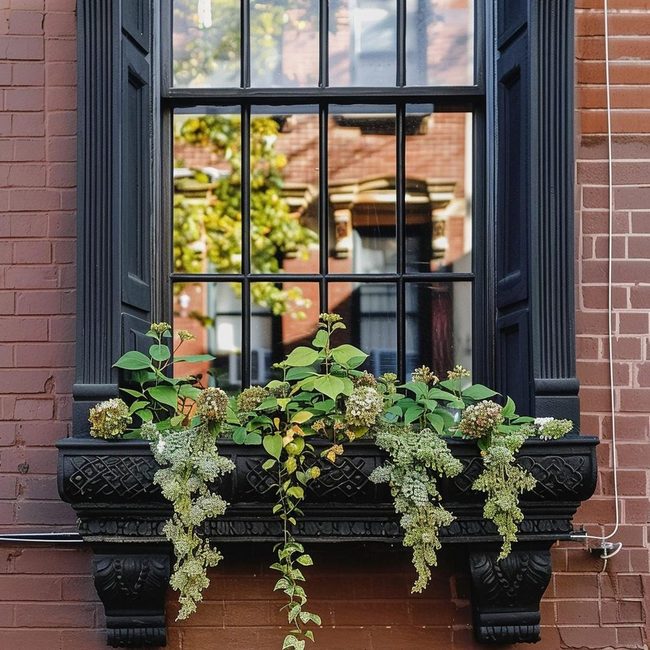
Lush green window boxes bring a refreshing look to your home's exterior throughout the entire year, and if you're not drawn to traditional flowers, greenery alone does the job beautifully.
Trailing ivy and silver dollar eucalyptus cascade down the sides and grab attention first with their natural movement and texture.
Upright plants like rosemary, oregano, and thyme add height and structure while offering useful for everyday living herbs you can actually use in your kitchen.
Feathery ferns and flowing ornamental grasses soften the display and move gently with the breeze, making your windows feel alive.
Variegated plectranthus pops in with white and green foliage that breaks up all the deeper tones, and you can layer in mixed succulents for even more visual interest and dimension.
If you want to add some color without going overboard, pansies, violas, and snapdragons work wonderfully against the green background and stand out without overwhelming the space.
Simple white blooms are another option that keeps the fresh, natural feeling while still giving you a bit of brightness and contrast.
Crimson Window Boxes Bursting Blooms
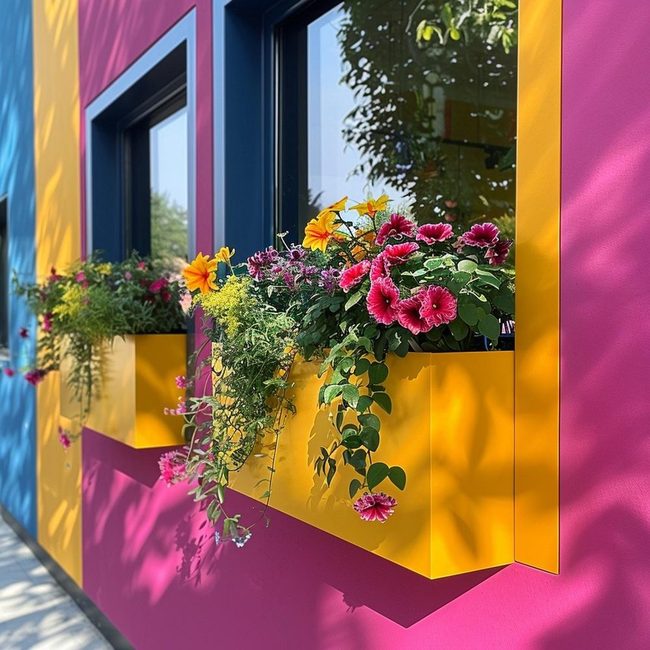
Painting your window boxes in bold, light-filled colors like cherry red, sunshine yellow, or cobalt blue gives your home an instant visual pop that stops people in their tracks.
Fill these eye-catching boxes with equally color-driven flowers such as red geraniums, purple petunias, or yellow marigolds, and the rich color contrast between the glossy painted boxes and the brilliant blooms will energize your whole front facade.
You can match the window box color to other exterior features on your home, like your front door or shutters, which ties your outside look together nicely.
Coordinating the flowers with the window box shade works well too, think cherry red boxes overflowing with red and pink geraniums and petunias that echo the painted surface behind them.
Since you're already making such a bold statement with color, keep the rest simple and let these painted boxes and flowers do the talking.
Design solution doesn't require much maintenance once you've chosen your colors and planted your flowers.
Most people find that this kind of light-filled, straightforward decoration makes an immediate difference to how welcoming their home feels from the street.
Cascading Petunias From Above
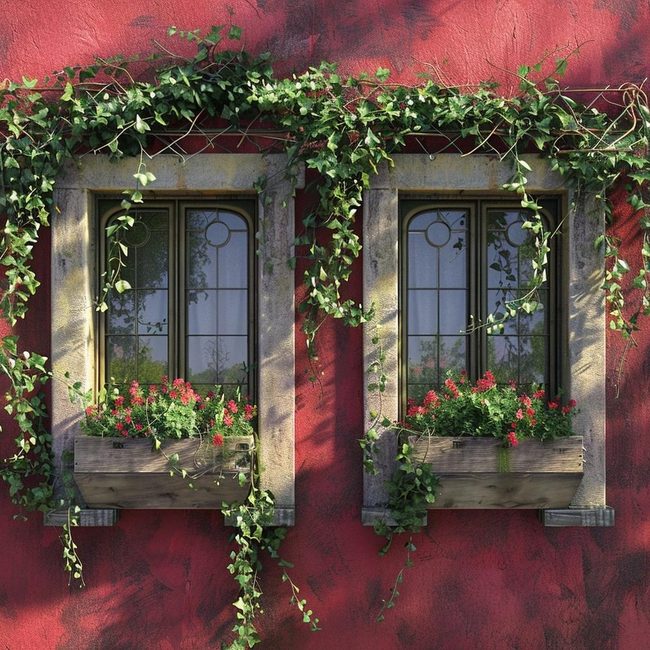
Hanging window boxes suspended from hooks, chains, or cables add an eye-catching display that floats above your windows and solves the problem of limited windowsill space.
You can install them on windows where traditional boxes simply won't fit, making them perfect for homes where square footage is tight.
Trailing plants like ivy, vinca, petunias, calibrachoa, and million bells work beautifully in these containers because they spill downward in graceful cascades that draw attention.
Mix different colors within across box to add personality, or stick with coordinating shades if you prefer a unified appearance across your windows.
Drainage holes are essential so water doesn't pool and damage your plants or the mounting hardware below.
Many people find that self-watering systems keep hanging boxes hydrated without the daily effort, especially since water needs change as plants sit higher up and face more air circulation.
Green Layered Window Box Privacy
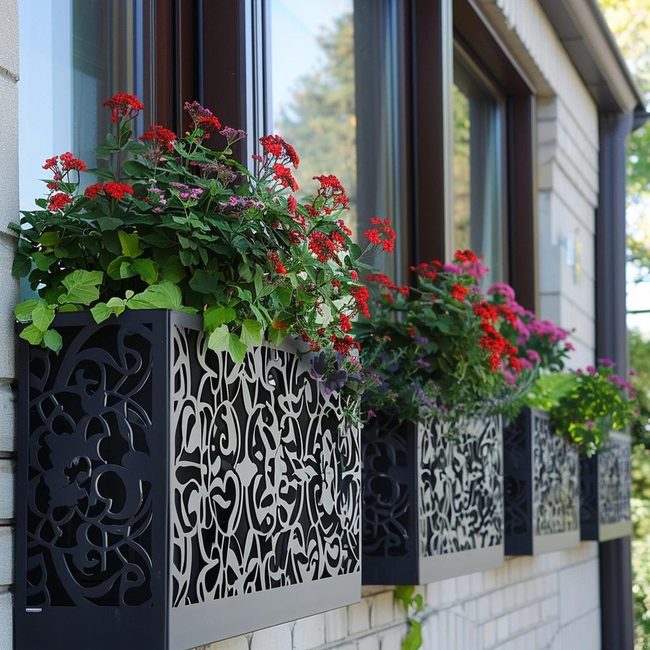
Window boxes serve double duty when you stack them with plants of different heights to shield your windows while boosting your home's street presence.
By extending boxes tall enough to rise past your windowsill, think around 18 inches, you can plant shorter varieties like impatiens, pansies, and herbs down low and let taller, fuller options like ornamental grasses, ivy, ferns, and spike plants fill the upper half.
This layered approach works well because the bushy foliage at the top naturally blocks sightlines from outside while still letting daylight pour through below.
You might combine dwarf ivy and impatiens on the bottom with Thai dragon tail and holly ferns on top for a balanced look that screens without completely darkening your space.
Bathrooms, bedrooms, and dining rooms benefit most from the composition since privacy matters in those rooms but you don't want them feeling dark or closed off.
The plants do all the work for you, creating a green barrier that looks far better than traditional shutters or shades.
Since the living screen sits right at your window's edge, passersby see your beautiful plantings instead of peering into your home.
Stacked Red And Brown Flower Boxes
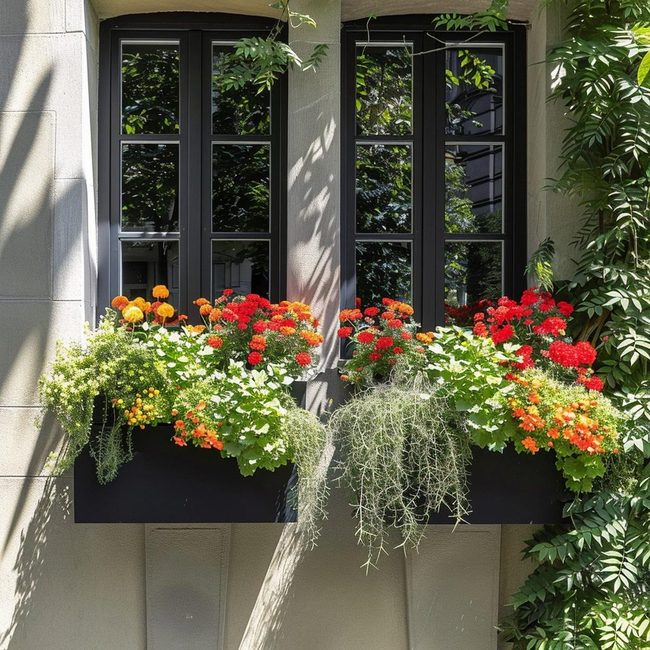
Stacking window boxes at different heights makes your home's front look far more interesting and alive.
Start by placing standard window boxes along your bottom window ledge, then set a second row of boxes on a stand above them.
You don't need the upper and lower boxes to match, mix different styles and colors for better results.
Brown wooden boxes on the bottom paired with open red ones on top creates striking contrast.
Plant tall flowers like snapdragons, delphiniums, dahlias, and gladiolus in the upper boxes so they reach toward the sky.
The lower boxes work best with shorter plants such as marigolds, begonias, or dwarf dahlias that won't block the view.
This arrangement of varying heights gives your window display a natural, layered appearance and keeps things from looking flat or plain.
Cascading Succulent Window Outdoor
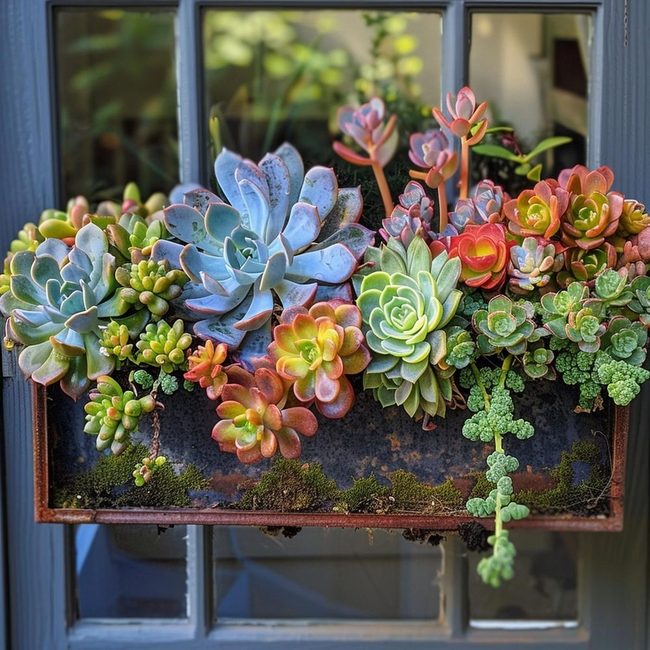
Succulent window boxes offer a striking display of diverse shapes and colors that shift throughout the seasons, from trailing varieties like burro's tail and string of pearls that spill gracefully over the edges to rosette-shaped echeveria and sempervivum that add textural interest.
You can mix in taller specimens such as agave attenuata and columnar cacti to give your boxes height and dimension.
Hens and chicks, angelina sedum, and dragon's blood sedum work wonderfully as supporting players in your arrangement.
A couple of accent plants with trailing or spreading habits help fill out the overall look and prevent empty spaces.
Since these plants thrive on neglect, you may find them incredibly easy to maintain once they're established.
Well-draining soil is essential for keeping your succulents happy, and watering should happen only occasionally rather than on a regular schedule.
In the configuration, means less time spent on upkeep and more time enjoying a gorgeous window box display all year long.
Morgan Huxley
Founder & Creative Director
Expertise
Interior Design & Bold Décor Concepts, Creative Color Applications & Artistic Details, Budget-Friendly Styling, Sustainable Design Practices
Education
Parsons School of Design, New York, NY
New York Institute of Art and Design (NYIAD)
Morgan Huxley is a designer with a passion for bold interiors that feel personal and inviting. As the founder and creative director of [Brand Name], he helps homeowners bring color, texture, and personality into their spaces. With a degree from Parsons and a decorating certificate from NYIAD, he blends artistic expression with practical design solutions.
Morgan believes that great style shouldn’t be out of reach. He shares budget-friendly tips, sustainable ideas, and creative design tricks to make any home feel elevated.
When he’s not designing, you’ll find him exploring NYC’s art galleries, street murals, and food spots for fresh inspiration.