
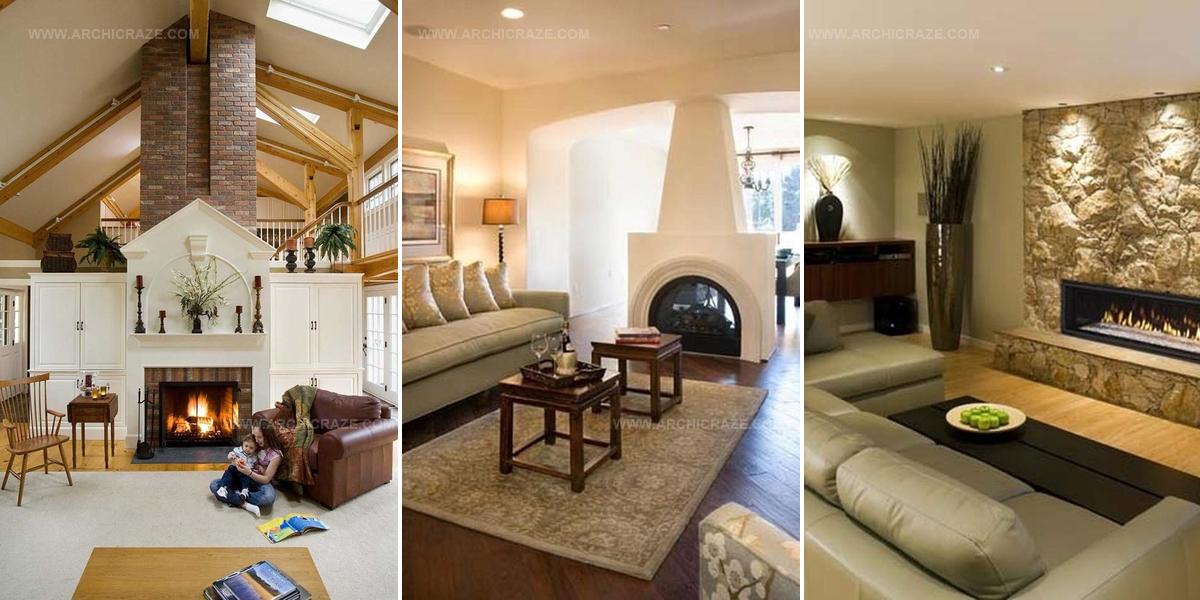
12 Practical Ways to Decorate Your Living Room Fireplace

A living room fireplace serves as more than just a heat source - it becomes the heart of any home where families gather and memories happen.
Many homeowners struggle to make this focal point look polished and inviting throughout different seasons.
The right approach balances aesthetics with function while reflecting personal style preferences.
Small adjustments can dramatically change how the entire space feels when you walk through the door.
Whether dealing with traditional mantels or modern built-ins, the principles remain surprisingly similar across design preferences.
Smart decorating choices enhance architectural features rather than competing against them.
Consider what mood you want visitors to experience, then select elements that naturally support those feelings.
Minimal Fireplace Statement
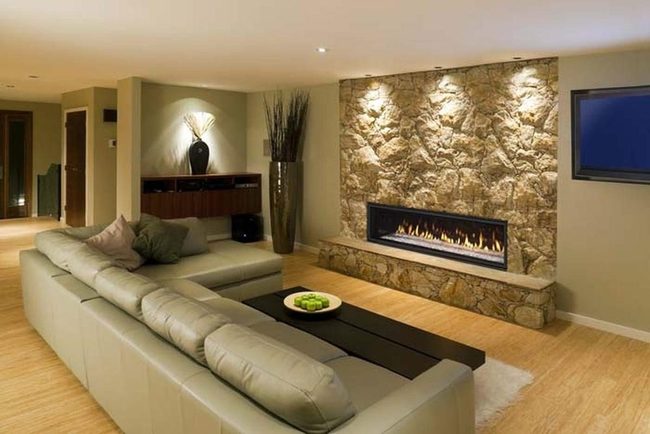
Fireplace becomes the clear standout when you keep everything around it simple and uncluttered, and the space feels more open because of it.
Pairing a streamlined fireplace with neutral tones on the walls and furniture gives your room a contemporary feel that looks fresh and organized.
When you strip away excess decoration, the fireplace's structure and design shine through naturally and the room maintains a peaceful, refined quality.
This kind of minimal setup lets the architectural bones of your space speak for themselves.
You won't feel stressed by too many competing elements fighting for attention.
The walls can stay calm in soft whites or warm grays, letting your fireplace hold its own without drama.
Simple furnishings in similar tones reinforce this balanced approach.
I find it smart that this method proves you don't need a lot to make a room feel polished and intentional.
Asymmetrical Layout, Maximum Flexibility
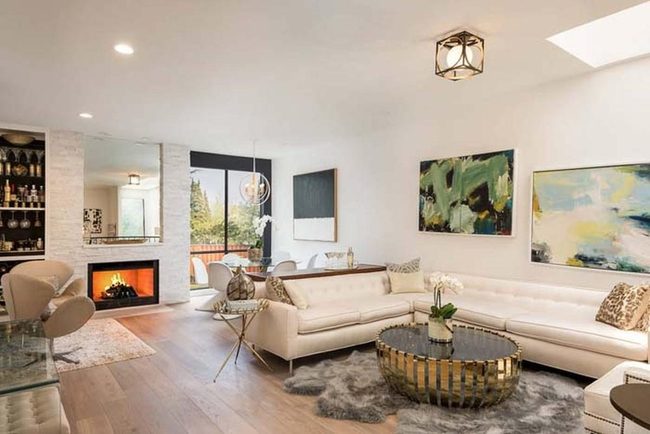
Furniture doesn't always have to orbit around a center fireplace, and you can build a much more dynamic space by shifting things to one side instead.
When you position an L-shaped sofa near a dining zone, the fireplace becomes a warm backdrop rather than demanding all the attention, and this kind of arrangement keeps the room feeling comfortable while also adding visual interest and flexibility to how you use the space.
Moving away from that centered setup lets you experiment with different configurations and zones, which means your room adapts better to how you actually live in it day to day.
This approach works well because it breaks up the predictable feel of a typical living room and opens up new possibilities for furniture placement.
You gain the freedom to rearrange things as your needs change without feeling locked into one rigid design.
The result is a space that feels lived-in and genuine rather than overly formal.
Exposed Brick Fireplace Statement
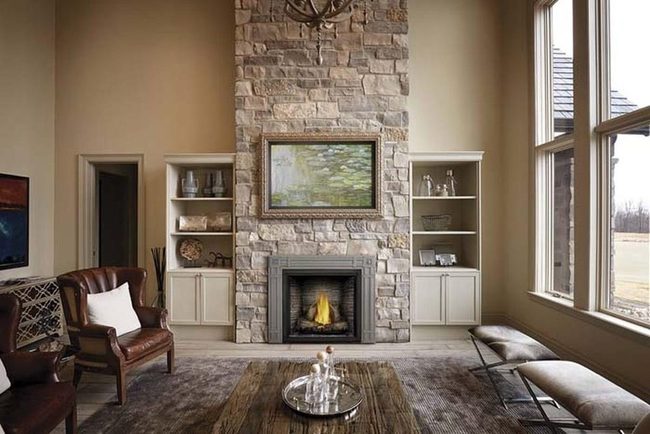
Exposed brick around your fireplace makes an immediate statement with its raw texture and warm tones that anchor the entire room in authentic character.
Pairing this bold architectural element with antique furniture deepens the rustic feel and adds layers of history to your space.
Painted walls on either side of the fireplace provide balance and prevent the room from feeling too heavy or dated.
Antique accents scattered throughout - like old mirrors, vintage frames, or weathered wood pieces - reinforce the rustic theme without overwhelming the area.
This mix of rough textures and softer painted surfaces gives you a space that feels both grounded and refined.
The combination of raw materials and aged furnishings works because they complement each other naturally, creating a room that looks lived-in and welcoming.
When you layer these elements together, the fireplace becomes the heart of a space that feels warm and genuinely comfortable.
Stone Fireplace, Naturally Gathered
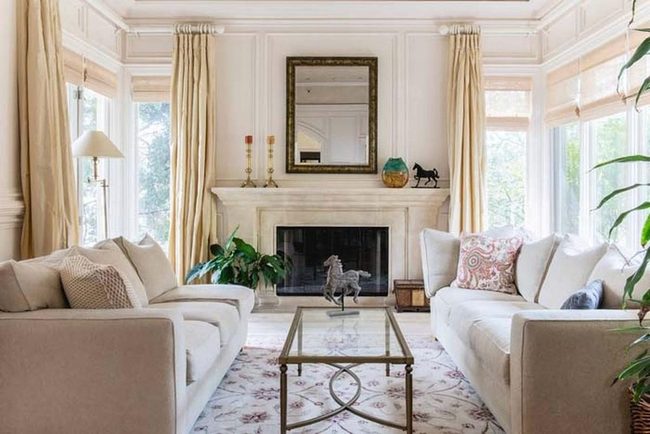
Fireplace positioned at the center of your main wall stops people in their tracks the moment they walk in, and arranging your seating around it makes this natural advantage even stronger.
Stone, wood, and tile each bring their own personality to the space, so picking textures that match your other surfaces keeps everything feeling connected.
Sofas and chairs placed to face the warmth create a natural gathering spot where people naturally want to sit.
We recommend thinking about how the fireplace materials connect with your flooring, walls, and furniture before making final choices.
The way these elements relate to each other determines whether the room feels balanced or scattered.
Softer tones on the surround can make a room feel calm, while darker materials add a bit of weight and drama.
Getting this right means your fireplace becomes the heart of the room rather than just a nice extra feature.
Monochrome Fireplace Integration
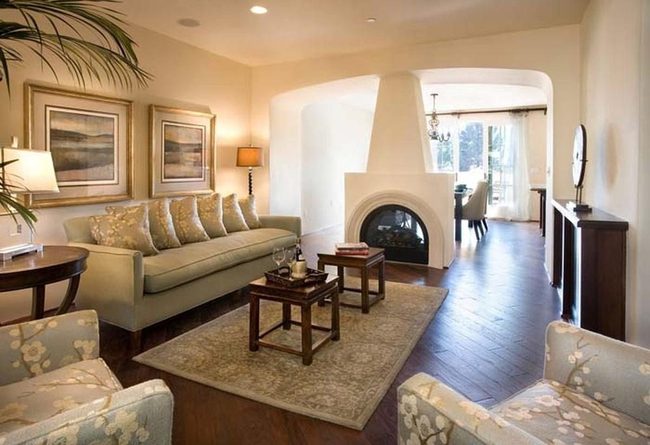
When you paint your fireplace the same color as your walls, it becomes part of the room rather than demanding attention, and this blending technique works especially well in open spaces where the fireplace needs to function and look good at the same time.
Matching colors between the fireplace and surrounding walls pulls the whole living room together into one unified design.
You can apply this idea in different ways depending on your space and style preferences.
Open-concept homes benefit most from this approach since the fireplace sits in view from multiple angles.
The result is a room that feels intentional and balanced rather than choppy or disconnected.
If you want your fireplace to feel integrated and smooth, this matching color strategy is simple to execute and delivers strong results.
Mirrors And Art Layer Light
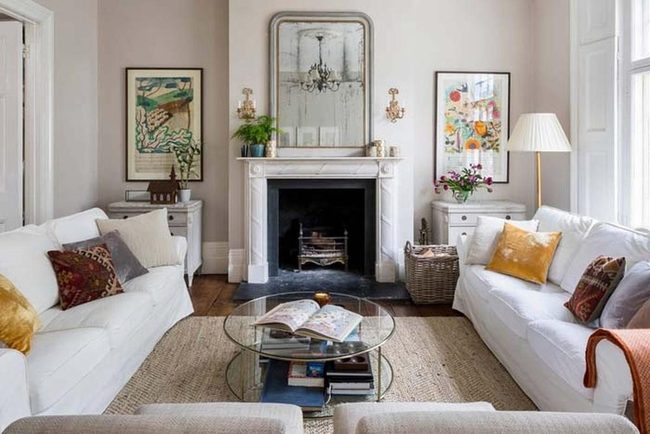
Large mirrors positioned around your living room bounce light everywhere and make the whole space feel bigger and more open.
Pairing these reflective surfaces with various art pieces of different sizes and styles creates layers that keep your eye moving around the room.
When you add a statement mirror near your fireplace, it draws attention upward and enhances the natural focal point of the space.
A well-chosen coffee table in front of the fireplace grounds the arrangement and brings everything into balance.
You can play with different heights throughout the room, mixing tall artwork with shorter sculptural pieces to build visual rhythm.
The way mirrors work with art and furniture together shapes how the room actually feels when you're in it.
Light bounces around these surfaces and spreads throughout the space, which is why mirrors near windows or lamps work especially well.
This combination of reflective elements, hanging pieces, and grounded furniture gives your living room structure and makes it feel intentional.
Fireplace Centered U-Shaped Seating
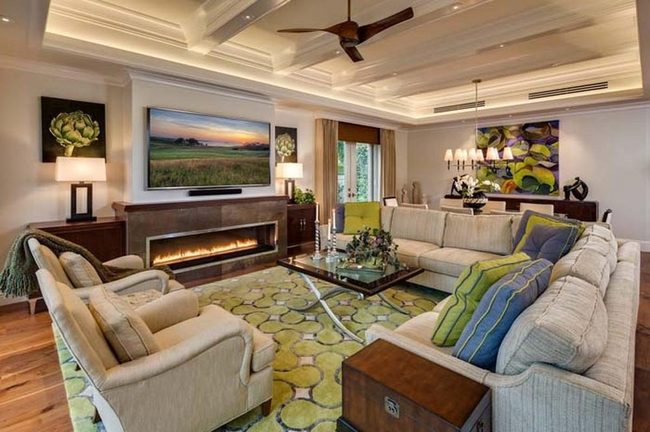
Fireplace becomes the heart of your living room when you arrange a U-shaped sectional around it, and this setup naturally brings people together for meaningful time with one another.
The curved lines of the sofa soften your space and make it feel peaceful, which feels especially nice during cold months when you can enjoy the warmth of a burning fire.
Everyone who sits in this arrangement naturally turns toward the center, so conversation flows easily and the fire draws attention without you having to do much at all.
The layout works well because it combines comfort with function, letting you relax while also keeping the focus on that cozy centerpiece.
When people gather here, they feel welcome because the rounded shape removes harsh corners and creates an open, friendly environment.
You'll find that this kind of seating arrangement makes smaller groups feel intimate and larger gatherings feel organized rather than chaotic.
Fireplace Room Divider
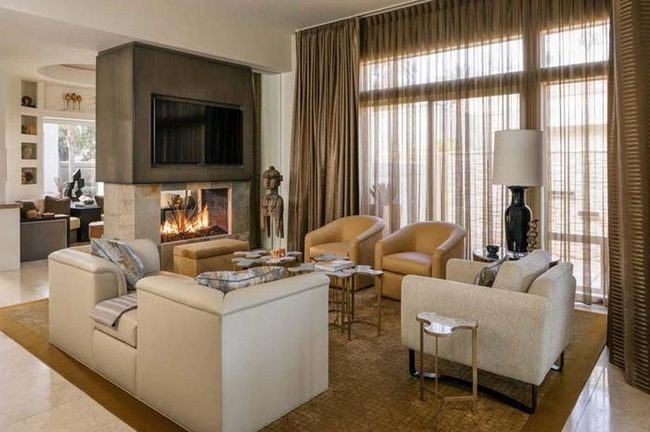
When you split your room with a fireplace down the center, you can arrange seating on one side to face those glowing flames while positioning a separate window nook on the other side for a quieter retreat.
This kind of split design gives you the best of both worlds - the warmth and comfort of a fire on one end and a peaceful spot with natural light elsewhere.
The fireplace becomes a natural divider that lets you use the same room for different moods and activities without it feeling cramped or awkward.
One person can settle by the fire with a book while others gather by the window to chat or watch outside.
You're not locked into one purpose for the space, which means your room stays flexible as your needs change throughout the day or season.
This arrangement works nicely because it respects how people actually move through and use their homes rather than forcing everything into a single focal point.
Stone Fireplace Gathering Heart
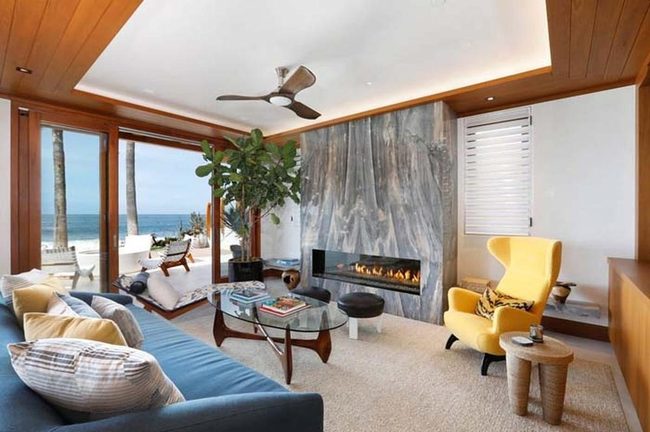
Fireplace in your large living room serves as an anchor point that prevents the space from feeling cold and distant, and selecting materials like stone or wood for the surround adds genuine warmth to the area.
When you arrange your furniture in a circle or grouping around this focal element, the room shifts from sprawling and empty to intimate and comfortable, which makes even the biggest space feel like a place where people naturally gather.
The fireplace itself becomes the heart of the room, and this arrangement helps scale down what might otherwise seem too expansive.
Stone brings a natural, earthy quality while wood adds softness and organic appeal.
I notice how the surrounding furniture creates natural pathways and zones within the room rather than leaving it feeling disconnected.
We find that this simple arrangement of centering things around the fireplace actually makes the entire space more functional and pleasant to spend time in.
Symmetrical Sofas Frame Fireplace
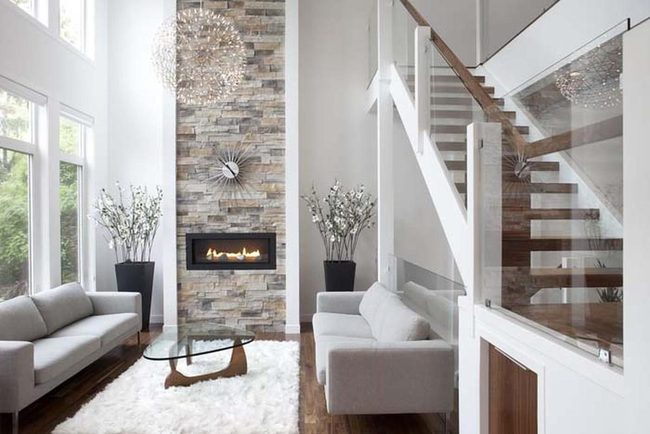
Matching oversized sofas positioned on both sides of your living room draw immediate attention to the fireplace and anchor the space with balanced, structured lines.
Large rooms benefit especially well from this symmetric arrangement, which makes the seating and fireplace feel intentional and grounded.
Beyond the furniture itself, you might add a few simple touches like vases or artwork along the mantel to complement the setup without overwhelming the eye.
Keeping decorative pieces minimal allows the strong geometry of the seating arrangement to remain the star of the room.
This straightforward approach works because it lets you appreciate how the furniture and fireplace interact as the main visual element.
The beauty of this layout lies in its simplicity and how easy it is to maintain focus on what matters most in the space.
Fireplace Shelves Display Story
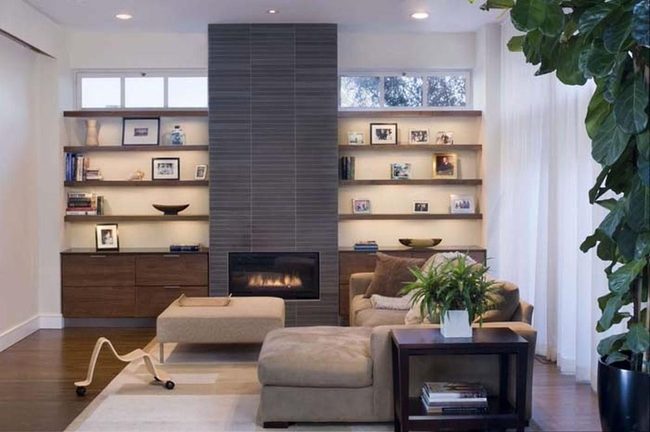
Built-in shelves around your fireplace do double duty by offering storage and something beautiful to look at all at once.
When you fill these shelves with books, artwork, and decorative pieces, they layer together and naturally guide your eye straight to the fireplace as the main feature.
The way these shelves rise up the walls adds dimension to your space and gives visitors something interesting to talk about when they enter the room.
We love how this setup turns what could be plain wall space into an area full of personality and function.
Books and objects on display tell a story about who you are and what matters to you.
Guests often spend time exploring what's on the shelves, which makes the whole room feel more connected and lived-in.
Asymmetrical Fireplace Balance
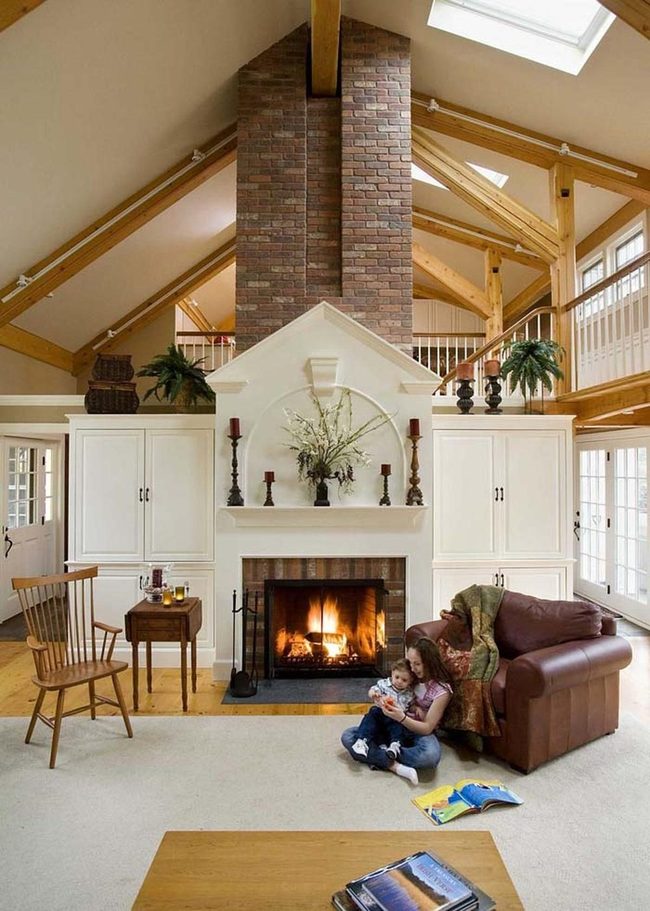
When you're decorating around a fireplace in the middle of your living room, perfect symmetry isn't required to make the space feel balanced and interesting.
Balance and asymmetry actually work better than mirrored arrangements because they prevent the room from feeling stiff or overly formal.
This approach becomes even more valuable in smaller spaces, where matching everything on both sides of the fireplace can make the room feel cramped and stuffy.
You'll find that mixing different furniture sizes, heights, and styles on either side of the fireplace keeps your eye moving around the room naturally.
One side might have a tall bookshelf while the other has a lower seating area, and this variation stops the space from feeling monotonous.
The freedom to arrange things differently means you can work around existing windows, doors, or architectural features without fighting the layout.
Riley Summers
Co-Founder & Home Styling Expert
Expertise
Smart Space Planning & Layout Optimization, DIY Home Projects & Budget-Friendly Décor, Trend Forecasting & Sustainable Design, Practical Styling Solutions for Every Home
Education
New York School of Interior Design, New York, NY
Riley Summers knows that a well-designed home isn’t just about looks—it’s about function, comfort, and personality. As co-founder of [Brand Name], she specializes in smart space planning, trend-forward décor, and sustainable styling solutions.
With a background in interior architecture from NYSID, Riley helps homeowners maximize their spaces with clever layouts and easy DIY projects. She loves sharing budget-friendly decorating ideas that make high design accessible.
Outside of work, she enjoys strolling through NYC’s neighborhoods, discovering new design trends, and savoring a great cup of coffee.