
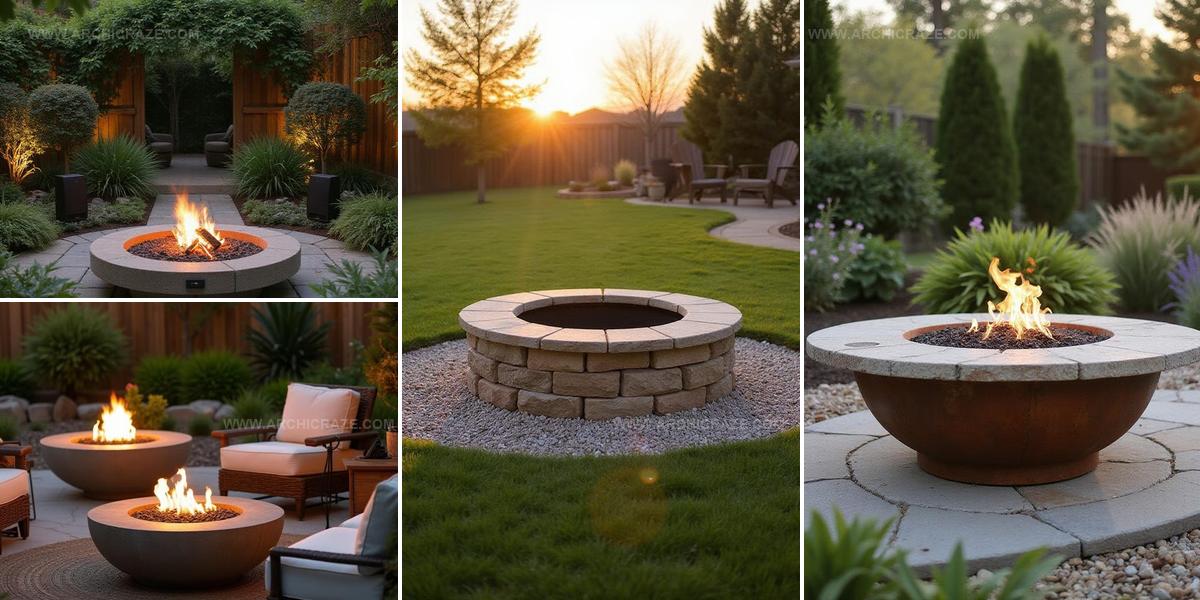
24 Backyard Firepit Ideas That Create Warmth

A firepit can become the heart of outdoor gatherings where friends and family naturally congregate on cool evenings.
Whether drawn to modern metal designs or rustic stone constructions, homeowners find countless ways to enhance backyards with warmth and ambiance.
The flickering flames provide comfort while extending the usable hours of patios and gardens well into chilly seasons.
Different materials, shapes, and fuel sources offer distinct advantages depending on space constraints and aesthetic preferences.
Safety considerations and local regulations play important roles in choosing the right location and style.
Adding seating arrangements around the flames encourages conversation and creates memorable moments under starlit skies.
Now's the perfect time for making those outdoor spaces more inviting and functional throughout the year.
Budget Forces Better Design Choices
Being honest about money is essential because a budget isn't something that holds you back but rather a tool that sharpens your creativity and decision-making.
Most people talk about setting a budget to avoid overspending, but the real reason matters much more: it forces you to decide what actually matters to you.
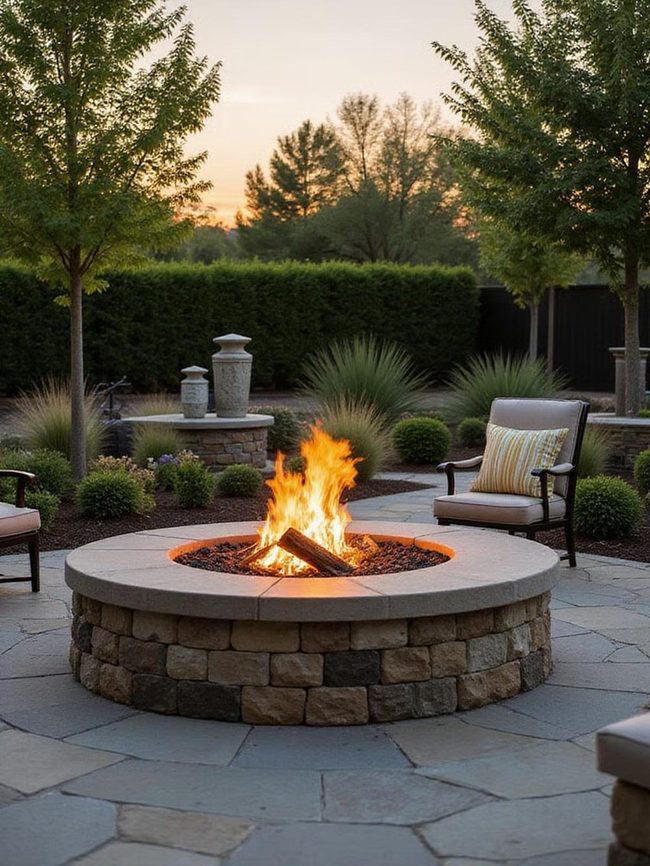
When you have endless options, you can wander without direction, but clear financial limits make you ask the hard questions that lead somewhere good, like whether you want the genuine feel of natural stone or the convenience of a gas insert, or if you need seating for ten people or prefer an intimate setup for two.
Without clear boundaries, I've noticed that clients often chase every new idea that catches their attention and end up with a jumble of features that don't fit together well.
On the other hand, clients who know their limits tend to make sharper choices, perhaps spending generously on striking stonework for the pit itself while selecting simpler seating options to match their numbers.
Those kinds of trade-offs are what give a project personality and purpose, and they make the space feel authentic rather than random.
Gas Fireplace Convenience For Busy Families
Stacking logs, coaxing flames, breathing in smoke, and tending the fire by hand, wood burning offers a deeply physical ritual that requires time and a particular mindset, and it appeals to something primal within us.
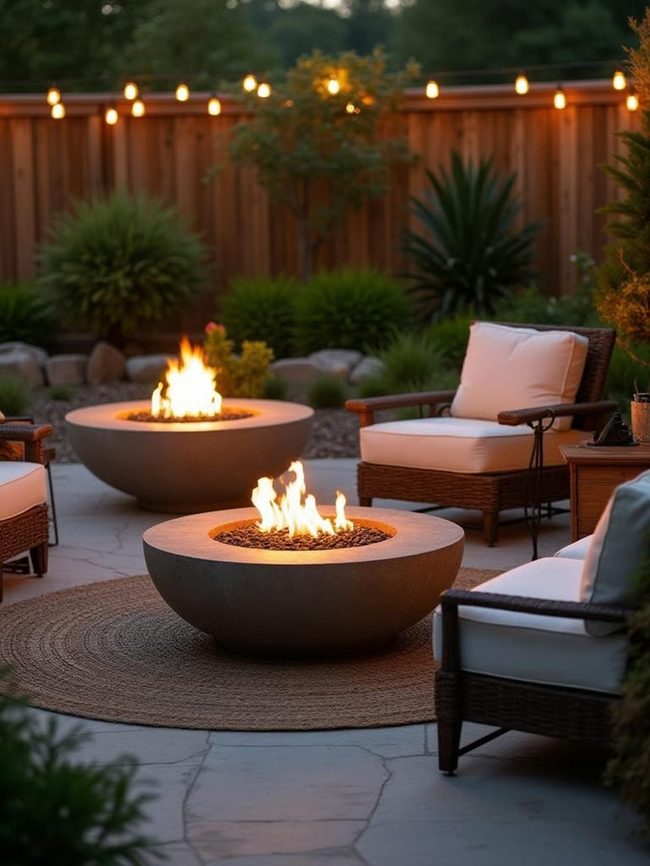
Gas fireplaces, by contrast, deliver warmth and atmosphere instantly with just a button press, fitting neatly into hectic weeknights without the frustration of damp wood refusing to ignite.
I once believed wood was the only genuine option, but when I designed a space for a busy family with two small children who wanted just twenty minutes together by the fire after dinner, gas made all the difference.
That button-push ease meant they gathered there constantly, while a wood fire would have stayed dormant except on weekends.
You should ask yourself whether you're drawn to a slower practice that helps you unwind or whether you need warmth and connection woven into your already-packed daily schedule.
Neither choice beats the other, they simply match different ways of living and what matters to your household.
Your honest answer to that question tells you exactly which direction to go.
Outdoor Speakers Layering Natural Soundscapes
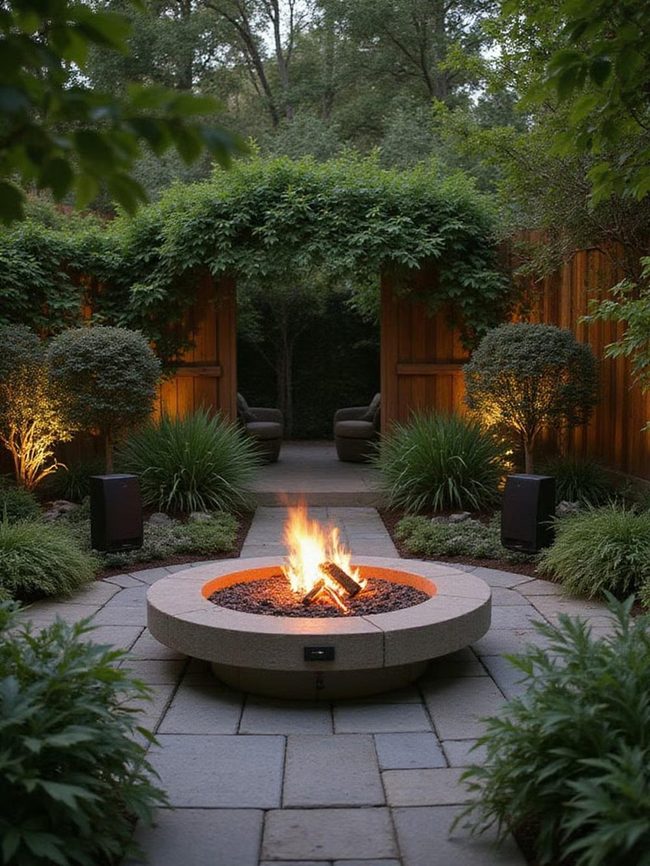
Music and ambient sound can shift the entire mood of your exterior space in ways that go beyond what you see, and installing weatherproof speakers throughout your yard creates an even sound experience that seems to come from all around rather than from one tinny, directional device like a portable Bluetooth speaker.
You can set up different zones with different sounds, maybe calm, atmospheric music near your firepit and something with more energy around your dining area.
Keep in mind that nature already provides wonderful background sound, and the best exterior audio systems let you layer music on top of crickets, wind, and crackling fires without forcing anything artificial into the mix.
Sound works best when it stays in the background, coloring the silence without taking over and demanding attention.
Quality speakers make all the difference because they handle exterior conditions well and deliver clear, pleasant audio rather than the harsh, compressed sound of cheap alternatives.
Think of your audio setup as something that should enhance the space when you want it and fade into the background when you don't, letting the natural environment shine through whenever that feels right.
Stone Firepit Harmonizes Exterior Architecture
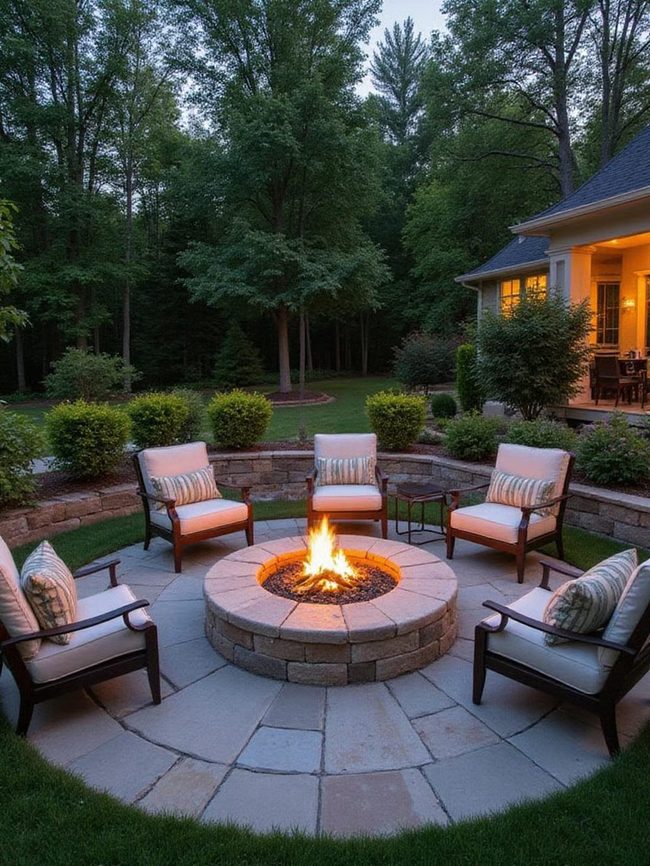
That firepit should blend seamlessly with both your home and the landscape around it rather than appearing like something dropped from elsewhere.
Start by examining the materials used on your house exterior, patio, and walls, whether brick, stone, or concrete, and match or complement these same materials in your firepit design to establish visual continuity throughout the space.
If your garden features muted, flowing beds with curves, a rigid square firepit may feel out of place, so consider a circular or organic shape instead.
On the other hand, sharp modern architecture pairs well with clean, rectangular concrete designs.
We think of open-air spaces as rooms you use and enjoy, and just like indoor spaces, every element should speak the same design language and feel intentional in its placement.
When all the pieces share similar materials, shapes, and style directions, they communicate with one another in a natural way.
Good design doesn't shout, it whispers, letting every component quietly support and enhance the others around it.
Firepit Size Matches Your Space
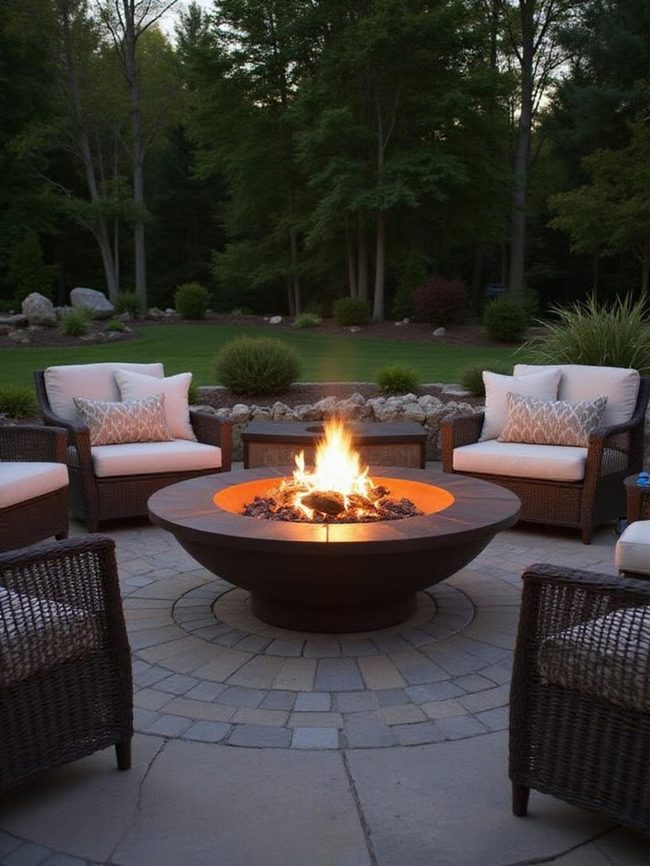
Size and scale matter far more than any "go big or go home" nonsense you might hear, because what really counts is matching your firepit to the space around it.
A firepit that's oversized in a small courtyard will feel suffocating and uncomfortable, while one that's too tiny in a large yard simply disappears and looks forgotten.
Getting the proportions right keeps everything in balance and prevents your open-air area from feeling lopsided.
Before you spend money on building or buying anything, grab a garden hose, string, or even cardboard and map out where the firepit and seating will sit.
Spend a couple of days living with this outline and walk around it from different angles.
Pay attention to whether the setup feels roomy or tight, and whether it stands out or fades into the landscape.
This quick test stops you from making an expensive choice you will regret later.
Once the sizing feels right, your firepit becomes part of the overall design instead of looking like something tacked on at the last minute.
Good design relies on proportion, and getting this balance right is what makes everything feel planned and carefully arranged.
Organized S’Mores Station By Fire
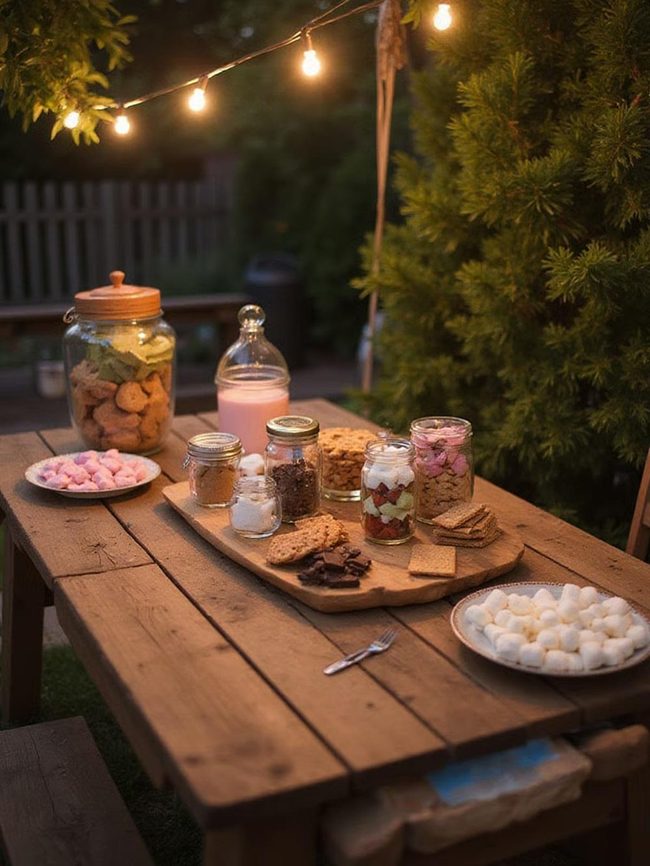
Visualize yourself reaching for marshmallows, chocolate, and graham crackers in the dark, it's frustrating and ruins the fun, so why not set up a dedicated s'mores station that solves this problem right away?
You don't need anything fancy; a simple tray with lidded containers or a small portable caddy keeps everything organized and within reach.
This small setup shows your family and people that you've thought about their experience and want to make things easier.
It updates a sticky treat into something that feels special and organized, cutting down on mess and stress.
Families with kids especially love this because it turns snack time into a real ritual.
One tray positioned near your fire pit or outside seating means less fumbling and more enjoying.
Good design works by thinking ahead and solving problems smoothly, and this station does exactly that.
Backyard Pizza Oven Entertainment Hub
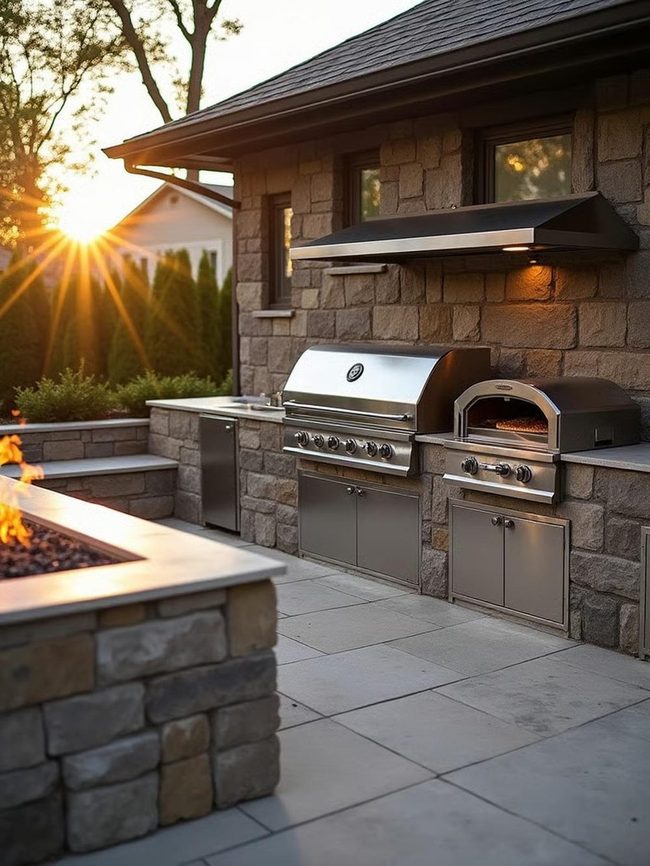
If you're serious about patio living, installing a pizza oven or smoker reworks your backyard into a real cooking destination and becomes the heart of memorable gatherings.
A pizza oven draws everyone around to watch as pies bake in just 90 seconds, turning dinner into entertainment and spectacle.
A smoker offers a different kind of experience, a slow, full-day process that builds anticipation before you all sit down to eat together.
Both options blur the line between a simple backyard and a full patio kitchen space.
You will need to plan mindfully for ventilation, utility lines, and prep counters to make it work properly.
For families and hosts who love food and bringing people together, this investment pays off in ways that go far beyond just cooking meals.
What you're really building is a place where traditions happen and your social life naturally centers itself around shared food and time patios.
Solid Ground Prevents Firepit Failure
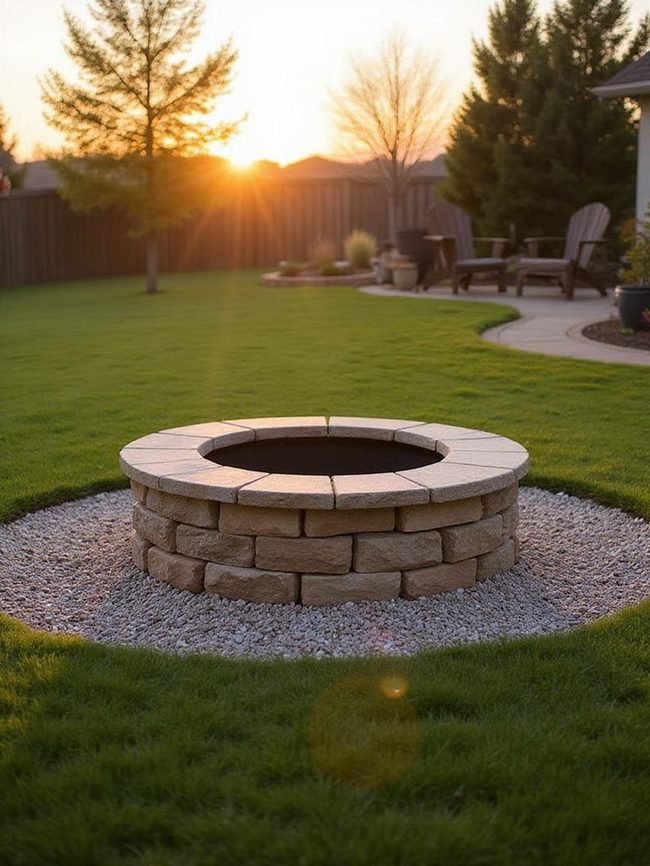
The firepit's foundation is what holds everything together, and it's honestly the most crucial part that nobody thinks about until something goes wrong.
Placing a heavy masonry structure on uncompacted soil is asking for trouble because rain and ground shifts will eventually cause settling, tilting, and cracking that compromises the entire thing.
Whether you're using a simple steel bowl or building a large stone feature, what lies beneath matters just as much as what people see on top.
We recommend excavating the area and laying down a compacted base of crushed gravel followed by sand or pavers, which keeps things level and allows water to drain away properly.
For more permanent masonry installations, a reinforced concrete pad gives you real protection and peace of mind for years to come.
This stable foundation keeps your firepit from becoming a constant source of frustration and lets you actually enjoy it without worry.
Ground shifts, water movement, and gravity are forces working on your structure all the time, so building smart from the start means you're respecting those invisible pressures rather than fighting them later.
Firepit Cast Iron Cooking Hub
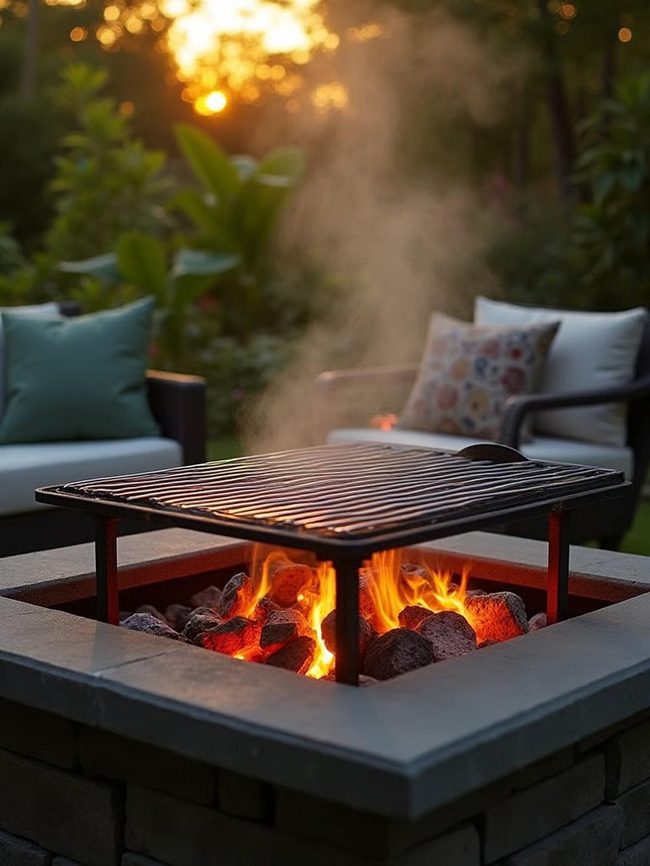
Cooking over an open wood flame produces a smoky, elemental flavor that no expensive gas grill can match, and adding a simple grill grate to your firepit updates your space from a place where you just sit and warm up into an active hub for real cooking and eating.
You can sear cast-iron steaks, nestle foil-wrapped vegetables right into the coals, or let a pot of chili simmer slowly by the heat, which moves your firepit beyond just hot dogs and into genuine culinary territory.
The design makes your firepit the natural center of any gathering because it becomes a spot for both eating and hanging out together.
People have gathered around shared fires to cook food since ancient times, and your backyard firepit lets you bring back that timeless tradition.
When you cook over the flames instead of just sitting by them, an ordinary evening shifts into something that feels like an actual event.
Cooking over fire taps into something deep in us as humans, connecting us to instincts we've had for thousands of years.
Concrete, Linen, And Firelight Layers
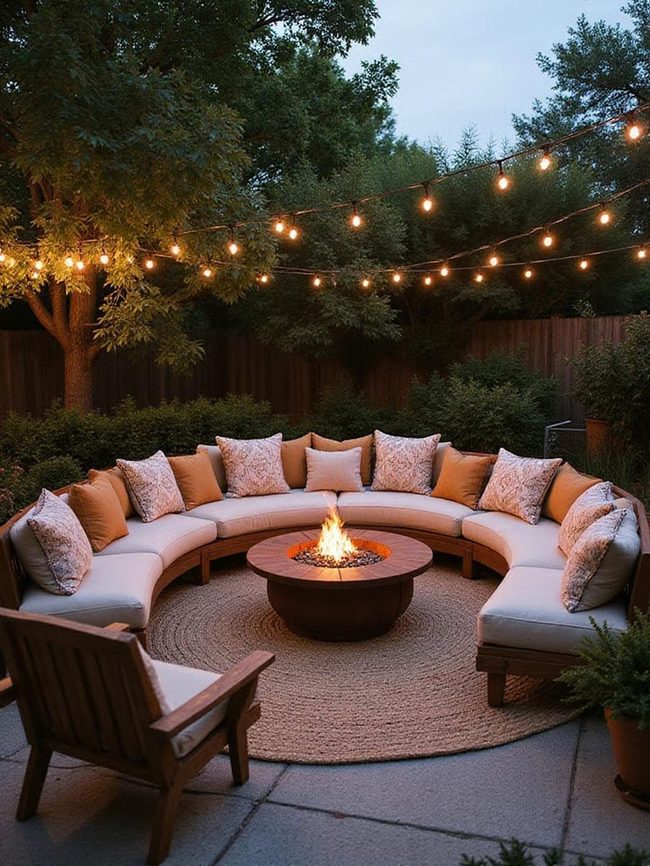
Instead of thinking about decorating with a theme, focus on building a design language that has real depth by selecting a handful of materials, colors, and textures and repeating them throughout your open-air space to establish rhythm and balance.
Start by looking at what your firepit and home are already made of, then pick textiles like cushions, rugs, and blankets that echo that same palette.
If your firepit sits on smooth concrete, rough linen pillows and a chunky knit throw will give you interesting contrast between surfaces.
Mixing textures this way, pairing smooth with rough and hard with diffused, makes the whole area feel richer and more layered, and once evening light hits these different surfaces, eachone catches and reflects the glow in its own way.
You can recognize how the space feels more connected when materials and finishes speak to eachother across the yard rather than standing alone.
Building this kind of harmony takes a bit of thought, but it's what separates a space that feels scattered from one that feels genuinely put together.
Firelit Nights With Subtle Lighting
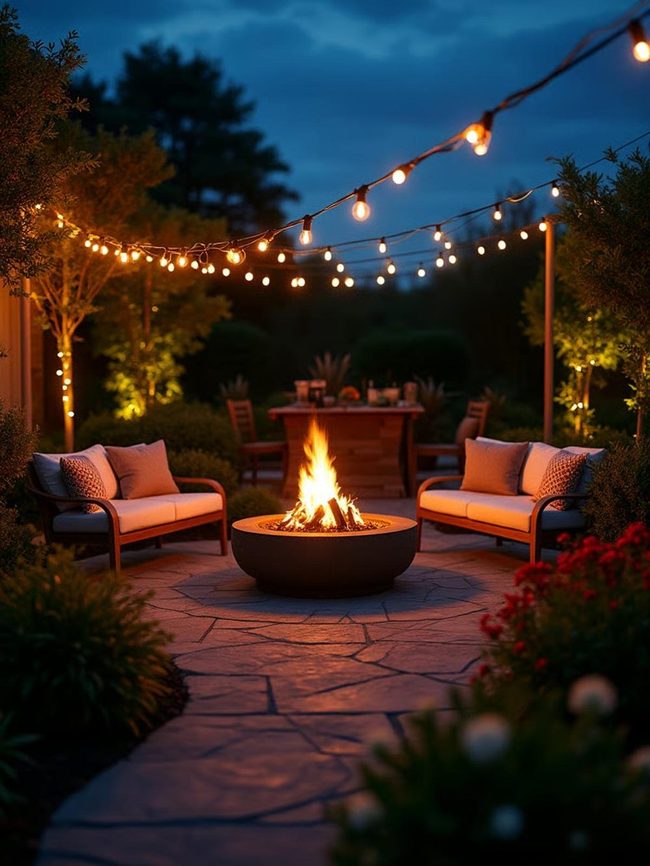
When it comes to outside spaces at night, most people make one critical mistake: they flood the area with harsh, fresh lights that destroy the mood and wash away the beauty of the stars above, so instead, let your fire be the main attraction and keep all other lighting in a supporting role.
Low-voltage path lights should gently guide people along walkways for safe movement, while quiet uplights can showcase the texture of tree bark or stone surfaces without demanding attention.
String lights or lanterns hung above your seating zone add a warm, human-sized glow that feels welcoming and natural.
We recommend putting every light on a dimmer switch so you can shift the mood as needed, turning things down once the fire gets going and allowing the flames and stars to become your primary source of light.
Think of styling direction as painting with light rather than flooding with it, using warm pools of freshness mixed with darker spaces that add mystery and depth.
By keeping lights secondary and adjustable, you could find the space feels more balanced and the fire remains the true star of your outside gathering.
Recessed Masonry Firewood Wall Niche
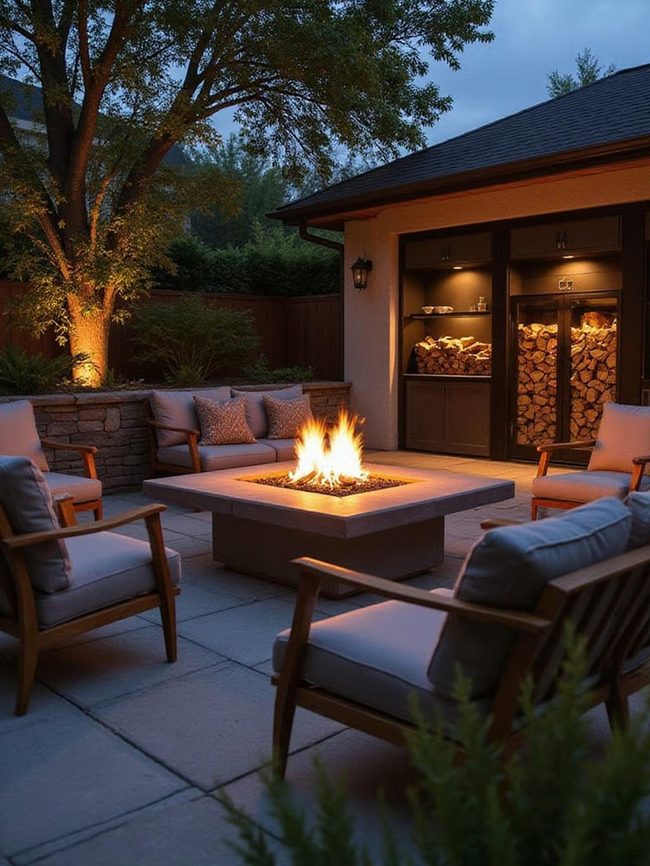
Storage goes far beyond simply tucking things away, it's about giving your belongings a space where they truly belong and look good doing it.
Piles of firewood and scattered fire tools scattered across your garden area break up the peaceful feel you're trying to build, so consider how a niche built right into your masonry wall can hold that firewood and become a real design feature with its own texture and character.
You might also try a bench with a hinged lid that keeps cushions and throws hidden but handy, or install a small recessed cabinet to hold lighters and s'mores supplies within arm's reach.
When everything has its own spot, your space feels calm and put-together rather than chaotic and overwhelming.
Design choice respects both your belongings by giving them a proper home and your garden area by keeping it clean and serene.
Good storage design doesn't just organize things, it brings a sense of order and readiness to how you spend time outside.
Smart Phone-Controlled Fire Pit
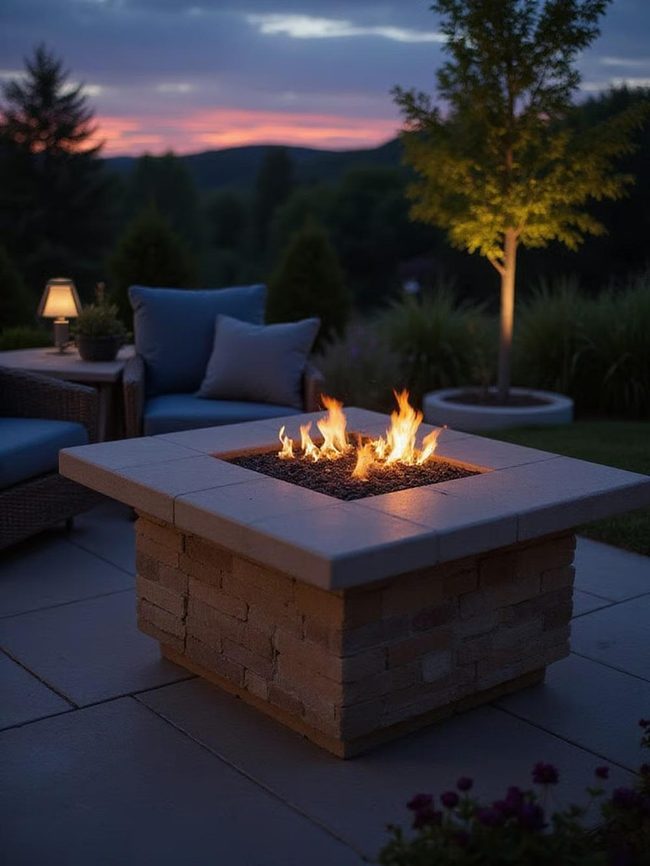
While I have a gentle spot for the traditional experience of lighting a fire by hand, smart control systems bring real practicality to exterior living that's hard to ignore.
Managing your firepit from your phone means you can turn it on just before heading outside, so it's already warming when you arrive and no fuel gets wasted sitting idle.
Setting timers prevents accidental left-on fires and gives you peace of mind, which matters when you're focused on enjoying time with others.
In an era where being mindful about resource use matters more than ever, this kind of technology makes responsible choices easier and less complicated.
Smart controls blend something timeless like fire with modern tools in a way that genuinely improves both safety and conservation.
The real elegance here isn't flashy or complicated, it's how efficiently the system works to protect your home and the environment.
This is how ancient wisdom and modern convenience come together, across one making the other better.
Masonry Firepit Compliance Foundation
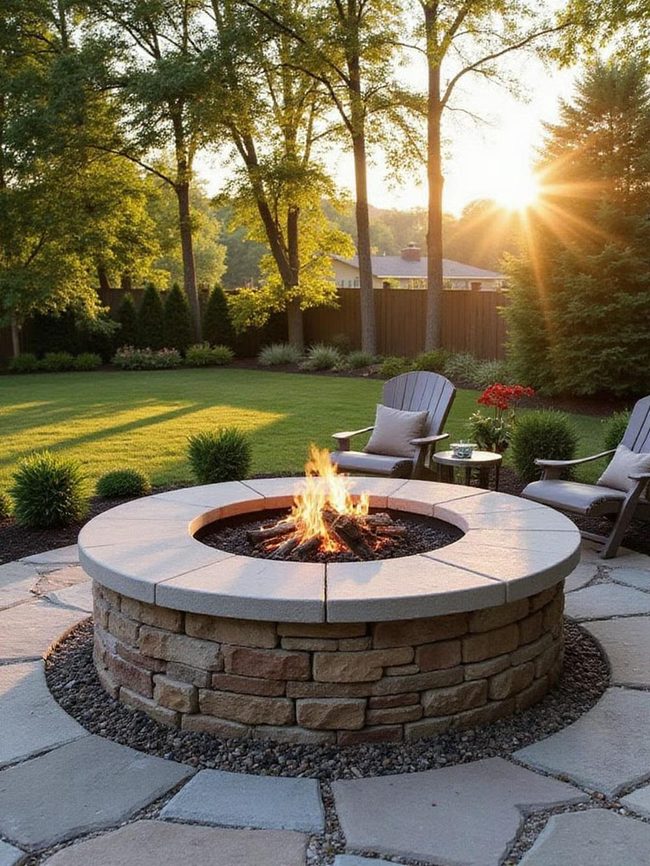
Before you start planning any firepit design, spend time researching your local building codes and HOA restrictions, because nothing costs more than having to demolish and rebuild something that violates regulations.
Wind patterns, wildfire risk, and population density shape these rules for good reason, and skipping this step often leads to expensive mistakes.
One homeowner I heard about built a polished masonry firepit only to discover it sat two feet too close to the property line, which meant facing fines and the painful cost of tearing it down and starting over.
Make the phone calls to your local municipality first, then get your permits in writing and keep detailed records of every approval.
This unglamorous legwork actually protects your investment and ensures your firepit will stand without legal trouble down the road.
Being a responsible property owner means respecting these boundaries, not just for your own wallet but for your neighbors' safety and peace of mind as well.
Getting clearance upfront takes time and effort, yet it's the foundation that keeps your yard space both beautiful and legitimate.
Curved Stone Seating Wall Fire
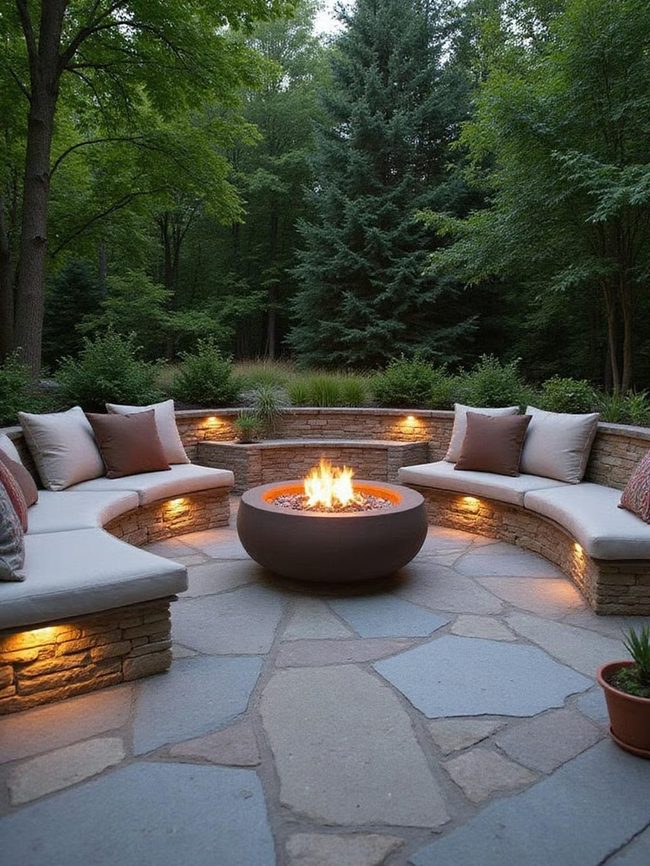
Most people think a firepit is just the hole in the ground, but it's actually the pit plus all the space around it, and that's where your design choices matter most.
Dropping a firepit onto a patio with random portable chairs scattered around creates a temporary, disconnected feeling that doesn't work well for gathering.
Built-in seating like a low wall or bench changes everything because it signals permanence and makes people want to linger.
In Middle Eastern culture, the majlis represents this idea perfectly, it's a gathering space defined by integrated seating that naturally brings people together.
A curved seating wall does more than give you somewhere to sit; it angles everyone toward both the fire and across other, which builds real closeness in ways individual chairs never achieve.
It's like the difference between a waiting room and a living room; one invites you to stay while the other makes you feel temporary.
When you build seating into your space rather than just placing furniture around it, you're actually shaping what kinds of conversations and moments will unfold there.
Fire And Water Yard Contrast
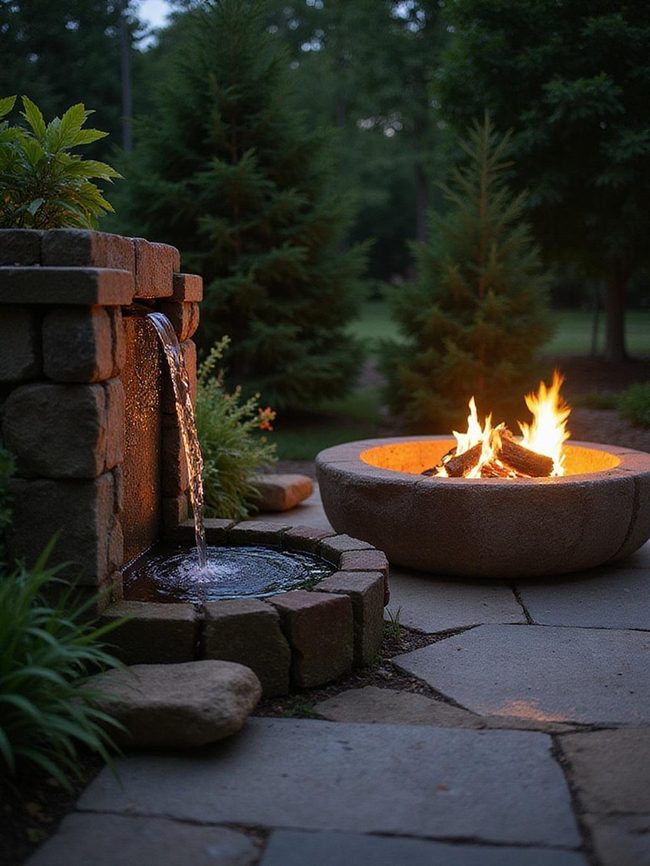
Water and fire have always spoken to across other in nature, and bringing them together in your exterior space creates something deeply satisfying.
When you place a water feature near your firepit, the contrast between these two opposite elements becomes grounding in ways that feel almost primal.
A simple bubbling urn tucked in a corner works wonderfully, its gentle sound masks street noise and low-keyens the sharp crackle of flames, giving you a more peaceful retreat.
You might also consider a reflecting pool that doubles the dancing fire with shimmering light, making the whole scene feel twice as alive.
Water adds coolness and movement to balance the heat and stillness of fire, and together they engage your senses in a way that a single element simply cannot.
In drier climates especially, water becomes even more powerful, bringing life and freshness to your gathering space.
You don't need an elaborate installation to make this work; even something modest shifts your patio from a functional area into a true sanctuary.
The real serenity here comes from how these opposing forces complement across other rather than from either one alone.
Linear Fire Ribbon Patio Design
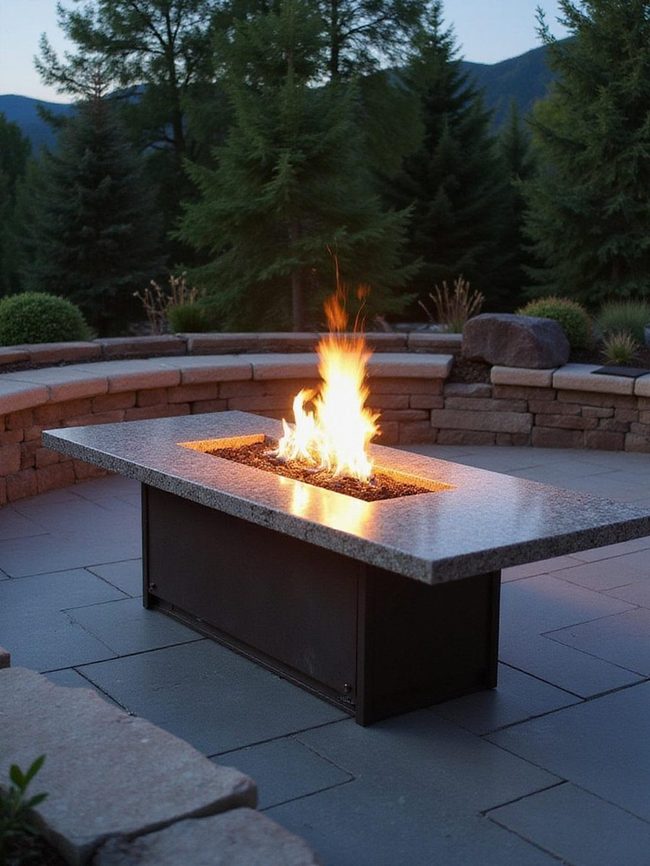
Beyond the traditional circle or square, consider how an unconventional firepit shape can serve as a striking architectural feature in your outdoor space.
A long, linear pit running along a patio edge functions as a glowing boundary that naturally draws attention toward scenic views, while an L-shaped design tucked into a seating corner splits the area into separate zones ideal for hosting groups.
One recent design combined a narrow, channel-like gas fire set flush into the patio and running parallel to a reflecting pool, transforming what might have been a standard pit into a "fire ribbon" that guided movement through the entire outdoor room.
Rather than viewing the firepit merely as a container for flames, think of it as a landscape design element with the same weight as walls, pathways, or plantings.
Your yard's unique layout and surroundings should inspire the form you choose, not constrain it.
When you let the natural flow of your space guide the shape, the firepit becomes something that complements how you actually want to spend time outdoors.
Allowing the design to emerge from your landscape's opportunities rather than forcing a standard shape often results in something far more personal and functional.
Clean Firepit Media Prevents Corrosion
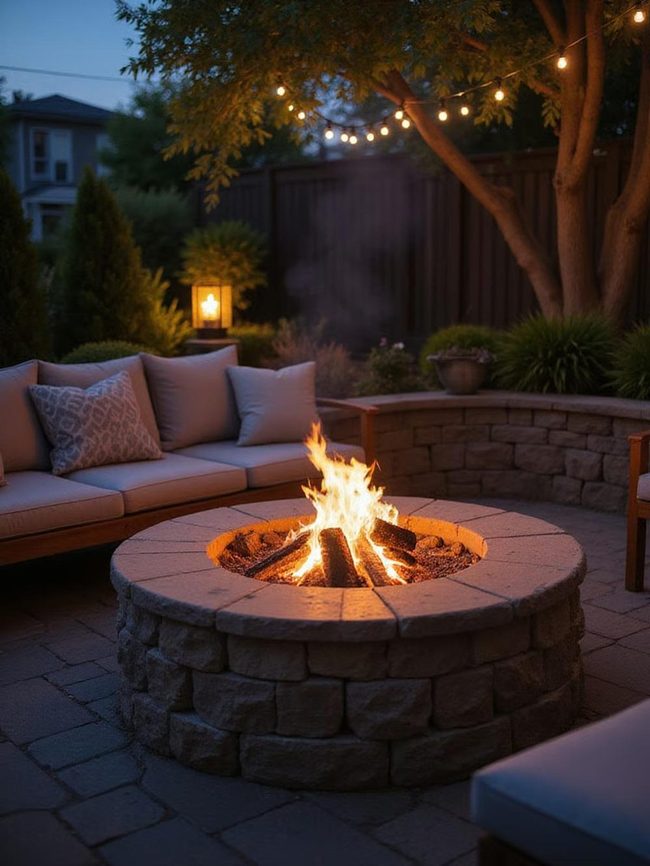
Keeping your firepit clean makes a huge difference in how it looks and performs, and I'd say it's one of the easiest ways to protect your investment.
Ash and soot are acidic and trap moisture, which gradually eats away at even the toughest materials if you let them build up.
For wood firepits, clear out the cold ashes every few uses, and for gas units, periodically clean the media and check that burner ports stay open.
Getting a small wet/dry vac dedicated to this job speeds up cleanup so much that it becomes barely worth thinking about.
Like making your bed across morning, this small routine resets your space and keeps it ready whenever you want a fire.
When you stick with this habit, your firepit will last for decades instead of just a couple seasons.
Regular maintenance shows respect for the space you've built and ensures everything stays safe and ready to use.
This simple discipline is what separates a firepit that serves you well for years from one that deteriorates quickly.
Fire Pit Safety Distances Matter
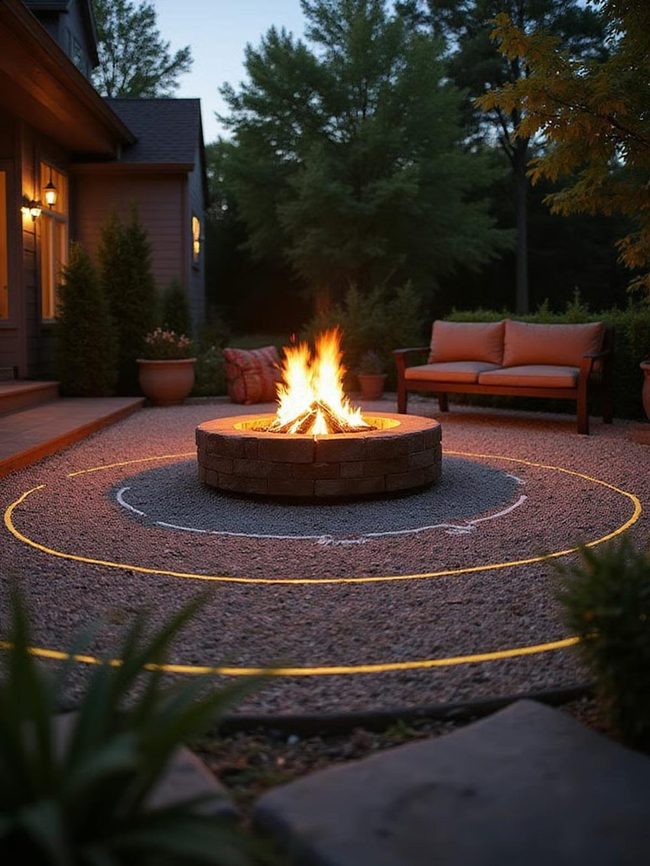
Before you place a fire pit, know that the standard 10-foot clearance rule isn't just insurance company talk, it's real safety that matters.
Heat radiates outward and embers travel on wind, especially in dry climates where plants are already stressed and your home sits close to wild areas.
I've worked with clients who wanted to nestle their pit under a mature tree for that sheltered feeling, but radiant heat can slowly damage a tree's inner layers and kill it over time, even without flames.
Respecting distance between your fire and trees, structures, and vegetation protects what you've built and the people who gather there.
Good design works alongside nature rather than against it.
When you give your fire pit and landscape the space they need, the whole setup feels calm and right.
A pit positioned carelessly creates tension that lingers beneath the enjoyment, while one planned with safety in mind lets everyone relax and be present together.
Wind-Sheltered Firepit Gathering Spaces
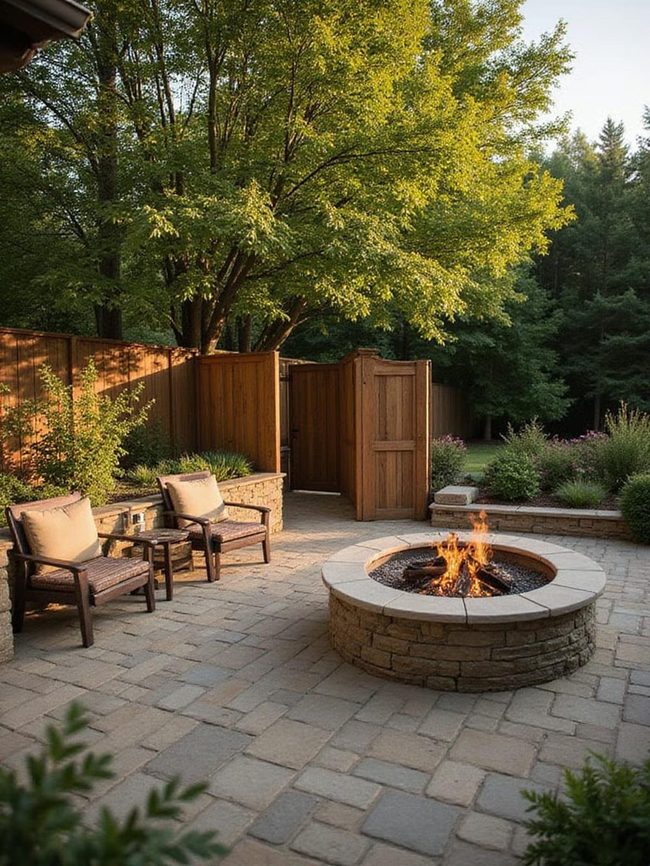
Learning from Middle Eastern design traditions, I discovered how centuries-old courtyards solve the firepit problem in ways that modern builders often overlook.
Wind-exposed fires become frustrating and dangerous because flames get pushed sideways, heat dissipates quickly, and embers scatter unpredictably into your space.
A strategically placed wall, dense hedge, or slatted screen completely changes this equation and lets flames rise straight up while heat spreads evenly throughout your seating area.
Such barriers shape a calm pocket around your fire where you can actually relax without smoke blowing in your face or feeling like you're sitting in a wind tunnel.
Architects in harsh climates understood this principle for good reason, they needed to design spaces where people could gather comfortably despite challenging weather.
When you add a windbreak to your firepit setup, you're not just fighting nature but working with it to build a sheltered gathering spot much like those traditional courtyards.
Your fire becomes functional and pleasant instead of a smoky ordeal that nobody wants to sit near.
Even simple solutions make a real difference in how much you could actually enjoy spending time outside.
Dark Fire Glass Dances Brightly
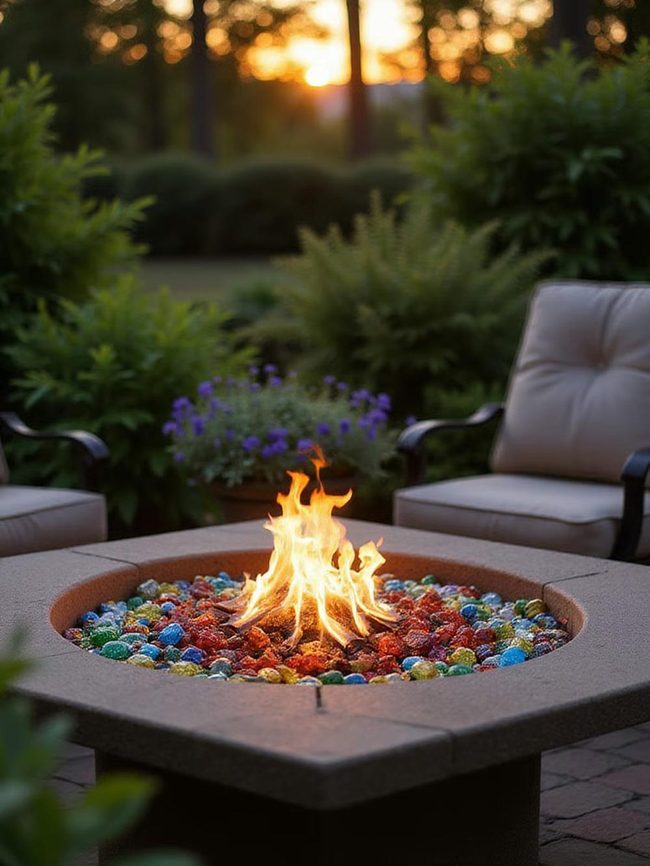
When you have a gas firepit, what you fill it with goes far beyond function and becomes your chance to express your style through the flames themselves.
Lava rock offers a dark, earthy foundation that makes flames appear as though they're rising straight from the earth in a raw, natural way.
Fire glass takes a different approach with its modern appeal, as the flames bounce across countless faceted surfaces and bring about a dancing light display.
For a contemporary, minimalist space, dark fire glass gives you that clean, polished sparkle you're after, while lava rock suits rustic and organic designs better.
Some people layer both materials together, starting with lava rock on the bottom and adding fire glass on top for an unexpected touch of brightness.
Just remember to use materials made specifically for firepits because regular glass or stone can crack or even explode when exposed to heat.
This small choice is actually where your gas flame gains its own personality and becomes more than just warmth and light.
Gravel Pathway Leading To Firepit
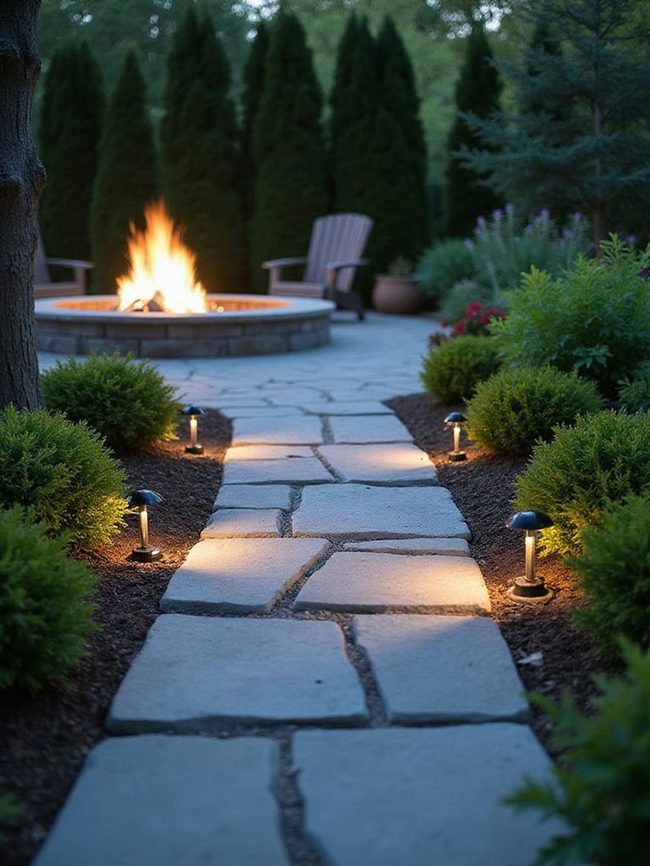
This defined pathway to your firepit becomes part of the whole experience and serves both adaptable to different needs and aesthetic purposes at once.
Materials like crunching gravel underfoot, large flagstones set into the lawn that slow your pace, or smooth concrete for a modern feel all shape how people move through your space.
Low-level lighting along the way keeps dinner guests safe as darkness falls and prevents stumbling through the garden while building anticipation for what's ahead.
What you choose for the path affects the mood before anyone even reaches the fire, turning a simple walk across the yard into something more purposeful.
Gravel sounds pleasant and informal, while flagstones welcome a slower, more thoughtful pace that feels ceremonial.
Concrete offers clean lines and contemporary style.
Including soft lighting along the route guides people safely and creates a sense of transition from your house or patio into this separate, special area.
That walk becomes part of the whole experience, not just a way to get somewhere.
Stone And Steel Age Together Beautifully
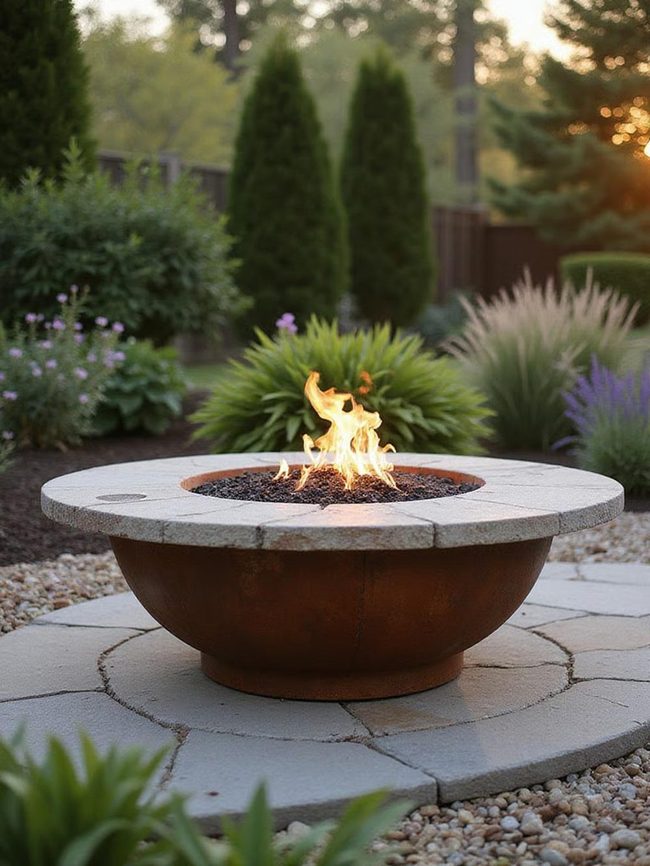
Skip those plastic-looking "low-maintenance" materials and reach for substances that genuinely last and develop character over time.
Stone that collects moss in its cracks, Corten steel that refreshes into a rich, velvety rust, and concrete that grows its own unique patina all possess real soul and tell a story as seasons pass and years go by.
When you're deciding what to use, look past how something appears on day one and consider what it will feel like under your fingers and how sun and rain will change it after ten years of exposure.
High-duty firebrick inside is absolutely essential because it shields your outer materials from the fierce direct heat, but for what people see on the outside, pick something that feels right for your landscape and matches your home's character.
In desert settings, materials like rammed earth, limestone, and steel resonate with the natural surroundings and speak in the language of that environment.
Rather than simply assembling a firepit, you're really building something destined to endure and transform into its own kind of ruin.
Go beyond trends and choose substances that will remain beautiful long after you're no longer there to enjoy them.
Terrace Lounge With Deep Cushions
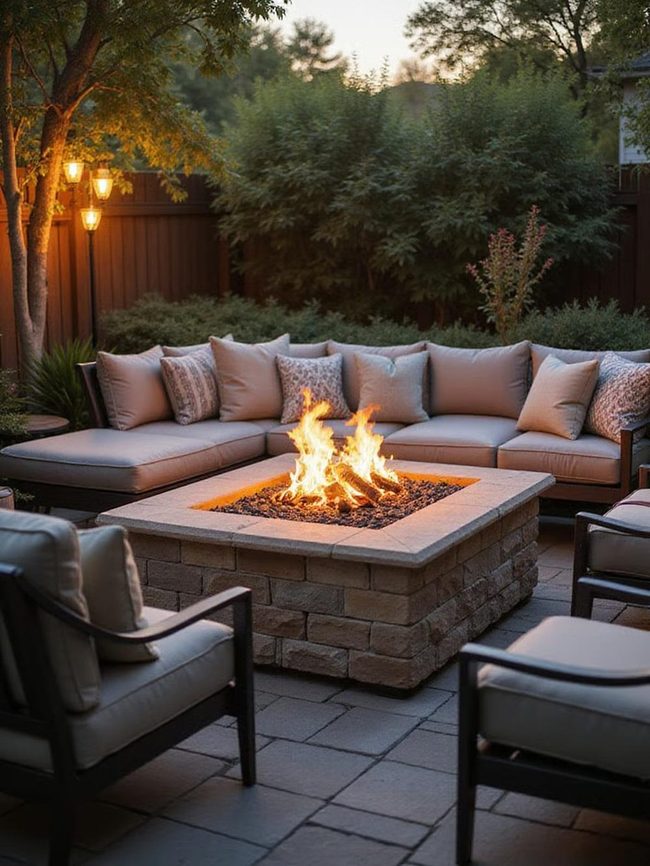
Comfortable seating matters more than the firepit itself, and we should be honest about that, a beautiful fire feature surrounded by uncomfortable chairs rarely gets used, while simple seating you can sink into becomes your home's favorite gathering spot.
Stop viewing outdoor furniture as a separate category and instead think of it as regular furniture that happens to live outside, deserving the same comfort level as your living room sofa.
Deep cushions and supportive backs should feel good against your skin, so invest in high-performance fabrics like solution-dyed acrylic and quick-dry foam that stand up to weather without sacrificing comfort.
Texture and warmth matter just as much, and weatherproof throws draped over chairs make cool evenings feel relaxed and encourage people to linger longer around your fire.
Rather than furnishing a patio, you're really building an outdoor lounge where everyone wants to spend time.
Scandinavian hygge captures this idea perfectly, it's about creating a space where comfort and contentment go hand in hand.
When you prioritize how things feel over how they look, your firepit area into the most-used spot in your entire home.
Morgan Huxley
Founder & Creative Director
Expertise
Interior Design & Bold Décor Concepts, Creative Color Applications & Artistic Details, Budget-Friendly Styling, Sustainable Design Practices
Education
Parsons School of Design, New York, NY
New York Institute of Art and Design (NYIAD)
Morgan Huxley is a designer with a passion for bold interiors that feel personal and inviting. As the founder and creative director of [Brand Name], he helps homeowners bring color, texture, and personality into their spaces. With a degree from Parsons and a decorating certificate from NYIAD, he blends artistic expression with practical design solutions.
Morgan believes that great style shouldn’t be out of reach. He shares budget-friendly tips, sustainable ideas, and creative design tricks to make any home feel elevated.
When he’s not designing, you’ll find him exploring NYC’s art galleries, street murals, and food spots for fresh inspiration.