
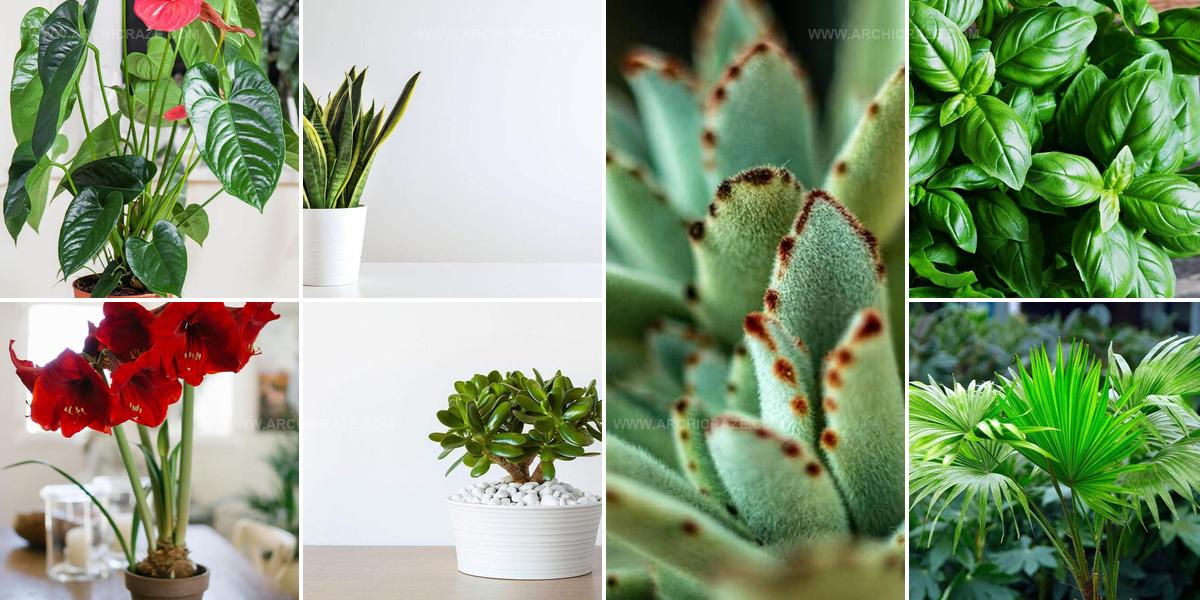
29 Bright South Facing Window Houseplant Ideas for Your Space

Houseplants thrive magnificently when positioned near a south facing window, where abundant sunlight floods the space throughout most of the day.
The intensity and duration of light exposure in such spots make them perfect for cultivating numerous botanical varieties that crave brightness.
Many plant enthusiasts overlook how strategic placement can mean the difference between lackluster growth and flourishing foliage.
Understanding which species genuinely appreciate strong illumination helps you avoid common mistakes that lead to disappointment.
Not every green companion suits such sunny conditions, so matching the right plant to the right location becomes essential for success.
Some varieties absolutely love basking in generous rays, while others may scorch or fade under such powerful conditions.
Learning to pair light-loving plants with optimal positioning will help you build a thriving indoor garden that stays healthy and beautiful year-round.
Striped Green Giants, Low-Maintenance
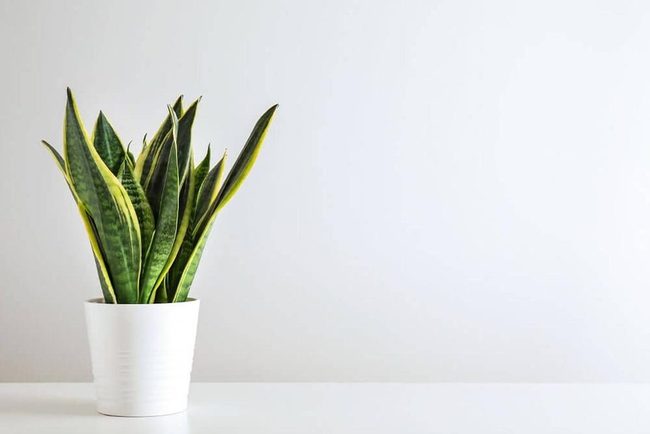
Snake plants command attention with their striking vertical-striped leaves in green and yellow tones that brighten any room.
What makes these plants so popular is their incredible ability to thrive whether you place them in dim corners or sunny south-facing windows.
Caring for them requires almost no effort since they tolerate a wide range of light conditions and don't demand constant attention.
You get the same low-maintenance quality as many other sun-loving plants, but with the added bonus of snake plants adapting to shadier spots too.
This flexibility means you can position them almost anywhere in your home and watch them flourish.
Adding one to your space introduces natural beauty without complicated care routines or special skills needed.
Red Winter Bloomer
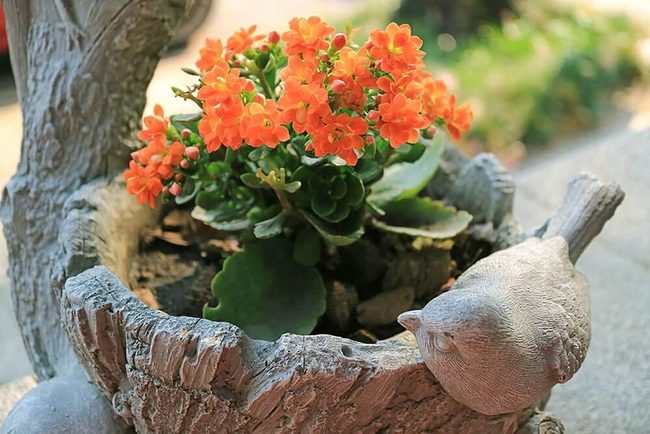
Flaming Katy plants deliver bold bursts of red, orange, and yellow flowers that stand out immediately in any room, with their small yet abundant blooms creating a striking visual presence in your indoor garden.
You get the appeal from how its unusual blooming schedule - it flowers during winter when most other houseplants sit dormant and bare, giving you months of continuous color when you need it most.
The display itself can keep going for nearly six months, which means you get an extended period of brightness rather than just a quick flash of color.
If you want to add life to your space during those darker, colder months, this plant does the job without asking much from you.
Even a single Flaming Katy can transform a dull corner into something lively and energetic.
The plant thrives indoors and fits well into any decorating style, whether your space is modern or traditional.
Compact Tropical Fan Fronds
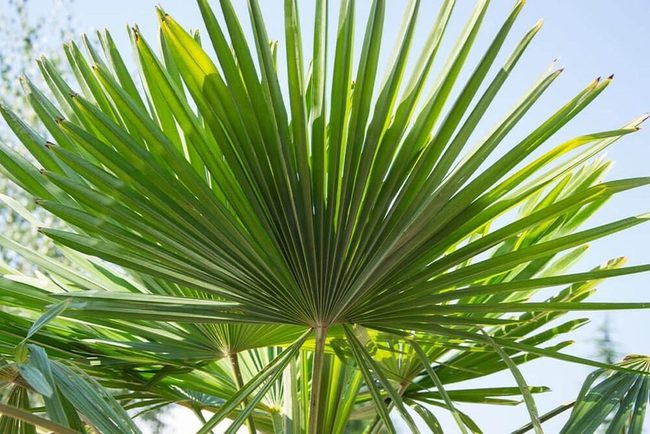
Dwarf palmetto catches the eye immediately with its large, fan-shaped fronds that bring natural beauty into any room you want to decorate.
Growing only a few feet tall at maturity, this plant stays manageable and won't take over your space, making it perfect for people working with limited room.
Container growing comes naturally to dwarf palmettos, and we find they fit seamlessly into small spaces where other plants might struggle.
Both full sun and partial shade work well for this hardy palm, so you have flexibility with where to place it in your home.
South-facing windows suit dwarf palmettos especially well, and many gardeners lean on this plant when they need something reliable.
The adaptability of this species means you can move it around your house without worrying about finding the ideal light conditions.
What makes dwarf palmetto really practical is how it handles different environments while still delivering that lush, tropical look that transforms ordinary corners into something special.
Cascading Pearl-Leaf Strands
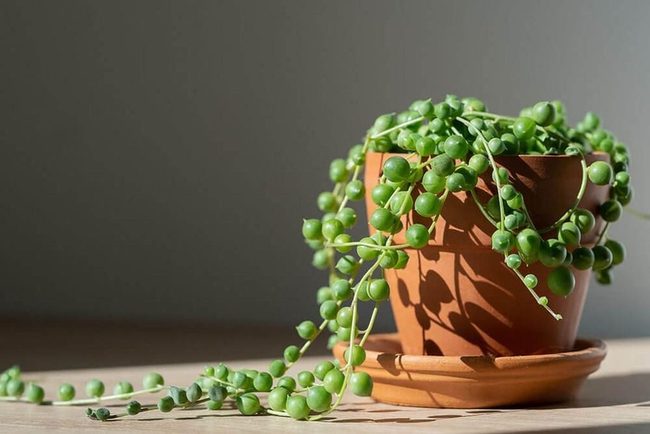
String of pearls plants make a dramatic statement in hanging baskets as their long, delicate stems cascade down in graceful waves with perfectly round, succulent leaves that catch the light beautifully.
These trailing plants do best in south-facing windows where they receive six to eight hours of direct sunlight daily, and this bright placement keeps their foliage looking full and vibrant.
You'll want to keep the soil consistently moist without letting it become waterlogged, and watering regularly during the growing season helps the plant thrive.
As the stems lengthen over time, they naturally spill over the basket's edges in a flowing, organic way that adds movement and dimension to any space.
The round leaves almost look like tiny beads strung together on thin green threads, which is where the plant gets its common name.
Hanging one of these in a sunny spot gives you a low-maintenance plant that literally grows more beautiful as it matures and fills out.
Croton Leaves In Yellow, Orange, Purple
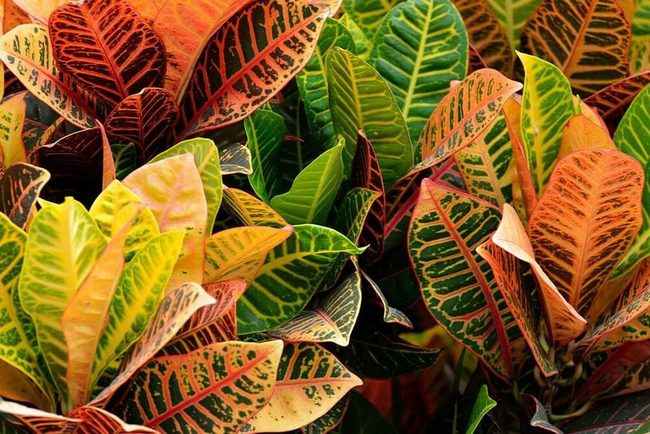
Croton plants bring unexpected color directly to your space through their large, leathery leaves that showcase bold hues of yellow, orange, and deep purple rather than relying on flowers alone.
Each leaf displays a primary shade with contrasting accent colors running through the veins, and this natural variety means you get far more than the typical green tones most houseplants offer.
Indoor spaces really come alive when you add these plants to your decorating mix.
The leaves themselves become the main attraction, giving your home depth and interest without needing blooms.
We often forget that nature paints foliage in surprising ways, and crotons remind us of that fact every single day.
If you want to bring color into a room without the fuss of flowering plants, these leafy beauties deliver exactly what you need.
White Jasmine Climbing Vine
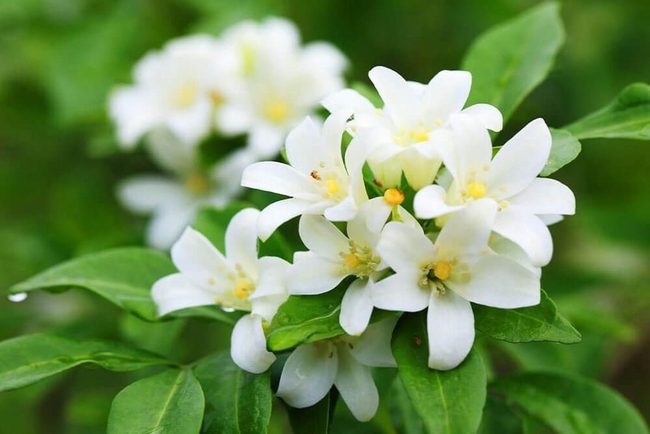
Jasmine flowers make heads turn with their pure white blooms standing out against lush green foliage, and the petals themselves come in fascinating forms - some look like roses while others twist into delicate pinwheel shapes that catch light beautifully.
What makes jasmine special is how it grows over time, starting modest in size but eventually spreading and climbing as it matures, so you'll want to plan for managing its expansion as the plant develops.
We love this plant because each individual bloom brings genuine beauty wherever you place it, whether you're decorating a garden bed or brightening up an indoor corner.
The combination of the flower's distinctive appearance and the plant's growth habit means you get both immediate visual interest and a living element that evolves with your space.
Jasmine works well when you understand it needs room to spread and occasional guidance to keep it shaped the way you want.
Spiky Sphere On Stems
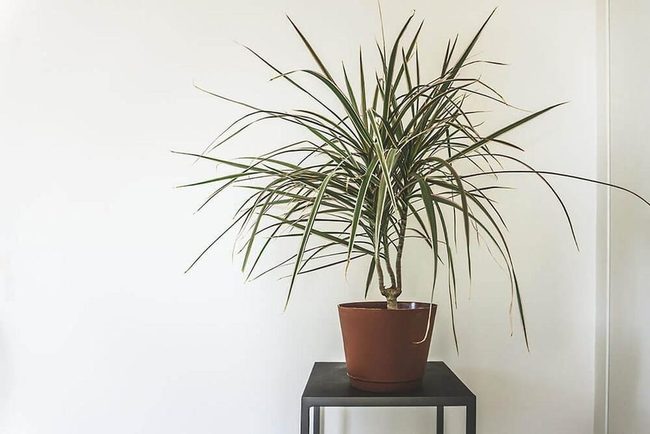
The Madagascar dragon tree catches everyone's attention right away with its striking spiky ball-shaped canopy that sits atop perfectly straight vertical stems, bringing instant texture and personality to any room you're decorating with plants.
The beauty of this setup is how easily it adapts to different lighting situations, whether you have a bright sunny corner or a shadier spot that needs some greenery.
I really appreciate how this tree handles low light without complaining, yet it also thrives when given more sun exposure.
You can place one almost anywhere in your home and watch it flourish, which makes it an ideal choice if you're still figuring out your lighting setup or want flexibility as you rearrange things.
The combination of its bold visual appeal and easygoing nature means it works well for both experienced plant lovers and anyone just starting to build their indoor garden.
Orange Exotic Bird Blooms
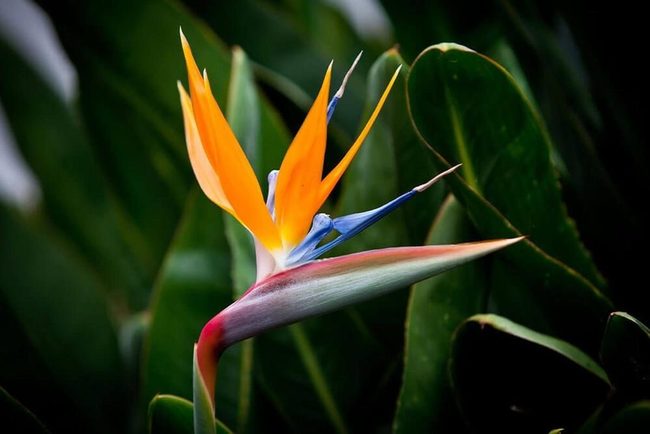
Bird of paradise plants command attention with their extraordinary flowers that genuinely resemble a bird's head, and people find themselves drawn to these remarkable blooms the moment they spot them.
The tall stems and broad oval leaves add distinctive character to any room or garden space you choose.
These plants perform best when positioned near a south-facing window where they receive plenty of natural light throughout the day.
What makes them so popular is their bold color palette and distinctly exotic look that brings something different to your home or outdoor area.
I think what keeps people coming back to these plants is how they showcase some of nature's most striking floral designs, and they're worth the effort to maintain properly.
Whether you're decorating indoors or out, a bird of paradise plant becomes a standout feature that captures everyone's attention.
Cascading Heart-Shaped Green Leaves
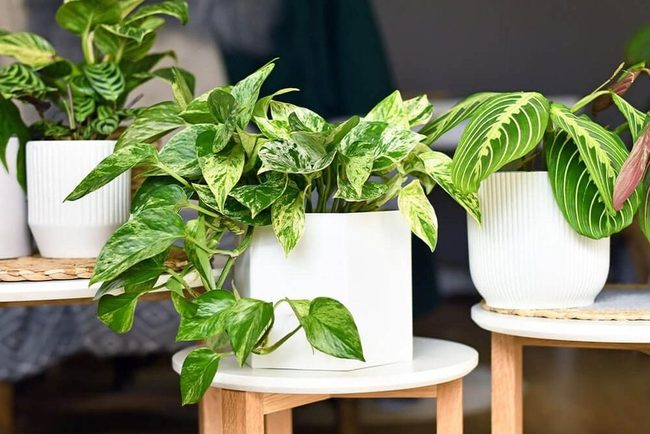
Devil's ivy catches attention right away with its cascading heart-shaped leaves that display beautiful color patterns, and no two leaves look quite the same, giving your space a dynamic natural look.
The reason this feels so appealing is that it grows quickly, so you'll see your greenery fill in fast without waiting forever.
The real standout quality is how adaptable it is to light, since it handles low-light corners just as well as bright south-facing windows, and this flexibility means you can place it almost anywhere in your home or office.
You don't need to fuss over specific lighting conditions or move it around constantly to keep it happy.
Whether you're a plant beginner or someone who travels often and forgets to check on things, Devil's ivy proves to be a tough, low-maintenance choice that still brings visual interest to any room.
Blue-Green Rosette Succulent
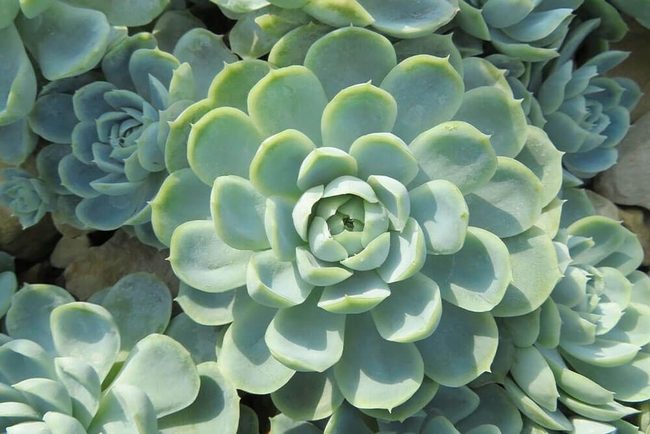
Echeveria catches attention right away with its distinctive rosette-shaped leaves that often display a soft bluish-green color, making it one of the most recognizable succulents you can grow.
Because it comes from warm, sunny regions, this plant absolutely loves bright light and does best when you place it somewhere it gets plenty of sun throughout the day.
A south-facing window becomes an ideal home for echeveria, and you can notice the way the natural sunlight brings out its pretty coloring.
People often think of echeveria first when they imagine what a classic succulent should look like, and for good reason since it checks all the boxes for a beautiful, easy-to-care-for plant.
Both beginners and experienced growers appreciate echeveria for how straightforward it is to keep healthy.
Its popularity keeps growing because it delivers real beauty without demanding much from you, and that combination is hard to beat.
Green Succulent Sunlight Essential
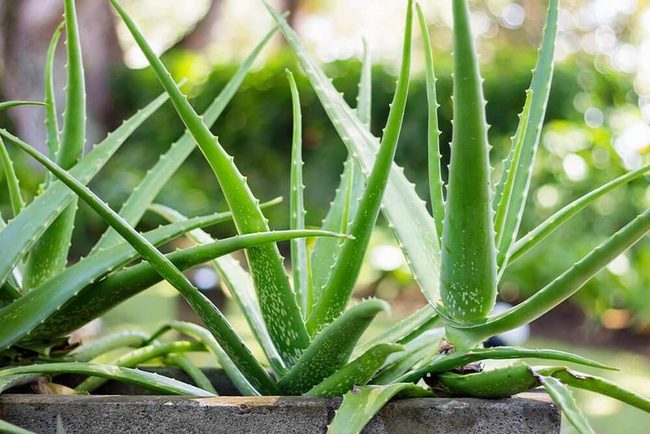
Aloe vera stands out with its striking long, pointed leaves packed full of healing gel that many people value for their natural benefits, and this beautiful succulent grows so easily that it has become a favorite among gardeners of all skill levels.
Sunlight serves as the foundation for keeping your aloe vera strong and healthy, as the plant simply cannot develop properly without sufficient bright light.
If you want your aloe vera to truly flourish, place it near a south-facing window where it gets the generous sunlight it needs to grow its best.
When you position the plant in the right spot, i enjoy seeing it responds with vigorous growth and vibrant color.
The amount of light your aloe vera receives directly affects how well it develops and maintains its health.
Skipping this essential step means your plant may become weak and struggle, so prioritizing light placement matters more than you might think.
Deep Purple Blooms, Minimal Care
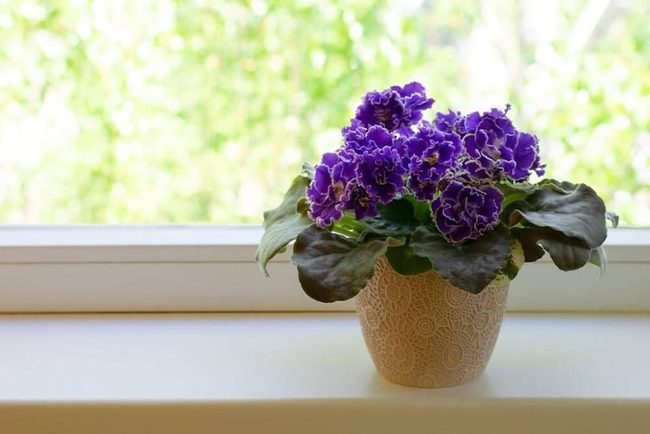
African violets deliver a burst of deep purple blooms with tiny yellow centers that immediately catch your attention when you walk into a room.
Since these plants stay small, they slip nicely into compact containers and work well in tight spaces where larger plants won't fit.
I love how little maintenance they need once you understand their basic preferences.
They do best in warm conditions and really thrive near south-facing windows where sunlight streams in regularly.
When these flowers bloom, the color is so vivid that it's impossible to ignore them in your space.
The charm of having them around means your home feels brighter and more lively just from their presence.
Caring for them is straightforward enough that even busy people can keep them happy and blooming.
If you want a low-fuss way to add real color to your home, African violets make an excellent choice.
Twisted Green Statement Plant
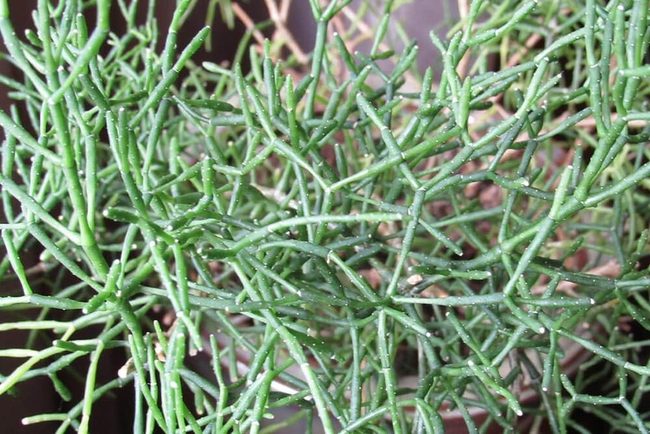
The pencil cactus makes a bold statement in any room because its wild, tangled branches grow in every direction and create a striking silhouette you won't find in other houseplants.
The thin, spiky shoots have an almost chaotic quality that adds real texture and movement to your space.
If you want something that looks totally different from the usual green plants sitting on shelves, this one delivers that instantly.
It loves sunlight and thrives when you place it near a bright window, making it both beautiful and low-maintenance.
We love how easily it transforms a corner or empty spot into something with personality and life.
The pencil cactus works well for people who enjoy plants with character and don't mind a little visual drama in their home.
Lavender Blooms, Fresh Kitchen Herbs
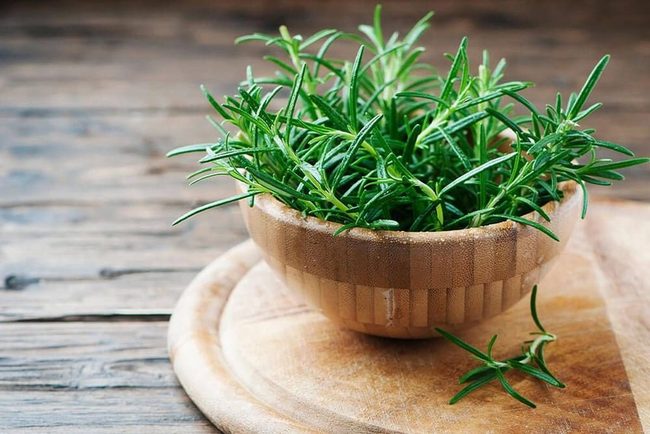
Rosemary plants bring delicate lavender flowers into your home and make any space feel more alive, while a mature plant fills indoor areas with a fragrance that naturally lifts your mood and makes the room feel fresher.
Like basil, these herbs love sunny spots and don't demand much from you to thrive.
Growing rosemary is straightforward and rewarding since you get both the pleasure of enjoying its wonderful aroma around your home and the bonus of having fresh herbs to cook with whenever you need them.
Beyond looking pretty with those small purple blooms, rosemary excels in the kitchen and brings genuine flavor to your meals.
The combination of charm and scent means you're adding something both beautiful and useful to your space without any fuss or complicated care routines.
Crimson Heart-Shaped Shine
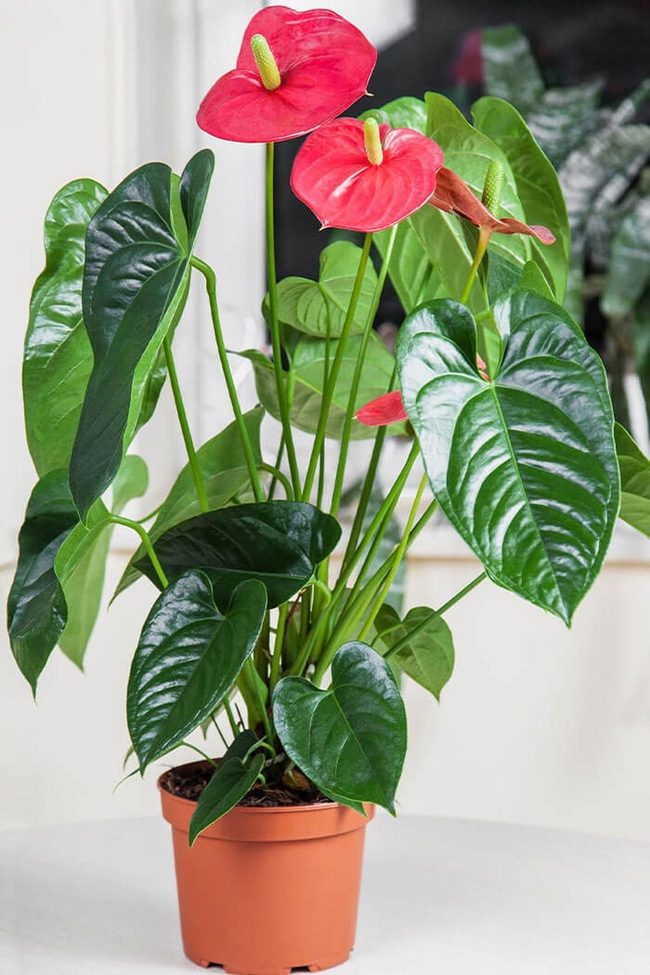
Flamingo lilies command your attention with their striking heart-shaped flowers that stand out in any space, and the glossy surface of each bloom catches light in ways that make them shine from across the room.
The bright red and pink tones practically leap off the plant, creating an instant visual statement that's hard to miss.
What makes these flowers so memorable is how the large petal wraps around a prominent central stem, giving the whole bloom a distinctive look that you won't forget.
The shiny texture adds another layer of appeal, reflecting light and giving the plant an almost polished quality.
Whether you're decorating a living room corner or brightening up a garden bed, this combination of bold color, unique shape, and natural shine makes the flamingo lily a standout choice that keeps drawing the eye.
Ponytail Palm’S Sunlit Silhouette
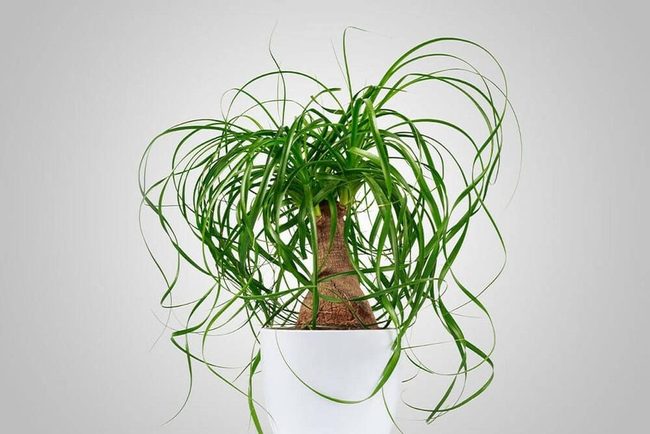
The ponytail palm stands out immediately with its unusual appearance, featuring long, thin leaves sprouting from a thick, light brown trunk that looks like a head of human hair.
Getting the most from this plant means placing it where bright sunlight reaches throughout the day, and a south-facing window usually works best for its growth.
We love how well this tree does when it gets the light it needs, and the healthy foliage becomes quite noticeable in any room.
You can enjoy the quirky personality it brings to your home while keeping care simple and straightforward.
The plant adds character and warmth to your space without demanding too much attention from you.
Indoor Meyer Lemon Harvest
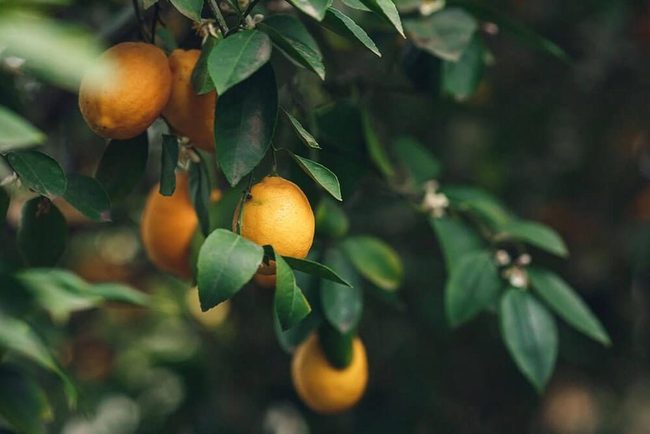
Growing edible fruits indoors becomes wonderfully real with a Meyer lemon tree, and you can harvest fresh lemons directly from your home without needing outdoor space.
This compact plant produces lovely fruit while staying small enough for apartments or tight corners, so it adapts easily to whatever room you have available.
Positioning it near a south-facing window gives the tree the sunlight it needs to flourish and produce healthy lemons throughout the year.
This feels useful because this simple setup lets you enjoy homegrown food without the work of maintaining a full garden outside.
Indoor lemon trees open up new possibilities for fresh flavors right from your kitchen, and the satisfaction of picking your own fruit makes the experience even better.
Whether you have limited space or just want to try something different, this approach works well for beginners and experienced gardeners alike.
Purple Ti Plant Statement
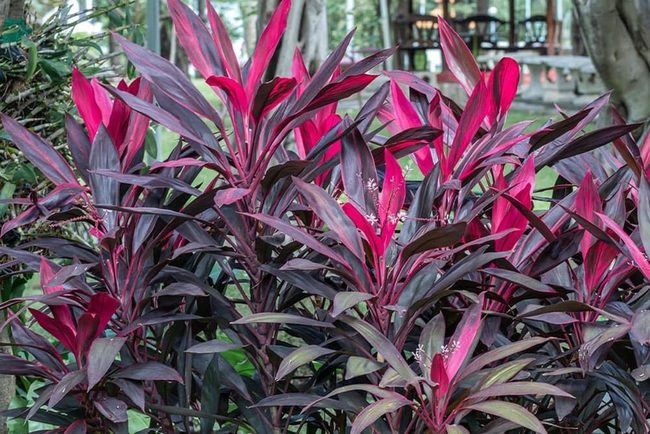
If you want to transform your space with something truly eye-catching, consider the Ti plant and its dramatic leaves that blend deep purple and light purple into gorgeous natural patterns.
This broad-leaved evergreen hails from Hawaii and grows wonderfully near south-facing windows where it can soak up plenty of light.
The vibrant foliage brings real energy to any room, and we think it works perfectly for people tired of the same old green plants everywhere.
The reason this feels so appealing is how each leaf displays nature's beauty and variety in a way you will notice and enjoy every single day.
The plant's unique coloring brightens your space without needing much fuss once you find the right spot for it.
Unlike conventional houseplants, the Ti plant offers something different and memorable for your home or office.
Emerald Fan Palm Statement
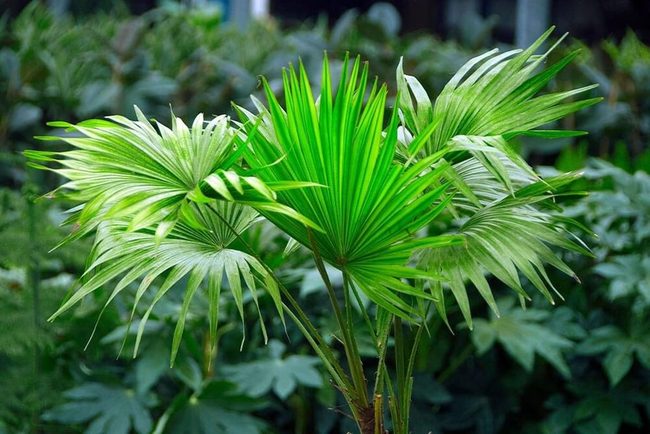
Large fan-shaped leaves from a Chinese fan palm catch the eye immediately as you walk into a room, bringing instant tropical flair to your space without demanding much floor area.
This variety works well for most homes since it stays compact indoors and adapts to the conditions you provide.
Palms in general do best when you position them near south-facing windows where they soak up plenty of natural light and warmth throughout the day.
The fresh green foliage adds life to your indoor garden and fills empty corners with living color.
We love how these plants give you that lush, natural feeling while keeping your layout practical and uncluttered.
Most indoor palms are forgiving about their environment, so you don't need special expertise to keep them healthy.
If you want greenery that makes a real statement without overwhelming your room, a palm tree is an excellent choice for any home.
Glossy Green Resilience Plant
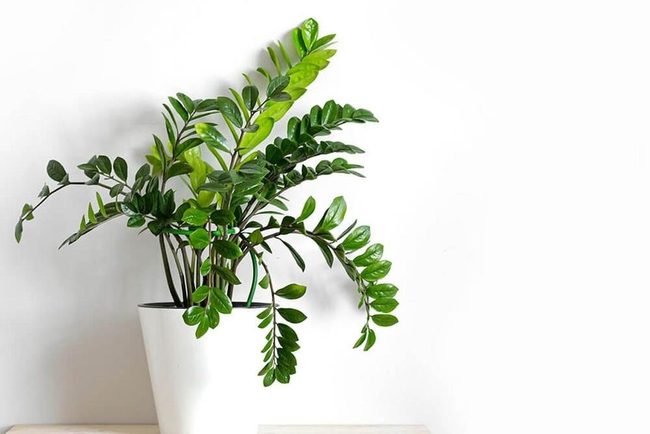
The ZZ plant commands attention with its deep green foliage and polished leaves that catch the light beautifully, making it a striking addition to any room despite its lack of bold colors.
Native to eastern Africa, this resilient species adapts well to indoor living spaces across different climates and conditions.
You'll appreciate how the plant maintains its sophisticated look without demanding constant attention or special treatment.
Sunlight streaming through a south-facing window helps the ZZ plant grow at its best, though it tolerates lower light situations better than many houseplants.
The name ZZ comes directly from the scientific title Zamioculcas zamiifolia, which gives the plant its distinctive label.
Picking this hardy species brings quiet sophistication to your home and pairs well with various decorating styles, all while asking very little from you in terms of upkeep and maintenance.
Sunny South-Facing Jade Trees
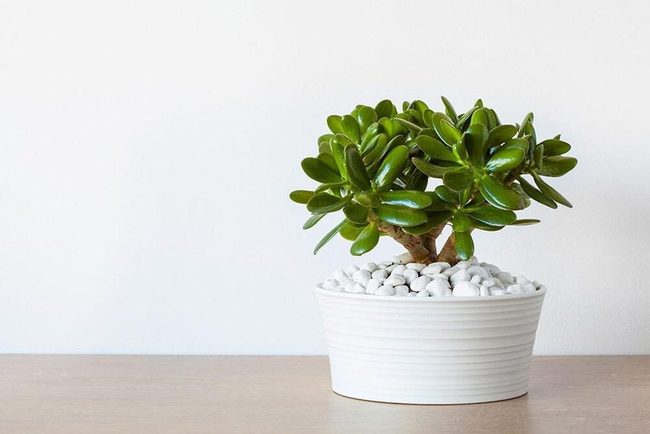
Jade plants with their woody stems and plump, round leaves look like miniature trees sitting on your windowsill, and mature ones absolutely thrive when you position them where they catch direct sunlight from a south-facing window.
Young jade plants need a different approach since they're more sensitive to intense rays, so you'll want to keep them in bright light without exposing them to strong direct sun right away.
The reason for this difference matters because protecting young plants from harsh light helps them build strength gradually and develop into healthy specimens over time.
Once your jade plant matures, moving it to that sunny south-facing spot will support its growth and keep it looking its best.
Starting with the right light conditions sets the foundation for success and means your jade will flourish beautifully in your home for years to come.
The key is matching the plant's age to its light needs, and you'll find that this simple adjustment makes all the difference in how well it grows.
Coin-Shaped Green Spacecraft
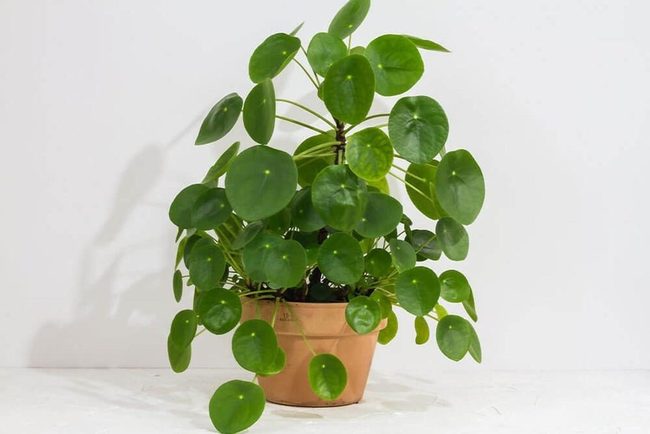
Pilea peperomioides stands out among money plants because of its round leaves that look like coins or flying saucers, and these circular shapes can grow up to four inches long, making them impossible to ignore in any room.
Slender stems emerge from the center of the plant and finish with these nearly perfect round leaves, which is the reason this feels so appealing isually different from other houseplants.
People have given it fun nicknames like UFO plant and coin plant because of how distinctive those leaves are.
While many different plants get called money plants, this one really grabs your attention with its unusual appearance that sticks with you.
When you place it in your home, you'll find yourself drawn to how striking it looks compared to other greenery.
The shape and structure of pilea peperomioides make it a standout choice if you want something that looks genuinely interesting and different.
Cascading Green And Cream
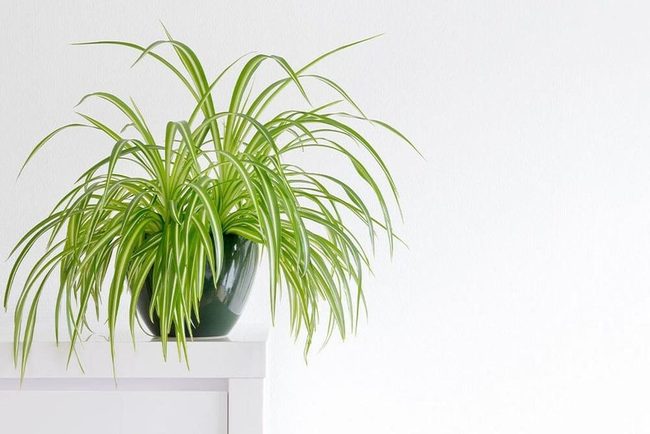
Spider plants catch attention right away with their dramatic arching leaves that flow downward in graceful waves, making them perfect for hanging baskets where their movement becomes part of your decor.
The foliage displays a stunning contrast of creamy white centers that fade into deep green edges, and this two-tone coloring adds visual interest and depth to whatever room or garden space you place them in.
You can arrange multiple plants together and let them spill over their containers in lush clusters that soften hard corners and draw the eye upward.
Their ornamental appeal works well whether you want to brighten a dark corner indoors or add greenery to an outdoor area.
Spider plants adapt easily to different lighting conditions and don't demand much attention, so even if you're new to gardening, you can enjoy their beauty without stress.
Cascading Pink-Green Heart Vines
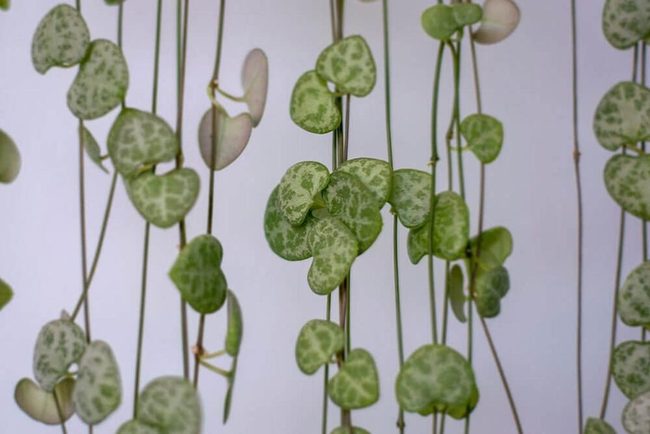
Hanging baskets filled with string of hearts plants become an instant eye-catching feature because the mature vines develop long strands that cascade down several feet.
What really stops people in their tracks is how some varieties display both vibrant green and soft pink leaves on the same stems, creating that two-tone effect that just stands out.
Small heart-shaped leaves line these trailing vines and add a delicate, charming quality to whatever space you place them in.
Whether you hang one above a window or position it on a shelf, this plant brings genuine life and movement to rooms and garden areas alike.
We love how nature's design shines through in the leaf shape and color combination.
The long, flowing stems give you natural decoration that feels both playful and calming all at once.
Indoor Hibiscus Red Bloom
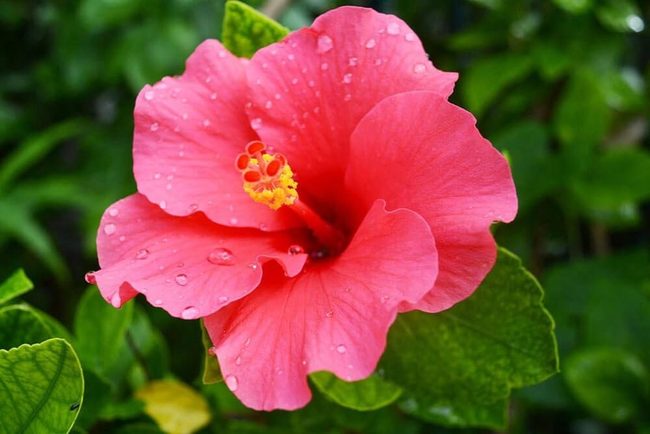
Hibiscus rosa-sinensis brings stunning blooms right into your home and grows beautifully in containers without needing much room.
Most people overlook this fantastic plant when decorating indoors, yet it deserves way more attention than it gets.
The flowers themselves are absolutely gorgeous and will brighten up any living area you place them in.
Unlike the larger hibiscus varieties that live outside, this compact version thrives near a south-facing window where it gets plenty of natural light.
You don't need a big space or special gardening skills to keep one happy and healthy.
Setting one on a shelf, table, or windowsill instantly adds color and life to rooms that feel a bit plain.
We think more people should consider this option because it looks beautiful and fits easily into most homes.
Teal Spotted Panda Plant
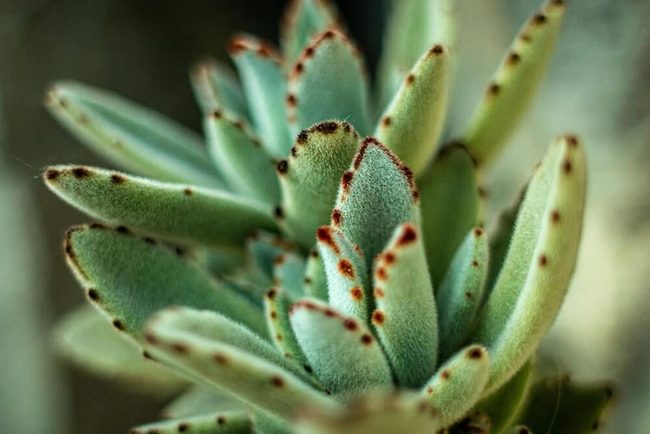
Multicolored leaves in shades of teal and light brown spotted patterns immediately stop you in your tracks with their striking appearance, regardless of whether your panda plant stays compact or grows to its full two-foot height.
The thick foliage displays rich coloring that makes even a small specimen stand out in any room.
Growth happens slowly, which means you won't need to repot or manage rapid expansion.
Caring for this succulent demands very little from you - water sparingly and let the soil dry between waterings.
Positioning it near a south-facing window brings out the best colors and keeps the plant thriving.
Sunlight really does make all the difference in how vibrant those leaves become.
If you like having living decor that doesn't require constant fussing, this species delivers exactly that benefit.
It's one of those rare plants that looks impressive while asking almost nothing of you in return.
Fresh Basil By Sunny Window
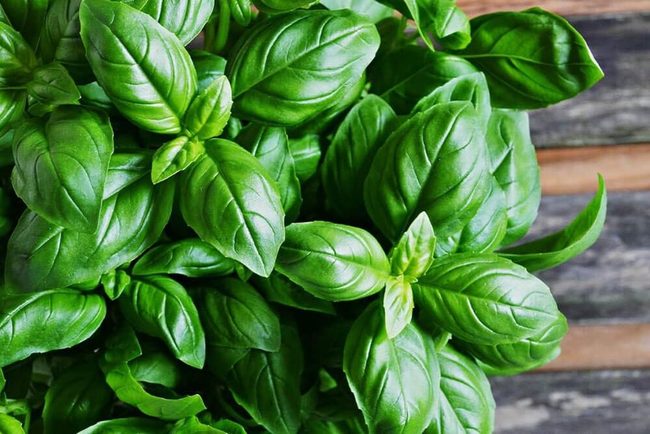
Growing herbs inside your home brings fresh flavor right to your kitchen, and a south-facing window works best for nurturing plants like basil in natural sunlight.
Basil's rounded green leaves grow quickly and look beautiful displayed on your windowsill, whether you harvest them for pasta and sauces or simply enjoy their vibrant greenery as decoration.
If you don't have outdoor space, don't worry at all because you can still enjoy homegrown herbs in just a small corner of your home.
The whole setup takes minimal room and gives you access to ingredients that taste far better than anything store-bought.
Inside cultivation means you can snip fresh leaves whenever you need them, and the plants themselves brighten up any kitchen area.
We love how simple this is to maintain once you get started.
You'll find that having herbs within arm's reach changes how you cook and eat every single day.
Cascading Emerald Rope Succulent
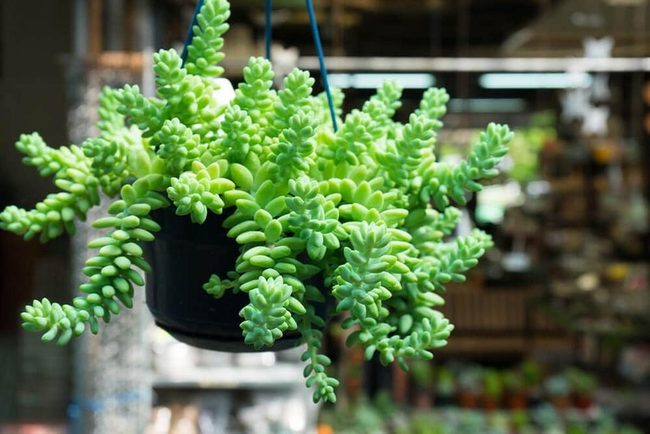
The long, rope-like leaves of the donkey's tail plant make a stunning visual statement that catches everyone's attention when you walk into a room.
This succulent grows best in a south-facing window where it can bask in plenty of sunlight throughout the day.
You'll love watching how its wild growth cascades over the sides of whatever container you use, creating layers of interesting texture and movement.
As the plant matures, those fascinating trailing leaves stretch out even longer and add progressively more charm to your space.
The way it flourishes brings a genuine sense of joy and life to any room you place it in.
Something about caring for this unique plant and seeing it thrive makes decorating feel less like a task and more like nurturing something alive.
Red Amaryllis Statement Blooms
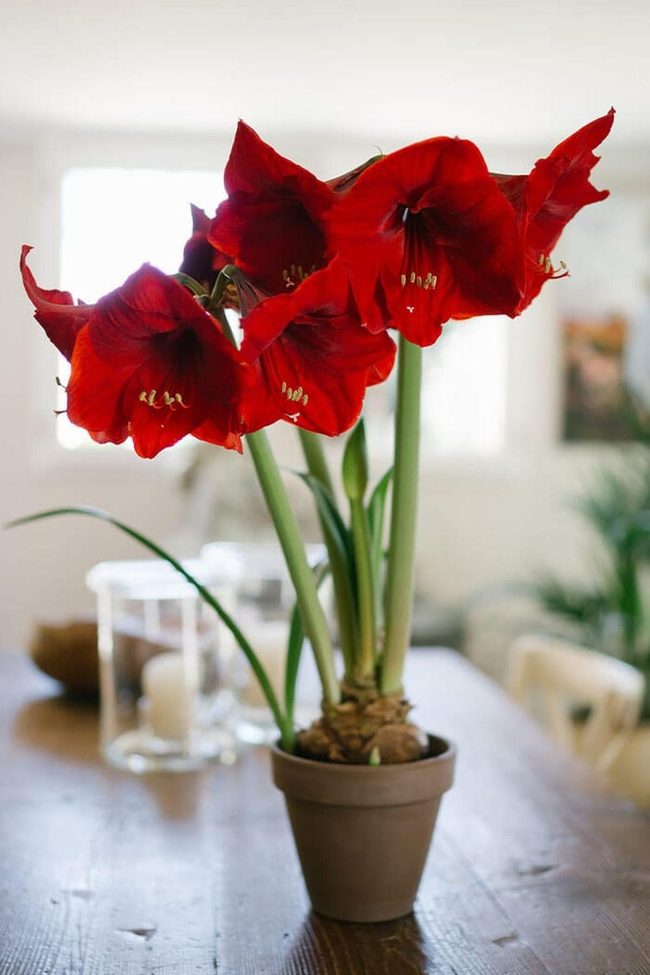
Amaryllis plants grab your attention immediately with their large, bold flowers that rise on sturdy stalks and make any room feel more alive.
The blooms sit at the top like a vibrant crown, and they typically come in rich reds or pinks that feel both modern and natural.
You can also find two-toned varieties with lovely mixes of pink, white, and red stripes if you want something a bit different.
Because these plants thrive in bright sunlight, positioning yours near a sunny window keeps it healthy and happy.
The tall, upright growth habit means amaryllis works well in corners or on shelves where you want to draw the eye upward.
When you bring one home, it brightens your space without much fuss since the flowers do most of the visual work for you.
We love how simple it is to enjoy these plants, as they really don't need constant attention once they're in the right spot.
Morgan Huxley
Founder & Creative Director
Expertise
Interior Design & Bold Décor Concepts, Creative Color Applications & Artistic Details, Budget-Friendly Styling, Sustainable Design Practices
Education
Parsons School of Design, New York, NY
New York Institute of Art and Design (NYIAD)
Morgan Huxley is a designer with a passion for bold interiors that feel personal and inviting. As the founder and creative director of [Brand Name], he helps homeowners bring color, texture, and personality into their spaces. With a degree from Parsons and a decorating certificate from NYIAD, he blends artistic expression with practical design solutions.
Morgan believes that great style shouldn’t be out of reach. He shares budget-friendly tips, sustainable ideas, and creative design tricks to make any home feel elevated.
When he’s not designing, you’ll find him exploring NYC’s art galleries, street murals, and food spots for fresh inspiration.