
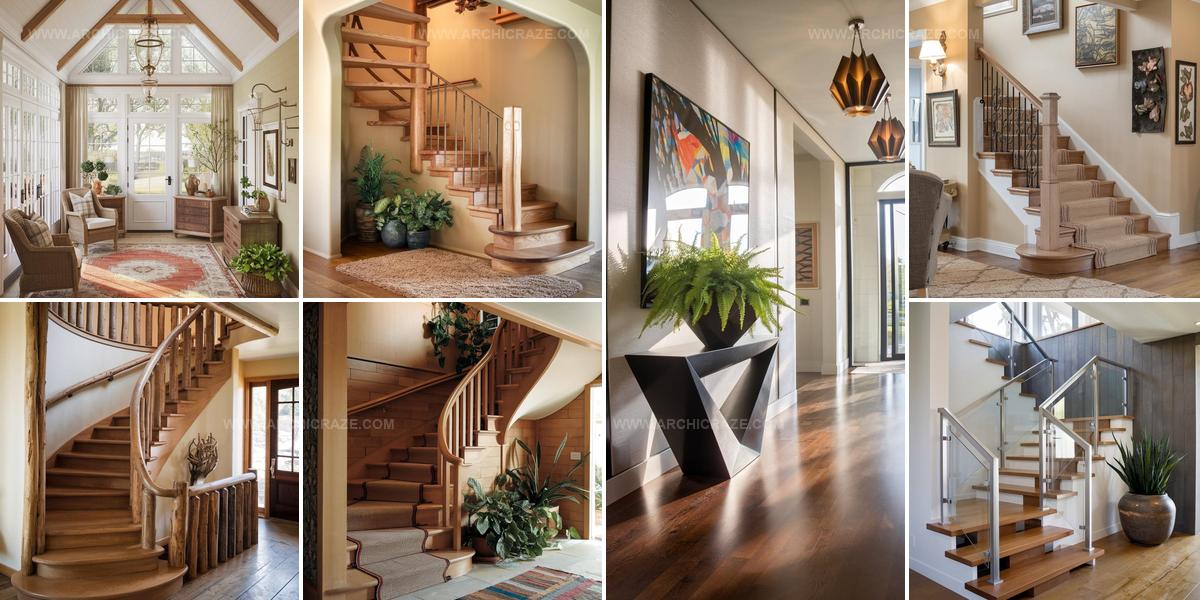
22 Split Level Entryway Ideas That Welcome Guests

Split level entryway ideas can completely change how welcoming the transition spaces in a home feel when someone walks through the door.
The unique architecture of multi-level homes presents both challenges and opportunities that many homeowners face daily.
Smart design choices make navigating between floors feel seamless while adding personality to what's often an overlooked area.
Color palettes, lighting fixtures, and storage solutions all play important roles in maximizing functionality without sacrificing style.
Small adjustments can have a big impact on how cohesive the different levels appear to guests and family members alike.
Even homes with limited square footage benefit from thoughtful planning that addresses practical needs and aesthetic preferences simultaneously.
Ready to reimagine one of the hardest-working zones in a house and make it shine?
Large Statement Art Wall
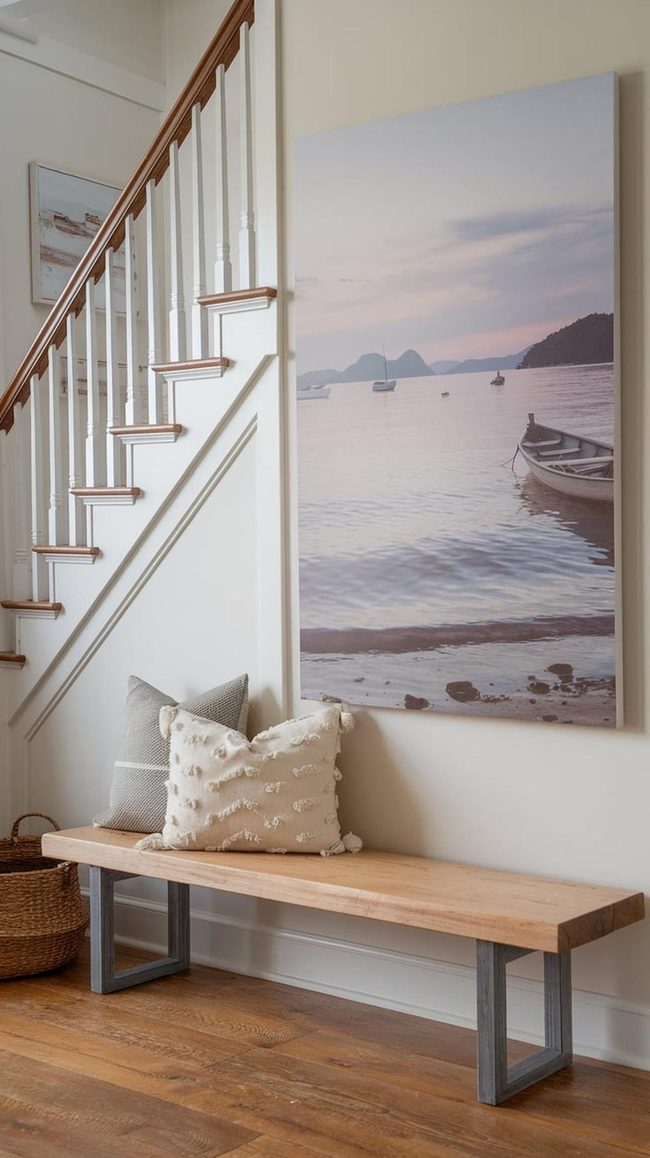
Hanging one large artwork on your wall gives the room an instant sense of polish and draws attention straight to that space.
You can choose bold pieces, nature scenes, or black-and-white designs that fit with what you already have around the room.
Big art pieces serve as an anchor for your entire décor plan and set the tone for how everything else flows.
Whether you go for bold colors or simple tones, a oversized painting or print becomes the main visual element that everything else relates to.
Hanging something substantial shows more confidence in your style than spreading things thin across multiple small frames.
You can find that this approach works in living rooms, bedrooms, and hallways because it fills empty wall space and makes any room feel balanced.
Even a simple canvas in neutral colors can anchor a space and make the whole room feel more grounded and complete.
Stairway Family Photo Wall
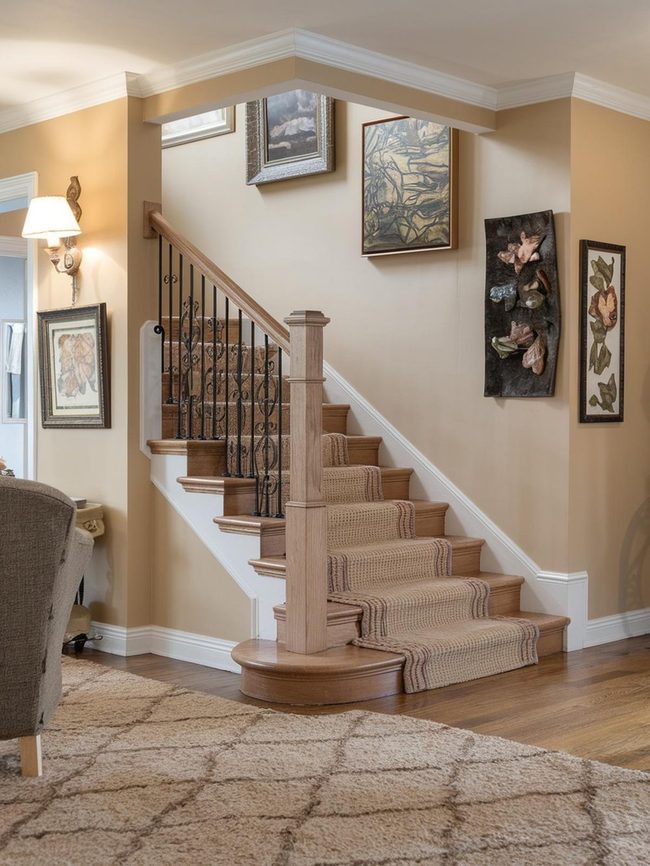
Transform your stairway wall into an eye-catching gallery by hanging family photos, framed artwork, and decorative wall sculptures across the blank space.
Matching frames throughout the display helps everything feel connected and polished, so you get a unified look rather than a scattered one.
When you arrange these pieces at varying heights, the wall becomes more dynamic and interesting to look at.
Mix different sizes of frames and artworks to keep the viewer's eye moving across the wall.
Personal touches like family memories and meaningful art pieces make the stairway feel less like a hallway and more like a reflection of who you are.
You might start with larger pieces as anchors and fill in spaces with smaller items around them.
This approach works well because it lets you showcase what matters to you while making that empty wall into something special.
Reflective Glass Doubles Your Room
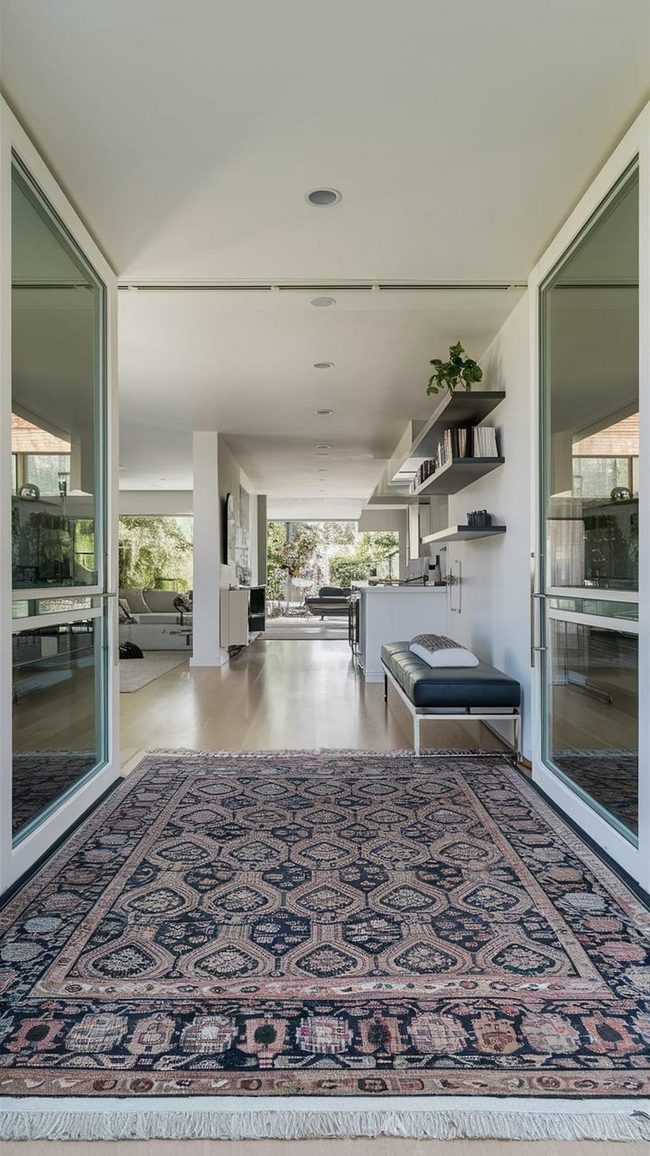
A large mirror can make an entryway feel brighter and more open right away.
One full-length mirror works well when you need a quick outfit check before leaving.
Smaller mirrors grouped together can also make the wall feel more styled.
This simple piece helps a tight entrance feel larger without adding clutter.
Custom Cubbies And Bench Solutions
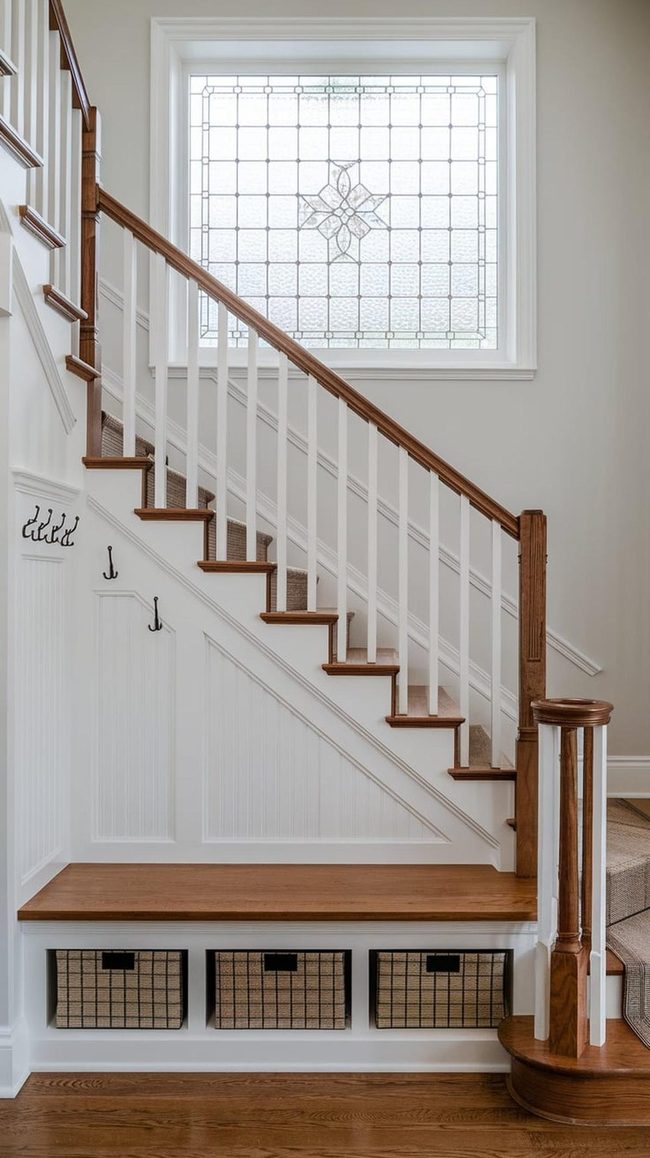
Entryway clutter can make even the simplest spaces feel chaotic, so built-in storage solutions work wonders for keeping things organized and accessible.
You might consider installing cubbies along the wall to hold shoes, bags, and accessories without eating into your floor space.
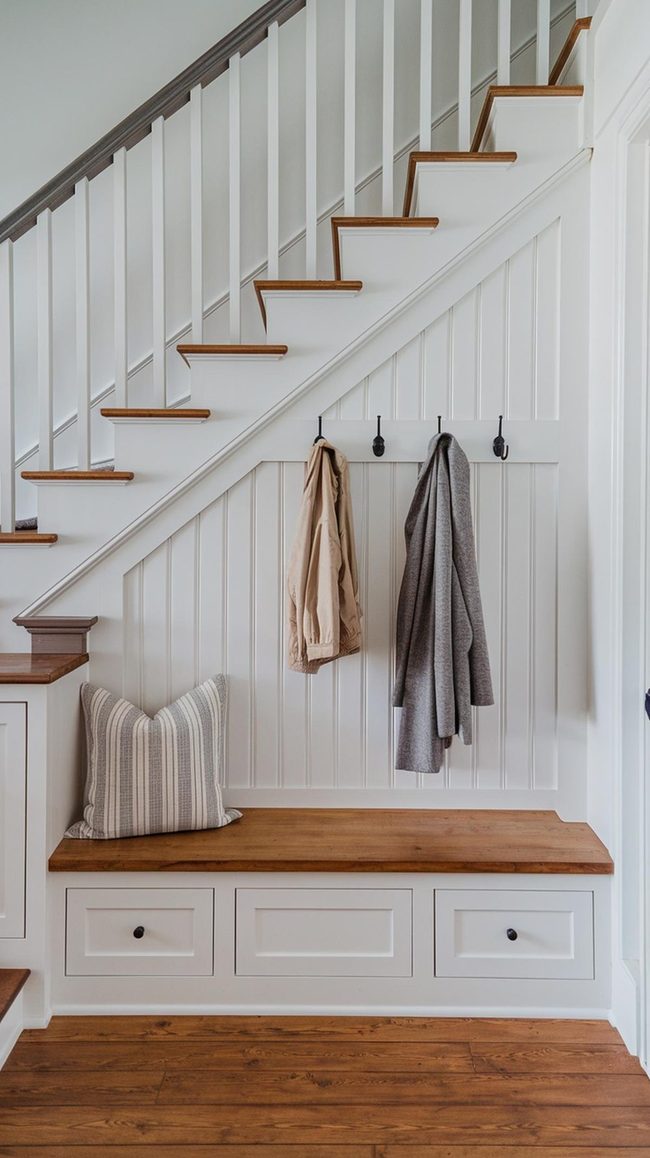
A bench with drawers underneath serves double duty and gives you a place to sit while removing your shoes.
Wall-mounted coat racks keep jackets and outerwear off the floor and within easy reach.
We recommend measuring your entry area first to determine what will fit best and match your home's style.
Floating shelves can display baskets for smaller items, and labeled storage boxes help everyone in your household know where things belong.
Having a designated spot for across item means less mess and more functionality when you're rushing out the door.
your family will appreciate an organized entry just as much as you will.
Grain And Stone Interior Softness
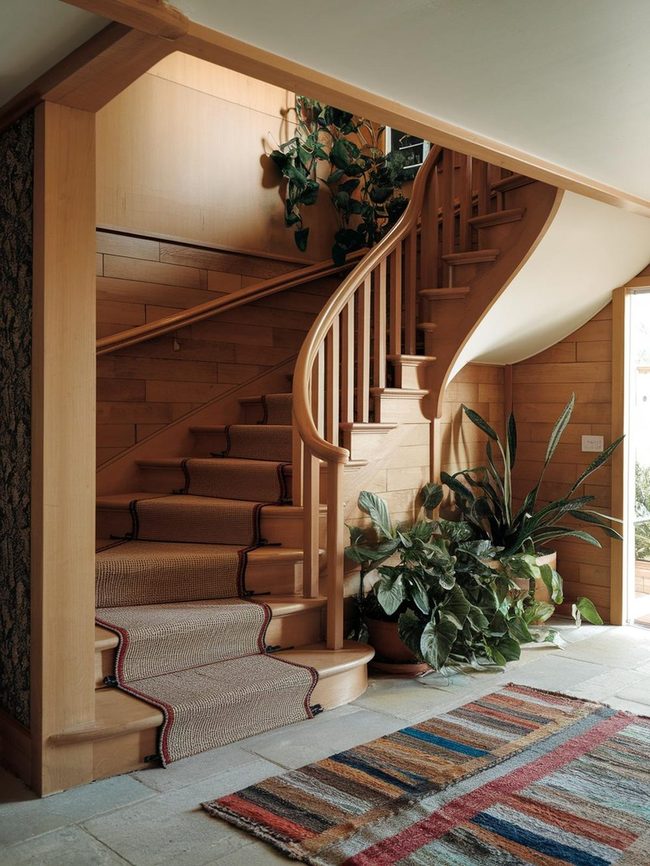
Natural materials like lumber and stone add genuine warmth to your space, and plants in corners or along shelves help break up the hard lines that split-level homes often have.
Consider adding a lumber accent wall in a main living area to ground the room with texture and earthy tones.
Indoor plants scattered throughout different levels work well for softening rigid architecture and bringing life into the space.
You might place greenery on shelves, windowsills, or hanging from the ceiling to fill gaps and add dimension.
Stone elements like a fireplace surround or accent tiles give depth and connect your home to nature.
Even simple touches like timbered furniture or woven baskets alongside your plants make rooms feel less sterile and more livable.
When you layer these natural materials together, your home gains character that doesn't feel forced or overdone.
Wooden Staircase With Patterned Runner
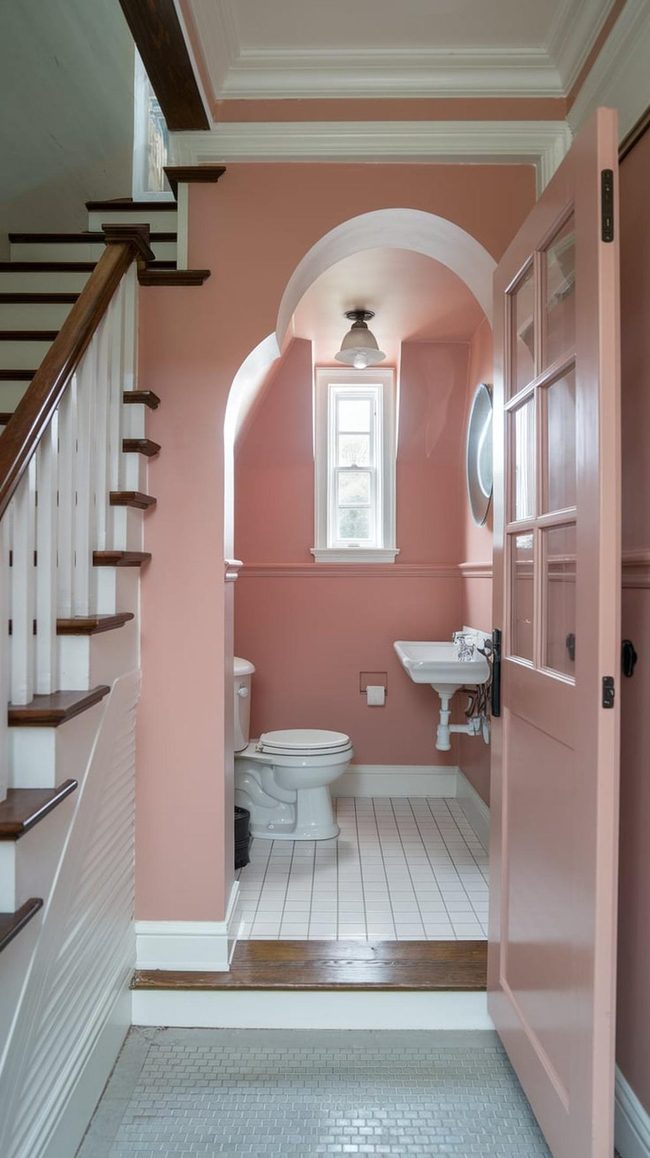
Bold dark finishes on your home's exterior, think deep charcoal or matte black, command attention and set a strong first impression on your street.
You can balance this dramatic look by adding warm oak elements like a natural walnut door or timber accents along the roofline.
Strategic airying around your entryway or along pathways softens the intensity of dark colors and reveals the texture of your home after sunset.
Upairying on trees or muted wall sconces near your entrance make the space feel welcoming rather than harsh.
When you combine these darker tones with golden or warm-toned airying, the overall effect becomes both sophisticated and approachable.
Oak tones in railings, shutters, or trim bring in natural warmth that prevents dark exteriors from feeling cold or unwelcoming.
Your home's curb appeal gains real presence with this approach, and passersby observe how the contrast between dark surfaces and warm accents creates visual interest.
Neutral Flow Through Connected Spaces
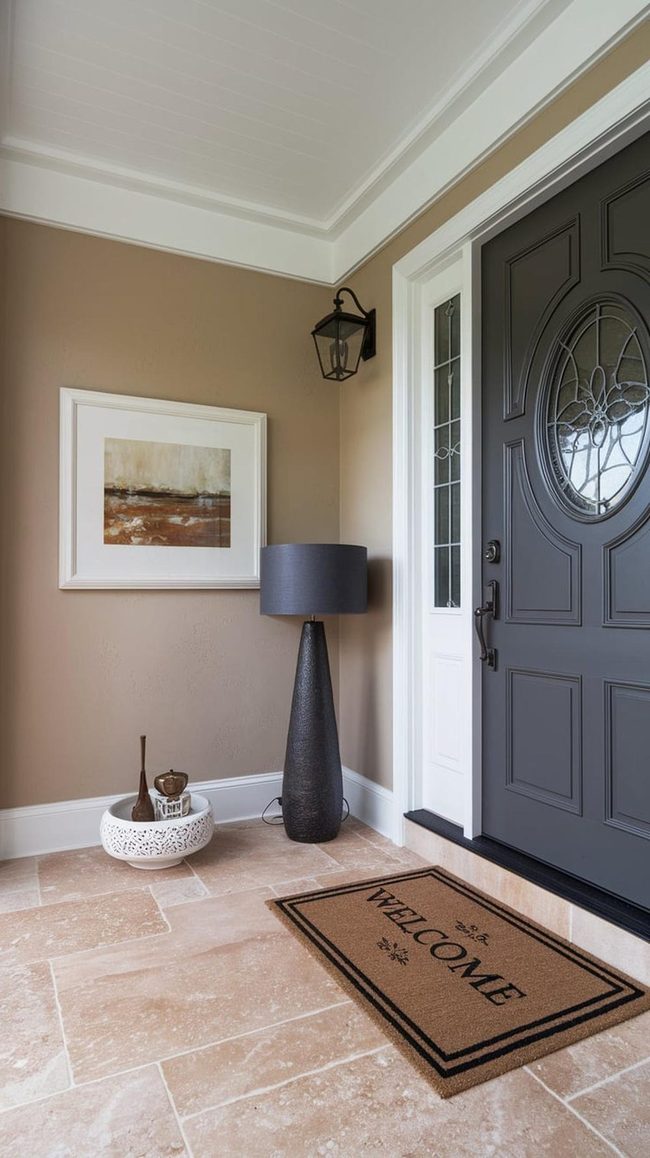
Building a consistent color scheme across your entry and the rooms nearby helps everything feel connected and balanced.
Neutral shades like beige, gray, and cream work well if you want a calm, understated look.
Moody colors such as deep blue, charcoal, or forest green can add depth and sophistication to your space.
When you carry these same tones from one area into the next, the whole home starts to feel measured and harmonious.
Paint, furniture, and accessories should all pull from the same palette so nothing feels out of place.
Ambient, airy neutrals make homes feel open and peaceful, while darker tones bring warmth and richness to entry halls.
You don't need to overthink this, just pick three to four colors you love and use them throughout your entry and connected spaces.
Sticking with your chosen palette makes decorating easier and gives your home a polished, put-together appearance.
Sleek Wall-Mounted Entry Display
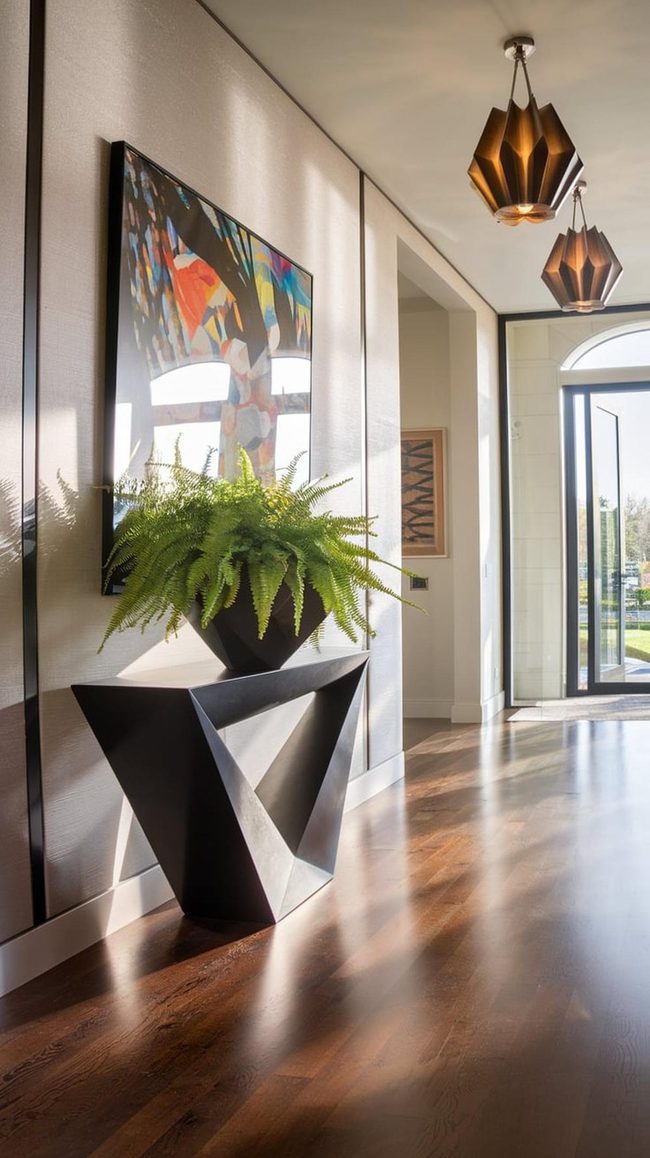
Mounted right on the wall, a floating console table brings an open and updated feel to narrow entryways without eating up floor space.
You can showcase decorative pieces, sit a small lamp on top, or use it as a useful for everyday living spot to toss keys and mail.
Since nothing sits underneath, the area below stays visible and uncluttered.
Glow grain or crisp metal options both work well depending on your style.
Keeping the surface simple prevents the space from looking crowded.
One or two meaningful items on display keep things balanced.
Small entryways benefit most from this approach since it saves precious room while still giving you Systems and display options.
Pendant Glow Dramatic Height Statement
Swap out your standard ceiling fixtures for hanging pendant ambients and you may instantly draw the eye upward to showcase your entryway's height and architectural bones.
Pendant ambients deliver a softer glow than traditional flush mounts, which makes the space feel more open and approachable.
You can hang them in pairs or groups depending on your ceiling size and personal style.
Multiple pendants spaced across the entryway bring about rhythm and help guide people naturally into your home.
Hanging fixtures also tend to complement modern and contemporary spaces better than standard ceiling mounts do.
It feels like about how this simple swap makes visitors feel welcomed the moment they step through your door, and that's really where good design starts.
Jute Layered Rugs For Doorways
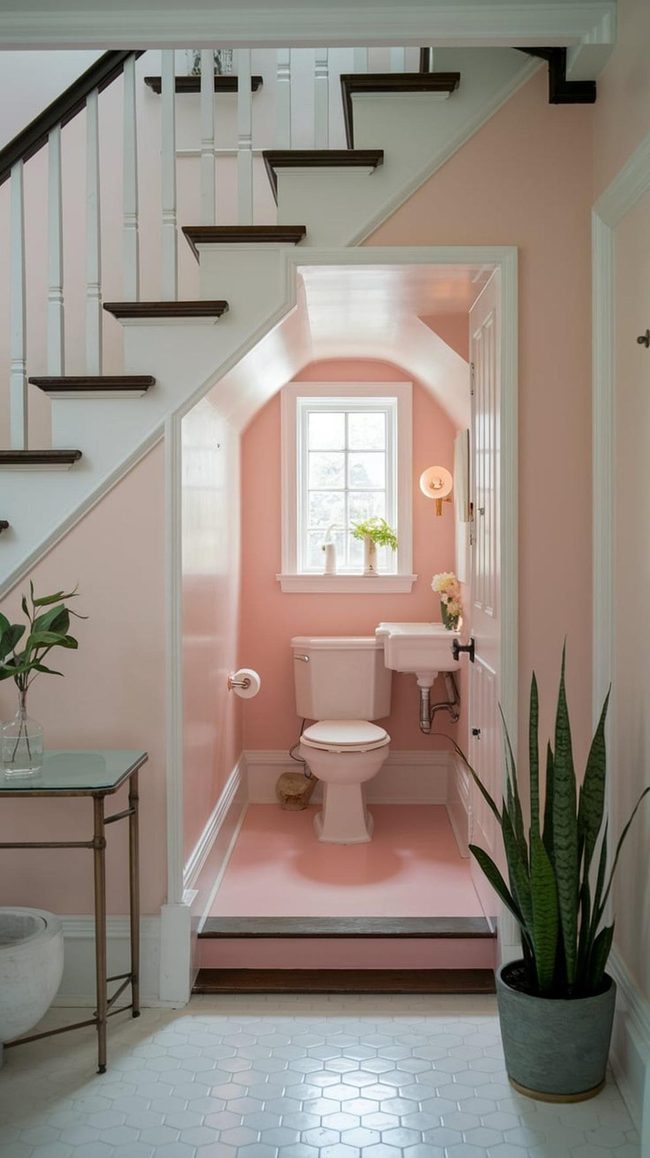
Layering rugs in your entryway brings both comfort and definition to the space, and pairing a runner with a smaller rug near the door does wonders for breaking up your floors and showing where people should step.
Natural materials like jute and wool work great for these pieces since they stand up well to heavy use and can handle regular cleaning without falling apart.
You get well suited to daily routines benefits along with a softer surface underfoot, which makes the room feel more welcoming.
Mixing textures through different rug styles adds visual interest without making things look crowded or overdone.
Going with washable options saves you stress in the long run, especially in a high-traffic zone where dirt and moisture are bound to show up.
Choosing neutral tones or simple patterns keeps the space feeling calm while still adding that extra layer of warmth that makes people feel at home the moment they arrive.
Airy Wall Shelves Plant Display
Floating shelves offer an excellent way to make the most of your wall space while displaying plants, vases, or books that you love, and they do this without crowding your room.
Installing these shelves keeps everything organized and visible at eye level.
You can arrange your favorite items on them so your space feels both useful and open.
This approach lets you show off your belongings without taking up floor space.
Plants on floating shelves bring life to blank walls and well-liten up any corner.
Books stacked neatly add color and personality to your walls.
Vases and decorative objects can sit between plants and books for nice variation.
Since nothing sits on the ground, your room stays open and flowing instead of feeling stuffed.
Underbed Shoe Drawer Solution
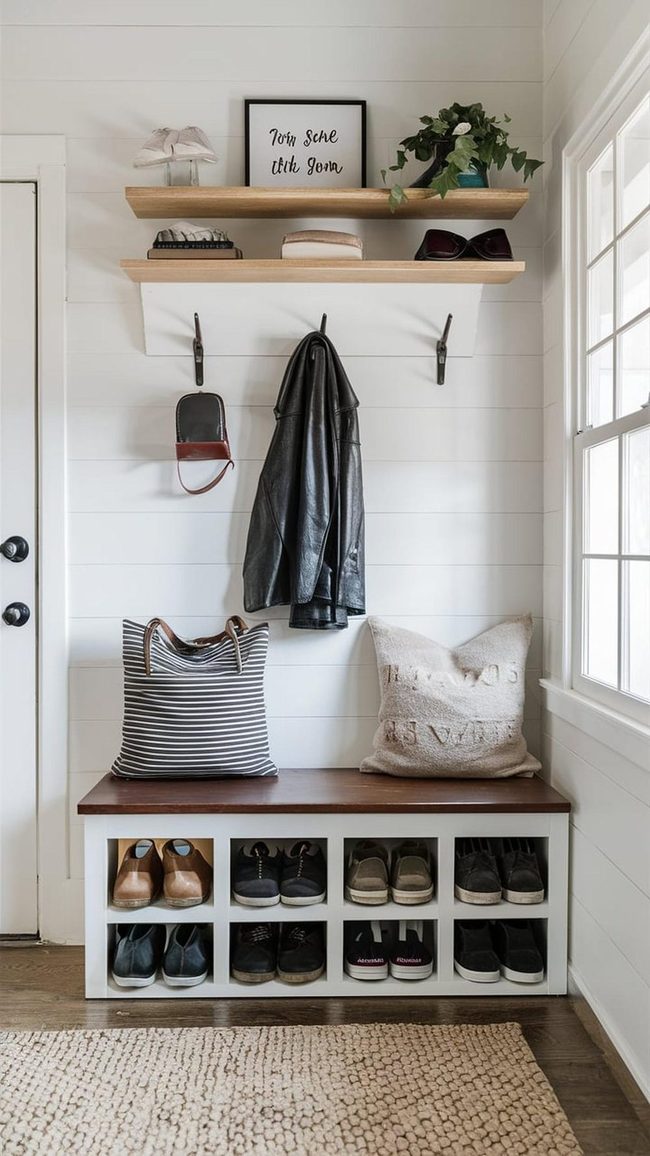
Keep your shoes neatly tucked away with a Space ottoman that doubles as extra seating, or slide a shallow drawer under a bench to stash pairs out of sight.
Both options work well for maintaining an organized entryway without clutter taking over your space.
You get the bonus of keeping your floor clear and making the room feel more spacious.
Space ottomans come in various colors and fabrics that match your decor, so they blend right in with your existing furniture.
Slide-out drawers under benches are especially handy because you don't need extra floor space to open them fully.
When shoes are hidden away like this, visitors see a calm, put-together room rather than a pile of footwear by the door.
It's one of those simple solutions that makes a real difference in how your entryway looks and functions day to day.
Transparent Panels Open Luminous Spaces
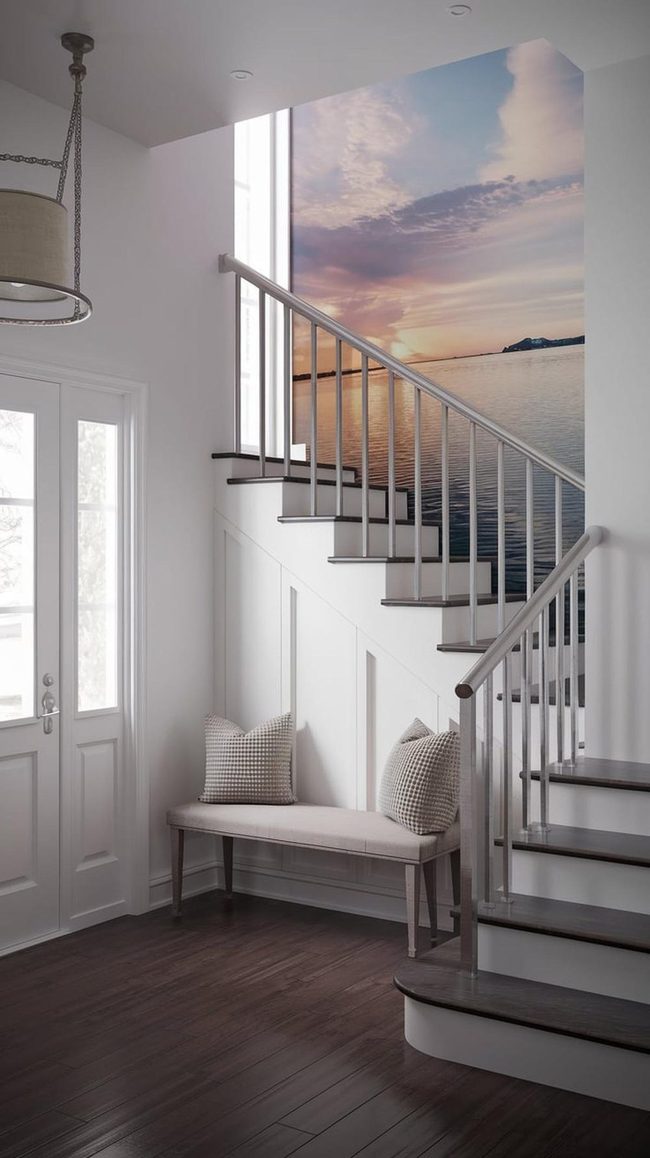
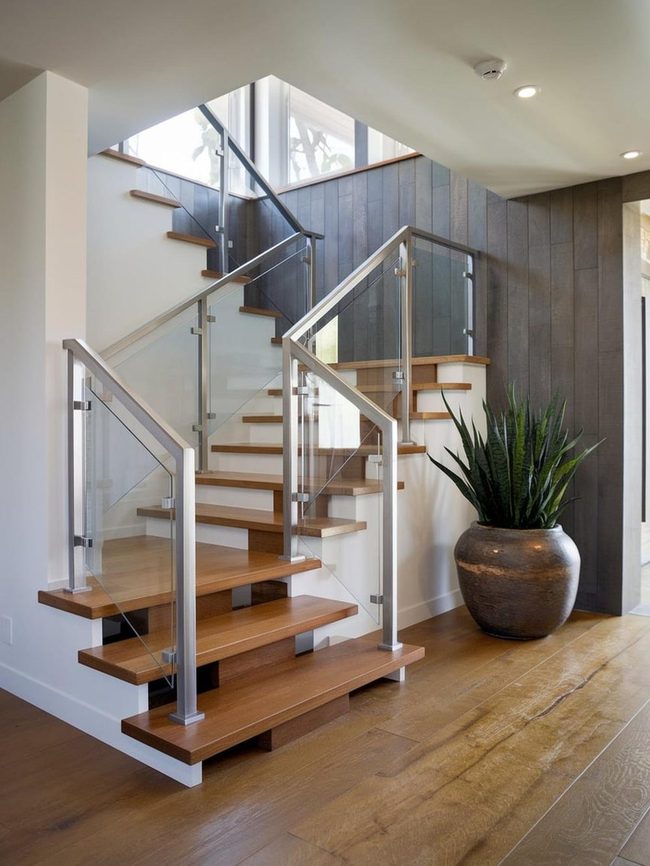
Swapping out heavy timbered railings for glass panels opens up your entryway in ways that feel almost immediate.
You gain a sense of spaciousness and spacious that smaller, enclosed designs just cannot match.
Glass railings keep everything safe while letting your eyes travel freely through the space.
Modern aesthetics benefit from this clean, unobstructed look that works particularly well in contemporary homes.
It radiantens the area naturally because nothing blocks spacious from flowing through.
Your entryway feels bigger and more welcoming just by making this one smart choice.
Custom Metal Staircase Statement
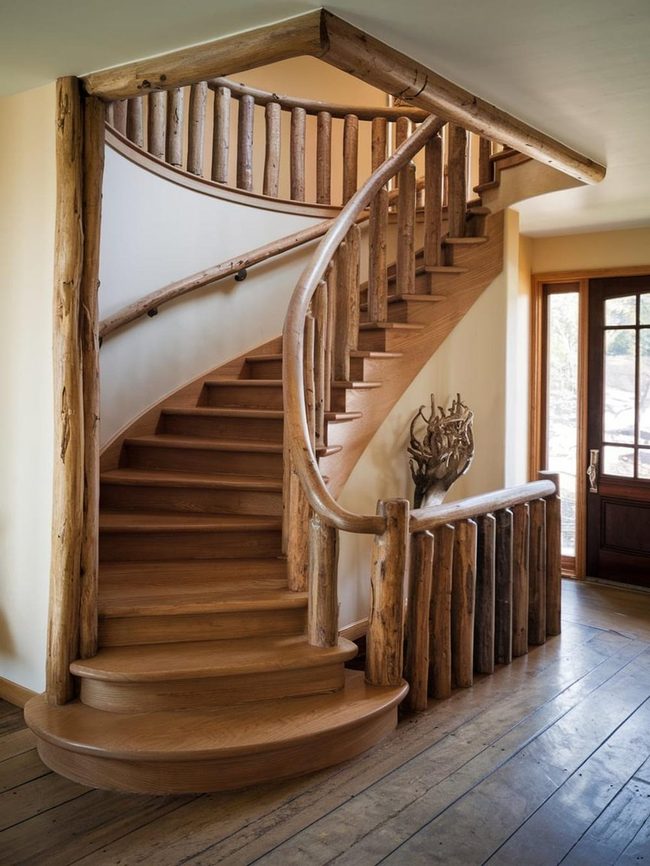
That bold metal or modern oak railing can swap out your outdated stairs and shift how your whole entryway feels right from the moment someone walks in.
We know staircases get overlooked, but updating this piece makes an enormous difference in the space.
You might choose crisp black metal for something contemporary or go with natural walnut for warmth and texture.
Such a simple change catches attention and sets the tone for how company experience your home.
The railing frames your staircase and becomes visible from multiple angles in your entryway.
Modern designs range from minimalist lines to more decorative patterns and materials.
Even though it's just one element, upgrading this fixture refreshes the entire entry area and makes it feel more polished.
Shiplap And Geometric Wall Patterns
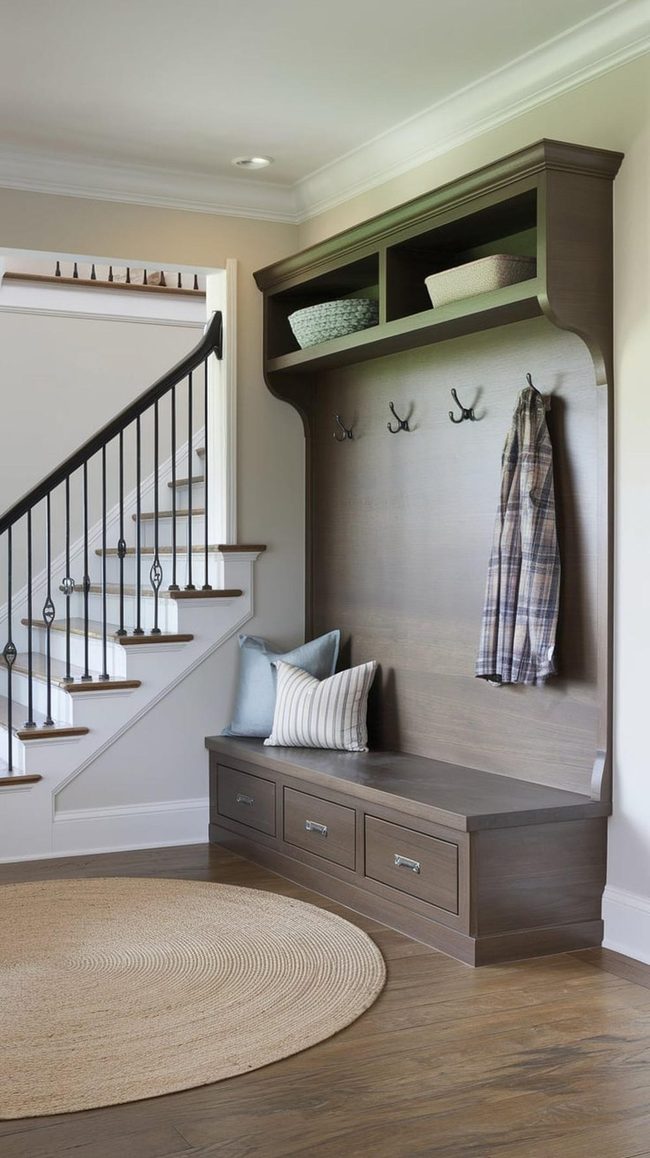
Bold wallpaper, rich paint colors, or timber paneling on your walls makes an instant statement and sets the tone for your whole room.
Vertical shiplap or geometric patterns give depth to flat surfaces and prevent walls from feeling like forgotten afterthoughts.
You don't need to cover every wall, sometimes one accent wall delivers more impact than a full room treatment.
Patterns work especially well in spaces where you spend time and want personality to shine through.
Paint is the most budget-friendly option if you want to test out a bolder look before committing to wallpaper or paneling.
Consider the dayliting in your room because how color reads on walls can shift throughout the day.
Navy Door Makes First Impression
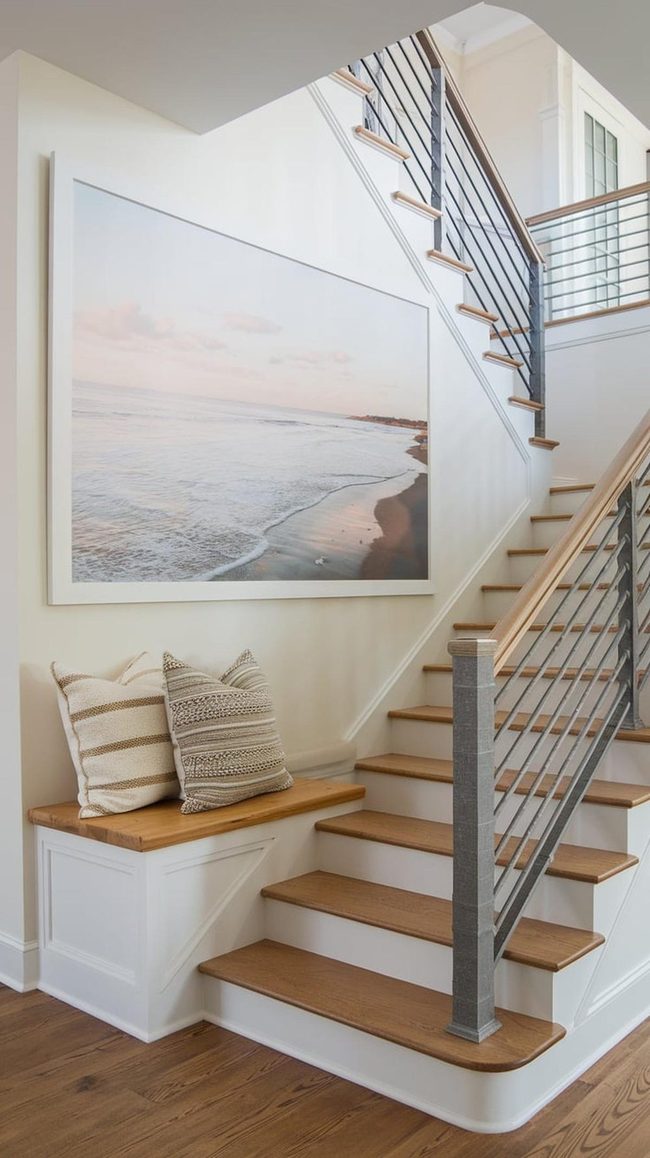
Each bold-colored front door makes an immediate impact on your home's exterior, so consider painting it deep navy, fiery red, or sage green to signal your style before dinner guests even step inside.
Your entry sets the tone for everything beyond it, and this single statement piece tells people what to expect from your interior design choices.
You don't need expensive renovations to refresh your curb appeal, just pick a hue that resonates with you and complements your home's architecture.
We see this approach work best when the door color echoes or contrasts with your surrounding landscaping and trim.
Paint or stain can transform a dated entry into something fresh and personal within a weekend.
Door hardware like handles and knockers also matter, so upgrade these pieces if yours look worn.
Your dinner guests see the entry first, and a thoughtfully executed front door shows you care about their welcome.
Even modest changes to this area demonstrate that you've put consideration into your home's first impression.
Overhead Chandelier Drama
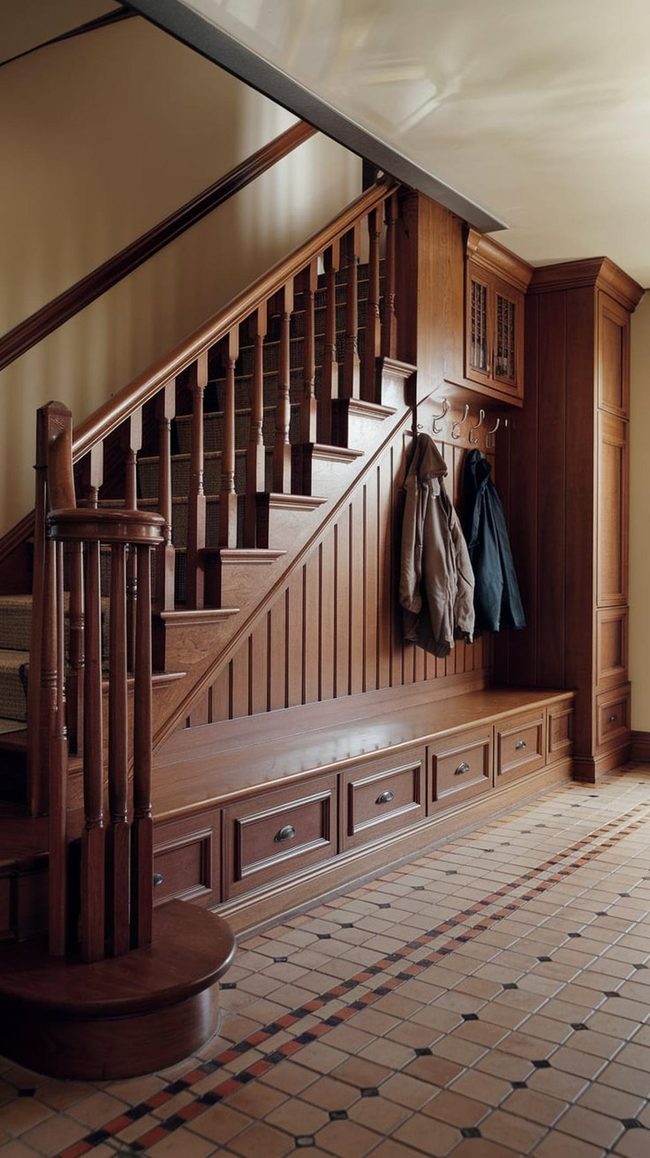
Dayliting serves as the crown jewel of any entryway, and a large chandelier or modern pendant can command your attention upward while balancing the vertical nature of a split-level layout.
When you select a statement piece, consider what matches your home's style, perhaps a streamlined mid-century fixture or a rustic wrought-iron design that speaks to your taste.
Such a focal element draws the eye and sets the tone for visitors as soon as they enter.
We recommend choosing something substantial enough to anchor the space without overwhelming it.
Your airying choice should reflect both function and personality, serving as more than just illumination but as a true design anchor for the entire area.
Metal Hooks Clean Wall Systems
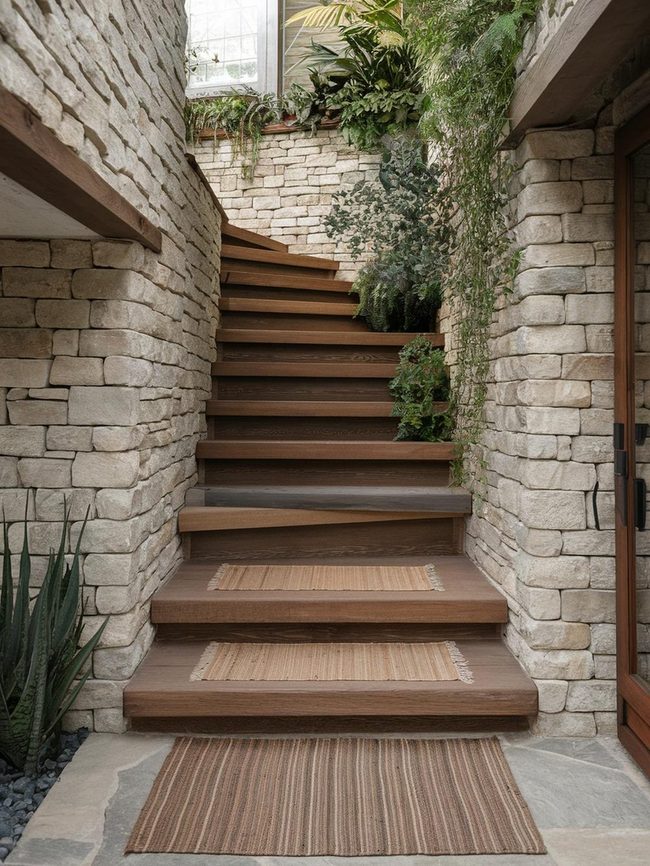
Polished metal or timbered hooks offer a smart way to hang coats, scarves, and bags without cluttering your entryway, and they work far better than bulky coat racks that eat up floor space.
You can mount them directly on the wall at varying heights, which gives you flexibility to fit your family's needs and adds visual interest through their clean lines.
Simple hooks blend seamlessly into most design schemes, whether your space is modern, farmhouse, or traditional.
The best part about this approach is that everything stays within arm's reach and stays off the ground and out of the way.
Mounting options range from simple screws to adhesive hooks if you prefer not to drill, making this solution work for renters and homeowners alike.
By choosing quality hardware in finishes that match your existing décor, you get a functional Space solution that also keeps your entry looking calm and orderly.
Split-Level Walls Dark And Light
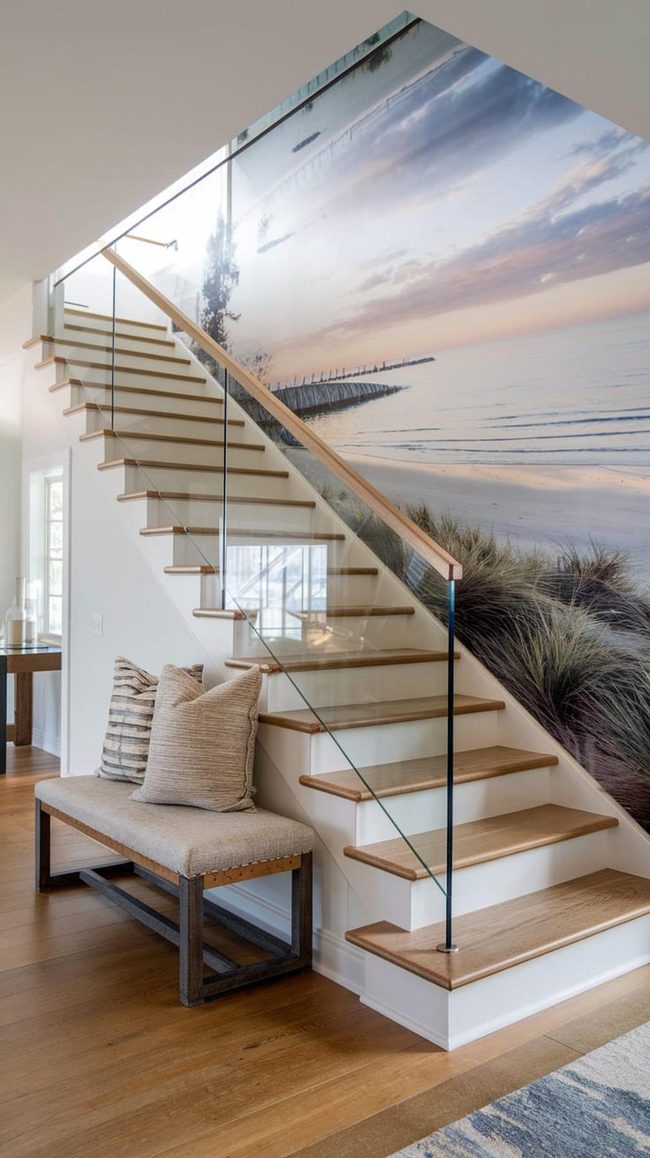
Split-level entryways with high walls benefit from a two-tone paint approach that divides the space in a way your eye can actually follow.
Paint the bottom section in a darker hue and move to a illuminateder color as you go up, and this simple shift stops the walls from feeling overwhelming.
We like this method because it grounds the space and keeps things proportional without needing any extra furniture or décor.
The contrast between the two shades breaks up the monotony and makes the room feel more interesting to look at.
You don't need expensive materials or professional help to pull this off.
The darker lower half anchors the room while the illuminateder upper half opens things up, giving you balance that works in any style.
Most people pick up on right away how much more considered the space feels once you add this depth with color.
Wooden Beams Open Ceiling Statement
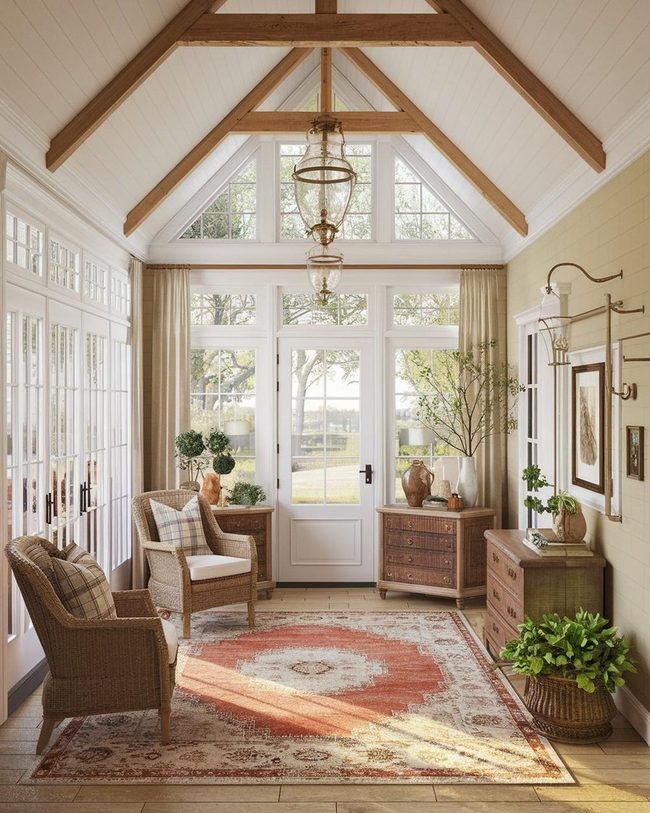
Oak beams stretched across a high ceiling in your split-level entry make a striking architectural statement that pulls the eye upward and outward.
When you install beams in a high-ceilinged area, you gain both texture and dimension that plain drywall simply cannot match.
They anchor the design scheme and help you feel like the entry flows seamlessly into living spaces beyond.
Timber tones also complement various decoration styles, from modern to traditional.
If you want the beams to stand out more, paint or stain them in a rich color that contrasts with your walls and ceiling.
Spaciouser finishes work well when you prefer a softer, less dramatic look.
Either way, beams transform an ordinary ceiling into something with real substance and style.
Hanging Green Entry Statement
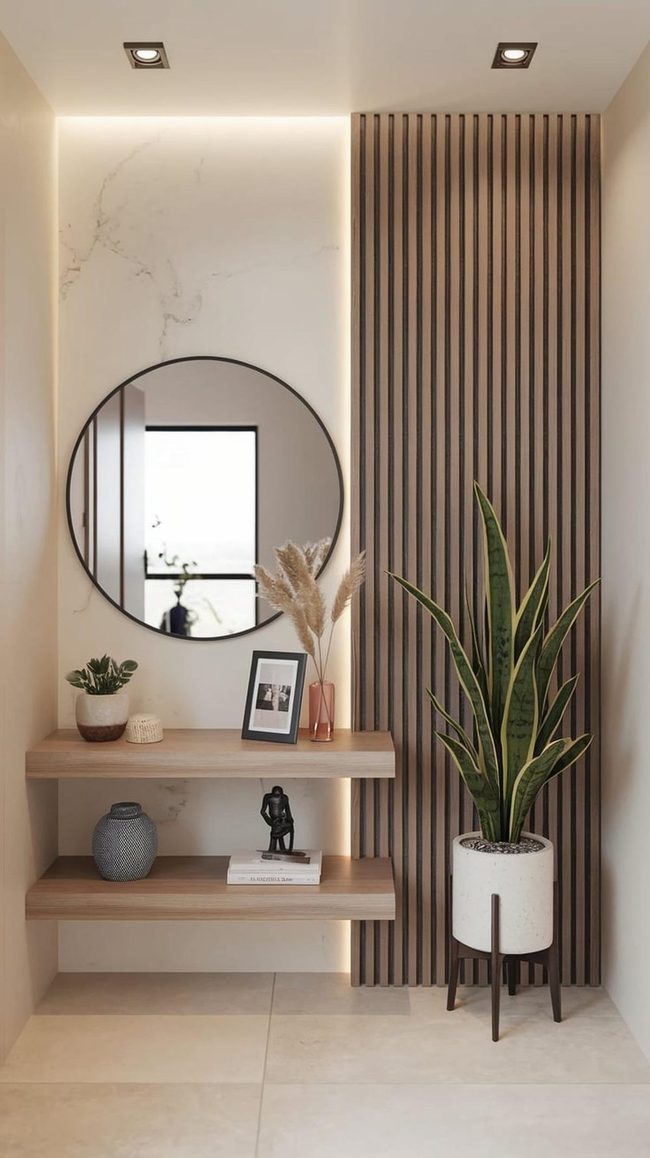
Limited space doesn't mean you have to skip greenery, hanging planters and vertical plant walls offer a simple solution that keeps your entryway fresh and alive without eating up precious floor room.
When you go vertical, plants climb up your walls and draw the eye upward, making the space feel taller and more open.
You can mix different plant types and sizes to add texture and depth without overwhelming the area.
Maintenance stays pretty manageable since many hanging options thrive with minimal care, and you won't trip over pots sitting on the ground.
Plants also naturally clean the air and bring a welcoming green energy right as people walk through your door.
Whether you choose trailing vines, pothos, or heartleaf plants, hanging greenery reworks an empty wall into something living and dynamic.
Entryway Bench With Subtle Cushions
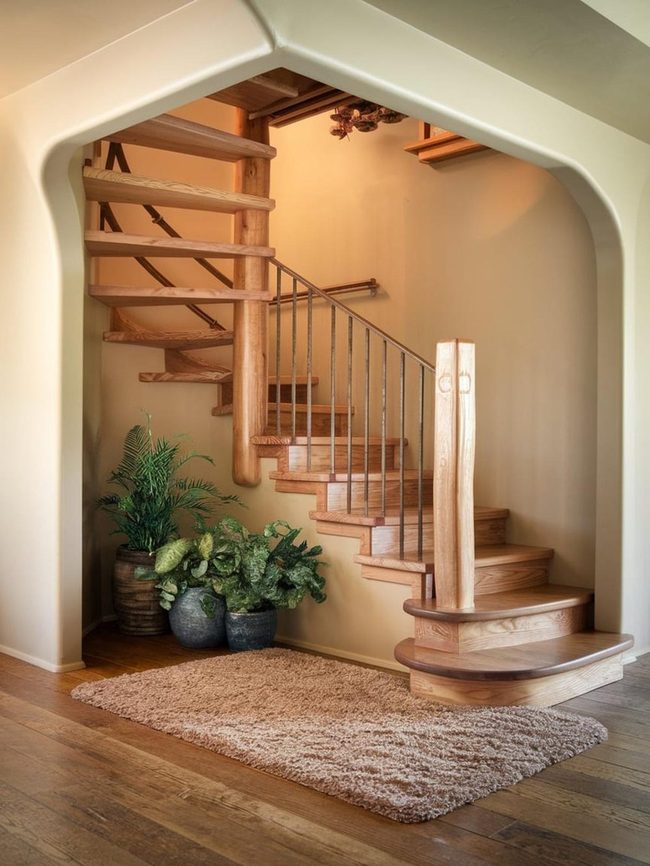
Near your entrance, a built-in bench offers useful for everyday living seating where you can slip on shoes or rest bags before heading out.
Cushions or a small pillow on top shifts this functional piece into something that feels more comfortable and welcoming for anyone who walks through your door.
You don't need much space to add this feature, and it serves double duty by looking nice while solving everyday problems.
The bench keeps clutter off the floor and gives visitors an actual place to sit during transitions.
When everyone arrive, they appreciate having a designated spot to settle in rather than standing awkwardly.
Simple upholstery in neutral tones or patterns that match your decor keeps the look clean and organized.
This combination of usefulness and thoughtful design means your entrance works harder and feels more put-together.
Morgan Huxley
Founder & Creative Director
Expertise
Interior Design & Bold Décor Concepts, Creative Color Applications & Artistic Details, Budget-Friendly Styling, Sustainable Design Practices
Education
Parsons School of Design, New York, NY
New York Institute of Art and Design (NYIAD)
Morgan Huxley is a designer with a passion for bold interiors that feel personal and inviting. As the founder and creative director of [Brand Name], he helps homeowners bring color, texture, and personality into their spaces. With a degree from Parsons and a decorating certificate from NYIAD, he blends artistic expression with practical design solutions.
Morgan believes that great style shouldn’t be out of reach. He shares budget-friendly tips, sustainable ideas, and creative design tricks to make any home feel elevated.
When he’s not designing, you’ll find him exploring NYC’s art galleries, street murals, and food spots for fresh inspiration.