
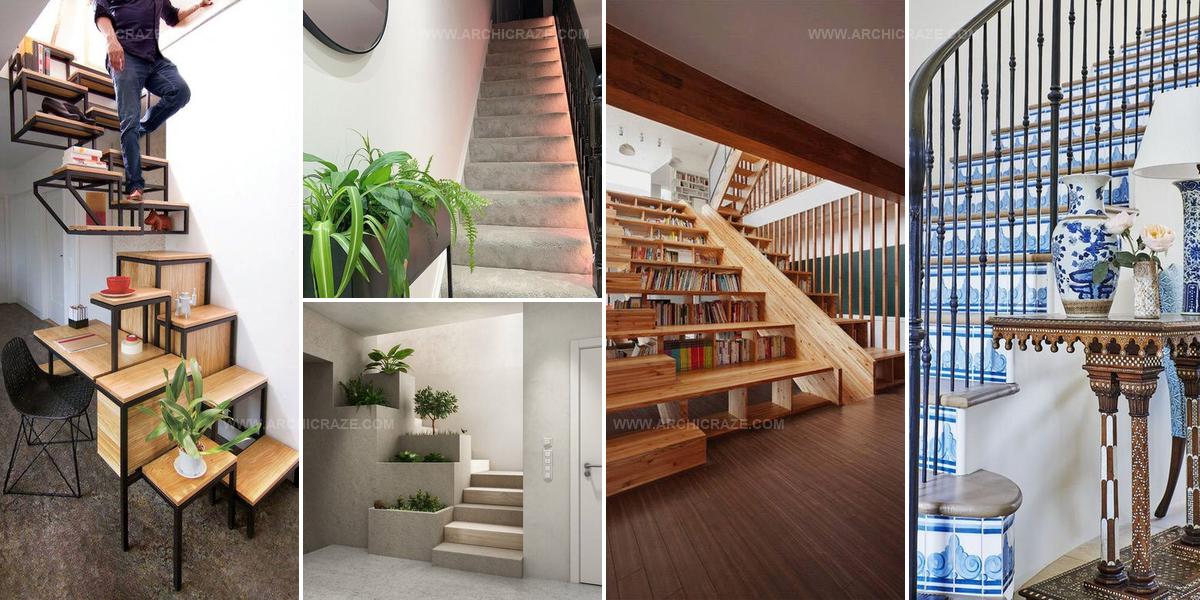
21 Staircase Plant Ideas That Brighten Every Step

Growing plants on staircases brings natural beauty to one of the most overlooked spaces in any home.
Many homeowners struggle with decorating stairs because they seem too narrow or awkward for traditional design elements.
However, greenery provides a perfect solution that adds color, texture, and life without overwhelming the area.
Stairs can become living galleries when you select the right varieties and arrange them thoughtfully.
The vertical nature of stairwells actually provides unique opportunities for cascading foliage and creative displays.
Small adjustments in plant placement can dramatically change how welcoming and fresh the entire space feels.
Get inspired by what's possible when you combine nature with architecture in unexpected ways.
Green-Draped Wood Staircase
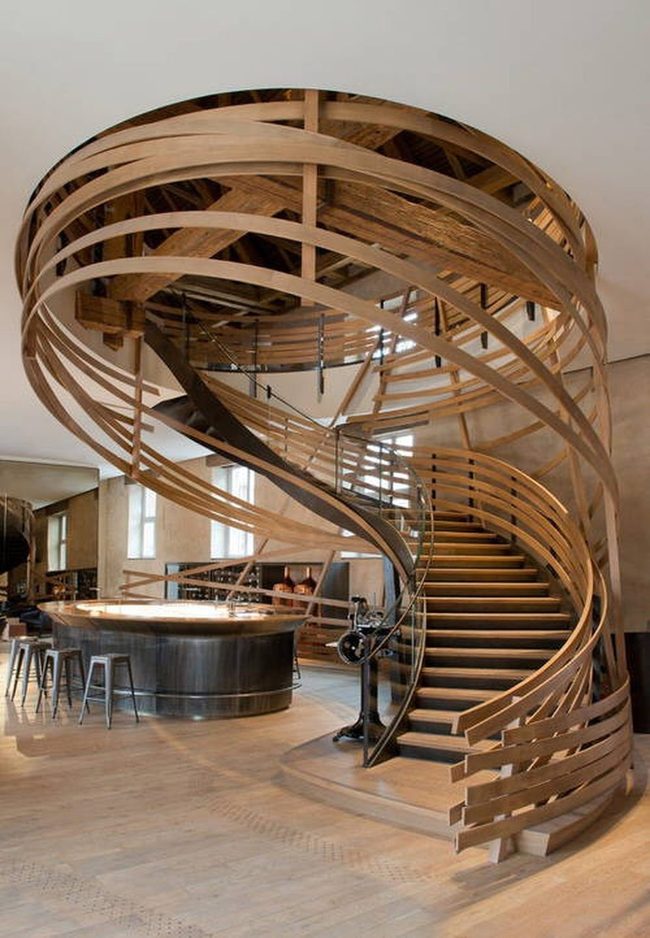
Wooden staircases paired with cascading plants like ivy and trailing pothos create stunning living art that transforms how you move through your home, and the way greenery drapes between the steps softens hard architectural lines while adding unexpected texture and depth.
Rich wood tones combined with lush foliage generate visual interest that standard staircases simply cannot match, and when sunlight hits the leaves, it dances across both the botanical elements and the natural grain of the wood in ways that shift throughout the day.
Modern wooden designs work best with minimal metal supports that keep the overall look clean and uncluttered, which makes the plants feel like a natural part of the design rather than an afterthought.
You can position greenery strategically along stair edges and risers to connect different levels of your interior space and draw the eye upward as you climb or descend.
Green Vines Softening Stone Stairs
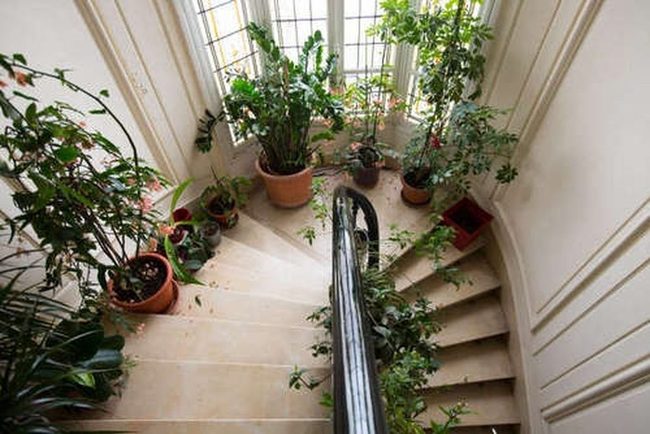
Cascading green vines draping over your stair edges create an arresting display that immediately draws attention as they soften the hard architectural lines with flowing, organic shapes.
Lush foliage nestled between wooden treads builds natural visual bridges connecting each level of your home while establishing botanical pathways through your living space.
Small potted succulents positioned on stair landings and ceramic planters in neutral tones add texture, color, and balance to the vertical expanse without overwhelming the wood and metal materials already there.
Plant-filled stairs breathe fresh energy into interiors and make your daily journey between floors feel less routine.
The beauty of this approach is that you can adjust your plant selection and placement to match your personal style.
Staircase Planter Architecture
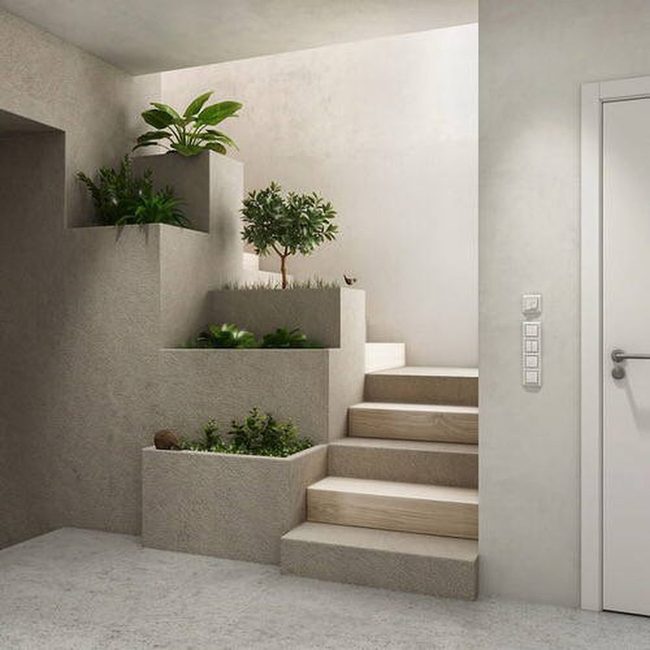
Built-in planters positioned along staircases make a bold architectural statement that immediately catches attention and adds character to any home's garden design.
Green spaces tucked between concrete steps introduce natural texture and visual richness to both interior and exterior spaces without requiring extra floor space.
Small rectangular containers sit flush with stair structures and work perfectly for compact plants like succulents or herbs that don't need much depth or room to thrive.
You can adjust these planters in different sizes and depths to match whatever architectural style your home already has, making them feel like they belong there.
Each planter softens the hard edges of concrete and infuses your staircase with organic life and greenery.
Strategically positioned plants break up the monotonous look of plain concrete with refreshing color and natural texture that people notice right away.
We see designers incorporate this approach frequently because it solves the practical challenge of bringing nature into structured, built environments without sacrificing style or function.
Blue Staircase With Cascading Green
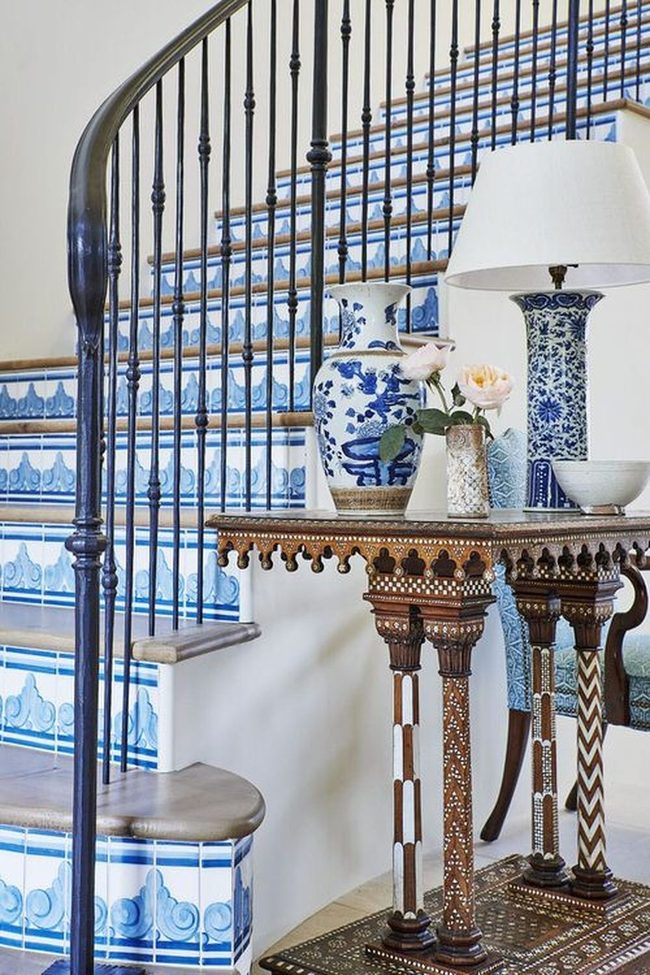
Blue staircase lined with cascading greenery offers one of the most striking ways to transform your home's interior, where lush trailing vines and compact potted ferns nestle between wooden steps and walls to soften the hard architectural lines.
Deep azure walls work beautifully with rich green foliage to create an indoor landscape that feels both luxurious and natural.
You can place plants strategically along the stair edges to build dramatic visual depth, and ceramic planters in complementary tones enhance the overall appeal without overwhelming the space.
Vertical gardening techniques let you maximize the limited area while introducing organic textures that wouldn't fit elsewhere in your home.
The combination of botanical arrangements and architectural design transforms what's usually just a practical passageway into something memorable and distinctive.
Staircase Green Corners
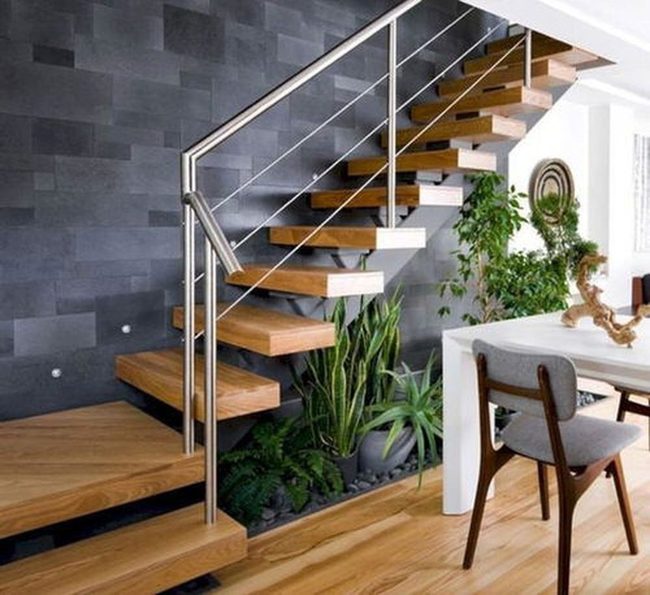
Garden stair planters fill overlooked corners with lush greenery and turn them into living displays that catch the eye.
Trailing plants cascade down the steps in strategic spots, bringing natural texture and depth to spaces you might normally walk past without a second thought.
Small areas beneath staircases work beautifully as miniature ecosystems where shade-loving plants like ferns and mosses flourish, and you can position them to need very little care while still looking wonderful.
Compact containers stack nicely in vertical spaces that usually sit empty in most homes, making smart use of areas we often forget about.
Both indoor and outdoor stairs adapt well to these green installations, so you have flexibility with where you set them up.
Low-maintenance succulents and compact herbs do especially well in these tucked-away zones, and you can easily swap them out as seasons change.
Green Staircase Living Wall
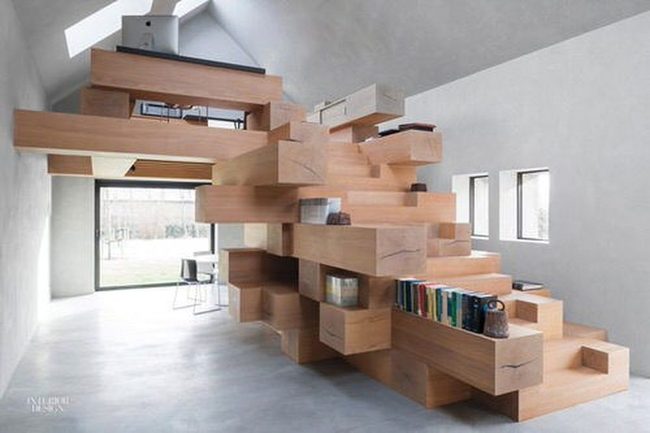
Lush vegetation transforms ordinary staircases into dynamic botanical displays that stop visitors in their tracks, with cascading greenery flowing elegantly along stair edges to form living walls that breathe fresh life into your home's structure.
Ceramic planters tucked between each step create the perfect growing environment for trailing vines and compact plants, and you can choose species like ferns and succulents that thrive in different light conditions without demanding much attention.
Vertical gardening along your staircase lets you weave natural beauty through your architectural spaces and integrates nature seamlessly while keeping the integrity of your design intact.
Strategic plant selection means you get maximum visual appeal across the staircase without the burden of constant upkeep.
This approach to staircase gardening represents smart use of space that connects your interior living areas with natural elements, and it does so in a way that feels both efficient and beautiful.
Green Staircase Cascade
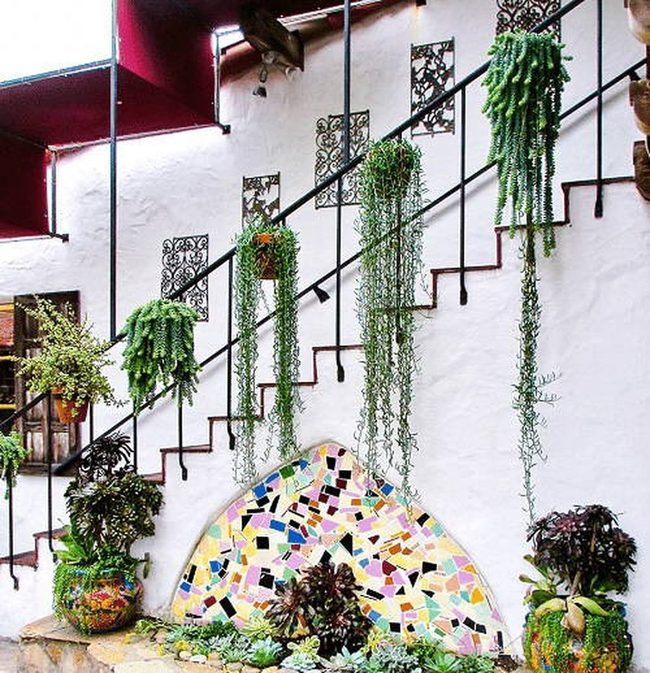
Hanging succulents draped along your stair railings turn ordinary architectural lines into living art that catches the eye as you move through your home.
Small potted plants like echeveria, sedum, and string of pearls cascade elegantly down metal or wooden railings, adding natural greenery and charm to spaces you might otherwise overlook.
Metallic or wooden brackets hold the lightweight containers securely while letting the plants spill over and drape gracefully along the staircase.
This approach works well because succulents need very little care, so busy homeowners can enjoy indoor gardening without much fuss.
As you climb up or down, these green pathways connect different levels of your home with botanical beauty and freshness.
The plants breathe life into your interior architecture in a way that feels both organic and thoughtfully placed.
Green Spiral Garden Staircase
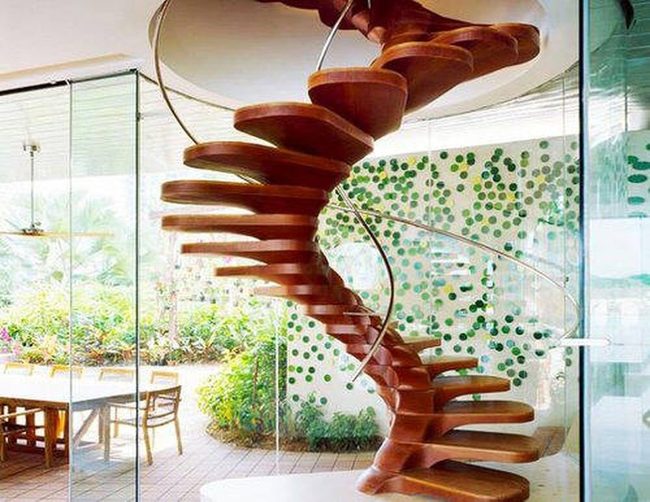
Spiral staircases become stunning focal points when you wrap them with cascading plants and lush greenery that drape along curved metal railings, creating a mesmerizing vertical garden that draws the eye upward through your home.
Trailing ivy, delicate ferns, and compact succulents nestle between stair steps and soften the hard architectural lines with layers of living color and organic movement.
Multiple plant heights and textures generate dynamic visual rhythms as you move up and down the stairs, making the space feel both natural and intentionally designed.
You can maximize your limited space by integrating compact planters directly into the stair structure itself, which also makes watering and maintenance much easier to manage.
The green plants work beautifully alongside metal and wooden stair materials, creating sophisticated design connections that tie your botanical display to your home's existing architecture.
Moving plants around and experimenting with different arrangements lets you refresh the look whenever you want without major effort.
Staircase Vertical Green Wall
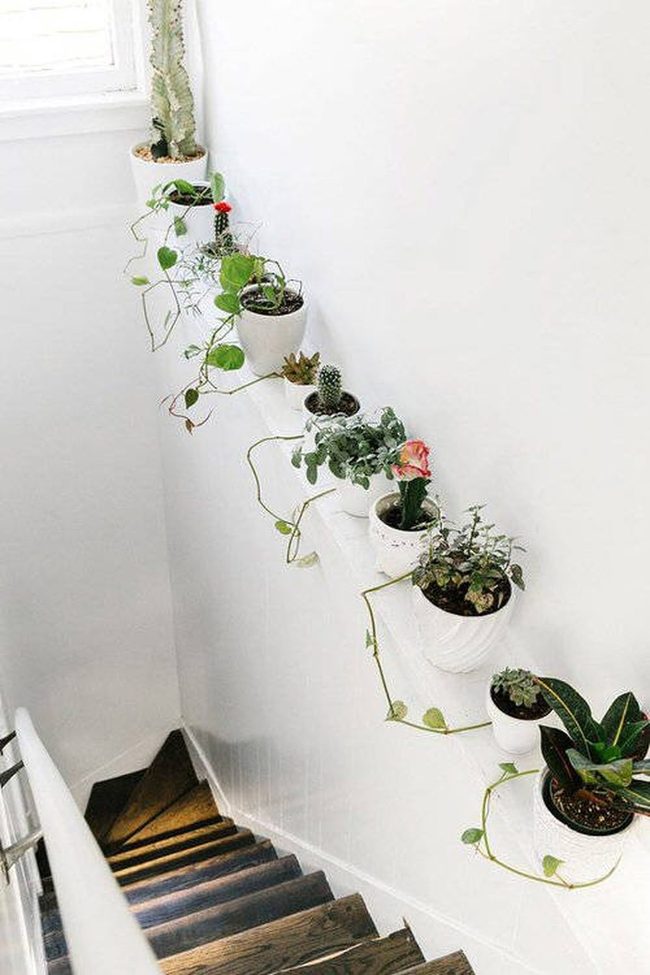
Potted plants arranged along your staircase wall create a striking vertical garden that brings greenery right into your home, and when you mix different plant sizes with varied pot styles in ceramic, terracotta, or metallic finishes, you avoid a boring, repetitive look.
Trailing varieties like pothos and ivy spill down the wall in graceful cascades, adding organic texture and softness to otherwise hard architectural lines.
Strategic lighting positioned to catch plant shadows transforms your staircase into something with real depth and drama across all those surfaces.
Small containers mounted at different heights bring movement and visual interest to your interior landscape while keeping things simple to maintain.
You can choose pots that match your existing wall colors and decor style, so everything feels cohesive rather than random.
The whole setup works because plants and stairs share a natural vertical rhythm, and that upward movement makes your space feel alive and connected.
Staircase Plant Cascade
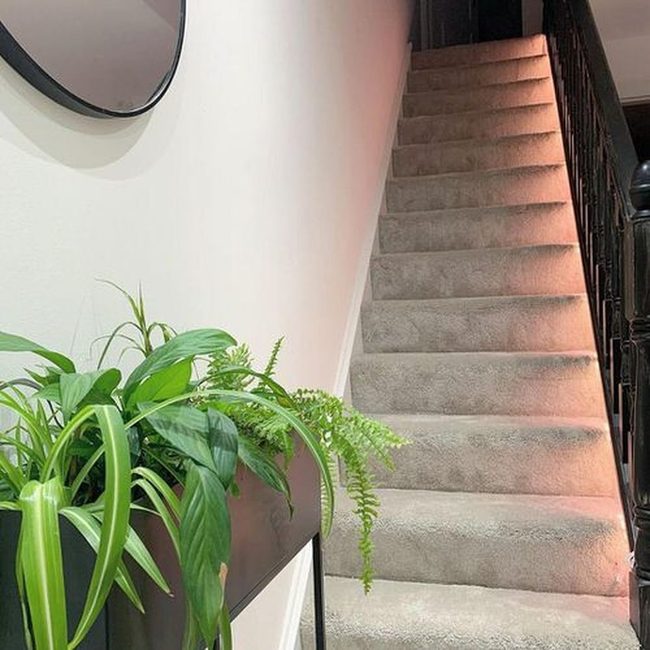
Lush greenery cascading down your staircase creates a striking botanical display that transforms an ordinary passageway into something alive and dynamic.
Small potted plants lined along each step form a charming pathway of green that draws the eye as you move through your home, and placing them strategically makes the most of vertical space without eating into your floor area.
Ceramic containers in neutral shades blend seamlessly with wooden or concrete stairs, letting the foliage do the talking rather than competing for attention.
Green leaves and stems add natural freshness to surfaces that would otherwise feel blank and harsh, and i admire how this simple addition brightens the whole stairwell.
Succulents and compact ferns thrive in these tight spots since they don't demand as much room to flourish.
When you choose your plants, think about where sunlight hits your stairs and whether containers have proper drainage holes so roots don't sit in water.
Vertical Green Staircase

Plants placed along your staircase railings or across the steps themselves create a striking visual shift that blends nature directly into your home's architecture, and this combination of greenery with metal or wooden stairs produces a beautiful contrast that catches the eye immediately.
Cascading ferns, trailing ivy, and compact succulents work well in modern spaces because they add organic texture and soft color without overwhelming minimalist designs.
When you position plants at different heights along the staircase, they form a living pathway that brings energy and freshness into areas that might otherwise feel plain or cold.
Thoughtful lighting from above or below highlights these botanical arrangements and casts interesting shadows across both the plants and the stairs themselves.
Urban homes benefit especially from this approach since staircases often sit right in the center of living spaces and can become a real design feature rather than just a way to move between floors.
Oval Staircase With Botanical Layers
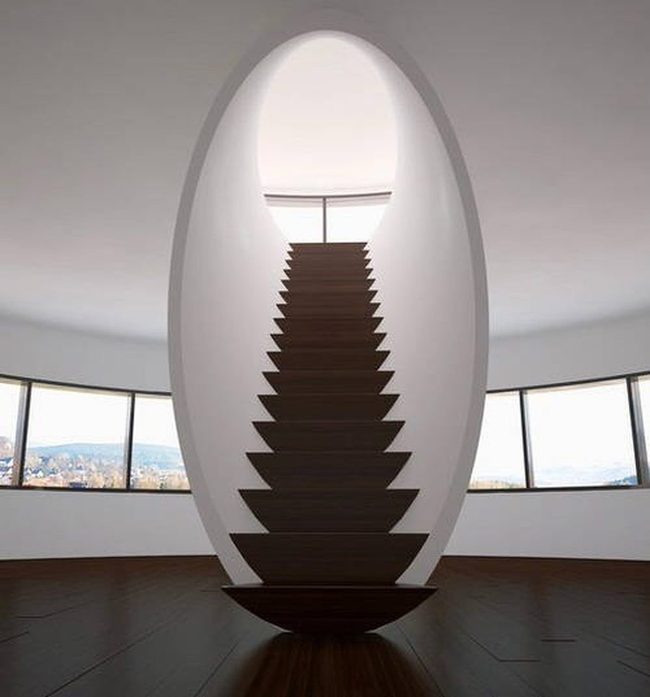
Modern staircase with oval white and brown elements immediately catches attention as a stunning focal point in your home, combining sleek architectural lines with lush botanical charm that feels both sophisticated and refreshing.
Plants positioned strategically along the staircase edges introduce organic textures and green accents that break up the neutral palette beautifully.
Potted greenery nestled between the steps adds layers of visual interest while the crisp white walls and intricate wooden treads create a balanced, harmonious backdrop for all that natural beauty.
When you place sculptural plant arrangements throughout the staircase, it transforms what could be an ordinary passage into a genuine design statement that people can't help but admire.
Contemporary design principles blend naturally with these botanical elements to craft an indoor landscape experience that feels intentional and well-balanced.
The combination of neutral tones and living greenery makes each staircase feel uniquely yours and welcoming.
Green Vines Climbing Stair Railings
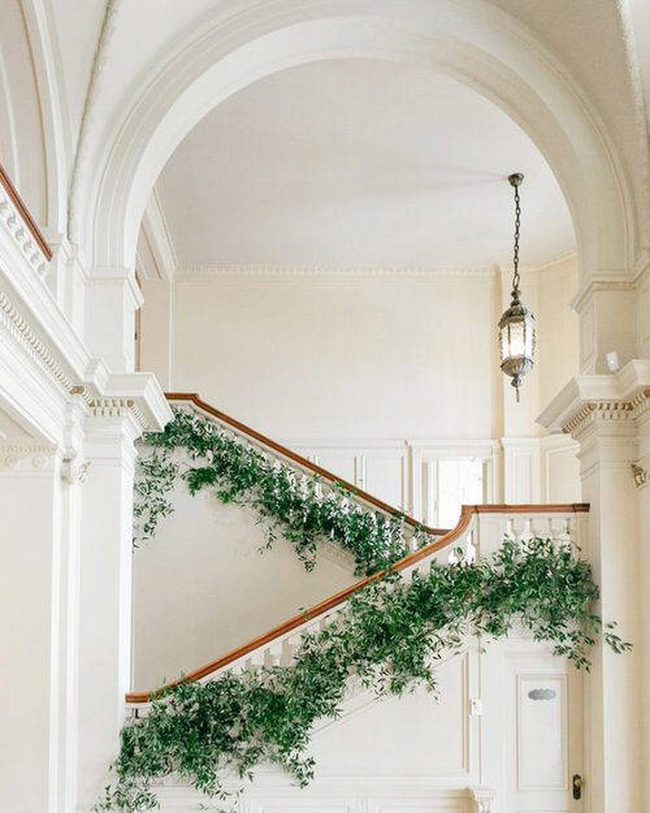
Trailing plants cascading down your stair railings turn those plain vertical spaces into stunning displays of living greenery that flow through your entire home.
Pothos, ivy, and string of pearls drape beautifully along wooden or metal railings and add natural texture that brings life to an otherwise ordinary passageway.
These lightweight vining species don't demand much from you since they grow well in moderate indoor light and need little upkeep as they spread.
Positioning plants thoughtfully along your stairs keeps them out of the way while you move up and down, so safety and beauty work side by side.
Indoor vines connect different levels of your home together and transform what's usually just a route between floors into a lush botanical moment.
Staircase Planters With Wooden Shelving
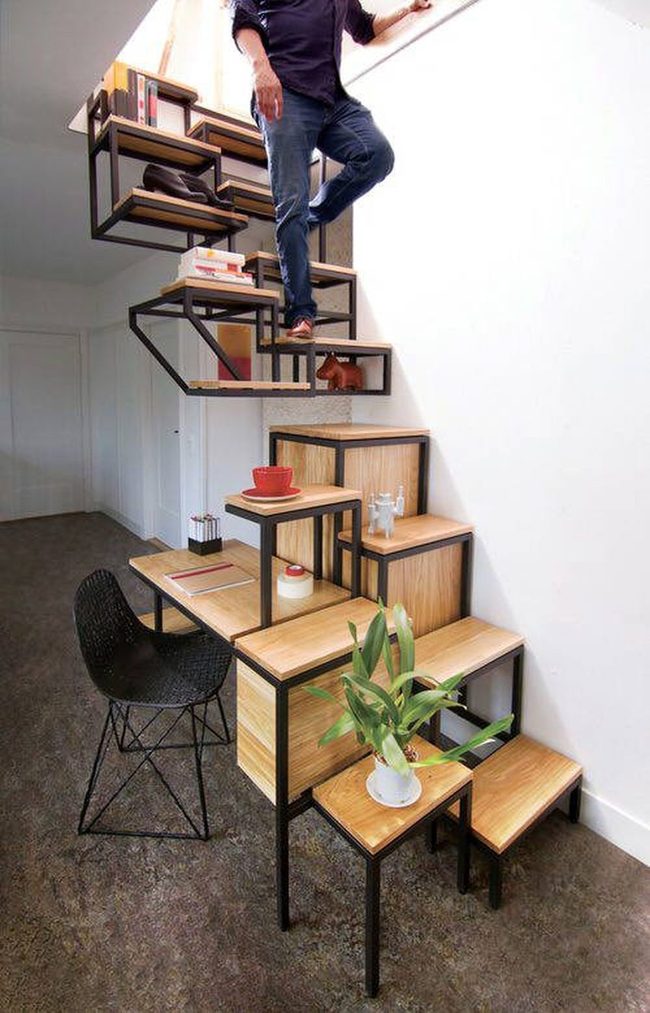
Built-in cupboards along staircase edges transform plain walls into stunning displays of greenery and life, with wooden shelving that holds succulents, trailing vines, and small potted herbs nestled perfectly between each step.
Homeowners love how these integrated units add green accents that break up minimalist interiors and bring warmth through natural wood tones and plant textures.
Beyond the visual appeal, you get intelligent storage solutions that don't eat up precious floor space in compact homes, and the hidden compartments work well for stashing gardening tools or decorative pots out of sight.
The seamless construction keeps everything looking polished and purposeful rather than cluttered or temporary.
Strategic placement of plants and greenery along the stairs makes these spaces feel more lively without overwhelming the area.
Staircases become functional displays instead of just passages connecting floors.
Cascading Green Staircase
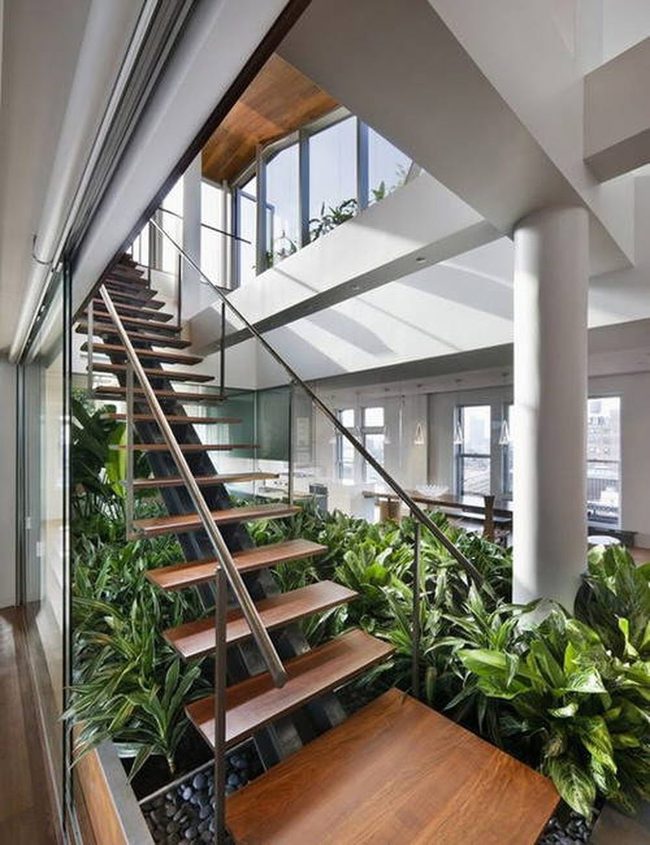
Indoor jungle stairs transform ordinary steps into a living botanical canvas by blending lush greenery with architectural design and creating a breathtaking vertical garden experience.
Cascading plants nestle between stair treads, with green ferns, trailing pothos, and compact succulents wrapping around wooden or concrete surfaces to soften hard architectural lines.
Strategic lighting highlights each plant's unique texture and color, and this makes the staircase feel alive and dynamic.
You can mount small shelves or install built-in planters at varying heights to mix different plant species and add dimension to your staircase.
Metal brackets and minimalist pots provide modern support for delicate greenery without overwhelming the space.
Choosing low-maintenance plant options ensures they thrive in indoor environments and don't become a burden to care for.
When you apply vertical gardening techniques throughout your staircase, this simple transitional space becomes a natural display that bridges your indoor and outdoor worlds.
Green Steps Indoor Garden
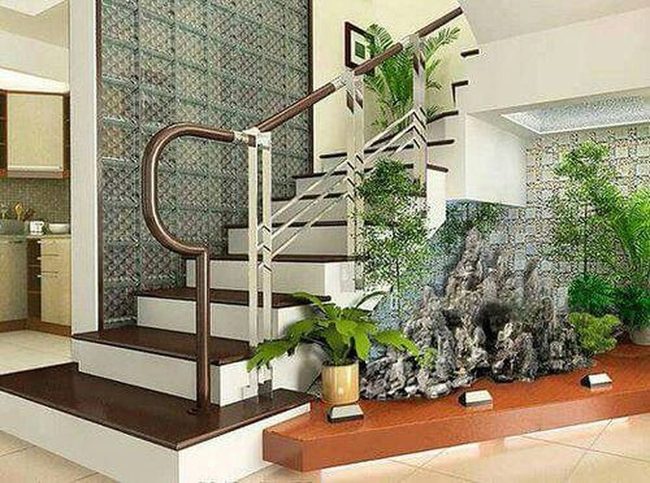
Staircase with a mini indoor garden becomes a green sanctuary nestled within your home, and small potted plants tucked between the treads create a lush microclimate that brings botanical beauty to interior spaces.
Compact greenery transforms what might otherwise be overlooked steps into an engaging botanical journey that feels fresh and alive.
Strategic plant placement makes the most of limited areas without making the space feel packed or overwhelming.
Ceramic containers and plant species selected for easy care ensure the staircase maintains its elegant appearance without demanding constant attention.
Glass shelves or built-in planters offer spots for diverse foliage to flourish in places you might never have considered for greenery before.
This approach connects your indoor living areas with natural elements and turns stairs from a simple passage into something far more meaningful and engaging.
Wooden Shelves Between Steps
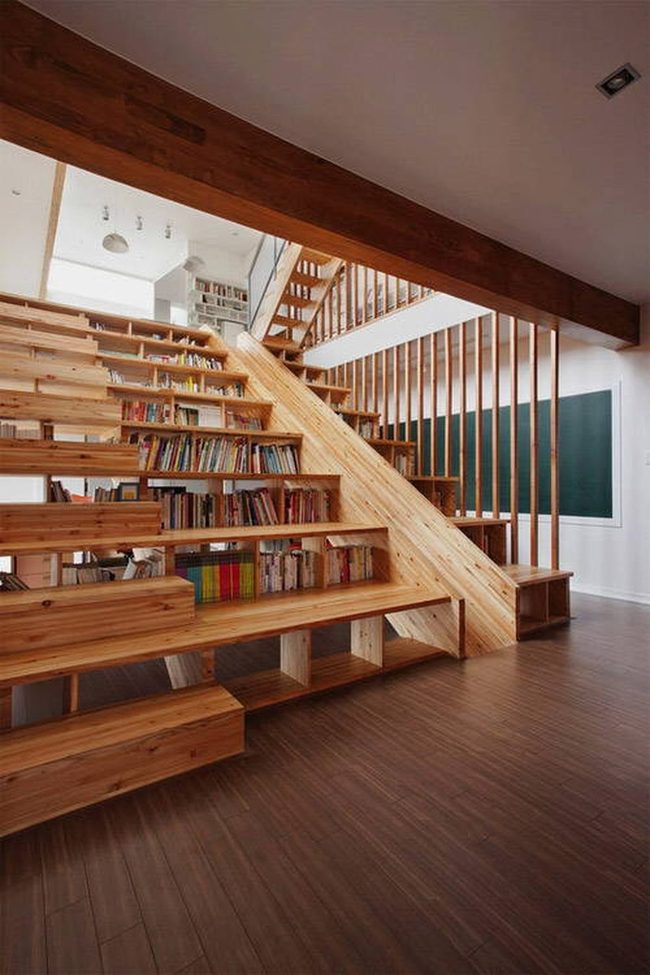
Staircases with built-in bookshelves transform your home by merging bold architecture with practical storage, turning ordinary steps into display zones that showcase your book collection and decorative pieces along every edge.
Wooden shelves nestle between stair treads to maximize vertical space and make smart use of areas that would otherwise sit empty.
The clean lines of this minimalist approach keep your home feeling open and uncluttered while you gain valuable storage without sacrificing style.
By converting standard staircases into multipurpose zones, you unlock hidden potential in your interior and make the most of every square inch, which works especially well in compact urban apartments and modern homes where space matters.
Clever engineering ensures that books and objects remain accessible and safely displayed as people move up and down the stairs.
This design solution lets you keep your favorite reading materials on hand and within sight, blending function with visual interest throughout your living space.
Vertical Staircase Garden
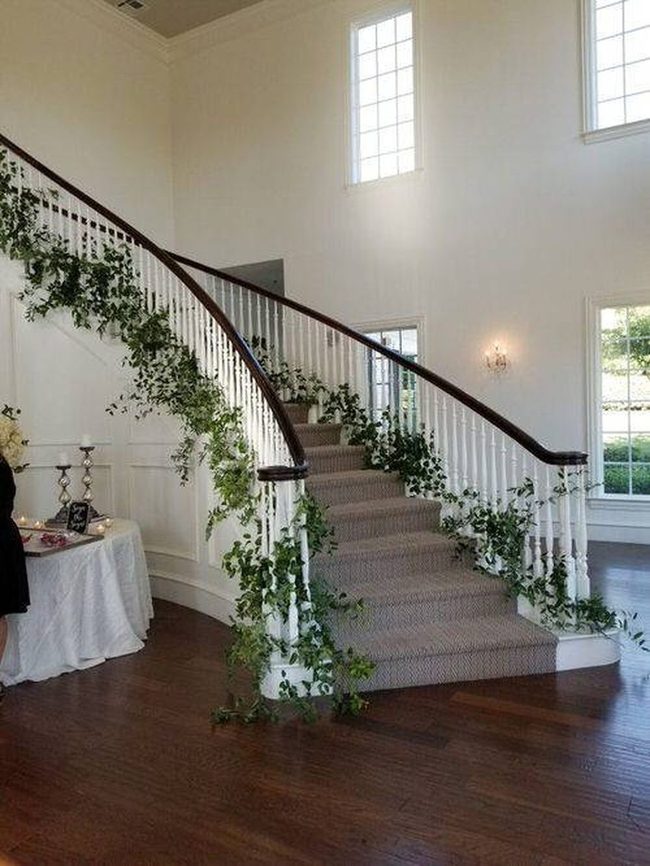
Green plants along your staircase create a striking vertical garden that brings life to spaces you might otherwise overlook.
Small potted plants and trailing vines like pothos and ivy cascade down the sides of stairs, softening hard architectural lines and drawing the eye upward as you move through your home.
Metal wall-mounted holders and ceramic containers nestle between steps, holding succulents and leafy plants that add natural texture to what would normally be blank walls.
Wooden shelves built into the stair sides can display multiple smaller plants, building a charming botanical scene that fills your stairwell with greenery.
Hanging baskets work particularly well in these tight spaces, and you can arrange them to suit your home's style and the amount of light each area gets.
Lighting positioned to shine on these plants at night makes the whole staircase feel transformed and turns an everyday passage into something visually interesting.
Cascading Green Staircase Garden
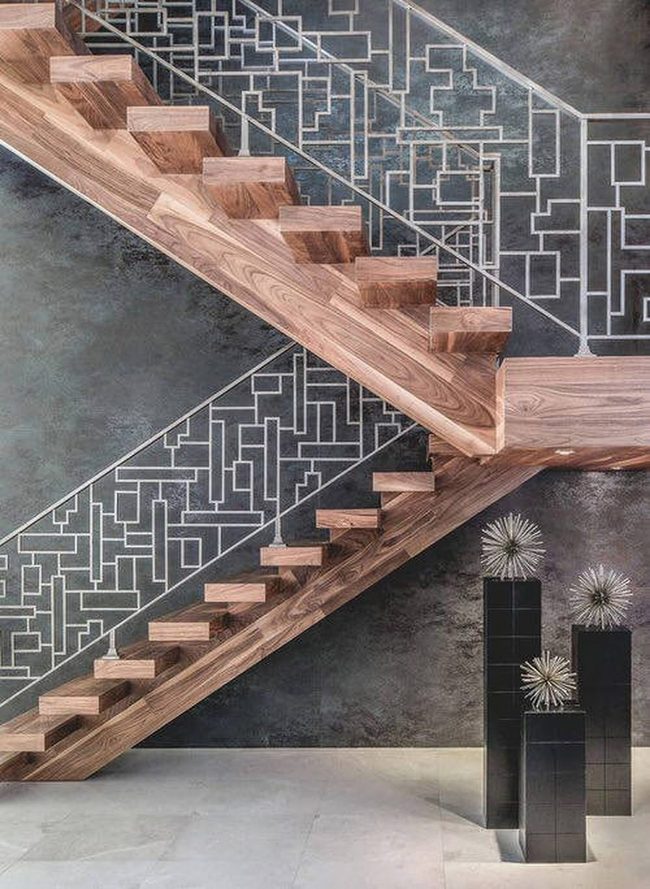
Green vines tumbling down wooden stairs create one of the most striking transformations you can make in a small space, softening hard edges and bringing life to surfaces that might otherwise feel bare.
Potted succulents nestled between each step add layers of visual interest without taking up floor space, and ceramic planters in neutral shades work well alongside the natural wood tones of your staircase.
Trailing plants like pothos and ferns drape along the stair edges in ways that feel organic and unhurried, while simple metal containers hold the greenery without competing with what you're really there to see - the plants themselves.
Small decorative touches keep things balanced, so the overall look stays grounded in nature rather than feeling overdone.
Vertical Green Staircases

Stair gardens transform ordinary staircases into living works of art by blending plants with modern design, and the most striking element is how dynamic visual pathways guide your eyes upward in a way that feels both natural and intentional.
Modern art-inspired plant arrangements create this eye-catching movement, while sleek metal planters and minimalist ceramic containers keep the look fresh and aligned with contemporary architecture.
You can select trailing ivy, compact succulents, and architectural ferns to build texture and movement throughout the space.
Geometric positioning turns your staircase into a sculptural statement that merges indoor landscaping with cutting-edge design principles.
If you live in an urban space with limited room, this approach lets you embrace vertical gardening without losing style or sacrificing square footage.
Vertical gardening techniques make the most of narrow spaces and transform what might feel like mundane stairs into green experiences that feel both beautiful and purposeful.
Green-Draped Wooden Staircase
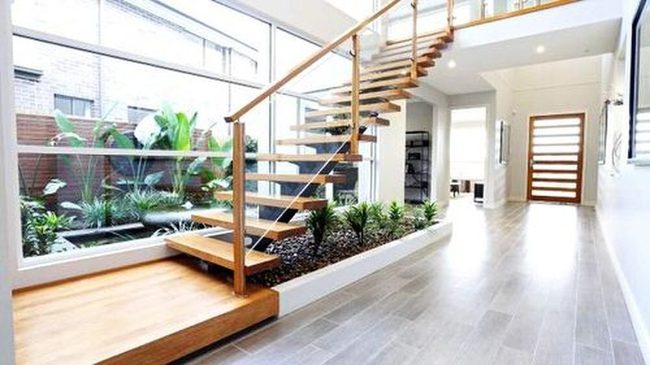
Wooden stairs cutting through an open garden bring together rustic charm and natural elegance that transforms your home landscape.
Garden vegetation cascades along the stair edges and creates soft green borders that guide your eye as you move from one space to the next.
Natural wood tones blend seamlessly with surrounding greenery, so every step feels like walking deeper into nature.
Climbing plants wrap around stair railings and add texture plus lush green accents that soften the structure.
Rough wooden planks connect your outdoor spaces with smooth transitions that work both practically and aesthetically.
When you place these stairs near garden areas where sunlight hits them directly, the wood grain and plant details shine.
This approach integrates architectural structure with living botanical elements in a way that feels honest and grounded.
Riley Summers
Co-Founder & Home Styling Expert
Expertise
Smart Space Planning & Layout Optimization, DIY Home Projects & Budget-Friendly Décor, Trend Forecasting & Sustainable Design, Practical Styling Solutions for Every Home
Education
New York School of Interior Design, New York, NY
Riley Summers knows that a well-designed home isn’t just about looks—it’s about function, comfort, and personality. As co-founder of [Brand Name], she specializes in smart space planning, trend-forward décor, and sustainable styling solutions.
With a background in interior architecture from NYSID, Riley helps homeowners maximize their spaces with clever layouts and easy DIY projects. She loves sharing budget-friendly decorating ideas that make high design accessible.
Outside of work, she enjoys strolling through NYC’s neighborhoods, discovering new design trends, and savoring a great cup of coffee.